
Learning does not need to be confined to textbooks, tests, and classes. Students must also be taught decision making, responsibility, working in teams, problem solving in daily life and self-confidence.
This is one of the reasons residential schools in India can offer a unique education experience. Students experience independence, responsibility, communication and co-operation on an everyday basis as a result of their shared environment of living and learning.
The residential education experience offers students more opportunities to experience structured routines and shared responsibilities, as opposed to traditional day-school education. The experiences can be part of personal development in addition to academic learning with appropriate guidance and supervision.
1. Developing Independence Through Daily Responsibilities

A major benefit of the residential schools is that students learn to deal with some elements of their daily lives gradually.
The students who are living away from home will have to organise themselves, accept schedules, prepare for classes, plan their own lives and take responsibility for their own commitments.
The seemingly simple responsibilities can be a way to build independence in students.
Teachers and residential staff continue to support students but also provide opportunities for them to take responsibility for their daily activities which are age appropriate.
This can help students to get used to doing things on their own without always needing assistance from their parents.
2. Learning Effective Time Management
Time management is an important life skill for students.
Residential schools typically have structured daily schedules that may include academic classes, study periods, meals, sports, extracurricular activities, recreation, and rest.
Students learn to organise their time between different commitments.
For example, a student may need to complete academic work while also participating in sports or a school activity. Learning to balance these responsibilities can help students understand the importance of planning and prioritisation.
These habits can become valuable as students progress to higher education and eventually enter professional environments.
3. Building Confidence Through New Experiences

A residential environment can expose students to situations that encourage confidence building.
Students may participate in competitions, cultural programmes, sports, presentations, clubs, leadership activities, and group projects.
Each new experience gives students an opportunity to practise skills, handle challenges, and learn from mistakes.
Confidence does not develop simply because a student lives away from home. It develops through repeated opportunities to try, adapt, communicate, and take responsibility in a supportive environment.
4. Encouraging Decision-Making Skills
Another important part of residential education in India is giving students opportunities to make age-appropriate decisions.
Students may need to decide how to organise their study time, participate in activities, work with classmates, or approach challenges.
Teachers and residential staff can provide guidance when needed, while students gradually learn to think through their choices.
Developing decision-making skills can help students become more thoughtful and responsible rather than depending on adults for every small decision.
5. Developing a Sense of Responsibility

Responsibility is an important part of student development.
In a residential environment, students are part of a community. They learn that their actions can affect classmates, roommates, teachers, and the wider school community.
Following routines, respecting shared spaces, meeting deadlines, participating in activities, and supporting peers can help students understand accountability.
The objective should not be to give children excessive responsibilities. Instead, schools can provide age-appropriate responsibilities that gradually increase as students mature.
6. Strengthening Social Skills and Teamwork
Residential life naturally involves interaction with other students.
Students from different backgrounds may live, study, participate in activities, and spend free time together. This can create opportunities to develop communication and social skills.
Students may learn how to:
- Communicate respectfully
- Work in teams
- Listen to different opinions
- Resolve everyday disagreements
- Cooperate with others
- Support their peers
These experiences can complement academic learning and contribute to a more rounded education.
7. Creating Opportunities for Leadership

Leadership is another area where residential education can provide valuable experiences.
Students may take responsibility through student councils, clubs, sports teams, house activities, cultural events, community initiatives, or other school programmes.
Such experiences can help students practise leadership skills while learning that leadership involves responsibility, communication, teamwork, and decision-making.
Good residential schools should provide leadership opportunities without making them exclusively competitive. Different students should have opportunities to contribute according to their interests and abilities.
8. Learning Through Extracurricular Activities
Learning does not stop when academic classes end.
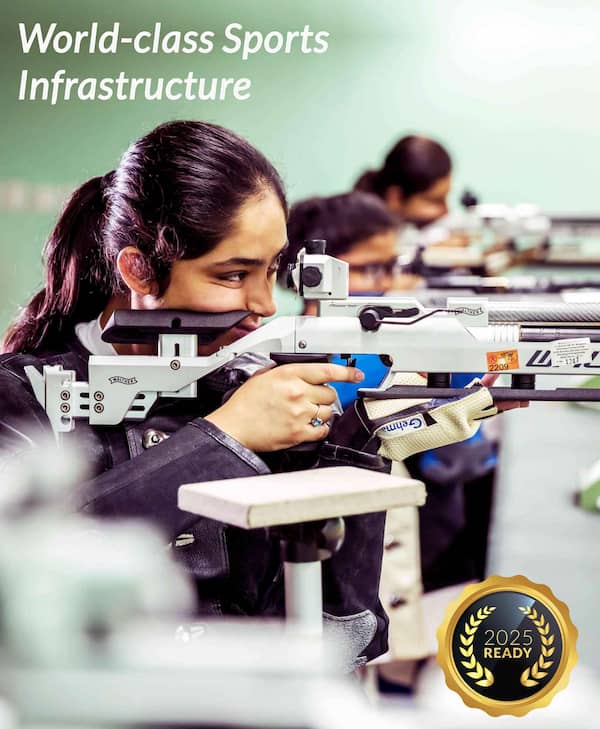
Boarding school education often provides students with opportunities to participate in sports, performing arts, music, visual arts, clubs, debates, community service, and other activities.
These experiences can help students discover interests outside academics.
For example, sports can encourage teamwork and discipline, while theatre and public speaking can provide opportunities to practise communication and confidence.
The value of extracurricular activities is not simply the number of activities a school offers. Parents should consider whether students receive meaningful opportunities to participate and develop their skills.
9. Developing Self-Reliance in a Supportive Environment

Self-reliance in students does not mean children should be expected to solve every problem alone.
A well-managed residential environment should provide a balance between independence and support.
Students need adults they can approach when they have academic, social, emotional, or practical concerns.
The aim is to help students gradually learn how to handle appropriate challenges while knowing that guidance is available when they need it.
This balance is particularly important for younger students who may initially find residential life unfamiliar.
10. Preparing Students for Life Beyond School
One of the broader aims of holistic education is to prepare students for situations beyond examinations.
As students grow older, they will encounter new academic environments, university life, professional responsibilities, and social situations.
The habits developed during residential education—such as managing time, communicating with others, taking responsibility, and adapting to new situations—can provide a foundation for these future experiences.
However, residential education is not automatically better simply because students live on campus. The quality of the school’s academic programme, pastoral care, supervision, facilities, and student support remains critical.
What Should Parents Look for in a Residential School?
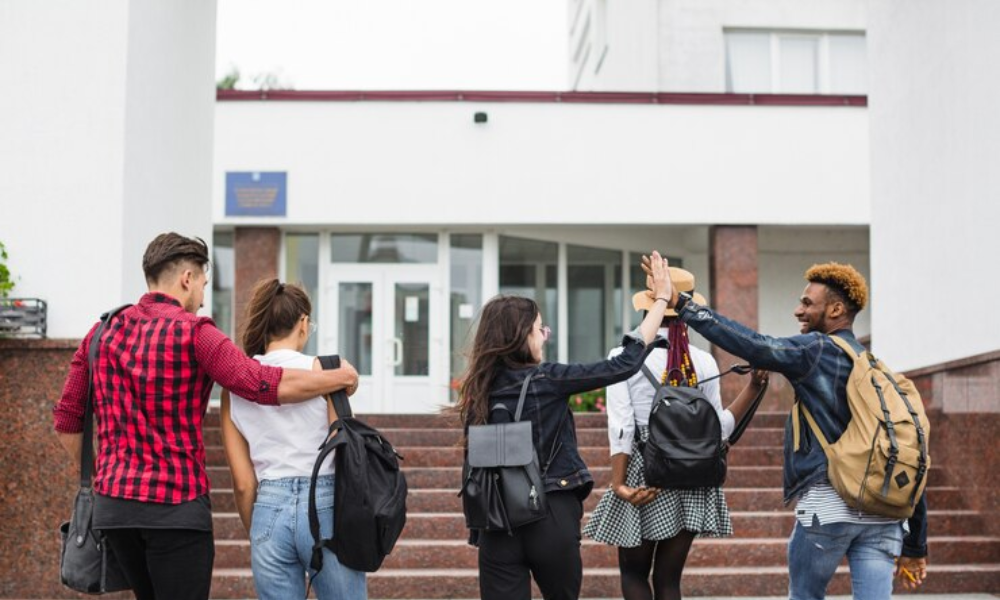
Parents considering residential schools in India should evaluate more than academic results.
Before making a decision, consider:
- Curriculum and teaching quality
- Residential facilities
- Student safety
- Pastoral care
- Healthcare facilities
- Student-teacher relationships
- Extracurricular activities
- Sports opportunities
- Academic support
- Student wellbeing
- Communication with parents
- University and career guidance
It is also important to visit the school whenever possible. A campus visit can help parents understand the actual learning and residential environment rather than relying entirely on websites or promotional material.
Conclusion
The benefits of residential schools can extend beyond academic education. A thoughtfully designed residential environment can give students opportunities to practise independence, responsibility, time management, teamwork, communication, leadership, and other important life skills.
However, parents should not assume that every residential school provides the same experience. The quality of the environment matters.
When evaluating residential schools in India, look at the complete picture: academics, residential life, safety, wellbeing, extracurricular opportunities, student support, and preparation for the future.
Ultimately, the goal of residential education should be to help students gradually become confident, responsible, capable, and self-reliant individuals while giving them the support they need to grow.
Frequently Asked Questions
Q1. How do residential schools in India help students become independent?
Ans: Residential schools in India give students opportunities to manage age-appropriate daily responsibilities, organise their schedules, participate in activities, and make decisions with guidance from teachers and residential staff.
Q2. What are the main benefits of residential schools?
Ans: The benefits of residential schools can include opportunities to develop independence, time management, teamwork, responsibility, leadership, communication, and other life skills alongside academic learning.
Q3. Does residential education improve confidence in students?
Ans: Residential education can provide opportunities for confidence building through activities such as sports, presentations, competitions, clubs, leadership programmes, and social interaction. The impact depends on the quality of the school’s environment and student support.
Q4. What life skills can students learn in residential schools?
Ans: Students may develop life skills for students such as time management, communication, decision-making, responsibility, teamwork, organisation, adaptability, and self-reliance.
Q5. What should parents look for when choosing a residential school?
Ans: Parents should consider academics, curriculum, safety, residential facilities, student wellbeing, pastoral care, extracurricular activities, healthcare, academic support, communication with parents, and future career or university guidance.