






In this contemporary era of growing learning communities, school safety measures for kids is an utmost concern for every parent, teacher, and administrator.
With increasing fears surrounding bullies, school violence, and even acts of nature, school safety is no longer an option; it is a prerequisite.
As a parent, it is valuable to understand the safety protocols so that you may offer peace of mind and be more proactive in the welfare and health of your child.
This article looks at the most crucial school safety strategies that all parents must know, how schools are implementing them, and what you can do to support these efforts.
1. Secured Access to School Grounds

One of the most fundamental school security measures is the limiting of entrance and egress to the school facility. State-of-the-art schools utilize high-tech access-control devices such as:
- Electronic guest check-ins
- Security badges for employees
- Secured points for entry with video monitoring
- ID scanning systems
Such systems ensure no unapproved individuals enter school facilities without permission, thus reducing the chance for external assaults.
What Parents Can Do:
- Encourage your school to invest in secure entry systems.
- Tell your child never to open the door for strangers.
2. Emergency Preparedness Drills
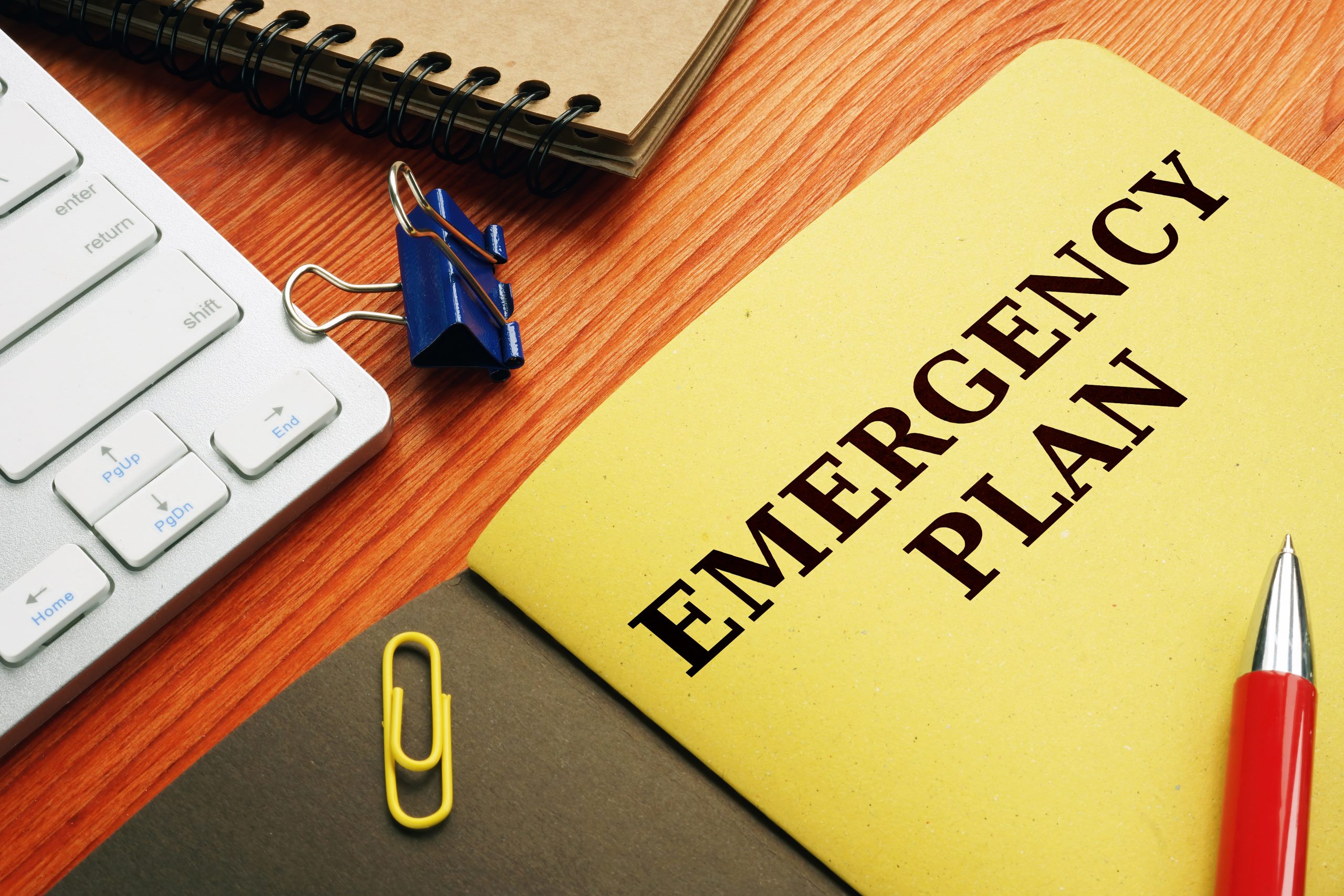
Preparedness is one of the key components of sound school safety practice. Schools conduct regular drills for the sake of preparing students and workers for potential emergency situations, including:
- Fire drills
- Preparedness for earthquakes
- Lockdown procedures for intruders
- Tornado or storm safety
They help achieve fast and coordinated response, and could save lives in the event of genuine emergencies.
What Parents Can Do:
- Ask how often your child’s school conducts these drills.
- Talk about how seriously you must take these drills with your child.
3. Bullying Prevention Programs

Bullying remains an ongoing concern for the majority of schools and affects the mental health and school performance of the students. In the context of holistic school safety security, anti-bullying policies are significant. They comprise:
- Peer mentoring setups
- Anonymous report systems
- Guidance and counseling services
- Staff and teacher training
A proactive school in addressing the problem of bullying creates a safer and more inclusive environment for all students.
What Parents Can Do:
- Familiarize yourself with the school’s anti-bullying policy.
- Encourage your child to report if they see or become the target of bullying.
4. Surveillance and Security Staff

Video surveillance and trained security personnel are deterrent and response mechanism. Closed-circuit television cameras are equipped in the majority of schools at strategic locations so that school corridors, entranceways, and parking areas could be monitored. School Resource Officers (SROs) or security officers are part of modern school safety measures in the majority of school districts.
What Parents Can Do:
- Find out if the school your child attends employs security personnel.
- Describe how these roles are meant to secure—not threaten—student safety.
5. Mental Health Support Services
A growing part of comprehensive school safety efforts is the provision of mental health assistance. Detection of the symptoms of emotional disturbance and intervention before serious issues develop is critical to effective programs. They encompass:
- In-house therapists or counselors
- Social-emotional learning (SEL) programs
- Crisis intervention services
- Training staff in mental health awareness
Mental well-being is the foundation of school safety.
What Parents Can Do:
- Talk with school staff about available mental health resources.
- Encourage communication with your child about how they feel.
6. Safe Transportation Policies
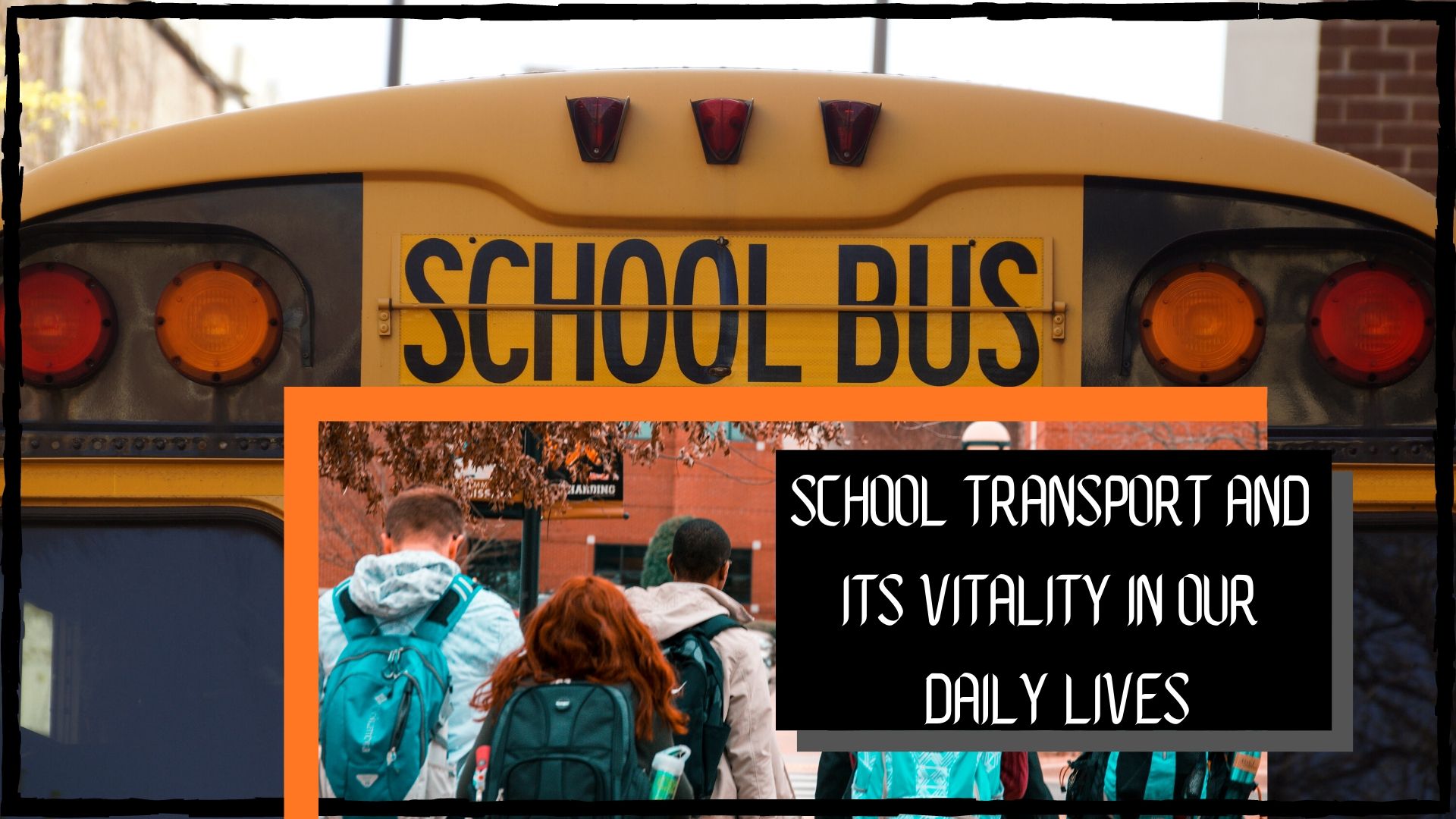
Safety begins and ends at the school gate. Buses and student pick-up and drop-off areas require sound school safety policies as well. School districts are accountable for ensuring:
- Background-checked drivers
- Seat belts and GPS tracking for buses
- Supervised pick-up and drop-off zones
- Clear traffic flow policies
Safe transportation methods are critical for the protection of students beyond the classroom.
What Parents Can Do:
- Get accustomed to transport policies.
- Practice responsible pedestrian and driving habits near school zones.
7. Cybersecurity and Digital Safety

In the age of the internet, school safety policies must go beyond the schoolyard. Pupils are vulnerable to online bullying, data breaches, and inappropriate content. Effective school safety policies for the digital age are:
- Firewalls and content filters within school networks
- Digital citizenship education
- Safe use policies for devices and internet access
- Monitoring software for harmful behavior
Cybersecurity is part and parcel of modern school safety.
What Parents Can Do:
- Monitor your child’s internet use at home.
- Partner with schools for the promotion of greater digital protection.
8. Health and Hygiene Protocols

Health-related school safety measures came into focus with the pandemic of COVID-19. The schools must maintain:
- Clean and sanitary restrooms
- Access to hand washing and sanitizers
- Effective ventilation systems
- Vaccination and disease report policies
These protocols help with the prevention of the spread of disease and create a healthier learning environment.
What Parents Can Do:
- Keep your child home when they are sick.
- Strengthen good home and personal hygiene.
9. Transparent Information Flow

Accurate and punctual communication is required in emergency situations. There are required systems for:
- Automated email or text alerts
- Parent-teacher messaging programs
- Emergency hotlines
- Real-time website updates
Communication systems that work well are the most effective school protection methods for emergency situations.
What Parents Can Do:
- Verify your contact information is current.
- Sign up for all school communication instruments.
Conclusion
As a parent, you should be informed and involved with the school safety of your son/daughter. Physical safety and emotional safety, these policies for school safety are the foundation for a safer school atmosphere. Not only must schools establish these policies, they must do so with the help of families so that they could be a success.
By learning and championing school safety policies, parents can be an integral contributor to the safety and peace of mind of their child. And why not? When children are safer, they are more likely to do well in school and get along with peers.
FREQUENTLY ASKED QUESTIONS
Q1. What are the key school safety measures every parent should check?
Ans: Look for secure entry systems, well‑trained staff, clear emergency plans, and regular safety drills—foundations of effective school safety measures.
Q2. How can I confirm that my child’s school follows proper safety protocols?
Ans: Ask to review the school safety measures handbook, attend safety meetings, and observe drills to see procedures in action.
Q3. What role do parents play in supporting school safety measures?
Ans: Parents strengthen safety by staying informed, volunteering during drills, and reinforcing rules at home—bridging school and family efforts.
Q4. How do schools typically communicate their safety measures to families?
Ans: Through newsletters, parent‑teacher meetings, emails, and the school website—ensuring you understand every aspect of the safety measures in place.
Q5. How can I discuss school safety measures with my child without causing fear?
Ans: Use reassuring language: focus on how these measures keep them safe, celebrate their practice, and encourage questions to build confidence.
Q6. What emergency preparedness procedures should be included in school safety measures?
Ans: Fire, lockdown, and evacuation drills; first‑aid kits; clear staff roles; and designated safe zones ensure a calm, coordinated response in emergencies.