



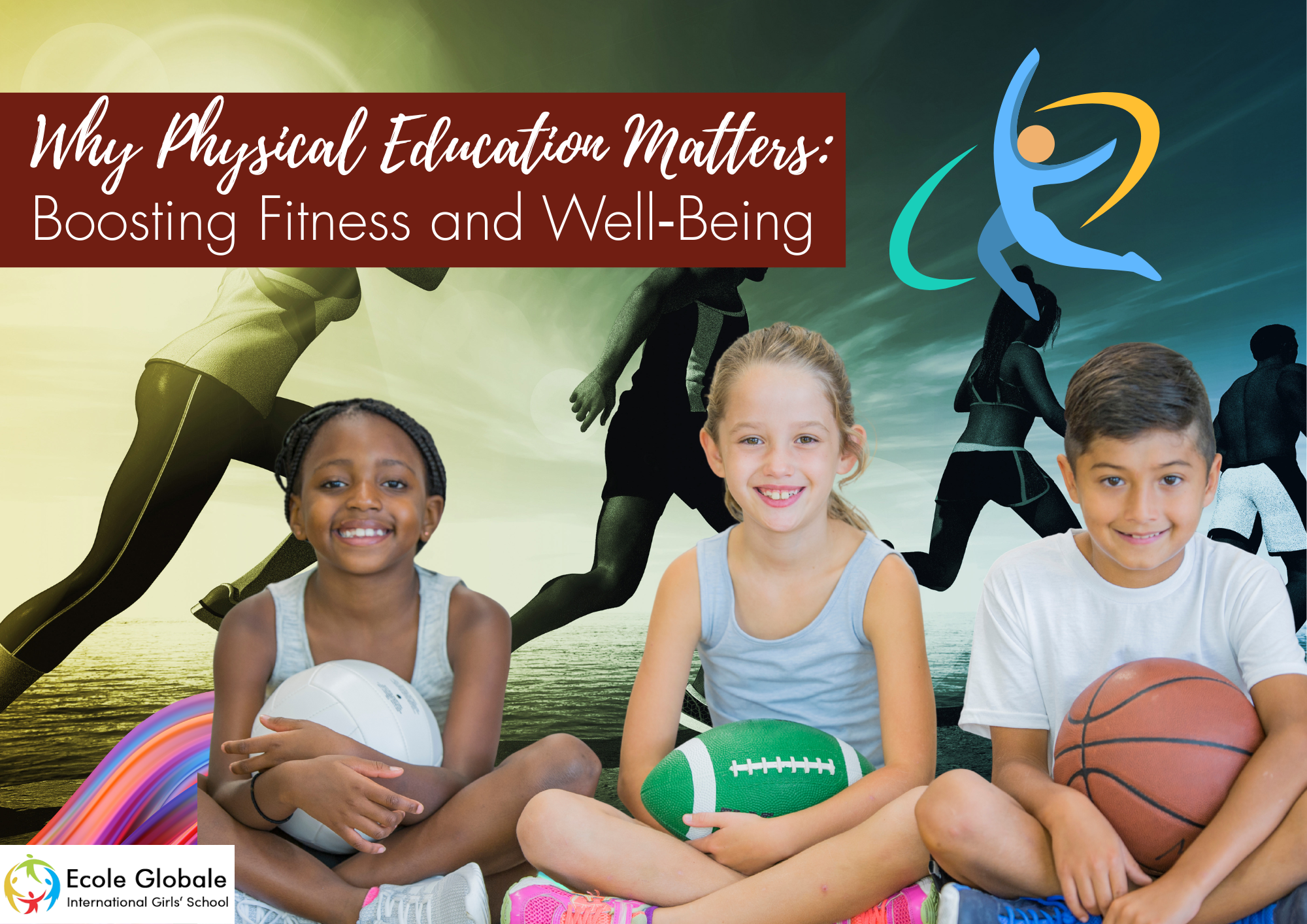
In this day and age of fast‑paced and screen‑oriented living, the role of Physical Education in schools and everyday life cannot be overemphasized.
More than merely about exercise, Physical Education (PE) is a systematic method of imparting to students the importance of movement, teamwork, discipline, and habits of well-being for life.
From developing healthy muscles and bones to boosting mental well-being and social competence, the rewards of Physical Education are deep-seated and enduring.
Let us discuss why Physical Education is so important and how it increases fitness and all-round well-being.
The True Meaning of Physical Education
Physical Education is much more than doing laps or playing team sports. It is an integrated learning process which influences students’ physical, mental, and social growth. Students learn to:
- Build physical fitness: This includes developing strength, flexibility, endurance, and coordination.
- Enhance motor skills: Essential skills for sports, exercise, and daily movements.
- Gain cognitive understanding: Learning about anatomy, nutrition, safe exercise techniques, and the science behind health.
- Foster social and emotional growth: Encouraging teamwork, leadership, self‑confidence, and stress management.
By providing a combination of activities—such as team sports, dance, yoga, and strength training—Physical Education enables each student to find a form of movement that they love, making exercise a positive and enduring habit.
Physical Education and Fitness: A Vital Connection
One of the most apparent advantages of Physical Education is its practical effect on physical fitness. Regular involvement in PE classes enables students to:
Build healthy muscles and bones, which is very important during the growing years.
Maintain a healthy weight, reducing the risk of childhood obesity.
Improve cardiovascular fitness by building a stronger heart and lungs.
Increase balance, coordination, and agility, which aid both sports and daily life.
These physical improvements aren’t limited to childhood. Science indicates that Physical Education students are more likely to remain active adults, resulting in healthier lifestyles and less risk of chronic disease.
Boosting Mental and Emotional Well‑Being through Physical Education
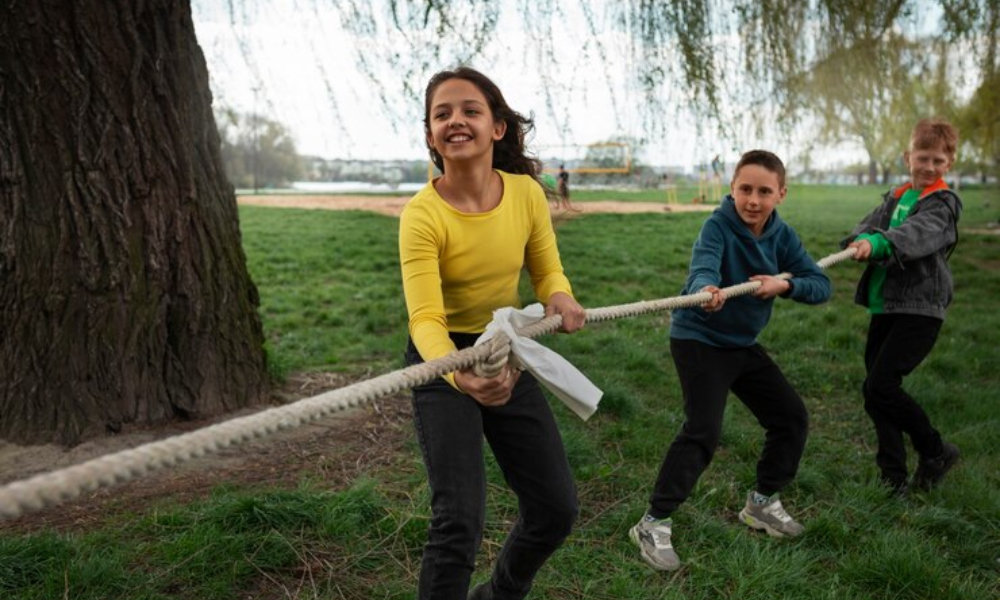
Beyond physical fitness, Physical Education plays a significant role in supporting students’ mental and emotional health. Some of the key benefits include:
- Stress relief: Physical activity promotes the release of endorphins, natural chemicals that help improve mood and reduce stress.
- Better concentration: Regular exercise sharpens focus, making it easier for students to succeed academically.
- Increased self‑esteem: Achieving fitness milestones and learning new skills builds confidence.
- Social bonding: Team activities foster friendships, reducing feelings of loneliness and isolation.
In a world where anxiety and depression are increasingly common among young people, the mental health support provided by Physical Education has never been more vital.
Cultivating Lifelong Healthy Habits
One of the most lasting contributions of Physical Education is how it teaches students to embrace healthy habits that last a lifetime. Through PE, students learn:
The value of daily physical activity and its impact on long‑term health.
How to make balanced lifestyle choices, including nutritious eating and proper sleep.
The skills of goal‑setting, discipline, and perseverance, which help in all areas of life.
By making physical activity enjoyable and accessible, Physical Education helps students develop habits that can protect them from diseases such as diabetes, hypertension, and heart disease well into adulthood.
Fostering Social Skills and Teamwork

Physical Education is also an essential tool for building social and interpersonal skills. In PE classes, students learn to:
- Collaborate and work together toward shared goals.
- Show respect to teammates and opponents alike.
- Develop leadership and communication skills.
- Embrace the principles of fair play and sportsmanship.
These lessons go beyond the sports field. They prepare students to navigate social situations in classrooms, workplaces, and communities—helping them grow into thoughtful, empathetic, and resilient individuals.
Adapting Physical Education for All Students
A modern, inclusive approach to Physical Education acknowledges that every student is unique. A well‑designed PE program:
Offers a variety of activities so students can find what they enjoy most.
Adapts exercises to support students with physical or learning disabilities.
Focuses on personal improvement and effort rather than only on winning.
Creates an environment where all students feel safe, supported, and encouraged.
This inclusivity ensures that everyone, regardless of background or ability, can experience the many benefits of Physical Education.
Integrating Physical Education into Modern Life
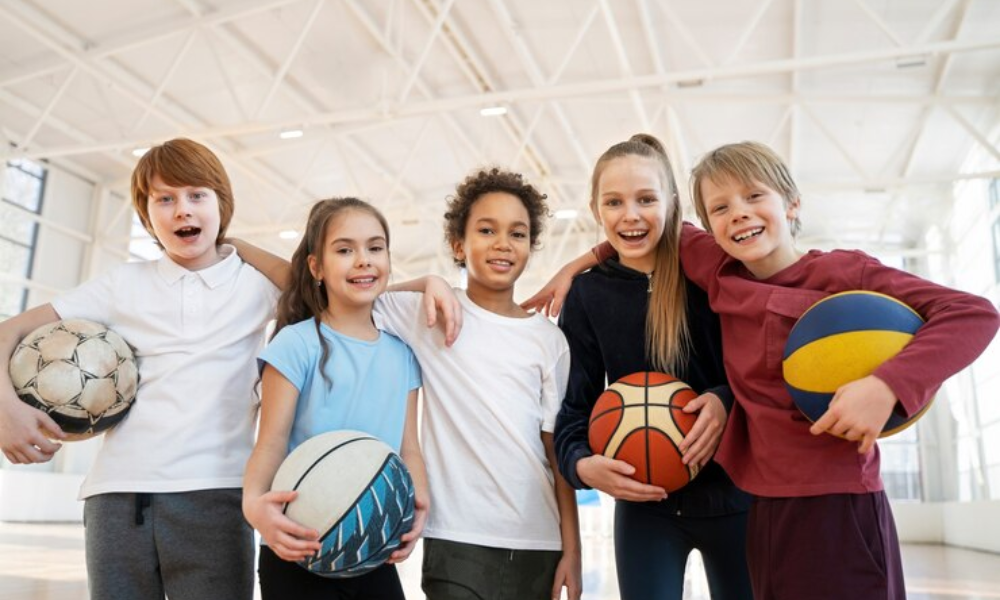
In an age dominated by screens and sedentary habits, integrating Physical Education into daily routines is more important than ever. Schools and educators can:
- Combine traditional sports with modern fitness trends, like dance workouts or mindfulness activities.
- Teach students how to balance screen time with physical activity.
- Engage families and communities to create active lifestyles beyond the classroom.
By making PE modern, fun, and relevant, educators help ensure it stays a meaningful part of students’ lives.
The Future of Physical Education: Beyond the Gym

As the world changes, so does Physical Education. Today’s PE programs are embracing innovation, including:
- Digital tools: Using apps and wearables to track progress and motivate students.
- Cross‑curricular projects: Integrating health and wellness topics into science, history, or social studies lessons.
- Outdoor learning: Taking advantage of parks and nature trails for physical activities.
- Mind‑body practices: Including yoga, relaxation, and mindfulness exercises alongside sports.
These trends show that PE is not just about physical strength—it’s about nurturing the whole person: body, mind, and spirit.
Conclusion: A Strong Case for Physical Education
In conclusion, Physical Education matters deeply because it offers so much more than exercise alone. It improves students’ health and fitness, supports mental and emotional well‑being, and helps them build habits for a healthier future.
At the same time, it teaches vital social skills, teamwork, and adaptability to life’s challenges. By investing in strong, inclusive, and modern PE programs, educators, parents, and communities can help create healthier, happier, and more capable generations.
Recognizing the lasting benefits of Physical Education ensures it remains a priority in Education worldwide, empowering every student to live an active, balanced, and fulfilling life.
FREQUENTLY ASKED QUESTIONS
Q1. What is the main goal of Physical Education?
Ans: The main goal of Physical Education is to develop students’ physical fitness, motor skills, knowledge about health and wellness, and social skills like teamwork, leadership, and self‑confidence.
Q2. Why is Physical Education important for students’ mental health?
Ans: Physical Education helps reduce stress by releasing endorphins, improves concentration in academic subjects, boosts self‑esteem by mastering new skills, and encourages social interaction to reduce loneliness.
Q3. Does Physical Education only focus on sports?
Ans: No. PE includes a wide range of activities beyond traditional sports, such as dance, yoga, strength training, and mindfulness practices to engage different interests and abilities.
Q4. How does Physical Education help build lifelong healthy habits?
Ans: Through regular participation, students learn the value of daily exercise, healthy eating, discipline, and goal‑setting, which often become part of their lifestyle as adults.
Q5. Can students who aren’t athletic still benefit from Physical Education?
Ans: Absolutely! PE classes are designed to be inclusive, offering varied activities so every student—regardless of skill level—can enjoy and benefit from movement.