Academic results matter. But they are only part of what schools exist to do.
A student who excels at mathematics but cannot manage frustration, resolve a conflict, or empathise with a struggling peer is not truly prepared for the world. This is precisely why social emotional learning (SEL) has become one of the most important educational frameworks of the past two decades — and why the world’s leading schools have integrated it into everything from classroom instruction to dormitory life.
For a residential school like Ecole Globale International Girls’ School, SEL is not a separate programme or a once-a-week activity. It is woven into the fabric of daily school life — from how teachers give feedback, to how students resolve disagreements, to how house parents support girls through difficult moments.
Social emotional learning is a process everyone should learn to combat the challenges of life daily. To benefit themselves, people should enhance skills that include handling themselves emotionally to interact or be socially active. And teachers play a vital role in delivering such types of learning. In boarding schools in Dehradun, teachers are also trained to enhance their skills to educate students using the latest invented technology.
This article explains what social emotional learning is, why the research behind it is so compelling, what the five core competencies look like in practice, and how a boarding school environment is uniquely positioned to deliver it.
What Is Social Emotional Learning (SEL)?
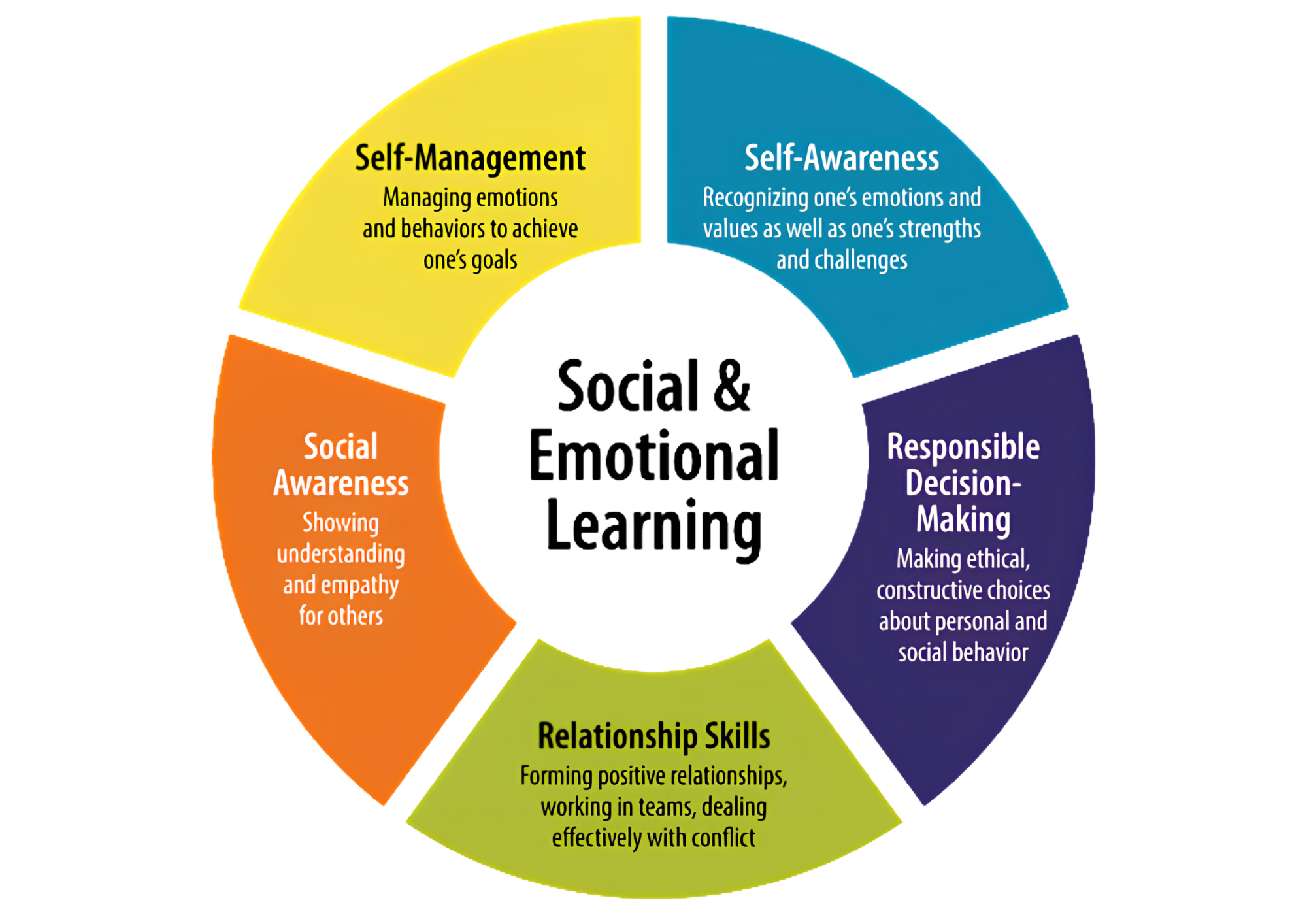 Social emotional learning (SEL) is the process through which students develop and apply the skills needed to manage emotions, build healthy relationships, make responsible decisions, and navigate social situations with empathy and confidence.
The concept was formalised and popularised by CASEL — the Collaborative for Academic, Social, and Emotional Learning — a research organisation that has spent over three decades defining, measuring, and advancing SEL in schools worldwide.
SEL is not about suppressing emotions or teaching children to be passive. It is about giving them a language for their inner life and the tools to act on it constructively — in the classroom, in relationships, and eventually in their careers and communities.
The key insight behind SEL is simple but profound: emotional and social skills are not innate fixed traits. They can be taught, practised, and strengthened — exactly like mathematics or language.
The 5 Core Competencies of SEL (CASEL Framework)
The most widely accepted framework for social emotional learning identifies five core competency areas. Understanding these is essential for parents evaluating whether a school genuinely delivers SEL — or simply talks about it.
1. Self-Awareness
Self-awareness is the ability to accurately recognise one’s own emotions, thoughts, strengths, and limitations — and to understand how they influence behaviour.
A self-aware student knows when she is becoming anxious before an exam and can name that feeling. She understands why certain situations frustrate her. She has an honest sense of her capabilities and where she needs to grow.
In practice at Ecole Globale: Reflective journaling, regular one-on-one conversations with house parents, and structured feedback from teachers all build self-awareness over time. Girls learn to see themselves clearly — neither too harshly nor through false confidence.
2. Self-Management
Self-management is the ability to regulate emotions, manage stress, set goals, and persist through challenges without being overwhelmed.
It is what allows a student to sit down and study even when she does not feel like it. To lose a match and recover with grace. To stay calm during an argument rather than escalating it.
In practice at Ecole Globale: The structured environment of boarding school life — consistent routines, supervised study hours, physical activity built into every day — builds self-management organically. Students learn by doing, every single day, for years.
3. Social Awareness
Social awareness is the capacity to empathise with others — to understand perspectives different from your own, to recognise social norms, and to show genuine care for people from diverse backgrounds.
A socially aware student notices when a classmate is struggling. She can step into someone else’s shoes without judgment. She understands that her lived experience is not universal.
In practice at Ecole Globale: Living with girls from across India and internationally creates natural, daily exercises in social awareness. Differences in culture, language, religion, and background are not just acknowledged — they are celebrated and explored.
4. Relationship Skills
Relationship skills encompass the ability to communicate clearly, listen actively, cooperate with others, resolve conflicts constructively, and maintain healthy, respectful relationships.
These are the skills that determine how effective someone will be as a colleague, a friend, a partner, and a leader.
In practice at Ecole Globale: Group projects, team sports, leadership programmes, student council, and the unavoidable closeness of residential life all develop relationship skills continuously. Girls cannot avoid learning to live alongside people who are different from them — and that is one of the most valuable things a school can offer.
5. Responsible Decision-Making
Responsible decision-making is the ability to make constructive, ethical choices — about personal behaviour and social interactions — by considering consequences, weighing options, and reflecting on values.
A student with strong decision-making skills does not simply follow rules. She understands why the rules exist and makes thoughtful choices even when no one is watching.
In practice at Ecole Globale: Leadership programmes, community service initiatives, and the school’s values-based culture consistently put students in situations where they must exercise judgment. The boarding school environment — where students bear real responsibility for their behaviour 24 hours a day — accelerates this development far beyond what a day school can achieve.
Why Social Emotional Learning Matters: What the Research Shows
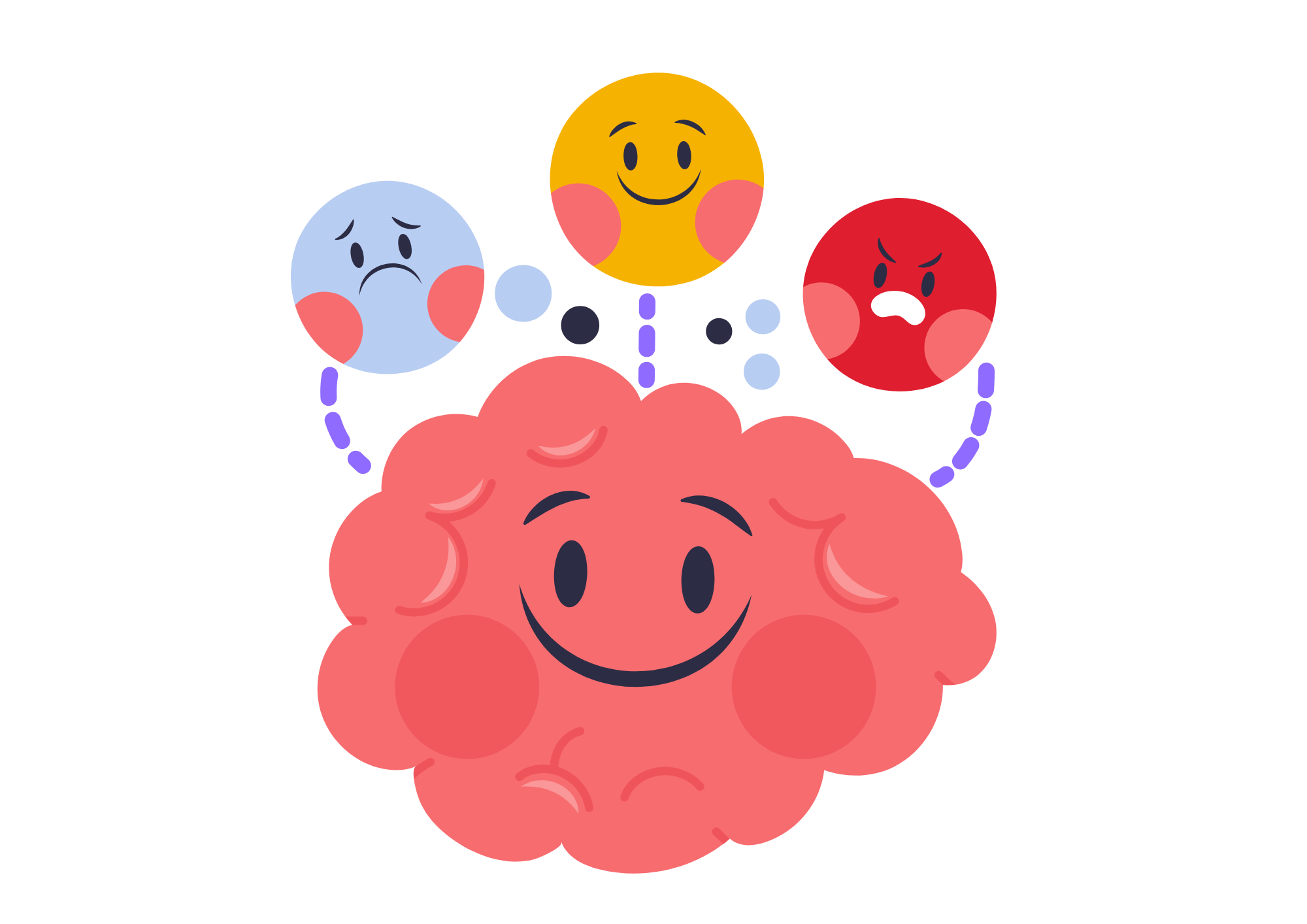
SEL is not a trend or a buzzword. It is one of the most thoroughly researched educational interventions in existence.
A landmark meta-analysis by CASEL, examining over 270,000 students across 213 school programmes, found that students who received quality SEL instruction showed:
- An 11-percentile-point gain in academic achievement compared to control groups
- Significantly improved social and emotional skills
- A 10% decrease in conduct problems and emotional distress
- A 10% increase in positive social behaviours
More recently, research has consistently shown that SEL skills — particularly self-regulation and social awareness — are among the strongest predictors of long-term life outcomes: employment, income, mental health, and relationship quality.
For Indian students specifically, who face enormous academic pressure from an early age, SEL provides a crucial counterbalance. It gives students the resilience to handle that pressure without breaking, and the interpersonal skills to thrive in collaborative workplaces and communities.
Social Emotional Learning in Schools: What It Actually Looks Like
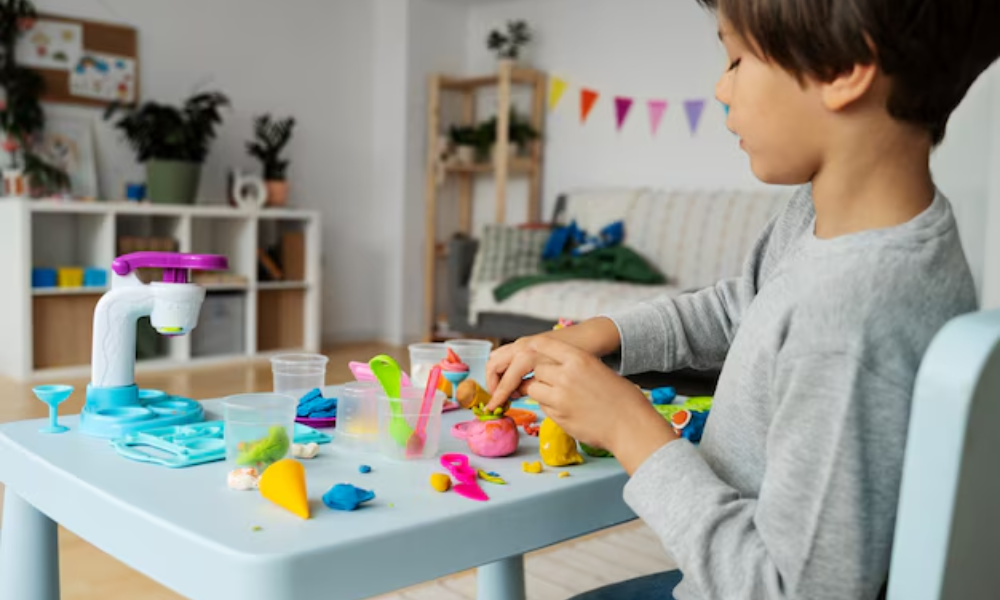
SEL is most effective when it is integrated across the school day — not confined to a single weekly session. Here is what comprehensive SEL delivery looks like in practice:
In the classroom, teachers model emotional regulation in how they respond to mistakes and conflict. They create space for students to reflect and express themselves. Academic subjects become vehicles for SEL — literature that explores complex human emotions, history that requires empathy across cultures, group projects that demand collaboration.
In Extracurricular Activities, Sport is one of the most powerful SEL tools available. Winning, losing, pushing through physical difficulty, supporting teammates — all of these build self-management, resilience, and relationship skills in ways that are experiential and deeply memorable.
In Dormitory Life, for residential students, dormitory life is a continuous SEL experience. Navigating shared spaces, resolving small daily conflicts, supporting a homesick roommate, managing frustration in close quarters — these moments, handled with guidance from trained house parents, are some of the richest character-building experiences a young person can have.
In Mentoring and Counselling, trained counsellors who students can approach freely, and teachers who see themselves as mentors rather than just subject specialists, create the relational foundation that makes all other SEL learning stick.
At Ecole Globale, all four of these channels are active. SEL is not a programme the school runs — it is how the school operates.
SEL and Girls’ Education: A Particularly Important Connection
Research consistently shows that girls face specific social and emotional challenges during adolescence: heightened social anxiety, greater susceptibility to comparison and self-criticism, and the particular pressures of navigating peer relationships in a world that often sends contradictory messages about who they should be.
A girls’ school that takes SEL seriously is therefore not simply offering an educational benefit — it is actively protecting mental health and building the kind of inner resilience that allows young women to navigate a complex world with clarity and confidence.
Ecole Globale’s all-girls environment creates a space where students are free to lead, to fail, to speak up, and to define their own identities without the social dynamics that can constrain them in co-educational settings. This is SEL in action at the structural level.
How Ecole Globale Integrates Social Emotional Learning
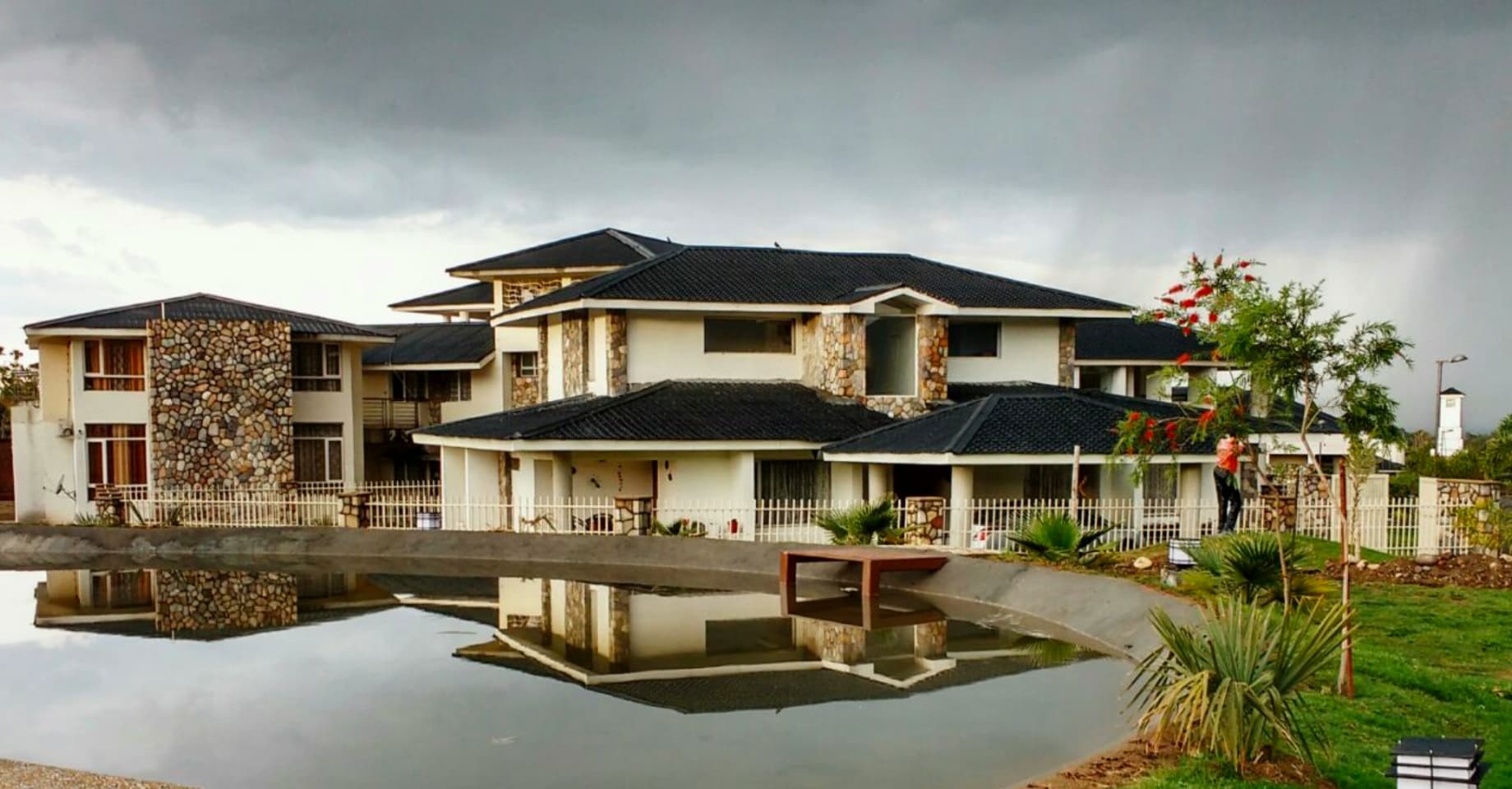
Ecole Globale’s approach to SEL reflects its founding philosophy: that education must develop the whole person, not just the academic achiever.
Specific practices include:
- Dedicated pastoral care through house parents who build genuine, sustained relationships with students in their care
- Counsellor availability on campus, with regular group and individual sessions
- Leadership development programmes that place students in real decision-making roles
- Community service integrated into school life, developing empathy and social responsibility
- A school culture built on mutual respect, honest feedback, and high expectations — the daily environment in which SEL competencies are practised and reinforced
- Structured reflection as part of academic and extracurricular programmes
The result is students who graduate not only with strong CBSE results but with an emotional intelligence and social capability that sets them apart in university and in life.
Learn more about student life at Ecole Globale
Conclusion: SEL Is Not Separate From Academic Excellence — It Enables It
There is a persistent misconception that schools must choose between academic rigour and social-emotional development. The evidence says otherwise.
Students who can regulate their emotions study more effectively. Students who can collaborate build better projects. Students who understand themselves make better decisions about their futures. Students who can empathise become better leaders.
Social emotional learning is not in competition with academic excellence. It is its foundation.
For parents choosing a school that invests in both, Ecole Globale represents what is possible when a school takes the whole student seriously.
Explore admissions at Ecole Globale →
Frequently Asked Questions: Social Emotional Learning
Q1. What is social emotional learning (SEL)?
Ans: Social emotional learning (SEL) is the educational process through which students develop skills in self-awareness, self-management, social awareness, relationship skills, and responsible decision-making. These five competencies, defined by CASEL, help students manage emotions, build healthy relationships, and make ethical decisions.
Q2. Why is social emotional learning important in schools?
Ans: Research shows that students who receive quality SEL instruction perform better academically, show fewer behavioural problems, develop greater empathy, and are more resilient. SEL skills also predict long-term outcomes including career success, mental health, and relationship quality.
Q3. What are the 5 components of social emotional learning?
Ans: According to the CASEL framework, the five core SEL competencies are: (1) Self-Awareness, (2) Self-Management, (3) Social Awareness, (4) Relationship Skills, and (5) Responsible Decision-Making.
Q4. How is SEL taught in schools?
Ans: Effective SEL is not a standalone subject — it is integrated across classroom instruction, extracurricular activities, mentoring, and school culture. In residential schools, dormitory life provides a particularly rich environment for SEL development.
Q5. Is social emotional learning effective?
Ans: Yes. A CASEL meta-analysis of 213 programmes involving over 270,000 students found an 11-percentile-point gain in academic achievement and significant improvements in social behaviour and emotional well-being among students who received SEL instruction.
Q6. How does a boarding school support social emotional learning?
Ans: Boarding schools provide a 24-hour environment where SEL is practised continuously — through shared living, team sports, leadership opportunities, and sustained mentoring relationships with house parents and counsellors. This immersive context accelerates SEL development more effectively than a day school can.
Ecole Globale International Girls’ School | Village Horawalla, Near Sahaspur, Dehradun – 248197, Uttarakhand, India | www.ecoleglobale.com | +91-9557291888


good information provided
Everyday practicing and Learning thing it is. ??
good insight
Social emotional learning is a day to day life…thing …..please post some more ……like to read some …more of same