

Education has long been recognized as one of the most powerful tools for social and economic progress. When girls receive access to quality education, the benefits extend far beyond the classroom. They gain knowledge, confidence, independence, and the skills needed to contribute meaningfully to society. This is why Girls’ Education and Empowerment has become a global priority for educators, policymakers, and communities.
Today, Girls’ Education and Empowerment is not simply about ensuring school enrollment. It is about creating opportunities that help girls develop leadership abilities, critical thinking skills, and the confidence to pursue their ambitions. Educated girls grow into empowered women who can shape families, communities, and nations.
Girls’ Education and Empowerment: A Quick Overview

Girls’ Education and Empowerment refers to providing girls with equal access to quality learning opportunities while equipping them with the knowledge, skills, and confidence needed to make informed decisions about their lives and futures. Education empowers girls to achieve academic success, pursue careers, become leaders, and contribute to social development.
Why Girls’ Education and Empowerment Matters
The importance of Girls’ Education and Empowerment cannot be overstated. Education provides girls with the tools they need to break barriers, challenge stereotypes, and unlock their full potential.
When girls are educated, they are more likely to:
- Build successful careers
- Make informed life choices
- Support healthier families
- Contribute to economic growth
- Participate in leadership roles
- Advocate for equality and social progress
As a result, investing in Girls’ Education and Empowerment benefits not only individual students but also society as a whole.
The Connection Between Education and Empowerment

Education and empowerment are deeply connected. Through learning, girls gain knowledge, confidence, and independence.
Building Self-Confidence
One of the most significant outcomes of Girls’ Education and Empowerment is increased self-confidence. Education helps girls recognize their strengths, express their opinions, and believe in their abilities.
Encouraging Independent Thinking
Quality education teaches girls how to analyze information, solve problems, and make informed decisions. These skills are essential for personal growth and leadership.
Creating Future Leaders
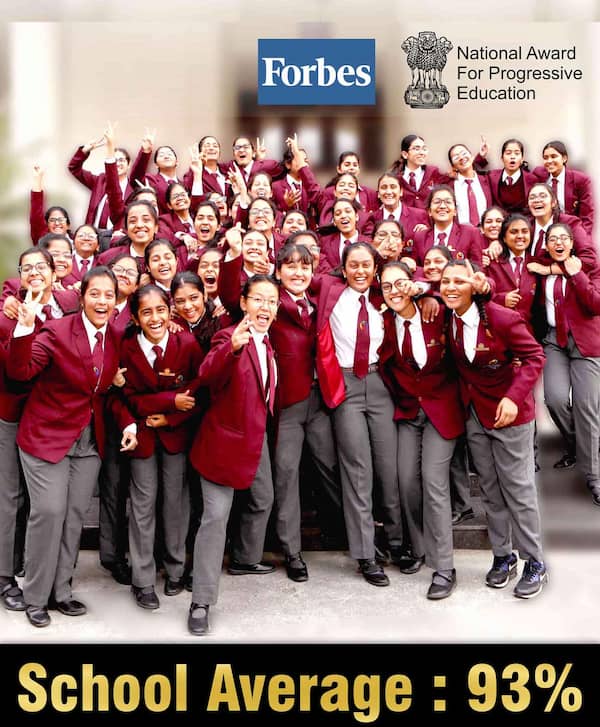
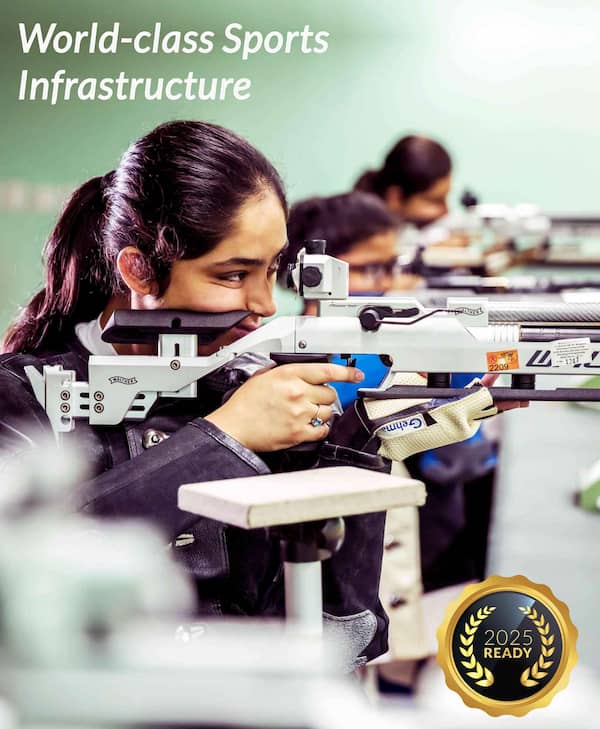
Schools play a vital role in nurturing leadership qualities. Through academics, sports, cultural activities, and community engagement, Girls’ Education and Empowerment helps students develop the confidence to lead and inspire others.
Academic Benefits of Girls’ Education and Empowerment

Education creates opportunities for lifelong learning and achievement.
Improved Learning Outcomes
Students who learn in supportive environments often demonstrate stronger academic performance and greater engagement in classroom activities.
Access to Diverse Opportunities
Through Girls’ Education and Empowerment, students gain access to higher education, scholarships, global learning experiences, and professional careers.
Enhanced Critical Thinking Skills
Modern education encourages inquiry, creativity, and innovation, helping girls become confident problem-solvers in an ever-changing world.
Social Benefits of Girls’ Education and Empowerment
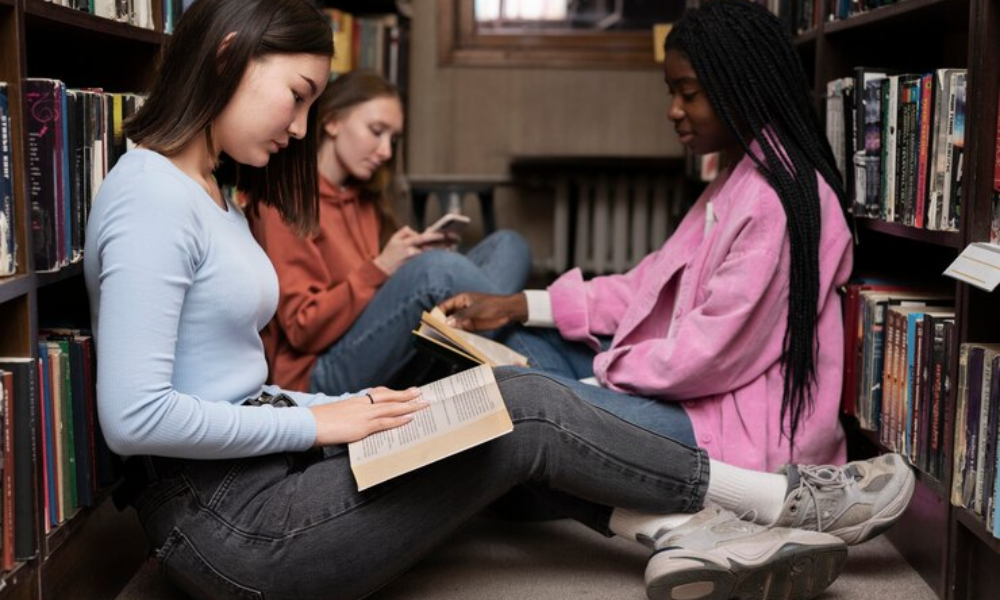
The impact of Girls’ Education and Empowerment extends far beyond academic success.
Promoting Gender Equality
Education helps challenge outdated stereotypes and creates opportunities for equal participation in society.
Strengthening Communities
Educated women often contribute positively to their communities through leadership, social initiatives, and civic engagement.
Inspiring Future Generations
Girls who receive quality education become role models for younger generations, creating a positive cycle of learning and empowerment.
The Role of Schools in Girls’ Education and Empowerment

Educational institutions play a crucial role in advancing Girls’ Education and Empowerment by creating environments where students can thrive academically, emotionally, and socially.
Effective schools focus on:
- Academic excellence
- Leadership development
- Character building
- Emotional well-being
- Global exposure
- Life skills education
These elements help girls develop into confident and capable individuals ready to face future challenges.
Leadership Development Through Education
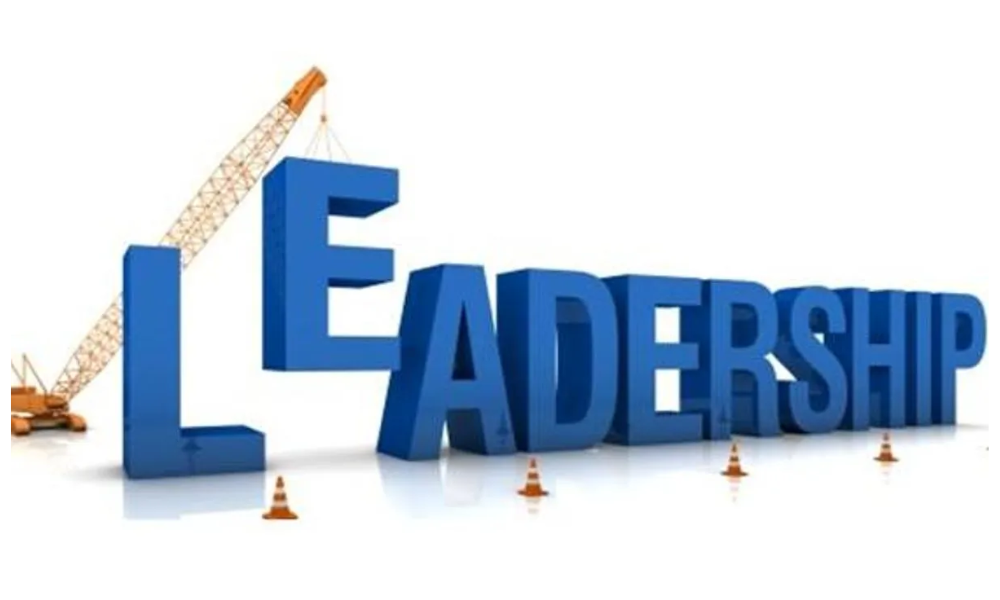
Leadership is a key component of Girls’ Education and Empowerment. Schools that encourage participation in student councils, public speaking, sports, and community service provide valuable opportunities for leadership growth.
Leadership experiences help girls:
- Build confidence
- Improve communication skills
- Develop decision-making abilities
- Learn teamwork and collaboration
- Take initiative in solving problems
These qualities are essential for success in higher education and professional careers.
How Modern Schools Support Girls’ Education and Empowerment

Many educational institutions are actively promoting Girls’ Education and Empowerment through innovative learning approaches and student-centered programs.
Among the leading Boarding Schools in India, several institutions focus on holistic development, helping students balance academic excellence with personal growth.
Similarly, many International Schools in India provide global curricula, leadership opportunities, and exposure to diverse perspectives that prepare students for future success.
The city of Dehradun has earned recognition for its educational excellence, with numerous Boarding Schools in Dehradun known for nurturing confident and independent learners.
Several International Boarding Schools in Dehradun combine world-class academics with character development programs that encourage leadership and self-discovery.
Across the country, International Boarding Schools in India continue to create learning environments that support academic achievement, global citizenship, and personal empowerment.
Challenges That Still Need Attention
Despite significant progress, challenges remain in achieving universal Girls’ Education and Empowerment.
These challenges may include:
- Limited access to quality education in some regions
- Economic barriers
- Social and cultural stereotypes
- Unequal opportunities
- Safety and infrastructure concerns
Addressing these challenges requires collaboration among governments, schools, communities, and families.
The Future of Girls’ Education and Empowerment
The future of Girls’ Education and Empowerment is closely tied to innovation, inclusivity, and equal opportunity. As educational systems continue to evolve, greater emphasis is being placed on leadership, technology, critical thinking, and global awareness.
By ensuring that girls have access to supportive learning environments, society can create future generations of leaders, innovators, educators, entrepreneurs, and changemakers.
Conclusion
Girls’ Education and Empowerment is one of the most effective ways to create lasting social and economic progress. Education provides girls with the knowledge, confidence, and opportunities needed to reach their full potential.
When schools, families, and communities work together to support Girls’ Education and Empowerment, they help create a future where every girl has the chance to learn, lead, and succeed. Investing in girls’ education is not only an investment in individual success but also an investment in stronger communities and a better world.
Frequently Asked Questions
Q1. Why is Girls’ Education and Empowerment important?
Ans: Girls’ Education and Empowerment helps young women gain knowledge, confidence, leadership skills, and opportunities for personal and professional growth.
Q2. How does education empower girls?
Ans: Education empowers girls by improving critical thinking, decision-making, communication skills, and access to career opportunities.
Q3. What role do schools play in Girls’ Education and Empowerment?
Ans: Schools provide academic knowledge, leadership opportunities, life skills, and supportive environments that encourage girls to achieve their potential.
Q4. How does Girls’ Education and Empowerment benefit society?
Ans: Educated and empowered girls contribute to stronger economies, healthier families, greater gender equality, and more resilient communities.
Q5. What can be done to improve Girls’ Education and Empowerment?
Ans: Improving access to quality education, promoting gender equality, supporting leadership development, and removing social barriers can strengthen Girls’ Education and Empowerment worldwide.