




In a world shaped by technological transformation, the education sector is undergoing a profound shift.
At the heart of this transformation lies the evolution of learning spaces—moving from traditional chalkboards to dynamic smart classrooms.
These tech-enabled environments are redefining how educators teach and how students learn, making education more engaging, interactive, and future-ready.
The Traditional Classroom: A Glimpse into the Past
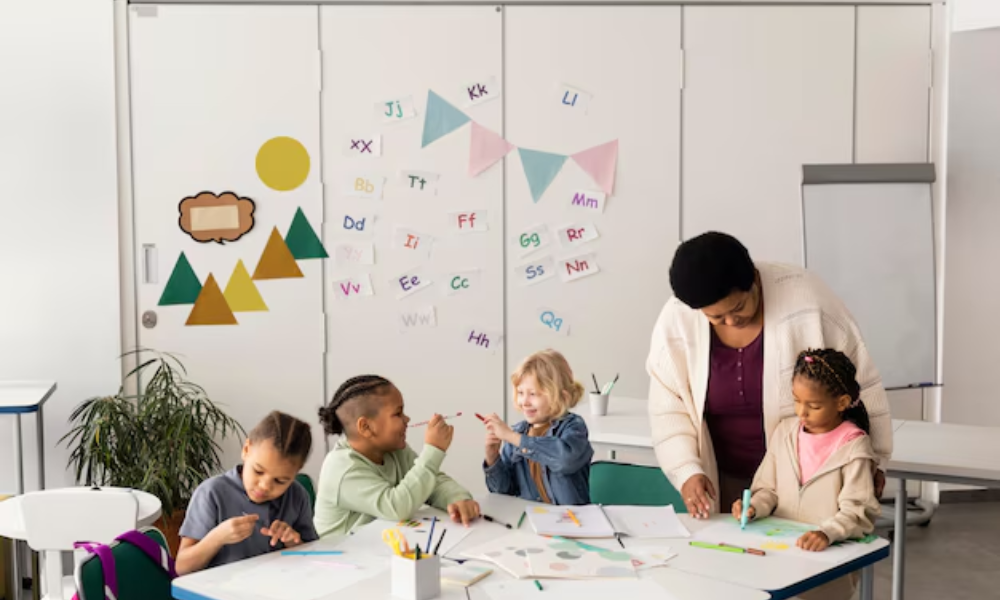
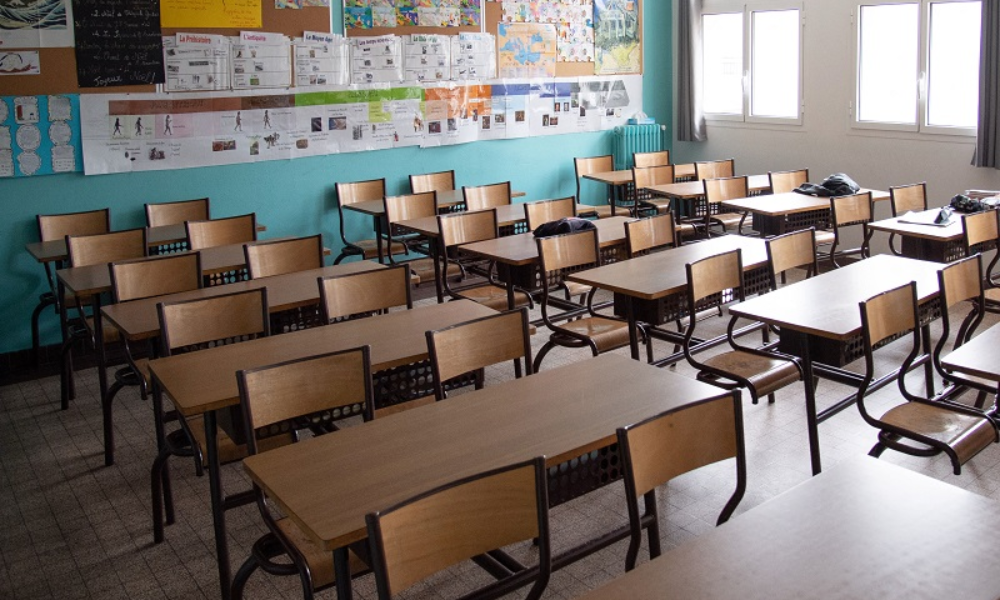
For decades, classrooms followed a one-size-fits-all model. A blackboard or whiteboard, rows of desks, and a teacher delivering lectures were the norm.
While this system produced generations of learners, it often lacked personalization and failed to adapt to diverse learning needs. Visual, auditory, and kinesthetic learners struggled in uniform setups that didn’t accommodate individual learning styles.
The limitations of traditional teaching—passive listening, limited engagement, and rote memorization—eventually paved the way for innovation in educational infrastructure and methodology.
What Are Smart Classrooms?

Smart classrooms are modern educational environments enhanced by technology to improve teaching outcomes and student engagement. These classrooms integrate tools such as:
Interactive whiteboards
High-speed internet
Tablets or laptops
Digital projectors
Audio-visual aids
Learning management systems (LMS)
Real-time assessment software
Smart classrooms encourage interactive learning, enabling students to grasp complex concepts through multimedia, simulations, animations, and collaborative platforms.
Key Features of Smart Classrooms
1. Interactive Learning Tools
The use interactive boards that allow teachers and students to write, draw, and manipulate images digitally. These tools facilitate better visualization of abstract concepts—especially in subjects like science and math.
2. Real-Time Assessment
With digital quizzes and performance-tracking software, teachers can assess student understanding instantly. This helps in modifying instruction on the go and supporting learners who may be falling behind.
3. Multimedia Content
It allow the use of videos, graphics, 3D models, and virtual labs. These resources make learning more dynamic and immersive, leading to better retention of information.
4. Seamless Connectivity
The integration of the internet enables access to global educational resources. From live expert sessions to open-source learning platforms, students in smart classrooms can explore beyond textbooks.
5. Cloud Storage and Data Access
Students and teachers can store assignments, notes, and presentations on cloud platforms. This ensures learning continuity even when outside the classroom, and makes information accessible anytime, anywhere.
How Smart Classrooms Improve Learning Outcomes

The transition to smart classrooms is more than a technological upgrade—it’s a pedagogical revolution. Here’s how they contribute to better academic performance:
Personalized Learning
Each student learns at a different pace. Smart classrooms allow for differentiated instruction, where students can review recorded lessons, access additional resources, or engage in self-paced learning modules.
Enhanced Engagement
The use of interactive tools, gamified lessons, and visual aids makes learning enjoyable. When students are actively involved, they are more likely to absorb and retain information.
Skill Development
This equip students with 21st-century skills such as critical thinking, digital literacy, collaboration, and adaptability. These competencies are essential for future academic and career success.
Inclusive Education
Technology bridges gaps for students with special needs by offering assistive tools like speech-to-text software, screen readers, and customizable content delivery.
The Role of Teachers in Smart Classrooms

Contrary to the misconception that technology might replace educators, it actually amplify the teacher’s role. Teachers become facilitators, mentors, and content curators rather than mere lecturers.
They use analytics to understand learning patterns, tailor their teaching styles, and provide one-on-one support. The classroom becomes a collaborative space where learning is shared, discussed, and explored.
Challenges in Implementing Smart Classrooms

Despite their advantages, the adoption of smart classrooms isn’t without hurdles:
High initial cost: Setting up smart classrooms involves infrastructure investment, which may not be feasible for all institutions.
Digital divide: Students in rural or underprivileged areas may lack access to smart devices or stable internet.
Training gap: Teachers must be trained to use digital tools effectively; otherwise, the full potential of smart classrooms remains untapped.
Maintenance: Regular updates, cybersecurity, and technical support are essential to keep the system running smoothly.
The Future of Smart Classrooms
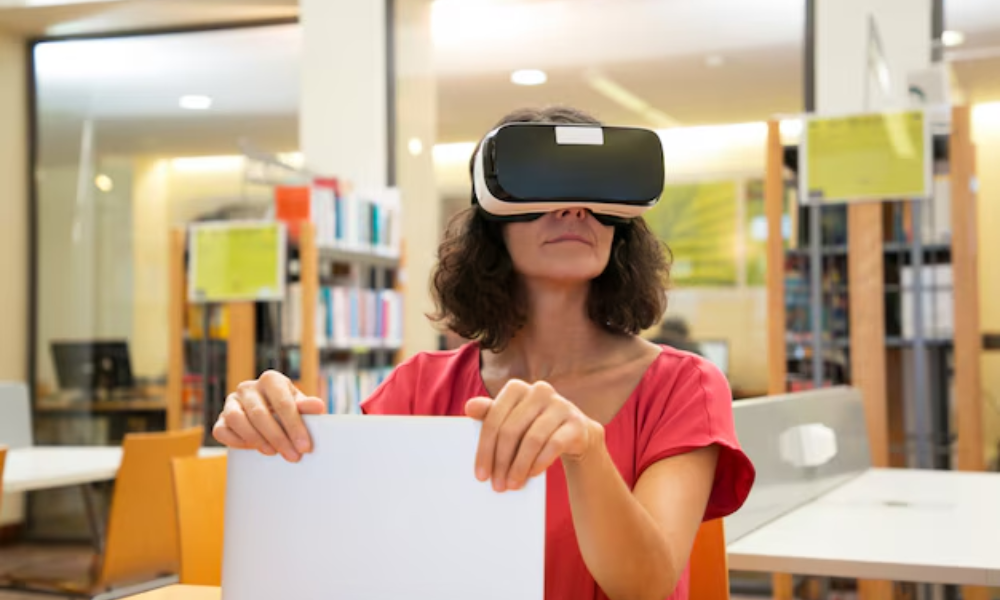
As Artificial Intelligence (AI), Augmented Reality (AR), and Virtual Reality (VR) become more mainstream, smart classrooms will continue to evolve. Imagine students dissecting a virtual frog in a biology class or taking a VR tour of the solar system in real time.
Moreover, data analytics will play a crucial role in predicting student behavior, optimizing lesson plans, and ensuring no learner is left behind. They are expected to become more intuitive, adaptive, and accessible in the years ahead.
India’s Push Toward Smart Classrooms

In India, both private and public sectors are making strides toward digitizing classrooms. Government initiatives like Digital India and PM eVIDYA are promoting the use of smart classrooms in government schools and rural areas. Ed-tech platforms are also partnering with schools to provide content, tools, and training to teachers and students.
With increasing digital penetration and affordability of tech tools, the vision in every corner of the country is becoming a reality.
Conclusion
The journey from chalkboards to smart classrooms signifies more than just technological evolution—it represents a paradigm shift in education itself. Smart classrooms are not merely a trend but a necessity in preparing students for a future driven by knowledge, innovation, and adaptability.
As schools, teachers, parents, and policymakers continue to invest in smart education, one thing becomes clear: the classroom of the future is already here—and it’s transforming lives, one click at a time.