




Education is no longer limited to chalkboards, textbooks, and one-way lectures. In today’s dynamic world, teachers need to adapt and engage students in new ways.
The demand for innovative techniques in teaching has grown as learners expect interactive, personalized, and technology-driven methods that make learning enjoyable and effective.
This article explores some of the most impactful strategies educators can adopt to enhance student engagement, improve outcomes, and prepare learners for the challenges of the modern world.
Why Innovative Techniques in Teaching Are Important

Traditional teaching methods, while effective in the past, often fail to keep pace with today’s learners. Students are surrounded by technology, visuals, and instant access to information. Innovative teaching methods bridge this gap by:
Encouraging active participation rather than passive listening.
Making lessons interactive, creative, and memorable.
Catering to diverse learning styles—visual, auditory, and kinesthetic.
Building critical thinking, collaboration, and problem-solving skills.
Ultimately, innovative techniques in teaching help create classrooms that are not only educational but also inspiring.
1. Flipped Classroom Approach

The flipped classroom model reverses the traditional method system. Instead of learning in class and practicing at home, students watch video lectures or read content at home, and classroom time is dedicated to discussions, problem-solving, and activities.
Benefits:
Encourages independent learning.
Allows teachers to focus on individual student needs.
Promotes deeper classroom interaction.
2. Gamification in Learning

Gamification introduces elements of games—points, rewards, leaderboards—into the learning process. This transforms lessons into interactive challenges that motivate students.
Example: Turning math exercises into a quiz competition or awarding digital badges for completed assignments.
Why it works: Gamification taps into students’ natural competitiveness and curiosity, making learning fun and engaging.
3. Project-Based Learning (PBL)

Instead of rote learning, students explore real-world problems through projects. For instance, a science class might design a model for clean energy, or a history class might recreate events through a short film.
Benefits:
Builds teamwork and communication skills.
Encourages critical thinking and creativity.
Makes learning more meaningful and practical.
4. Use of Technology and Digital Tools

Technology is at the heart of innovative techniques in teaching. Smartboards, learning apps, virtual labs, and AI-based platforms create interactive lessons that capture student attention.
Examples:
Virtual Reality (VR) tours for history or geography.
Online simulations for science experiments.
Collaborative tools like Google Classroom for assignments.
5. Experiential Learning
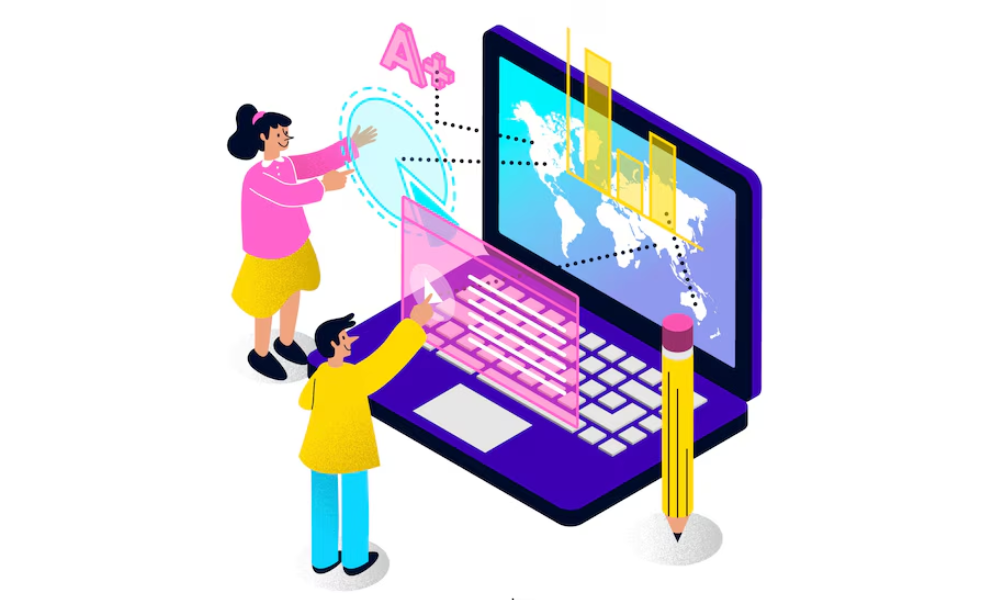
Experiential learning emphasizes “learning by doing.” Students participate in hands-on activities like role plays, field visits, and real-life simulations.
Why it works: Practical experiences deepen understanding and make lessons unforgettable.
6. Collaborative Learning
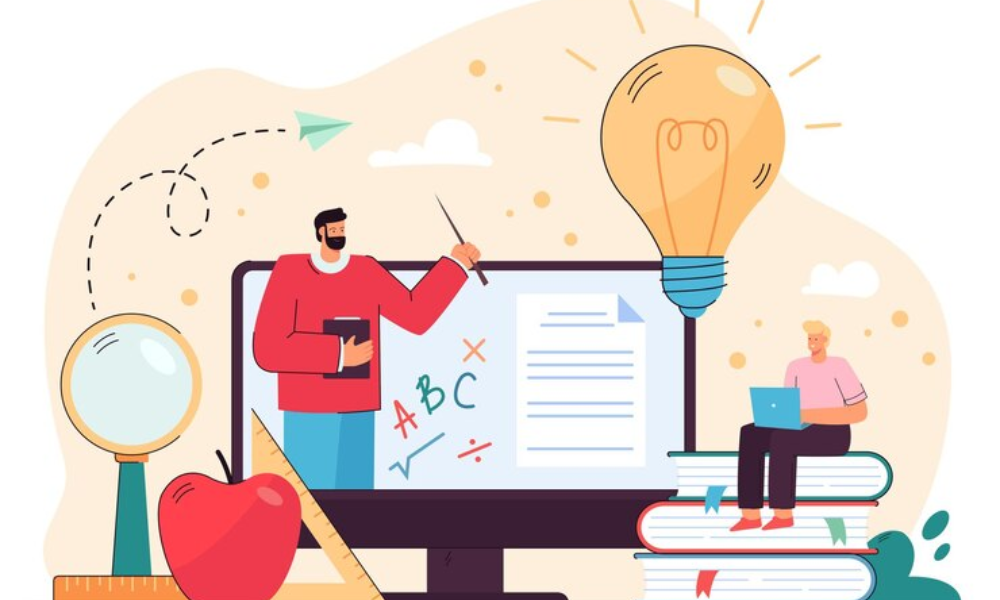
Team-based activities, group discussions, and peer-to-peer teaching foster collaboration. Students learn from each other, share perspectives, and develop social skills alongside academic knowledge.
Benefits:
Enhances communication.
Builds empathy and teamwork.
Prepares students for collaborative work environments.
7. Storytelling as a Teaching Tool

Storytelling is a powerful way to make lessons relatable. Teachers who weave stories into their lessons create emotional connections, helping students remember concepts better.
Example: Teaching moral values through real-life stories or history through narrative accounts of individuals.
8. Personalized Learning

Every student learns differently. Personalized learning uses data and feedback to adapt lessons to individual strengths and weaknesses. Technology tools make this easier, allowing teachers to provide customized assignments and assessments.
9. Mind Mapping and Visual Tools

Visual learning aids like mind maps, charts, and infographics help students organize ideas and understand concepts better. This method caters especially to visual learners and enhances creativity.
10. Inquiry-Based Learning

Rather than feeding answers, teachers encourage students to ask questions and explore solutions. This approach nurtures curiosity, critical thinking, and independent problem-solving skills.
The Future of Innovative Teaching
As classrooms evolve, teachers will increasingly blend traditional methods with modern innovations. Technology, creativity, and student-centered learning will continue to dominate the education landscape.
Schools that embrace innovative techniques in teaching will not only improve academic performance but also prepare students for a fast-changing world.
FREQUENTLY ASKED QUESTIONS
Q1: Why are innovative techniques in teaching important?
Ans: They make learning engaging, interactive, and effective, helping students develop critical life skills beyond academics.
Q2: Can innovative teaching work in traditional classrooms?
Ans: Yes, even without high-tech tools, teachers can use storytelling, group discussions, and project-based learning effectively.
Q3: What role does technology play in innovative teaching?
Ans: Technology makes learning interactive through apps, simulations, and smart tools, giving students hands-on experiences.
Q4: Are innovative techniques suitable for all students?
Ans: Yes, because they address different learning styles and needs, ensuring every student benefits.
Q5: How can teachers start using innovative methods?
Ans: Start small with activities like storytelling or flipped lessons, then gradually integrate technology and project-based tasks.