




The environment is the foundation of life on Earth, providing air, water, food, and resources essential for survival. Understanding its importance of environment is vital for maintaining balance and securing our future. Schools, especially top schools in Dehradun, help students learn environmental responsibility through awareness and daily eco-friendly practices.
However, rising pollution, deforestation, and industrial growth have made environmental protection an urgent global concern.
What Is the Environment?
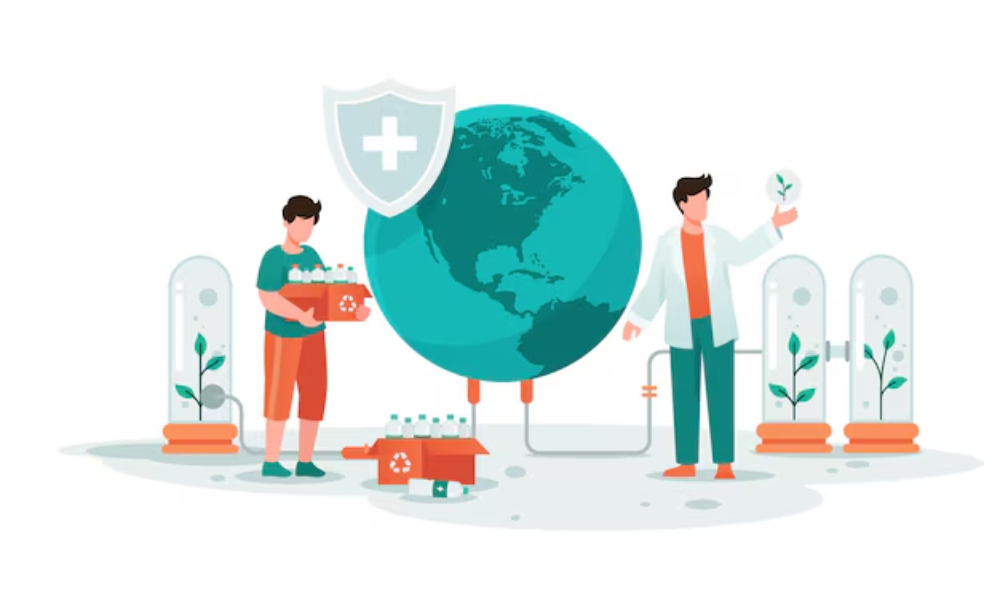
The environment includes all living and non-living elements that exist naturally around us — air, water, soil, plants, animals, and ecosystems. It also involves the climate, weather, and human-made surroundings that influence life.
In simple terms, the environment is everything that surrounds us and enables life to exist.
Why the Environment Is Important

1. Provides the Essentials for Life
The environment supplies us with everything we need:
Oxygen from trees and plants
Water from rivers, lakes, and rain
Food from soil, crops, and animals
Shelter and resources from forests and minerals
Without a healthy environment, life as we know it would not survive.
2. Maintains Ecological Balance
The natural world functions like a well-designed system. Every species — from the tiniest insect to the largest mammal — plays a role in maintaining balance. Forests purify the air, oceans regulate the climate, and soil supports agriculture.
When this balance is disturbed through deforestation, overfishing, or pollution, the entire system collapses — leading to climate change and biodiversity loss.
3. Supports Biodiversity
Biodiversity — the variety of life forms — depends on a stable environment. Each organism contributes to the ecosystem’s health. For example:
Bees help in pollination, ensuring crop growth.
Forests house millions of species that maintain the food chain.
Wetlands filter water and prevent floods.
Preserving biodiversity is one of the most vital aspects of understanding the importance of environment.
4. Regulates Climate
Importance of environment like Forests, oceans, and polar ice caps all regulate Earth’s temperature. Trees absorb carbon dioxide and release oxygen, reducing greenhouse gases. However, excessive deforestation and pollution disrupt these natural processes, leading to global warming and extreme weather patterns.
Protecting the environment helps combat climate change, one of the biggest threats to future generations.
5. Ensures Economic Sustainability
Our economies rely heavily on the environment — agriculture, tourism, fishing, and forestry all depend on natural resources. Sustainable environmental practices like renewable energy, organic farming, and recycling ensure that we meet today’s needs without compromising tomorrow’s.
6. Improves Health and Well-being
A clean environment leads to a healthy society. Polluted air, contaminated water, and poor sanitation cause millions of illnesses every year. Protecting the environment means reducing diseases, improving quality of life, and ensuring long-term health for humans and animals alike.
Human Impact on the Environment

While we depend on nature for survival, human activities often harm it. Major causes of environmental degradation include:
Deforestation for agriculture and urban development
Air and water pollution from industries and vehicles
Plastic waste harming oceans and marine life
Overexploitation of natural resources
Climate change due to excessive greenhouse gas emissions
Recognizing these problems is the first step toward finding sustainable solutions.
Ways to Protect the Environment

Importance of environment helps in protecting our planet doesn’t require massive efforts — small, consistent steps can make a big difference.
1. Reduce, Reuse, Recycle
Minimize waste by reusing materials and recycling items instead of throwing them away.
2. Plant More Trees
Trees absorb carbon dioxide, release oxygen, and support wildlife habitats.
3. Save Water and Energy
Turn off lights, use energy-efficient appliances, and conserve water whenever possible.
4. Avoid Plastic
Use cloth or jute bags instead of single-use plastics that pollute oceans and soil.
5. Choose Sustainable Transport
Walk, cycle, or use public transport to reduce carbon emissions.
6. Spread Awareness
Educate others about the importance of environment through community programs, social media, and eco-clubs.
Role of Education and Youth
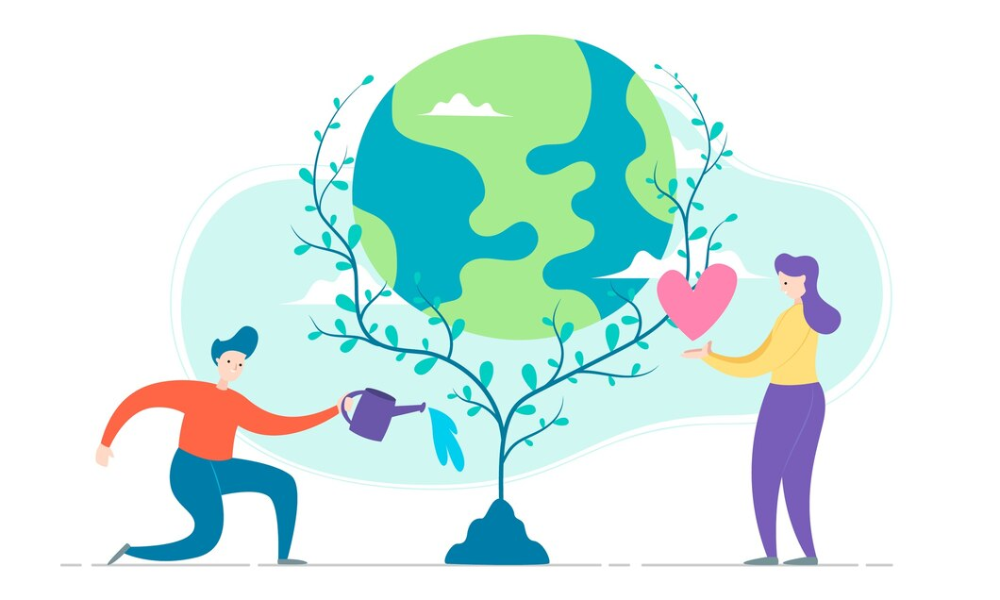
Students and young people play a key role in protecting the environment. Importance of environment in schools that promote eco-friendly habits — such as recycling drives, tree plantations, and awareness campaigns — build responsible citizens for the future.
Education must focus on environmental literacy so that children understand how daily choices affect the planet.
Global Initiatives for Environmental Protection

🌿 1. The Paris Agreement
An international treaty that aims to limit global warming to below 2°C by reducing carbon emissions.
🌿 2. World Environment Day
Celebrated on June 5 each year to raise awareness about environmental protection.
🌿 3. United Nations Sustainable Development Goals (SDGs)
Goals 13, 14, and 15 focus specifically on climate action, conserving oceans, and protecting ecosystems.
These initiatives highlight how global collaboration is crucial in preserving the environment.
Conclusion
The importance of environment cannot be overstated — it supports our health, learning, and future. For students, a clean and green environment creates a positive space to study, grow, and stay motivated. Schools, including Boarding schools in Dehradun, play a vital role in teaching students the value of nature through daily habits, outdoor learning, and environmental activities.
When students make small, mindful choices — like saving water, reducing plastic use, and planting trees — they actively contribute to protecting the planet. These simple actions help build responsibility and ensure a safer, greener Earth for future generations.
As the saying goes:
“The Earth does not belong to us; we belong to the Earth.”
FAQs on the Importance of Environment
Q1. Why is the environment important for humans?
Ans: The environment provides essential resources like air, water, food, and shelter, making it crucial for survival and well-being.
Q2. What are the main causes of environmental damage?
Ans: Deforestation, pollution, overpopulation, and industrial waste are major contributors to environmental degradation.
Q3. How can we protect the environment in daily life?
Ans: By conserving water, reducing plastic use, recycling, and using sustainable energy sources like solar or wind.
Q4. Why should students learn about the environment?
Ans: Understanding the importance of environment helps students become responsible citizens who can lead sustainable lifestyles.
Q5. What are the benefits of a healthy environment?
Ans: It ensures cleaner air, safe water, fertile soil, stable climate, and overall better physical and mental health.