

In today’s fast-paced world, Modern Education Prepares Students, traditional education alone is no longer enough. Parents, educators, and industry experts all agree that schools and colleges must equip students with not just academic knowledge, but also the skills and mindset required for future careers. This is where modern education prepare students to meet the demands of a dynamic, technology-driven world.
From problem-solving and creativity to adaptability and collaboration, modern education focuses on holistic development. This article explores how contemporary learning approaches are shaping students into future-ready professionals.
1. Emphasis on Skill-Based Learning

Unlike conventional rote learning, modern education emphasizes practical skills that students will use in real-life careers. Programs are designed to develop:
Critical thinking
Problem-solving ability
Digital literacy and coding skills
Communication and presentation skills
By integrating hands-on projects, internships, and workshops, schools ensure that modern education prepare students not just academically but also practically for professional challenges.
2. Integration of Technology in Learning

Technology is at the heart of modern education. Classrooms now include smart boards, online learning platforms, virtual labs, and AI-based tools. These innovations help students:
Gain proficiency in digital tools
Collaborate virtually on group projects
Access global learning resources
Develop tech skills demanded by modern workplaces
This approach ensures that students are familiar with the technology that drives almost every career sector today.
3. Encouraging Critical Thinking and Problem Solving

Employers value individuals who can analyze situations and make informed decisions. Modern education prepares students to think critically by:
Encouraging open discussions and debates
Assigning real-world problem-solving projects
Promoting research and analytical thinking
When students face challenges in a controlled learning environment, they develop the confidence to tackle professional problems in the future.
4. Focus on Soft Skills and Emotional Intelligence

Career success is not just about technical knowledge. Modern education programs emphasize soft skills and emotional intelligence, including:
Teamwork and collaboration
Leadership and initiative
Empathy and conflict resolution
Adaptability in dynamic environments
Schools now conduct personality development programs, peer activities, and mentoring sessions to ensure students are emotionally and socially prepared for professional life.
5. Exposure to Career-Oriented Programs

Modern education introduces students to career options early on. From specialized electives to vocational courses, students learn about various industries, including:
STEM fields
Arts and design
Business and entrepreneurship
Healthcare and social services
This exposure helps students make informed choices, aligning their skills and interests with future career paths.
6. Encouraging Innovation and Creativity

Innovation is the driving force of the modern economy. Modern Education Prepares Students and schools foster creativity through:
Innovation labs and maker spaces
Project-based learning and competitions
Entrepreneurship clubs and startup simulations
By nurturing creativity, modern education prepare students to become future innovators and problem-solvers in any field.
7. Real-Life Example
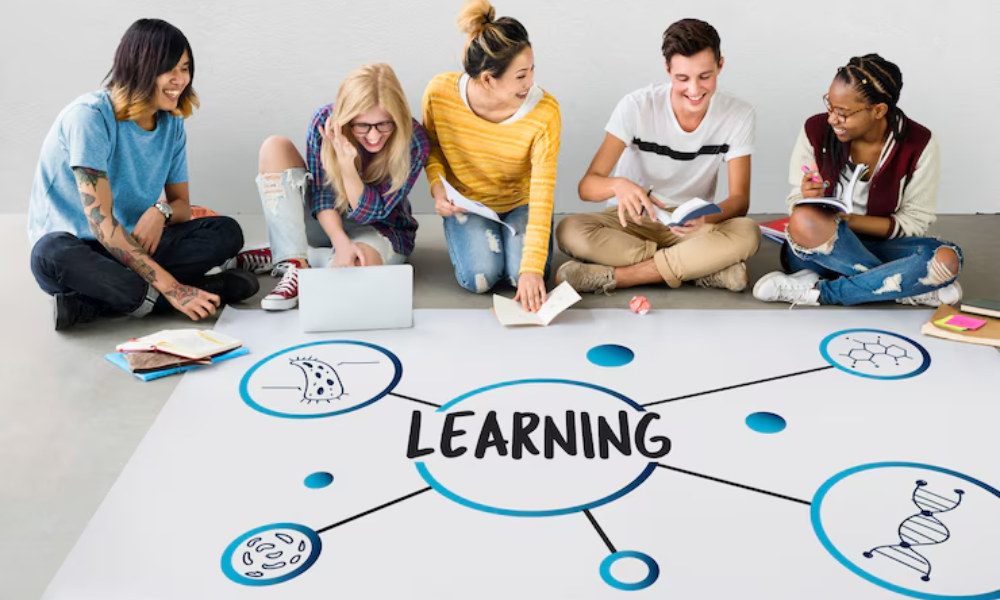
Consider a student participating in a school’s entrepreneurship program. They develop a product, market it online, and present it to judges. This hands-on experience teaches business skills, digital marketing, and teamwork—skills directly applicable to future careers. Such programs show how modern education goes beyond textbooks to prepare students for real-world challenges.
Key Takeaways
Modern education is no longer limited to theoretical knowledge.
Students are equipped with technical, analytical, and interpersonal skills.
Exposure to technology, career-oriented programs, and creative projects enhances future employability.
Emotional intelligence and soft skills are integral to career readiness.
Holistic learning ensures students are adaptable and confident in any professional environment.
Conclusion
The Modern Education Prepares Students system is designed to prepare students for a rapidly changing world. By focusing on skill development, technology integration, critical thinking, creativity, and emotional intelligence, schools and colleges are shaping students into confident, capable, and career-ready individuals. In short, modern education prepare students not just to pass exams, but to thrive in future careers and make meaningful contributions to society.