




Student councils give students an opportunity to participate in school life, share ideas, take responsibility, and work with others. By taking part in council activities, students can experience practical situations that encourage them to develop communication, teamwork, decision-making, and organisational skills.
Leadership is not only about holding a position or giving instructions. It also involves listening to others, understanding different perspectives, taking responsibility, solving problems, and working towards common goals. Student councils can provide a structured environment where students begin developing these qualities.
What Are Student Councils?
Student councils are groups of students who represent their peers and participate in different aspects of school life. Depending on the school, council members may help organise events, communicate student suggestions, support school activities, and participate in discussions about student life.
Being part of a council can give students an opportunity to move beyond classroom learning and experience student leadership in practical situations.
1. Developing Leadership Skills
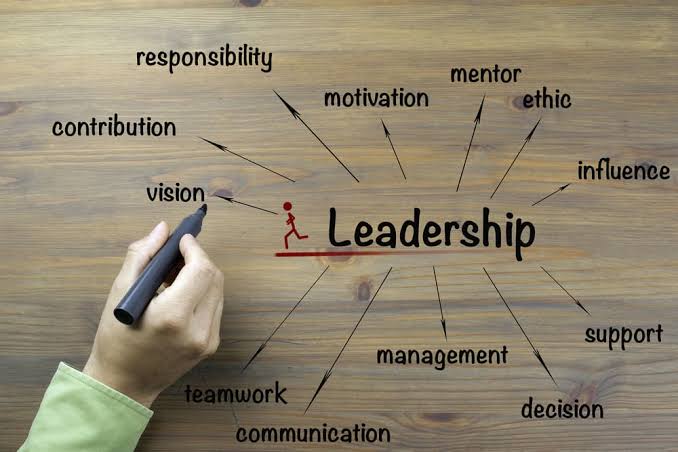
One of the major benefits of student councils is that they provide students with opportunities to practise leadership.
Council members may need to organise activities, coordinate with classmates, communicate with teachers, or take responsibility for specific tasks.
Through these experiences, students can learn to:
- Take responsibility
- Organise activities
- Communicate ideas
- Work with different people
- Make decisions
- Solve problems
- Complete assigned responsibilities
These experiences can contribute to the development of student leadership skills.
2. Encouraging Student Participation
Student councils encourage students to take an active role in their school community. Instead of being only participants in school activities, council members can contribute ideas and help organise initiatives.
This involvement can help students understand that being part of a community also involves responsibility and cooperation.
Student participation in school can also give students a better understanding of how different people contribute to a shared environment.
3. Improving Communication Skills

Effective leadership requires clear communication. Students involved in councils may need to speak with classmates, teachers, school staff, and other student representatives.
They may communicate through:
- Meetings
- Presentations
- Discussions
- Announcements
- Group activities
- Student-led events
These experiences can help students develop communication skills for students, including listening, explaining ideas clearly, and responding respectfully to different viewpoints.
4. Building Decision-Making Skills
Student councils can expose students to situations where they need to consider different options before making a decision.
For example, students may discuss how to organise an event, which activities should be included, or how to respond to suggestions from their peers.
Such experiences can encourage decision-making skills for students by teaching them to:
- Gather information
- Listen to different opinions
- Consider possible outcomes
- Discuss alternatives
- Make responsible choices
- Accept the consequences of decisions
These are useful abilities for both academic and everyday situations.
5. Teaching Teamwork and Collaboration
Leadership rarely happens individually. Successful projects often require people to work together.
Student council members may collaborate with classmates, teachers, house representatives, and activity coordinators. Working together can teach students how to divide responsibilities, share ideas, handle disagreements, and work towards a common objective.
These experiences can strengthen teamwork skills for students and help them understand the importance of cooperation.
6. Providing Leadership Opportunities for Students
Not every student gets the same opportunities to practise leadership in a classroom setting. Student councils can create additional leadership opportunities for students through practical responsibilities.
Students may take part in:
- Organising school events
- Planning campaigns
- Coordinating activities
- Representing student views
- Supporting community initiatives
- Helping with school programmes
- Leading student discussions
Such responsibilities allow students to learn by doing rather than simply reading about leadership.
7. Teaching Responsibility and Accountability
Being part of a student council comes with responsibilities. Students may be expected to complete tasks on time, communicate information accurately, and contribute to group projects.
If a responsibility is not completed, it may affect other members of the team.
This can help students understand accountability—the importance of taking ownership of their responsibilities and following through on commitments.
8. Developing Problem-Solving Skills

School activities do not always go exactly according to plan. An event may require a change, students may have different opinions, or an organisational issue may arise.
Council members can learn to approach such situations by discussing possible solutions and working with others.
These experiences can contribute to developing leadership skills in students while also strengthening problem-solving abilities.
Students can learn that leadership involves finding practical solutions rather than simply identifying problems.
9. Encouraging Listening and Empathy
Good leaders need to understand the perspectives of other people. Student councils can give students opportunities to listen to different opinions and understand the concerns of their peers.
For example, student representatives may receive suggestions from classmates that they need to communicate to teachers or school administrators.
This process can encourage students to:
- Listen carefully
- Respect different opinions
- Consider other perspectives
- Communicate concerns appropriately
- Work towards practical solutions
These qualities can support responsible and inclusive leadership.
10. Building Confidence Through Experience
Students may initially feel uncertain about speaking during meetings, presenting ideas, or taking responsibility for an activity.
With regular participation, students can gain experience in these situations.
Student councils can provide opportunities for students to practise speaking, organising, and collaborating in a supportive environment. Over time, these experiences can help students become more comfortable taking initiative.
11. Student Council Activities That Develop Leadership
Different student council activities can provide different learning experiences.
Examples include:
- School event planning
- Cultural programmes
- Community service initiatives
- Environmental campaigns
- Awareness activities
- Fundraising projects
- Inter-house events
- Student feedback sessions
- School improvement initiatives
Each activity can require students to plan, communicate, collaborate, and take responsibility.
12. Connecting Leadership With Service
Leadership is not simply about authority. It can also involve serving a community and helping others.
Student councils can introduce students to this idea by involving them in activities that benefit their school or wider community.
For example, students might participate in environmental initiatives, community service projects, awareness campaigns, or activities designed to support other students.
Such experiences can help students understand that effective leadership includes responsibility towards others.
13. Preparing Students for Future Opportunities
The skills developed through student councils can be useful in higher education and professional environments.
Students may eventually need to participate in:
- University group projects
- Presentations
- Interviews
- Clubs and societies
- Community initiatives
- Team-based projects
- Professional meetings
Experiences gained through student leadership can provide students with opportunities to practise these skills before they encounter similar situations later.
14. Student Councils in a Boarding School Environment
Boarding schools can offer students a variety of opportunities to participate in school life because students spend significant time within the campus community.
At Ecole Globale International Girls School, student participation can be connected with the wider residential and educational experience. Activities such as house events, school programmes, student initiatives, and leadership responsibilities can provide opportunities for students to work together and take responsibility.
A boarding environment can also encourage students to collaborate with peers from different backgrounds and develop communication and teamwork skills.
15. How Teachers Support Student Leadership
Teachers and school staff can play an important role in supporting student councils. Students may need guidance when planning activities, solving problems, or understanding their responsibilities.
Rather than making every decision for students, teachers can provide appropriate guidance while allowing students to take ownership of their responsibilities.
This approach can help students learn from their experiences and understand that leadership involves both independence and accountability.
Why Student Councils Matter for Future Leaders
The benefits of student councils extend beyond individual school activities. They can provide students with practical opportunities to develop communication, teamwork, responsibility, decision-making, and problem-solving skills.
Leadership development takes time, and students learn through repeated experiences. A student council can provide a structured setting where students practise these abilities while contributing to their school community.
Conclusion
Student councils can play an important role in helping students develop practical leadership abilities. Through planning activities, communicating with peers, making decisions, solving problems, and working as a team, students can gain experiences that complement their academic education.
At Ecole Globale International Girls School, opportunities for student participation and leadership can form part of a broader approach to student development. By encouraging students to take responsibility, collaborate with others, and contribute to school life, the school can provide an environment where students have opportunities to practise important leadership skills.
The value of student councils is not simply the positions students hold. It is the experience they gain from taking responsibility, listening to others, working together, and contributing to their community—skills that can remain useful throughout their educational journey and beyond.
FAQs:
Q1. What is the purpose of a student council?
Ans: A student council gives students opportunities to participate in school life, share ideas, take responsibility, and work with their peers on different activities and initiatives.
Q2. How do student councils develop leadership skills?
Ans: Student councils provide practical leadership opportunities for students through event planning, decision-making, teamwork, communication, and taking responsibility for assigned tasks.
Q3. What are the benefits of student councils?
Ans: The benefits of student councils include improved communication, teamwork, confidence, decision-making, problem-solving, responsibility, and greater participation in school activities.
Q4. What activities do student councils organise?
Ans: Student council activities may include school events, cultural programmes, environmental campaigns, community service initiatives, awareness activities, inter-house events, and student-led projects.
Q5. How does student leadership prepare students for the future?
Ans: Student leadership allows students to practise skills such as communication, collaboration, decision-making, organisation, and problem-solving, which can be useful in higher education and professional environments.
Q6. How can schools support student councils?
Ans: Schools can support student councils by providing appropriate guidance, giving students meaningful responsibilities, encouraging student participation, and allowing students to take ownership of suitable projects and activities.