



Public speaking is one of the most valuable skills students can develop at an early age. It helps students express their ideas clearly, participate confidently in discussions, and communicate effectively with others. Learning to speak in front of an audience can also support confidence, leadership, critical thinking, and communication skills.
At Ecole Globale International Girls School, students are encouraged to develop strong communication skills alongside academic learning. Through debates, presentations, leadership programmes, and various co-curricular activities, the school provides opportunities for students to practise speaking and become confident communicators.
Learning these skills early can help students in the classroom, during competitions, in higher education, and eventually in their professional lives.
Why Public Speaking for Students Matters
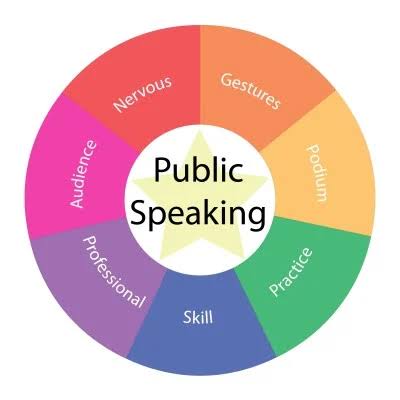
Public speaking for students is much more than standing in front of an audience. It teaches learners how to organise their thoughts, express ideas clearly, listen to others, and communicate with confidence.
Students who develop speaking skills early can become better prepared to:
- Share their thoughts and opinions
- Communicate clearly
- Build self-confidence
- Develop leadership qualities
- Think critically
- Present ideas effectively
- Participate actively in group activities
These abilities can support students throughout their academic journey and beyond.
1. Building Confidence from an Early Age
One of the major benefits of public speaking for students is the opportunity to develop confidence. Many students initially feel nervous when speaking in front of classmates or larger audiences. Regular practice can gradually make these situations more comfortable.
At Ecole Globale International Girls School, students can participate in classroom discussions, assemblies, competitions, presentations, and school events. Such experiences give students opportunities to express themselves in different settings.
With practice and constructive feedback, students can become more comfortable sharing their ideas and taking part in activities that require communication.
2. Improving Communication Skills
The importance of public speaking for students can also be seen in everyday communication. Students need to communicate with teachers, classmates, family members, and eventually colleagues and professional contacts.
Developing public speaking skills for students can help them:
- Speak clearly
- Organise their ideas
- Improve pronunciation
- Listen actively
- Communicate respectfully
- Explain complex ideas
- Present information effectively
Strong communication can make it easier for students to express their needs, ask questions, participate in discussions, and collaborate with others.
3. Supporting Academic Performance
Students with good communication skills may find it easier to participate in different academic activities. Public speaking for students can be particularly useful during:
- Classroom discussions
- Group projects
- Presentations
- Debates
- Seminars
- Academic competitions
Speaking confidently can encourage students to ask questions and share their understanding of a topic. Preparing presentations can also require students to research information, organise ideas, and explain concepts clearly.
However, public speaking should complement academic learning rather than replace other important learning activities.
4. Developing Leadership Qualities
Leadership and communication are closely connected. Students who can express ideas clearly may find more opportunities to take responsibility and participate in leadership activities.
Public speaking for students can help them learn how to:
- Present ideas confidently
- Motivate others
- Lead discussions
- Take responsibility
- Make decisions
- Work effectively in teams
At Ecole Globale International Girls School, participation in academic and extracurricular activities can provide students with opportunities to practise these abilities.
Leadership does not simply mean speaking in front of a crowd. It also involves listening to others, understanding different viewpoints, making responsible decisions, and working towards shared goals.
5. Encouraging Critical Thinking
Another important benefit of public speaking for students is the development of critical-thinking skills.
Preparing a speech or presentation often requires students to research a topic, identify important information, consider different viewpoints, and organise their arguments.
Students can learn to:
- Think independently
- Analyse information
- Understand different perspectives
- Develop logical arguments
- Solve problems creatively
- Respond to questions
These skills can support both classroom learning and lifelong learning.
6. Helping Students Overcome Stage Fear
Stage fear is common among students who have limited experience speaking before an audience. Avoiding public speaking completely may make the experience feel even more challenging.
Regular opportunities for public speaking for students can help them gradually become more comfortable.
Students can practise through:
- Morning assemblies
- Classroom presentations
- Debate competitions
- Elocution activities
- Cultural programmes
- School events
- Leadership activities
The objective is not to expect students to become perfect speakers immediately. Instead, regular practice allows them to learn from experience and gradually improve.
7. Preparing Students for Future Careers
The importance of public speaking for students extends beyond school. Communication is relevant in many higher-education and professional situations.
Students may eventually need to participate in:
- College interviews
- Group discussions
- Presentations
- Seminars
- Professional meetings
- Job interviews
- Leadership activities
Developing communication skills during school can therefore give students more opportunities to practise before they encounter these situations later in life.
Improving Social Skills
Public speaking skills for students can also support social development. Effective communication involves more than speaking. Students need to listen, understand different opinions, respond appropriately, and communicate respectfully.
Through speaking activities, students can learn to:
- Express themselves clearly
- Respect different opinions
- Listen to others
- Collaborate with classmates
- Build positive relationships
- Communicate with greater confidence
These skills can contribute to a positive school experience and stronger relationships with peers and teachers.
Public Speaking in a Boarding School Environment
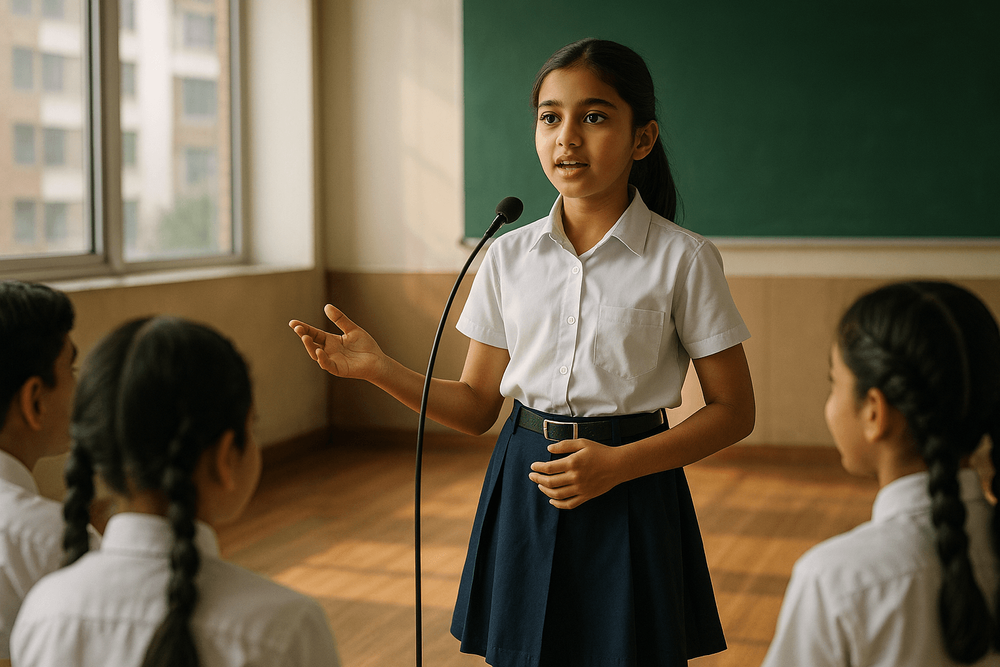
A boarding school can provide many opportunities for public speaking for students because students participate in activities and events throughout their campus life.
At Ecole Globale International Girls School, students can participate in activities such as:
- Morning assemblies
- House competitions
- Debate competitions
- Elocution contests
- Model United Nations (MUN)
- Student leadership programmes
- Cultural events
These experiences allow students to practise communication in different situations while also developing teamwork, responsibility, and leadership.
Public Speaking and Holistic Development
Education is not limited to academic achievement. Students also need confidence, creativity, communication skills, leadership abilities, and social awareness.
Public speaking for students can contribute to this broader development by encouraging students to express ideas, interact with others, and take part in activities beyond traditional classroom learning.
Speaking activities can also help students discover interests and abilities they may not recognise through academic subjects alone.
Tips to Improve Public Speaking Skills for Students
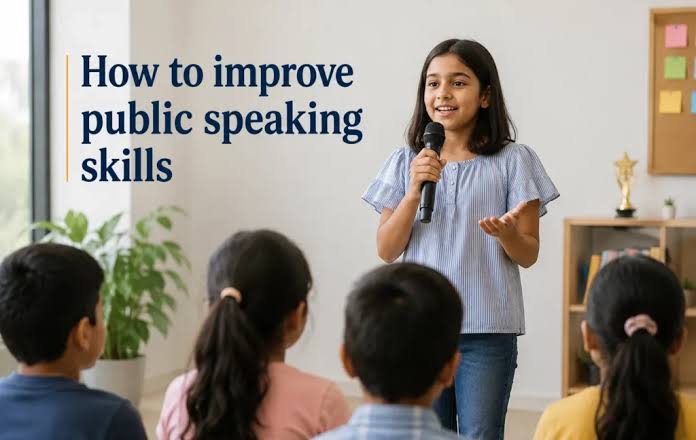
Students can improve their speaking abilities through regular practice. Some useful approaches include:
- Read books and age-appropriate news regularly.
- Practise speaking in front of a mirror.
- Participate in debates and speech competitions.
- Build vocabulary gradually.
- Maintain appropriate eye contact.
- Focus on clear pronunciation.
- Listen to experienced speakers.
- Practise organising ideas before speaking.
- Accept constructive feedback.
- Practise consistently.
Students should also understand that making mistakes is a normal part of learning. Constructive feedback and repeated practice can help them improve over time.
Why Parents May Consider Ecole Globale International Girls School
Parents often look for schools that support both academic learning and overall student development. Ecole Globale International Girls School provides opportunities for students to develop communication and leadership skills alongside their academic education.
The school offers opportunities that include:
- Interactive classroom learning
- Public speaking activities
- Debate and literary activities
- Leadership opportunities
- Extracurricular programmes
- Modern learning facilities
- Residential education
- Individual guidance
- Holistic student development
These experiences can help students develop confidence while preparing them for future academic and professional environments.
Conclusion
Public speaking for students is a valuable lifelong skill that can help young people communicate effectively, think critically, participate confidently, and develop leadership qualities. Learning these skills early gives students opportunities to practise expressing themselves before they encounter more demanding academic and professional situations.
At Ecole Globale International Girls School, public speaking forms part of a broader approach to student development. Through debates, presentations, assemblies, leadership opportunities, and extracurricular activities, students can practise communicating their ideas and become more confident speakers.
The importance of public speaking for students extends well beyond giving speeches. It can help them develop communication, confidence, critical thinking, teamwork, and leadership skills that remain useful throughout their educational journey and future careers.
FAQs: Public Speaking for Students
Q1. Why is public speaking important for students?
Ans: Public speaking for students helps develop confidence, communication, critical thinking, and leadership skills. It also prepares students to participate more actively in academic and extracurricular activities.
Q2. At what age should students start learning public speaking?
Ans: Students can begin developing public speaking skills from an early age through simple activities such as storytelling, classroom presentations, discussions, debates, and school assemblies.
Q3. How does public speaking improve student confidence?
Ans: Regular speaking practice gives students opportunities to express their ideas in front of others. With practice and constructive feedback, students can gradually become more comfortable speaking before an audience.
Q4. What are the benefits of public speaking skills for students?
Ans: The benefits of public speaking skills for students include improved communication, confidence, critical thinking, leadership, presentation abilities, teamwork, and preparation for future academic and professional situations.
Q5. How can schools help students improve public speaking?
Ans: Schools can organise debates, presentations, assemblies, elocution competitions, Model United Nations activities, group discussions, and leadership programmes to give students regular opportunities to practise speaking.
Q6. How does public speaking help students in their future careers?
Ans: The importance of public speaking for students extends into higher education and professional life. Communication skills can help students during interviews, presentations, group discussions, meetings, and leadership opportunities.