




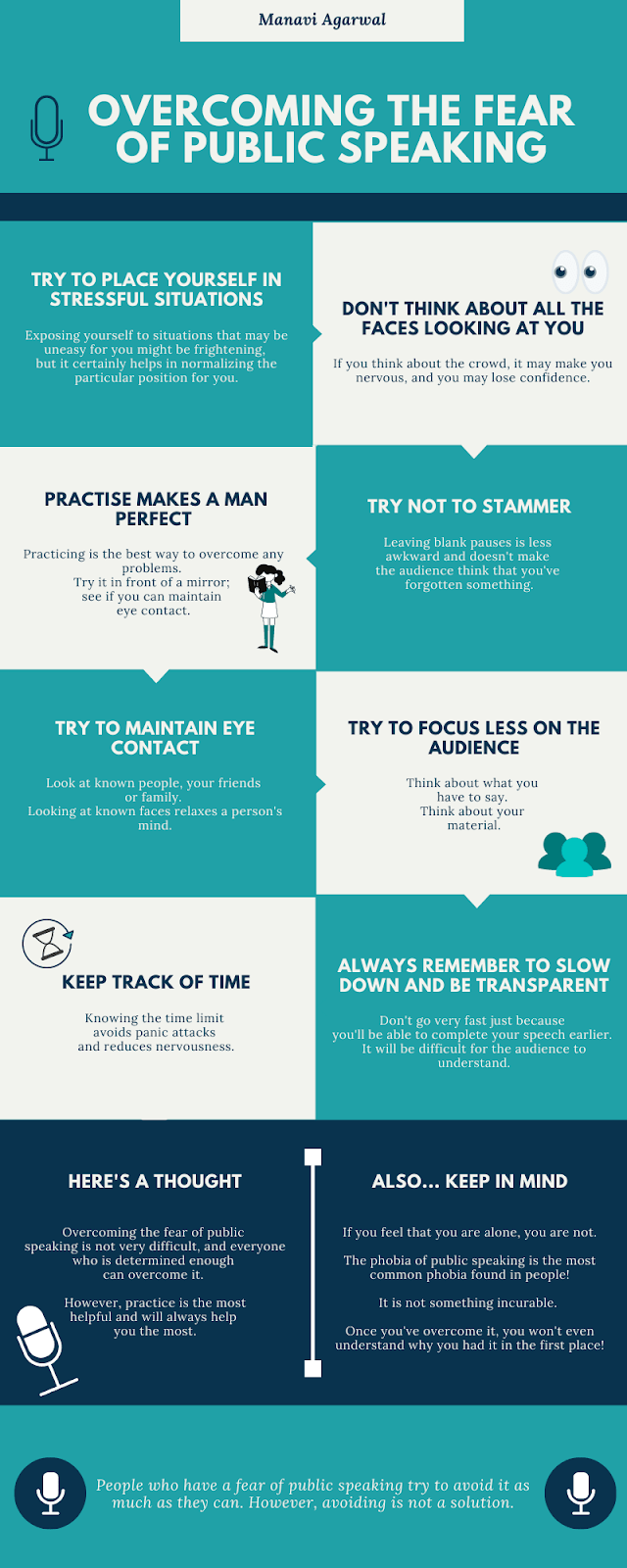
Public speaking can feel challenging for many students, especially when they have to speak in front of classmates, teachers, or a larger audience. Nervousness, fear of making mistakes, or worrying about what others may think can make students hesitant to speak.
However, public speaking is a skill that can be developed with regular practice and encouragement. With the right preparation and opportunities, students can gradually become more comfortable expressing their ideas in front of others.
Understand the Fear of Public Speaking

The fear of public speaking often comes from uncertainty or a lack of experience. Students may worry about forgetting their points, speaking incorrectly, or facing questions from the audience.
Understanding that some nervousness is normal can make the experience easier. Instead of expecting to feel completely relaxed immediately, students can focus on becoming more comfortable with speaking gradually.
Prepare Before Speaking

Good preparation can help students feel more organised and confident. Before a presentation, students should understand their topic and arrange their main ideas in a logical order.
Instead of memorising every sentence, it can be useful to prepare a few key points. This allows students to speak more naturally while reducing the pressure of remembering a complete script.
Students can also practise their presentation several times before speaking in front of an audience.
Start With Small Speaking Opportunities

Students who are nervous about public speaking do not have to begin with a large presentation. Starting with smaller activities can help them build confidence gradually.
For example, students can:
- Answer questions in class
- Read a short passage aloud
- Participate in group discussions
- Give a short presentation to classmates
- Take part in debates
- Speak during school activities
These experiences can help students become more familiar with expressing their ideas publicly.
Practise Regularly
Regular practice is one of the most useful ways to develop public speaking skills. Students can practise speaking in front of a mirror, record themselves, or present their topic to family members or friends.
Practice can help students notice their speaking speed, pronunciation, body language, and areas that need improvement.
The goal is not to deliver every presentation perfectly. Each practice session can help students become more comfortable and prepared.
Focus on the Message
Students sometimes become so focused on how they are performing that they forget the purpose of the presentation.
Instead of constantly thinking, “How do I look or sound?”, students can focus on communicating their message clearly to the audience.
Understanding the topic well and thinking about what the audience should learn can make speaking feel more purposeful.
Use Positive Body Language
Body language plays an important role in communication. Students can practise standing comfortably, maintaining appropriate eye contact, and using natural hand movements.
Speaking too quickly can make a presentation harder to follow. Taking short pauses between ideas can help students speak more clearly and give them time to organise their thoughts.
A calm posture and clear voice can also make communication more effective.
Learn From Mistakes
Making a mistake during a presentation does not mean that the presentation has failed. Students may forget a word, lose their place, or make a small speaking error.
Rather than becoming discouraged, students can identify what happened and use the experience to improve their next presentation.
Constructive feedback from teachers and classmates can also help students understand what they are doing well and what they can work on.
Take Part in School Activities
Schools can provide many opportunities for students to practise public speaking in a supportive environment. Debates, assemblies, presentations, storytelling, competitions, student councils, and group discussions can all provide valuable speaking experiences.
Regular participation allows students to practise communication in different situations rather than treating public speaking as something they only do for examinations.
How Teachers Can Support Students

Teachers can help students overcome the fear of public speaking by creating an encouraging classroom environment. Students are more likely to participate when they know that mistakes are treated as opportunities for learning.
Teachers can begin with short speaking activities and gradually introduce longer presentations. Providing clear instructions and constructive feedback can also help students understand how to improve.
How Parents Can Help
Parents can support public speaking development by giving students opportunities to express their ideas at home. Asking children to explain something they have learned, discuss a book, or present an idea can provide informal speaking practice.
Parents should focus on encouragement rather than perfection. Recognising effort and improvement can help students develop a more positive attitude towards public speaking.
Building Confidence Takes Time
Overcoming the fear of public speaking is usually a gradual process. Students may feel nervous at first, but preparation, regular practice, supportive feedback, and repeated opportunities can help them become more comfortable.
Public speaking is not only useful for school presentations. Communication skills can also support students in leadership activities, higher education, interviews, teamwork, and many future professional situations.
Conclusion
Overcoming the fear of public speaking requires patience, preparation, and consistent practice. Students can begin with small speaking opportunities, prepare their key points, practise regularly, and learn from feedback.
A supportive school environment can make a significant difference by giving students safe opportunities to communicate, participate, and express their ideas. With continued practice, students can gradually develop stronger communication skills and greater confidence when speaking before an audience.
FAQs
Q1. How can students overcome the fear of public speaking?
Ans: Students can overcome the fear of public speaking through regular practice, good preparation, small speaking opportunities, and constructive feedback.
Q2. Why are students afraid of public speaking?
Ans: Students may feel nervous because they fear making mistakes, forgetting their points, or being judged by others. Practice and experience can help them manage these concerns.
Q3. How can students improve their public speaking skills?
Ans: Students can improve by practising presentations, participating in discussions and debates, speaking clearly, and using positive body language.
Q4. How can teachers help students overcome public speaking fear?
Ans: Teachers can create a supportive environment and provide opportunities for students to participate in presentations, discussions, debates, and other speaking activities.
Q5. How can parents help children become confident speakers?
Ans: Parents can encourage children to express their ideas at home, discuss different topics with them, and provide opportunities to practise speaking without focusing on perfection.