




School libraries continue to play an important role in education, even as students increasingly use digital devices and online resources. While technology has made information easier to access, a library provides students with a structured environment where they can read, research, explore ideas, and develop independent learning skills.
Modern school libraries are no longer limited to shelves filled with printed books. Many have evolved into learning spaces that combine traditional resources with digital tools. This makes school libraries in the digital age relevant to both academic learning and broader student development.
Why Are School Libraries Still Important?
The importance of school libraries goes beyond providing books. Libraries can give students access to reliable learning resources while creating a quiet environment for reading and study.
A well-designed school library can help students:
- Develop regular reading habits
- Improve research skills
- Strengthen vocabulary and comprehension
- Explore different subjects
- Develop information literacy
- Learn how to evaluate information
- Study independently
- Discover new interests
These benefits can complement classroom teaching and encourage students to become more independent learners.
1. Providing Access to Diverse Resources
One of the primary roles of school libraries is to provide access to a wide range of resources.
Depending on the school, students may find:
- Fiction and non-fiction books
- Encyclopaedias and reference materials
- Newspapers and magazines
- Subject-specific resources
- Biographies
- Educational journals
- E-books and digital resources
- Research databases
Having access to different types of resources allows students to explore topics beyond their prescribed textbooks.
2. Supporting Reading Habits
Libraries can create an environment where students can discover books based on their interests. Students may choose fiction, science, history, biographies, literature, or other genres.
Regular access to books can encourage reading habits for students and help them see reading as both an educational activity and a source of enjoyment.
A welcoming library with comfortable reading areas and a diverse collection can make students more likely to spend time reading independently.
3. Developing Research Skills

Students increasingly need to find and use information independently. School libraries can help them learn how to search for information, compare sources, organise material, and use information appropriately.
Through library activities, students can learn:
- How to identify useful sources
- How to find information efficiently
- How to compare different sources
- How to organise research
- How to cite information appropriately
- How to distinguish relevant information from unnecessary material
These research skills for students can support academic work across different subjects.
4. Building Information Literacy
The internet provides students with an enormous amount of information, but not everything available online is accurate or reliable.
This makes information literacy for students increasingly important.
Libraries can help students learn to ask questions such as:
- Who created this information?
- Is the source reliable?
- When was it published?
- Is the information supported by evidence?
- Are there other trustworthy sources that confirm it?
Learning to evaluate information can help students become more responsible users of digital resources.
5. Supporting Digital Learning
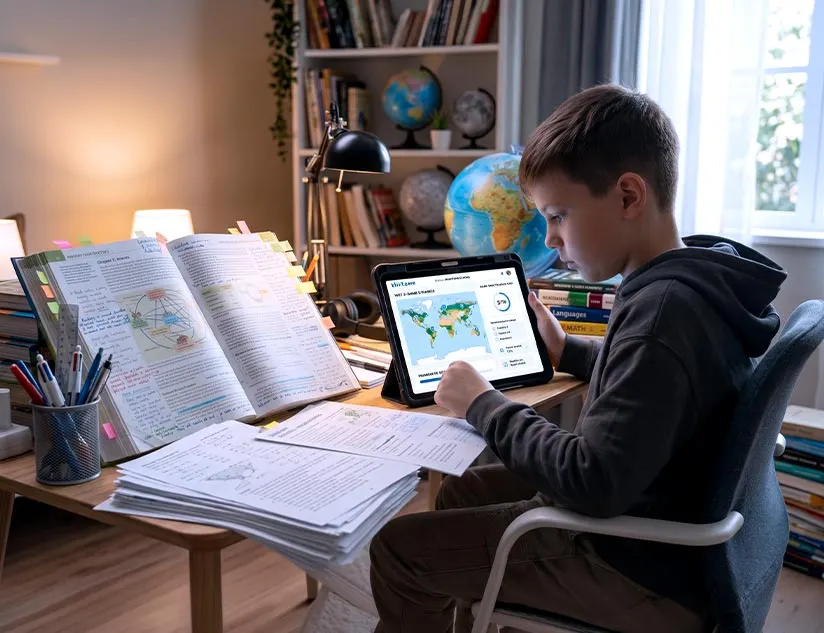
The idea that libraries are only about printed books is changing. School libraries in the digital age can combine traditional resources with technology.
Modern libraries may provide access to:
- Computers
- E-books
- Digital databases
- Online journals
- Educational platforms
- Multimedia resources
- Digital research tools
This combination allows students to use both physical and digital resources depending on their learning needs.
6. Creating a Focused Learning Environment
Students can access information almost anywhere through smartphones, tablets, and computers. However, studying in an environment filled with digital notifications and distractions can make it difficult to maintain concentration.
A school library can provide a dedicated space for reading, research, and quiet study.
A well-organised library can offer students a place where they can focus on academic work without the distractions that may accompany everyday digital device use.
7. Encouraging Independent Learning
Classroom teaching provides structured learning, but students also benefit from exploring subjects independently.
School libraries can encourage students to follow their own interests. A student interested in astronomy, environmental science, history, literature, or technology can explore additional books and resources beyond the classroom curriculum.
This can encourage curiosity and help students become more independent learners.
8. Supporting Different Learning Needs
Students have different learning preferences and academic interests. Some may understand a topic better through a textbook, while others may benefit from diagrams, reference books, videos, or digital resources.
The role of school libraries can therefore extend to providing a variety of learning materials.
A diverse collection gives students more options for exploring and understanding information.
9. Encouraging Reading and Book Discussions
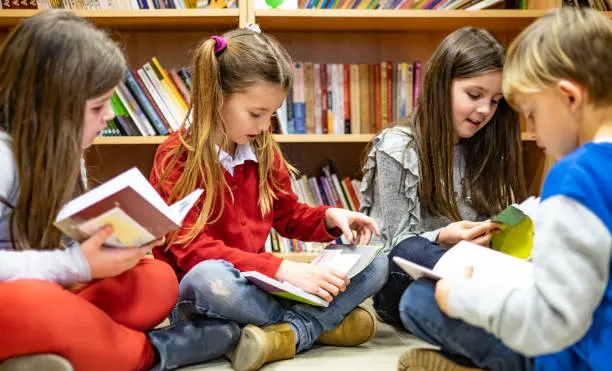
Libraries can become social learning spaces where students discuss books and exchange recommendations.
Schools can organise:
- Book clubs
- Reading challenges
- Storytelling sessions
- Book reviews
- Author interactions
- Library quizzes
- Reading competitions
- Book exhibitions
Such activities can strengthen the importance of libraries for students by making reading an active part of school culture.
10. Supporting Academic Research
Students often need additional resources when preparing assignments, projects, presentations, and competitions.
School library resources can provide information that complements classroom textbooks.
For example, students working on an environmental science project may use books, journals, reference materials, and reliable online resources available through the library.
This can help students develop a deeper understanding of their subjects rather than relying on a single textbook.
11. Helping Students Use Technology Responsibly
Technology is an important part of modern education, but students also need to understand how to use digital resources responsibly.
Libraries can support digital learning by teaching students about:
- Responsible online research
- Evaluating websites
- Digital information sources
- Copyright and proper attribution
- Academic honesty
- Responsible use of online resources
These skills can help students become more thoughtful and responsible digital learners.
12. Creating a Community of Learners
A school library can become a shared space where students and teachers interact around books, research, and learning.
Teachers can recommend resources, students can exchange book suggestions, and library staff can help students locate useful materials.
This creates a learning community where students can explore ideas beyond regular classroom activities.
School Libraries and the Future of Education
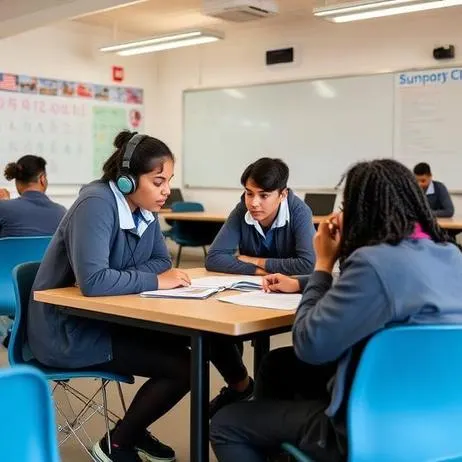
The future of education is likely to include an increasing combination of physical and digital learning resources. This does not necessarily make traditional libraries less relevant.
Instead, school libraries in the digital age can continue evolving by combining books, digital resources, technology, research support, and collaborative learning spaces.
The focus is shifting from simply storing books to helping students access, understand, evaluate, and use information effectively.
How Schools Can Make Libraries More Engaging
Schools can strengthen their libraries by creating spaces that students genuinely want to use.
Some approaches include:
- Updating book collections regularly
- Providing digital resources
- Creating comfortable reading spaces
- Organising reading programmes
- Developing student book clubs
- Introducing library technology
- Supporting research projects
- Displaying recommended books
- Organising author interactions
- Encouraging student participation in library activities
These initiatives can help make the library an active part of everyday school life.
School Libraries at Ecole Globale International Girls School

At Ecole Globale International Girls School, learning extends beyond conventional classroom teaching. A well-supported library environment can complement academic learning by giving students opportunities to read, research, explore subjects, and develop independent learning habits.
For students in a residential school environment, the library can also provide a dedicated space for reading, academic research, and quiet study outside classroom hours.
Combining physical books with appropriate digital resources can help students develop both traditional reading habits and modern research skills.
Conclusion
The importance of school libraries has not disappeared in the digital age. Instead, their role is evolving. Modern libraries can bring together books, digital resources, research support, technology, and collaborative learning opportunities.
School libraries can help students develop reading habits, research skills, information literacy, independent learning, and the ability to evaluate information carefully.
At Ecole Globale International Girls School, a supportive library environment can form an important part of a broader learning experience, giving students opportunities to explore knowledge beyond their textbooks and develop skills that can support them throughout their educational journey.
FAQs: Why School Libraries Are Still Important in the Digital Age
Q1. Why are school libraries still important in the digital age?
Ans: School libraries provide students with access to books, digital resources, research materials, and quiet learning spaces. They also help develop reading, research, and information literacy skills.
Q2. What is the importance of school libraries for students?
Ans: The importance of school libraries includes supporting reading habits, independent learning, academic research, vocabulary development, critical thinking, and responsible use of information.
Q3. How do school libraries support digital learning?
Ans: School libraries in the digital age can provide access to e-books, online journals, research databases, computers, and other digital learning resources while helping students evaluate online information.
Q4. What are the benefits of school libraries?
Ans: The benefits of school libraries include improved reading habits, stronger research skills, better information literacy, access to diverse resources, and a focused environment for learning.
Q5. How can school libraries encourage students to read?
Ans: Libraries can encourage reading through diverse book collections, book clubs, reading challenges, storytelling sessions, book reviews, reading competitions, and comfortable reading spaces.
Q6. What role do school libraries play in education?
Ans: The role of school libraries is to support classroom learning by providing additional resources, encouraging independent research, developing reading habits, and helping students learn how to find and evaluate information.