




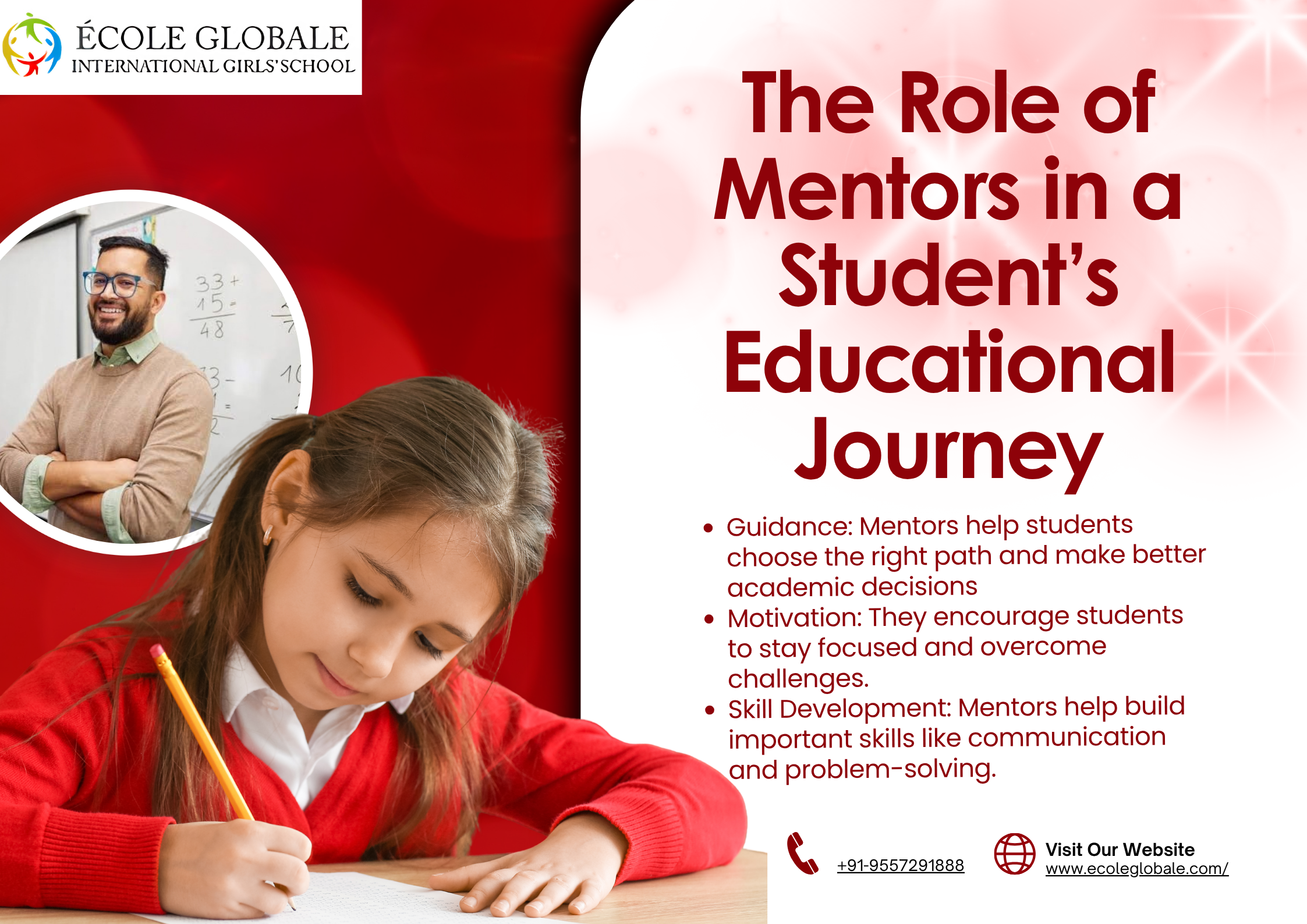
The role of mentors in a student’s educational journey goes far beyond academic guidance. Every student needs encouragement, support, and inspiration to understand her strengths and work towards her goals. A mentor can provide personalised guidance while helping students develop confidence, life skills, leadership abilities, and a positive approach to challenges.
At Ecole Globale International Girls School, mentorship is an important part of the learning experience. The school aims to create an environment where students receive continuous academic and personal support. Through meaningful relationships between teachers and students, girls are encouraged to become confident, responsible, and independent individuals.
Understanding the role of mentors in a student’s educational journey also means recognising that education is not limited to textbooks and examinations. Students need guidance at different stages of their school life, from managing academic responsibilities to making decisions about their future.
What Is a Mentor?
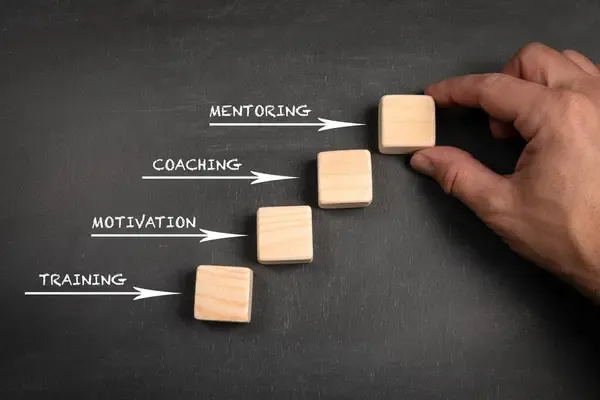
A mentor is a trusted guide who supports, encourages, and inspires students. While teachers primarily focus on classroom learning, mentors can take a broader approach by understanding a student’s interests, strengths, aspirations, and challenges.
A mentor can help students:
- Build confidence
- Set realistic goals
- Develop positive habits
- Improve academic performance
- Strengthen emotional well-being
- Make informed decisions
- Develop independence
The role of mentors in a student’s educational journey is therefore closely connected with both academic and personal development.
Why Is Mentorship Important in Education?
Every student learns differently. Some students may need additional academic guidance, while others may need encouragement to participate, communicate, or take on new responsibilities.
The role of mentors in a student’s educational journey is particularly important because mentors can provide personalised support based on individual needs.
Mentors can:
- Understand individual learning needs
- Identify strengths and areas for improvement
- Encourage continuous progress
- Motivate students during difficult periods
- Celebrate achievements
- Help students set achievable goals
This individual attention can help students develop resilience and greater confidence in their abilities.
Academic Guidance and Motivation

Academic success requires more than intelligence. Students also need effective study habits, organisation, time management, and motivation.
The role of mentors in a student’s educational journey becomes especially valuable when students face academic challenges. Mentors can help students identify areas that require attention and develop practical strategies for improvement.
At Ecole Globale International Girls School, students can receive guidance in areas such as:
- Creating study plans
- Managing academic schedules
- Preparing for examinations
- Developing problem-solving skills
- Staying motivated
- Identifying areas for improvement
Regular guidance can help students remain focused while encouraging them to take greater responsibility for their learning.
Building Confidence and Self-Esteem
Another important aspect of the role of mentors in a student’s educational journey is helping students recognise their abilities.
Students may sometimes hesitate to participate in discussions, take leadership positions, or try unfamiliar activities because of self-doubt. A supportive mentor can encourage students to step outside their comfort zones.
Mentors can encourage students to:
- Express their ideas
- Participate in discussions
- Take responsibility
- Accept constructive feedback
- Try new activities
- Take leadership opportunities
As students experience small successes and learn from challenges, they can gradually develop greater confidence.
Providing Emotional Support
School life can involve academic pressure, social challenges, homesickness, and other everyday difficulties. This makes emotional guidance an important part of the role of mentors in a student’s educational journey.
Mentors can provide students with a trusted person to approach when they need guidance. Through regular communication, mentors can help students:
- Understand their emotions
- Manage everyday stress
- Develop resilience
- Build positive relationships
- Improve self-awareness
- Maintain balance between academics and personal life
For students living away from home, supportive relationships with teachers and residential staff can also help them adjust to their school environment.
Encouraging Leadership Development

The role of mentors in a student’s educational journey also includes encouraging students to take initiative and develop leadership abilities.
Students can be encouraged to:
- Lead school activities
- Organise events
- Participate in student councils
- Take responsibility for projects
- Work collaboratively
- Support their peers
These experiences can help students develop communication, decision-making, teamwork, and organisational skills.
Leadership is not simply about holding a position. It also involves taking responsibility, listening to others, solving problems, and making thoughtful decisions.
Supporting Career and Future Goals
As students progress through school, they begin thinking about higher education and career possibilities. They may have questions about subjects, courses, universities, or potential career paths.
Here, the role of mentors in a student’s educational journey can include helping students understand their interests and consider different possibilities.
Mentors can support students by:
- Identifying areas of interest
- Discussing academic options
- Encouraging relevant skill development
- Exploring career possibilities
- Supporting higher-education planning
- Helping students set realistic goals
Personalised guidance can help students make informed decisions rather than feeling pressured to choose a particular path.
Encouraging Holistic Development
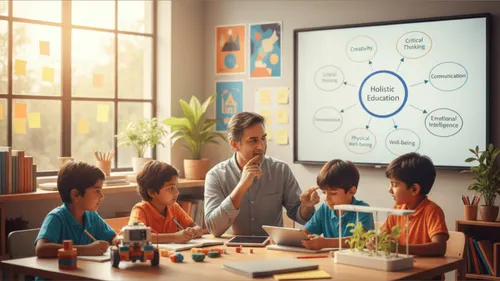
Education is not limited to academic achievement. Students also need opportunities to explore creativity, physical activity, communication, teamwork, and other interests.
The role of mentors in a student’s educational journey can include encouraging participation in activities such as:
- Sports
- Music
- Dance
- Art
- Debate
- Robotics
- Community service
- Literary activities
These experiences can help students discover their interests while developing creativity, communication, teamwork, and confidence.
Developing Essential Life Skills
Students need practical abilities alongside academic knowledge. Mentors can help students develop life skills that are useful in school, higher education, professional environments, and everyday life.
Important skills include:
- Time management
- Communication
- Critical thinking
- Decision-making
- Problem-solving
- Responsibility
- Adaptability
- Teamwork
The role of mentors in a student’s educational journey therefore extends into practical preparation for life beyond school.
Creating a Positive Learning Environment
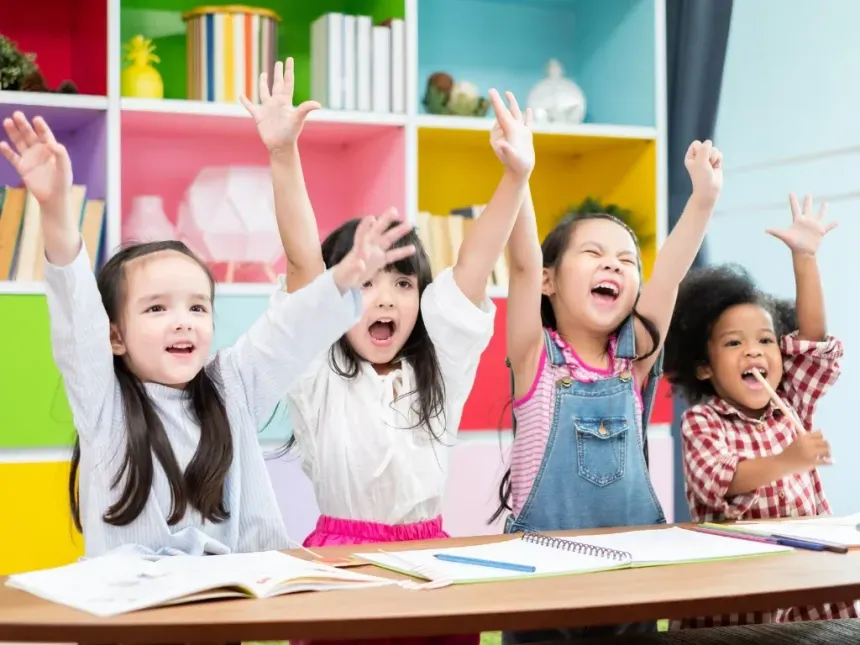
A healthy mentor-student relationship can create an environment based on trust and mutual respect. When students feel comfortable approaching mentors, they may be more willing to ask questions, share concerns, and explore new ideas.
A positive mentoring environment can encourage:
- Active participation
- Better classroom engagement
- Independent learning
- Personal growth
- Confidence
- Academic development
The mentor does not replace the teacher. Instead, mentoring can complement classroom teaching by providing students with additional guidance and encouragement.
Mentorship in a Boarding School Environment
In a boarding school, students spend much of their time within the school community. This provides opportunities for teachers and residential staff to interact with students beyond regular classroom hours.
At Ecole Globale International Girls School, the residential environment allows students to experience a structured campus routine while receiving guidance in different aspects of school life.
The role of mentors in a student’s educational journey in such an environment can include supporting:
- Academic progress
- Personal development
- Social relationships
- Participation in activities
- Adjustment to residential life
- Overall student well-being
Regular interaction can help students seek support when they encounter challenges.
Why Mentorship Matters at Ecole Globale
For parents considering a girls’ boarding school, academic quality is only one part of the decision. Students also benefit from an environment where they can receive guidance, encouragement, and opportunities for personal development.
École Globale International Girls School focuses on areas such as:
- Experienced faculty
- Personalised guidance
- Academic support
- Leadership opportunities
- Residential education
- Modern learning facilities
- Extracurricular activities
- Holistic student development
A supportive mentoring environment can help students make the most of these opportunities while gradually becoming more independent.
Preparing Students for Lifelong Success

The role of mentors in a student’s educational journey does not end with academic achievement. The guidance students receive during their school years can contribute to qualities that remain valuable throughout life.
These qualities include:
- Confidence
- Independence
- Leadership
- Responsibility
- Resilience
- Compassion
- Adaptability
Mentors can encourage students to learn from both successes and setbacks. This helps students understand that personal growth is a continuous process.
Conclusion
The role of mentors in a student’s educational journey extends far beyond helping with academic subjects. Mentors can provide encouragement, emotional support, career guidance, leadership opportunities, and practical advice as students navigate different stages of school life.
At Ecole Globale International Girls School, mentorship forms part of an educational environment focused on academic and personal development. Through personalised guidance, extracurricular opportunities, leadership experiences, and life-skill development, students are encouraged to become confident and responsible young women.
A strong mentor-student relationship can help students recognise their strengths, approach challenges with greater confidence, and make thoughtful decisions about their future. In this way, mentorship becomes an important part of preparing students not only for examinations but also for higher education, careers, and life beyond school.
Frequently Asked Questions
Q1. Why is the role of mentors in a student’s educational journey important?
Ans: The role of mentors in a student’s educational journey is important because mentors can provide academic guidance, encouragement, emotional support, career advice, and motivation while helping students develop confidence and life skills.
Q2. How can mentors support academic development?
Ans: Mentors can help students create study plans, manage their time, prepare for examinations, identify areas for improvement, and develop effective learning habits.
Q3. Can mentoring help students build confidence?
Ans: Yes. Mentors can encourage students to express their ideas, participate in activities, take responsibility, and approach unfamiliar challenges with greater confidence.
Q4. How does mentorship support emotional well-being?
Ans: Mentors can provide students with a trusted person to approach when they experience everyday challenges. Regular communication can support self-awareness, resilience, and positive relationships.
Q5. What life skills can students develop through mentorship?
Ans: Students can develop communication, time management, critical thinking, decision-making, problem-solving, teamwork, responsibility, adaptability, and leadership skills.
Q6. How can mentors help students prepare for their future?
Ans: Mentors can help students understand their interests, explore higher-education opportunities, consider career options, develop relevant skills, and set realistic future goals.