




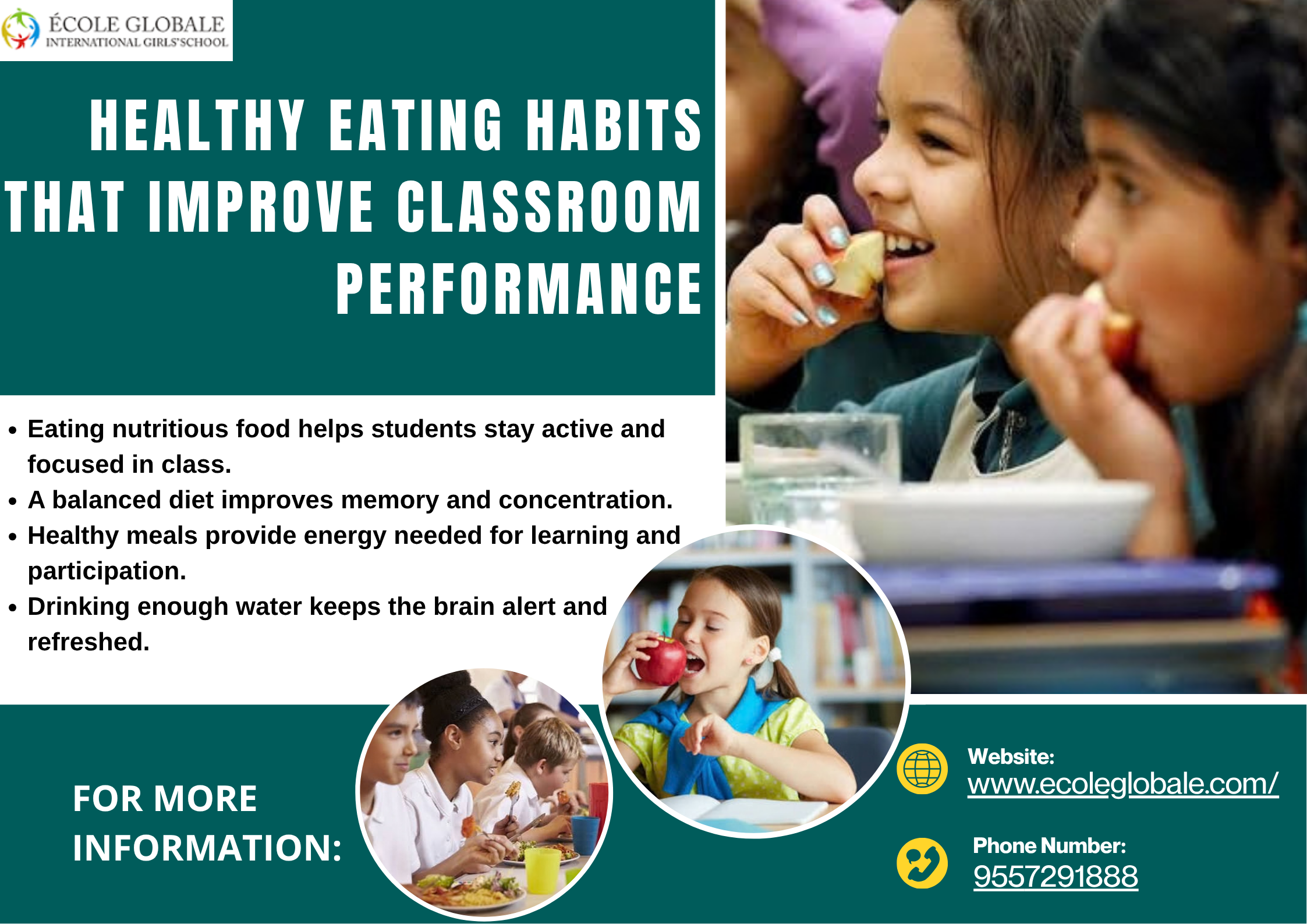
Eating healthy food is essential for students to perform well in school. Healthy eating habits for students provide the energy needed to stay active, concentrate during lessons, and participate confidently in classroom activities. A balanced diet also supports brain development, memory, and overall physical and mental well-being.
Why Healthy Eating Matters for Students

Food is the body’s primary source of energy. When students eat nutritious meals regularly, they are better prepared to learn, focus, and perform throughout the school day.
Students who follow healthy eating habits are more likely to:
- Have higher energy levels
- Concentrate better during lessons
- Improve memory and retention
- Learn more effectively
- Maintain healthy growth
- Build a stronger immune system
A balanced diet lays the foundation for both academic achievement and overall well-being.
The Connection Between Nutrition and Brain Function
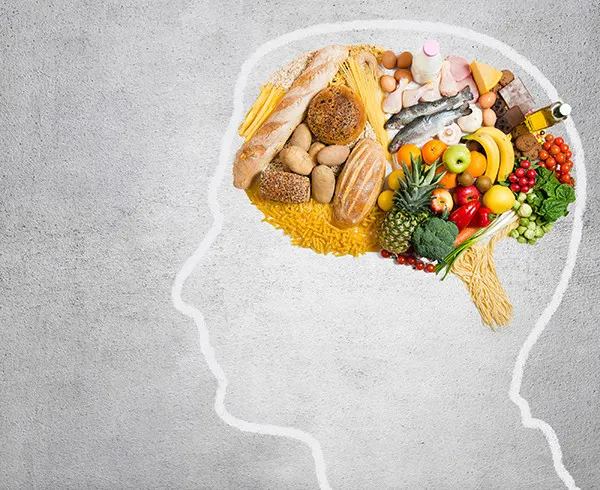
The brain needs the right nutrients to function efficiently. A healthy diet for students that includes proteins, whole grains, fruits, vegetables, and healthy fats can support cognitive development and everyday learning.
Nutritious foods can help students:
- Learn concepts more effectively
- Improve memory retention
- Increase concentration
- Strengthen problem-solving abilities
- Make better decisions
- Stay mentally alert throughout the day
When students nourish their bodies properly, they are better equipped to participate in academic activities.
Never Skip Breakfast
Breakfast is an important part of healthy eating for students. After a full night’s rest, students need nourishment to begin their day with energy and focus.
A healthy breakfast can provide:
- Energy for the morning
- Support for concentration
- Better classroom participation
- More consistent energy levels
- Essential nutrients
- Greater readiness for learning
At Ecole Globale International Girls School, students enjoy nutritious breakfasts that prepare them for a productive day of learning.
Balanced Meals Throughout the Day
Students need balanced meals throughout the day to maintain consistent energy and concentration. Following a healthy diet for students means including a variety of nutritious foods and eating regular meals.
A nutritious meal can include:
- Fresh fruits
- Green vegetables
- Whole grains
- Dairy products
- Lean proteins
- Healthy fats
These nutrients work together to support healthy growth, immunity, and overall well-being.
Proper Hydration Improves Learning

Water is just as important as nutritious food. Adequate hydration supports normal body functions and can help students remain comfortable and attentive during the school day.
Students should:
- Drink plenty of water throughout the day
- Stay hydrated during sports and physical activities
- Limit sugary drinks
- Choose nutritious beverages where appropriate
- Develop regular hydration habits
Proper hydration can help students stay alert and ready to participate in learning activities.
Healthy Snacks for Better Energy
Healthy snacks can provide nourishment between meals and help students remain focused during long school hours. Choosing nutritious snacks is an important part of healthy eating habits for students.
Nutritious snack options include:
- Fresh fruits
- Nuts and seeds
- Yoghurt
- Whole-grain sandwiches
- Sprouts
- Dry fruits
Making nutritious choices between meals can help students maintain regular eating routines.
Avoiding Unhealthy Food Choices
Frequent consumption of foods high in added sugar, salt, or unhealthy fats may contribute to poor dietary habits. Encouraging healthy eating for students can help families and schools promote more balanced food choices.
Unbalanced eating habits may be associated with:
- Low energy
- Difficulty maintaining concentration
- Poor dietary quality
- Digestive discomfort
- Tiredness
- Poor overall wellbeing
Encouraging healthier food choices can help students maintain balanced eating routines.
Healthy Eating Supports Physical Fitness
Good nutrition and regular exercise work together. Students involved in sports need adequate nutrition to support their physical activities.
A healthy diet for students can help provide nutrients needed to:
- Support physical activity
- Maintain energy
- Support recovery
- Support normal growth
- Maintain overall fitness
At Ecole Globale International Girls School, nutritious meals complement the school’s sports facilities and fitness programmes.
Nutrition and Emotional Well-Being

Healthy eating contributes to overall wellbeing. A balanced approach to food, regular meals, hydration, physical activity, and adequate sleep can support healthy daily routines.
Healthy eating habits for students can be part of a wider wellness routine that includes:
- Regular physical activity
- Adequate sleep
- Balanced meals
- Hydration
- Time for recreation
- Healthy daily routines
Students benefit when nutrition is considered alongside other aspects of their overall wellbeing.
Encouraging Lifelong Healthy Habits
Boarding schools can provide an environment where students practise daily routines consistently. Healthy eating habits for students can help them learn to make informed food choices and develop positive routines.
Students can learn to:
- Make nutritious food choices
- Eat meals at regular times
- Understand balanced meals
- Appreciate different healthy foods
- Maintain healthy routines
- Develop self-discipline
These habits can continue to be useful during higher education and later life.
Healthy Dining at Ecole Globale International Girls School
Healthy nutrition is an important part of daily life at Ecole Globale International Girls School. The school’s dining facilities focus on:
- Freshly prepared meals
- Balanced nutrition
- Hygienic food preparation
- Seasonal fruits and vegetables
- Variety in daily menus
- Student health and wellbeing
Providing balanced meals can support the nutritional needs of growing students while complementing their academic and physical development.
Supporting Academic Excellence Through Nutrition

Academic success depends on several factors, and nutrition is one part of a student’s overall routine. Healthy eating for students can support the energy and attention needed for everyday school activities.
Students who maintain balanced eating habits may be better prepared to:
- Participate in classroom discussions
- Concentrate during lessons
- Complete academic activities
- Maintain consistent energy
- Take part in extracurricular activities
- Support their overall development
A healthy routine that combines nutritious food, physical activity, sleep, and effective study habits can support students throughout their school years.
Why Parents Choose Ecole Globale International Girls School
Parents seeking one of the best girls’ boarding schools in Dehradun may look for a school that considers both academic education and student wellbeing.
École Globale International Girls School offers:
- Experienced and caring teachers
- Nutritious and balanced meals
- Modern residential facilities
- Smart classrooms
- Well-equipped science and computer laboratories
- Excellent sports infrastructure
- Safe and secure campus
- Personalised academic guidance
- Leadership development opportunities
- Holistic education
The school’s focus on healthy living, academic learning, and character development creates an environment that supports students’ broader development.
Tips for Students to Build Healthy Eating Habits
Students can develop healthy eating habits for students by:
- Eating breakfast regularly
- Including fruits and vegetables in meals
- Drinking enough water
- Choosing nutritious snacks
- Limiting sugary beverages
- Eating meals at regular times
- Following a balanced diet
- Staying physically active
- Getting adequate sleep
- Maintaining a healthy daily routine
Small, consistent choices can help students develop sustainable habits over time.
Conclusion
Healthy eating habits for students can support the energy, concentration, and overall wellbeing needed for everyday classroom activities. Nutritious meals, adequate hydration, regular physical activity, and sufficient sleep can work together as part of a balanced student lifestyle.
At Ecole Globale International Girls School, healthy nutrition forms part of everyday student life. Through balanced meals, wellness-focused dining, and holistic education, the school encourages students to develop positive habits that can support them throughout their educational journey.
For parents looking for a school that considers both academic learning and student wellbeing, Ecole Globale International Girls School provides an environment where nutrition, education, physical activity, and personal development can work together to support students.
FAQs:
Q1. Why are healthy eating habits important for students?
Ans: Healthy eating habits for students provide essential nutrients and energy that support concentration, learning, physical activity, and overall wellbeing throughout the school day.
Q2. What should a healthy diet for students include?
Ans: A healthy diet for students should include a variety of nutritious foods such as fruits, vegetables, whole grains, proteins, dairy or suitable alternatives, and healthy fats.
Q3. How does healthy eating affect classroom performance?
Ans: Healthy eating can support students’ energy and concentration, helping them stay attentive and participate actively in classroom activities.
Q4. Why should students avoid skipping breakfast?
Ans: Breakfast provides nourishment after the overnight fasting period and can help students begin the school day with energy. A balanced breakfast can be an important part of healthy eating habits for students.
Q5. What are some healthy snacks for students?
Ans: Nutritious options can include fresh fruits, yoghurt, nuts and seeds, sprouts, dry fruits, and whole-grain sandwiches. The best choices can vary according to individual dietary needs.
Q6. How can schools encourage healthy eating habits?
Ans: Schools can provide balanced meals, nutrition education, nutritious snack options, access to water, and opportunities for students to learn about making informed food choices.