Residential schools provide students with opportunities to learn, grow, and develop essential life skills beyond the classroom. By living away from home in a structured and supportive environment, students gradually learn to manage their daily responsibilities, make decisions, and become more confident in their abilities. Residential school independence develops through everyday experiences that encourage students to take responsibility for their actions and become more self-reliant.
For many students, residential education is an important step towards personal growth. With guidance from teachers, wardens, and mentors, students can develop practical skills that prepare them for future academic, professional, and personal challenges.
Developing Daily Life Skills
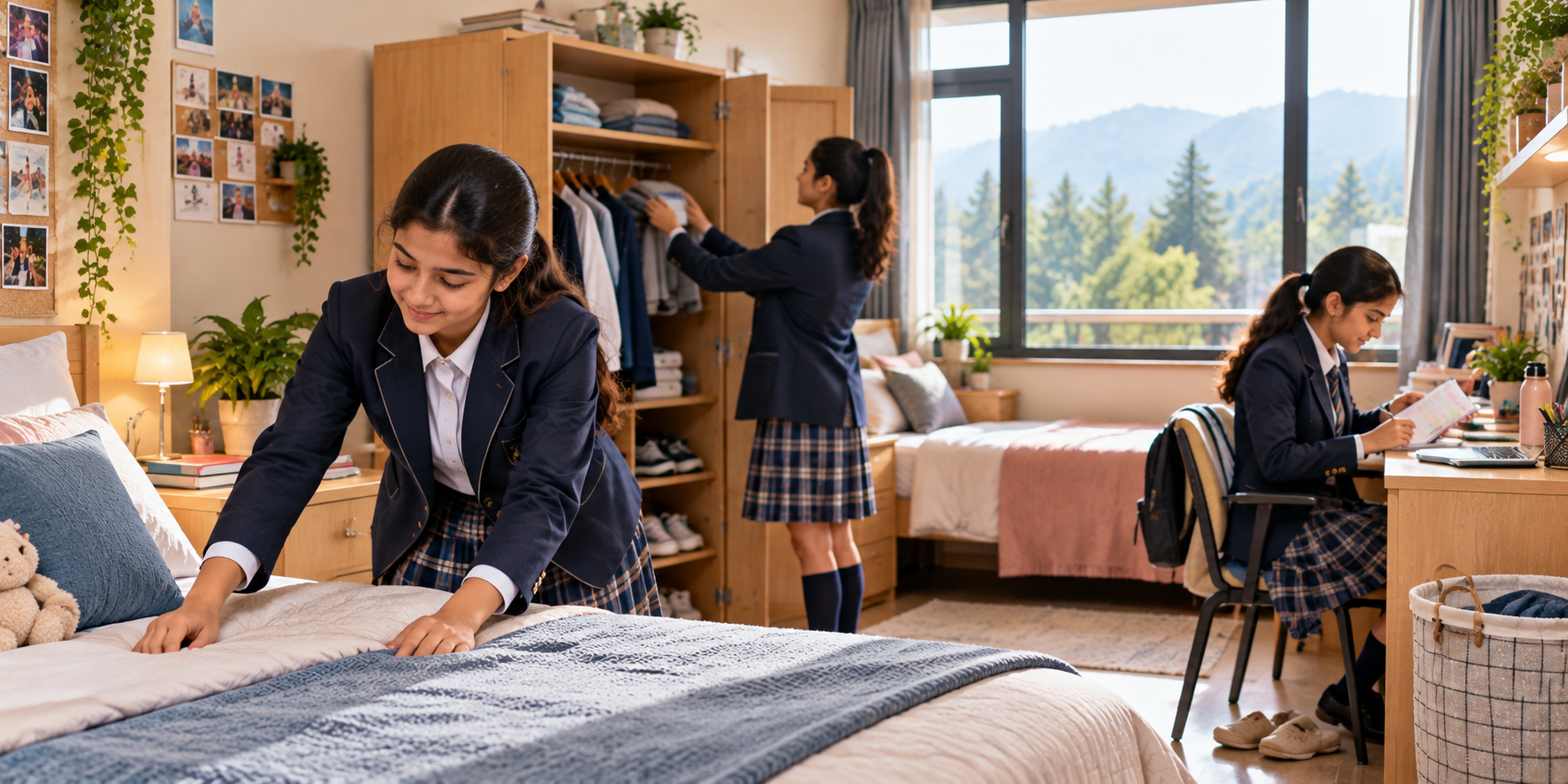
One of the main ways residential schools encourage independence is by helping students manage everyday tasks. Students follow daily schedules, organise their belongings, maintain personal hygiene, and keep their living spaces clean.
These responsibilities teach students to become more organised and accountable. Instead of relying on parents for every small task, they learn to handle daily activities independently while seeking help when necessary.
Over time, these habits contribute to self-reliance skills for students, helping them become more confident in managing their routines.
Learning Time Management and Discipline
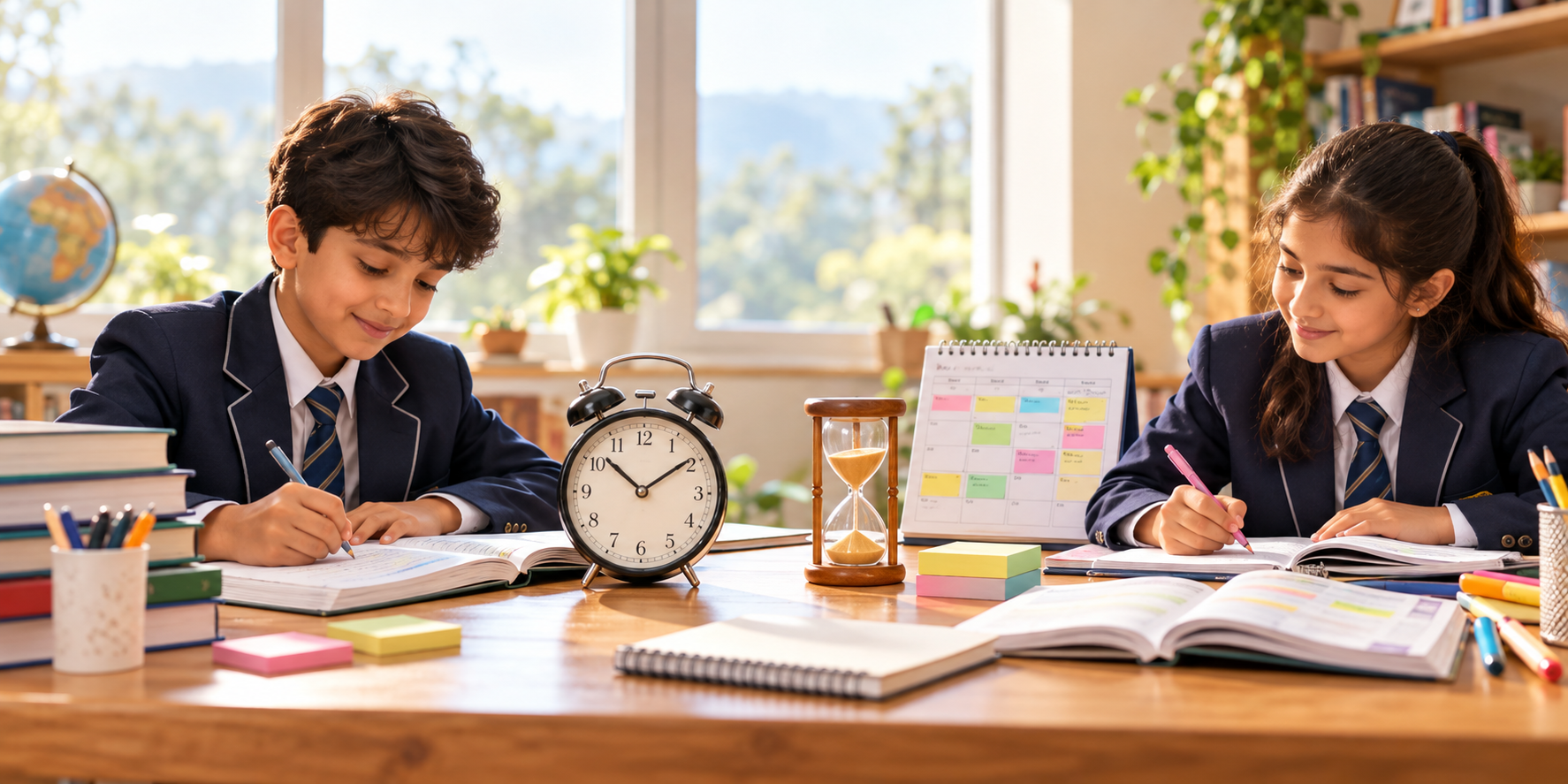
Residential schools usually follow structured timetables that include classes, study periods, meals, sports, and recreational activities. Following these routines helps students understand how to manage their time effectively.
Students learn to balance academic responsibilities with personal interests and social activities. They also become more aware of deadlines, punctuality, and the importance of completing tasks on time.
These habits support residential school independence by encouraging students to plan their day, prioritise activities, and take ownership of their academic progress.
Building Decision-Making Skills
Independent students need to evaluate situations, make choices, and understand the consequences of their decisions. Residential schools provide opportunities to practise these skills in everyday situations.
Students may decide how to organise their study time, participate in extracurricular activities, or resolve minor disagreements with classmates. Teachers and school staff provide guidance while encouraging students to think through their choices.
Learning to make responsible decisions helps students develop confidence and prepares them to handle more complex situations as they grow older.
Developing Self-Reliance Skills for Students

Self-reliance skills for students are essential for managing responsibilities without depending entirely on others. Residential school life encourages students to take initiative, solve everyday problems, and seek appropriate support when needed.
For example, students learn to prepare for classes, organise books and materials, follow personal routines, and communicate their needs clearly.
These experiences help students understand that independence does not mean doing everything alone. It also means recognising when guidance or assistance is necessary.
Improving Social Skills and Communication
Living alongside students from different backgrounds gives children opportunities to interact with a wider range of people. They learn to share spaces, respect differences, listen to others, and communicate their thoughts appropriately.
Group activities, classroom discussions, and shared residential responsibilities encourage cooperation and mutual respect.
These experiences can help students become more comfortable expressing themselves, building friendships, and resolving disagreements constructively. Strong communication skills are also valuable for future academic and professional relationships.
Encouraging Responsibility and Accountability
Residential school independence grows when students understand that their choices and actions have consequences. Following school rules, completing assignments, maintaining belongings, and respecting shared spaces all encourage accountability.
Students gradually learn to accept responsibility for mistakes and take practical steps to correct them. Supportive feedback from teachers and residential staff can help them understand expectations and improve their behaviour.
Developing accountability prepares students to manage responsibilities more effectively both at school and in everyday life.
Building Confidence Through Extracurricular Activities
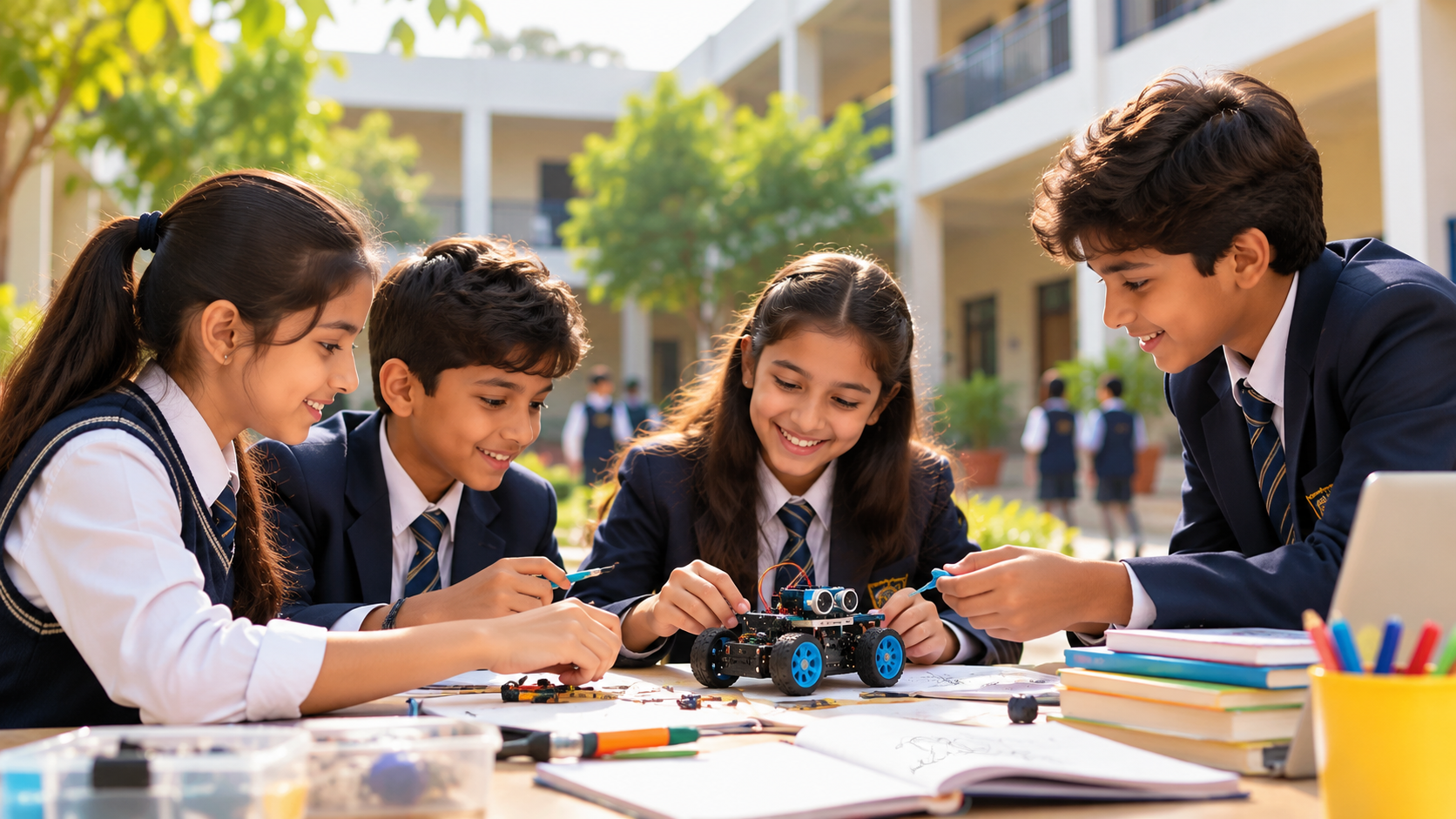
Sports, arts, music, debates, clubs, and leadership activities provide students with opportunities to explore their interests and discover their strengths.
Participating in these activities can help students practise teamwork, communication, problem-solving, and decision-making. Taking part in competitions or school events may also encourage them to step outside their comfort zones.
These experiences contribute to personal development and help students become more confident in their abilities.
Preparing Students for Future Challenges
The skills students develop in residential schools can support their transition to higher education and adult responsibilities. Managing schedules, working with others, making decisions, and solving problems are useful in university life and beyond.
Residential education also gives students opportunities to adapt to new environments, respond to feedback, and balance different responsibilities.
Although every student’s experience is different, a supportive residential environment can provide a foundation for continued growth and greater independence.
How Residential Schools Support Independent Students
Schools play an important role in helping students become independent. A well-organised residential programme combines clear expectations with appropriate guidance, supervision, and opportunities for students to make age-appropriate decisions.
Teachers, wardens, and mentors can support independent students by encouraging problem-solving, recognising responsible behaviour, and helping students learn from mistakes.
A balanced approach is essential. Students need opportunities to take responsibility while knowing that trusted adults are available to support their wellbeing and safety.
Conclusion
Residential schools can help students develop independence by teaching daily life skills, time management, decision-making, communication, and accountability. Through academic routines, shared responsibilities, and extracurricular activities, students gain practical experience in managing different aspects of their lives.
Residential school independence develops gradually through practice, guidance, and age-appropriate responsibility. By encouraging self-reliance skills for students in a supportive environment, residential schools can help young people build confidence and prepare for future challenges.
Frequently Asked Questions
Q1. How do residential schools help students become independent?
Ans: Residential schools give students opportunities to manage daily routines, organise their belongings, complete academic tasks, make decisions, and take responsibility for their actions.
Q2. What skills do independent students develop?
Ans: Through everyday experiences and guided learning, independent students develop time management, decision-making, communication, problem-solving, organisation, and accountability.
Q3. What is residential school independence?
Ans: Residential school independence refers to the ability to manage age-appropriate responsibilities, make informed decisions, and handle everyday challenges while using support when necessary.
Q4. Why are self-reliance skills important for students?
Ans: Self-reliance skills help students manage responsibilities, solve problems, organise their time, and prepare for future educational and personal challenges.
Q5. Do residential schools help students prepare for university life?
Ans: Residential schools can help students practise skills useful for university, including managing schedules, balancing responsibilities, communicating with others, and adapting to new environments.