

Performing Arts Programs in Girls’ Boarding Schools give students opportunities to explore drama, dance, music, theatre, and public speaking alongside their academic education. These activities allow students to express their ideas, discover creative interests, and practise performing in front of an audience.
Stage presence and performing arts programs in girls’ boarding schools can also support communication, teamwork, self-expression, and confidence. Through rehearsals, performances, and collaborative projects, students can learn to share responsibilities, respond to feedback, and present themselves comfortably in different settings.
This guide explores seven benefits of performing arts education and explains how girls’ boarding schools can create opportunities for students to develop their creative abilities.
Table of Contents
- What Are Performing Arts Programs in Girls’ Boarding Schools?
- Why Stage Presence Matters for Students
- Seven Benefits of Performing Arts Programs
- How Drama, Dance, and Music Build Confidence
- How Schools Can Encourage Stage Presence
- The Role of Teachers and Parents
- Frequently Asked Questions
What Are Performing Arts Programs in Girls’ Boarding Schools?
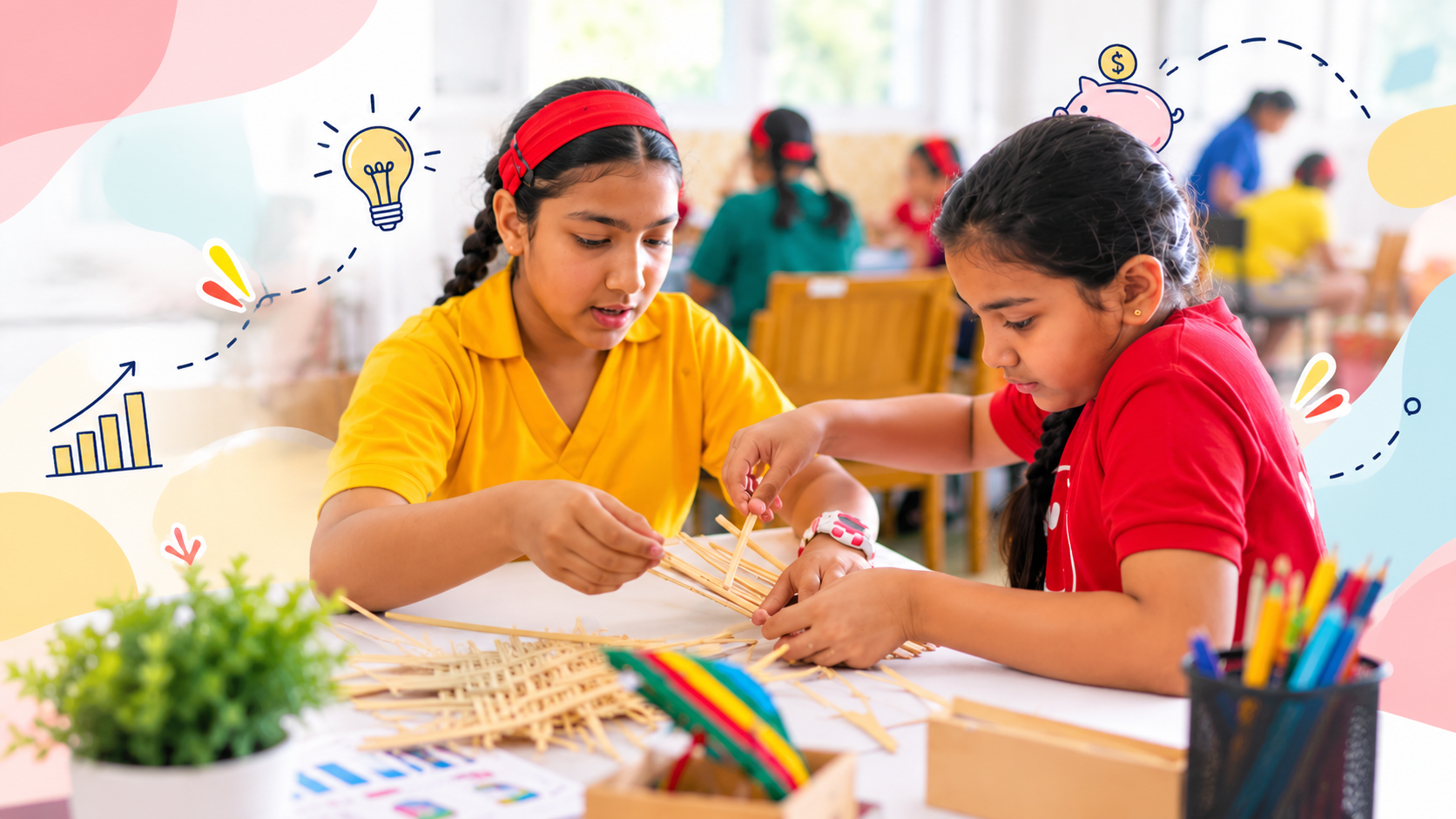
Performing arts programs in girls’ boarding schools are organised activities that allow students to participate in drama, theatre, dance, music, storytelling, and other forms of live performance.
Depending on the school’s facilities and activities, students may take part in school plays, musical performances, dance showcases, debates, cultural celebrations, and talent events.
These programmes provide opportunities to practise creative expression in a structured and supportive environment. Students can explore different art forms, work with classmates, and develop skills at their own pace.
Stage presence and performing arts programs in girls’ boarding schools can complement academic learning by encouraging students to communicate ideas clearly, collaborate with others, and become familiar with presenting their work before an audience.
Why Stage Presence Matters for Students
Stage presence is the ability to engage an audience through communication, expression, posture, movement, and awareness of the performance environment. It is not simply about being naturally outgoing. Students can develop stage presence through preparation, practice, and constructive feedback.
Performing on stage can help students become more familiar with speaking or presenting in front of others. It can also teach them how to communicate emotion, maintain focus, and respond to unexpected situations during a performance.
Performing arts programs in girls’ boarding schools can provide repeated opportunities to practise these abilities without making perfection the goal. Students should feel encouraged to learn from mistakes and appreciate their individual strengths.
7 Benefits of Performing Arts Programs in Girls’ Boarding Schools
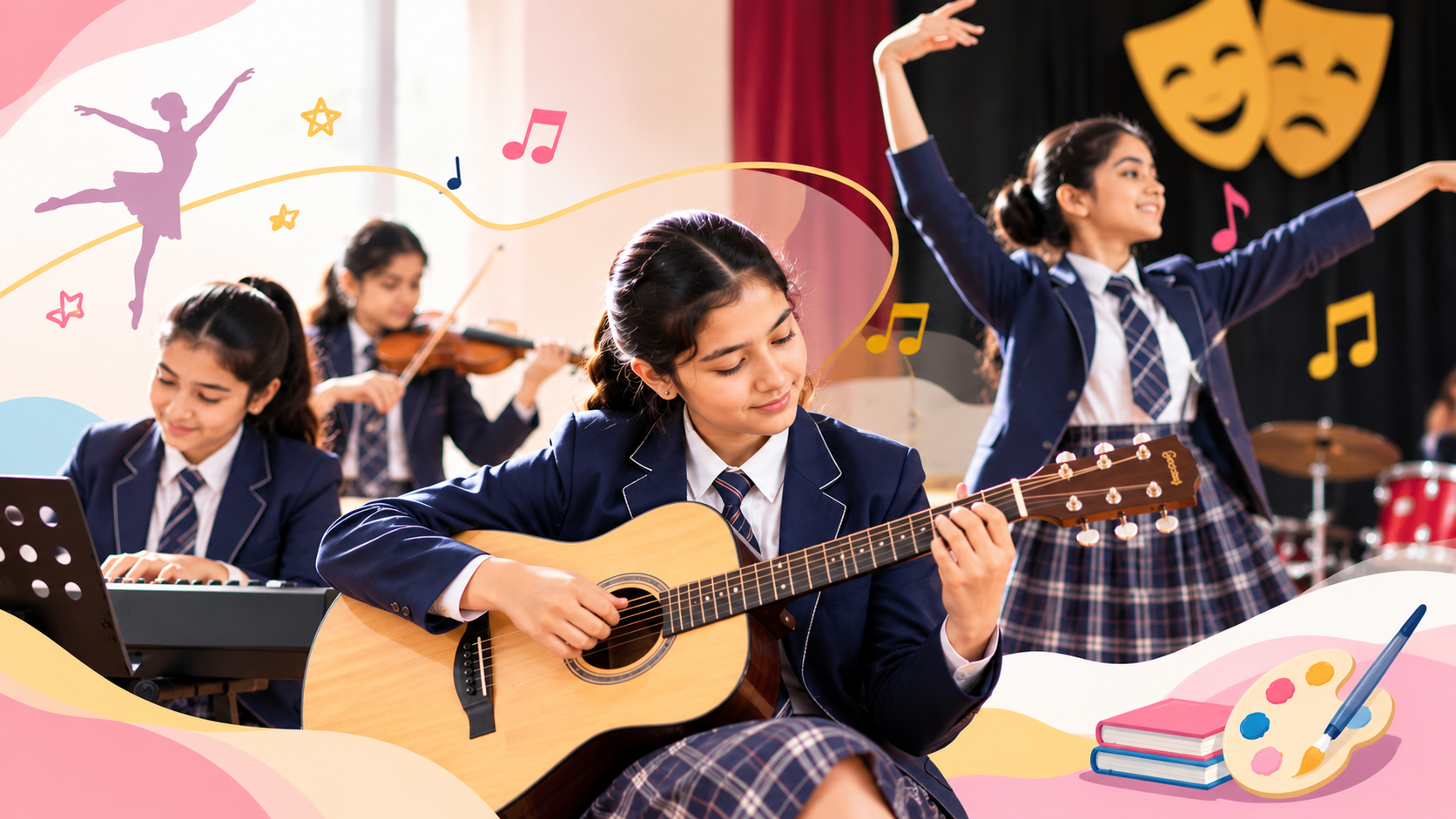
1. Builds Confidence and Self-Expression
Participating in drama, dance, music, or theatre gives students an opportunity to express ideas and emotions creatively.
Rehearsals and performances help students become familiar with preparation, practice, and presenting their work to others. They can gradually become more comfortable sharing their talents and participating in group activities.
Stage presence and performing arts programs in girls’ boarding schools can support confidence by providing structured opportunities for students to practise and receive constructive feedback.
2. Improves Communication Skills
Performing arts activities involve verbal and non-verbal communication. Students may practise voice projection, clear speech, facial expressions, gestures, listening, and storytelling.
Drama exercises and group performances also require students to understand instructions, respond to others, and communicate ideas clearly.
These skills may be useful in classroom presentations, debates, group projects, and future academic opportunities. Performing arts programs in girls’ boarding schools can therefore complement regular classroom learning.
3. Encourages Creativity and Imagination
Creative activities allow students to explore ideas, interpret stories, develop characters, compose music, and experiment with movement.
Students involved in theatre may contribute to scripts, costumes, stage design, lighting, or set preparation. Dance and music activities can similarly encourage experimentation and artistic interpretation.
Through performing arts programs in girls’ boarding schools, students can explore different interests and learn to approach creative challenges from multiple perspectives.
4. Develops Teamwork and Leadership
Productions and performances often involve collaboration among performers, musicians, choreographers, stage managers, and technical teams.
Students learn to coordinate schedules, respect different contributions, follow rehearsal plans, and work towards a shared outcome.
Some students may also take on responsibilities such as coordinating a group, helping organise a performance, or supporting younger participants.
Stage presence and performing arts programs in girls’ boarding schools can provide practical opportunities to develop cooperation, responsibility, and leadership through shared creative projects.
5. Strengthens Focus and Discipline
Preparing for a performance requires regular practice, attention to detail, and time management. Students may need to memorise lines, practise movements, learn musical pieces, or coordinate with other performers.
These activities encourage preparation and consistency. Students also learn that improvement often comes through repetition and feedback rather than immediate perfection.
Performing arts programs in girls’ boarding schools can help students practise these habits while balancing rehearsals with academic responsibilities and adequate rest.
6. Supports Cultural Awareness and Appreciation
Performing arts can introduce students to different stories, musical traditions, dance forms, languages, and cultural experiences.
School performances may include regional folk arts, traditional music, contemporary theatre, or student-created productions inspired by different communities.
When activities are presented respectfully and accurately, students can learn to appreciate diverse perspectives and artistic traditions.
Performing arts programs in girls’ boarding schools can create shared experiences that encourage cultural curiosity, mutual respect, and participation in school life.
7. Prepares Students for Presentations and Future Opportunities
The skills developed through performing arts can be useful beyond the stage. Students may gain experience in public speaking, creative collaboration, event organisation, and communicating with different audiences.
These abilities can support classroom presentations, interviews, student leadership roles, cultural events, and further study in the arts.
Stage presence and performing arts programs in girls’ boarding schools can also help students explore whether they want to pursue theatre, dance, music, media, or other creative fields. Participation does not require a student to choose an arts-related career; creative activities can remain a valuable part of a balanced education.
How Drama, Dance, and Music Build Confidence
Different performing arts activities offer different learning experiences.
Drama and theatre: Students practise character interpretation, dialogue, expression, improvisation, and storytelling.
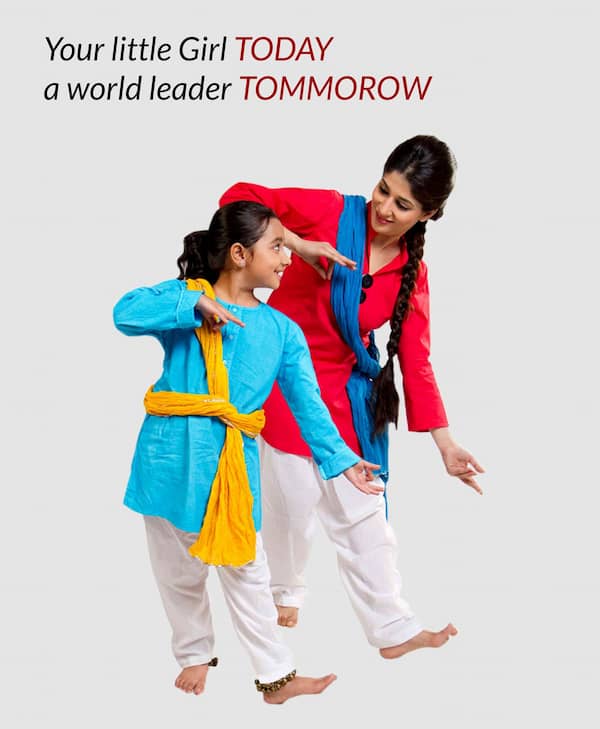
Dance: Students explore rhythm, movement, coordination, and expressive performance through appropriate training.
Music: Singing or playing instruments can develop listening, timing, musical understanding, and collaboration.
Public speaking: Speeches, storytelling, and presentations help students organise ideas and communicate with an audience.
Behind-the-scenes roles: Students can explore set design, costumes, props, sound, lighting, and stage management if they prefer technical or organisational contributions.
Performing arts programs in girls’ boarding schools should offer varied opportunities so that students can participate according to their interests, experience, and comfort levels.
How Schools Can Encourage Stage Presence
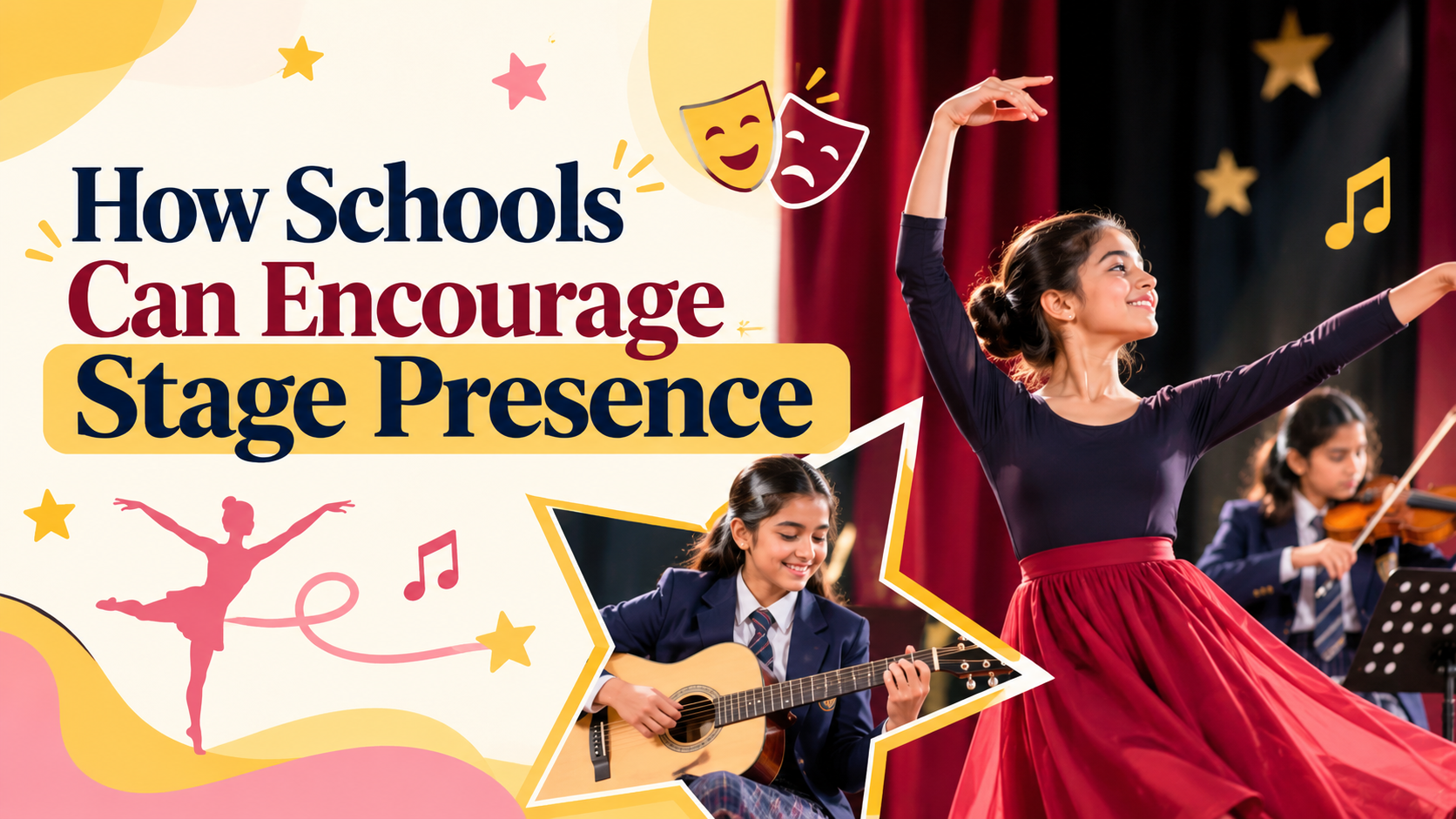
Schools can make stage presence and performing arts programs in girls’ boarding schools more accessible by creating regular, inclusive opportunities for participation.
Practical approaches include:
- Organising drama clubs, music groups, and dance activities.
- Holding school plays, cultural events, and student showcases.
- Providing supervised rehearsal time and suitable performance spaces.
- Offering constructive feedback and opportunities to practise.
- Encouraging students to explore both performing and technical roles.
- Ensuring that participation is supportive rather than compulsory.
- Helping students balance rehearsals with academics and rest.
Teachers should recognise effort, preparation, and progress rather than focusing only on the final performance. Students who feel nervous should be allowed to begin with smaller roles or behind-the-scenes responsibilities and participate more visibly when they feel ready.
Families exploring residential education can visit the Ecole Globale International Girls’ School website to learn about the school and contact its team for information about current extracurricular and performing arts opportunities.
The Role of Teachers and Parents
Teachers can support students by creating a respectful environment, explaining performance expectations, and giving feedback that identifies both strengths and areas for improvement.
Parents can encourage participation by showing interest in performances, recognising effort, and allowing students to explore different creative interests without pressure to excel in every activity.
Stage presence and performing arts programs in girls’ boarding schools work best when students have access to guidance, appropriate facilities, and opportunities to develop at their own pace.
The aim should be to help students enjoy creative expression while building transferable skills, not to make every student pursue public performance.
Conclusion
Performing arts programs in girls’ boarding schools can provide meaningful opportunities for students to explore creativity, improve communication, develop stage presence, and work collaboratively. Activities such as drama, dance, music, and theatre allow students to learn through practice while discovering their individual interests.
With inclusive activities, supportive teachers, and constructive feedback, stage presence and performing arts programs in girls’ boarding schools can complement academic education and encourage students to participate confidently in school life and future opportunities.
Frequently Asked Questions
Q1. What are the benefits of performing arts programs in girls’ boarding schools?
Ans: These programmes can provide opportunities to practise communication, creative expression, teamwork, focus, and stage presence through drama, dance, music, and theatre.
Q2. How can students improve their stage presence?
Ans: Students can practise regularly, prepare thoroughly, develop clear communication, become familiar with the performance space, and use constructive feedback to improve gradually.
Q3. Do students need previous performing arts experience?
Ans: Not necessarily. Entry requirements depend on the school’s activities. Beginner-friendly clubs and workshops can help students explore their interests and develop new skills.
Q4. Can performing arts help with academic development?
Ans: Performing arts can complement academic learning by providing opportunities to practise communication, collaboration, preparation, and presentation. They should be balanced with study time and rest.
Q5. Can students participate without performing on stage?
Ans: Yes. Students may contribute through costumes, set design, lighting, sound, props, script preparation, and stage management, depending on the opportunities available.