

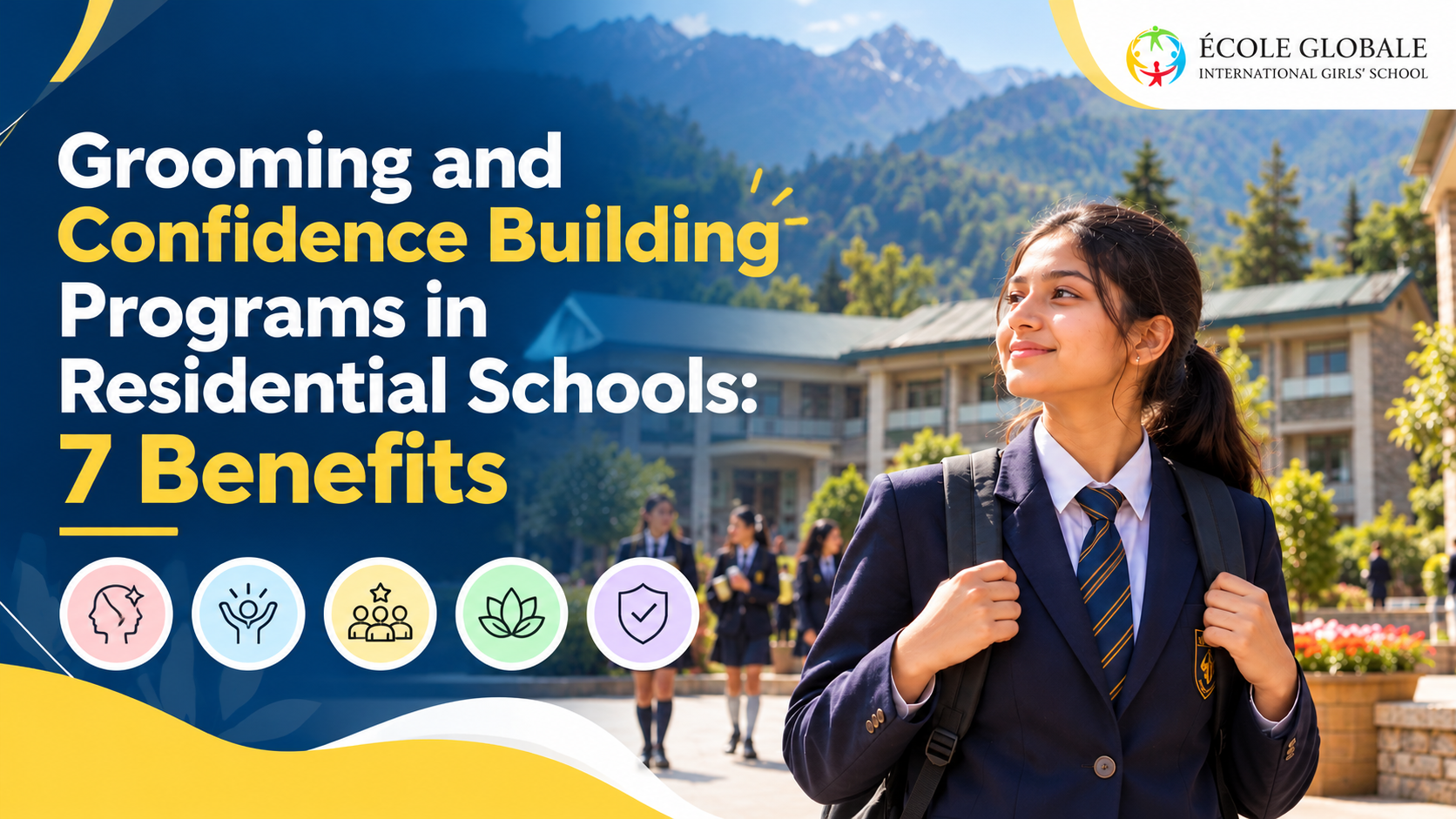
Grooming and Confidence Building Programs in Residential Schools help students develop communication skills, self-confidence, independence, leadership, and social awareness alongside their academic education. Residential schools give students opportunities to interact with peers, take part in group activities, and practise everyday responsibilities in a structured environment.
Well-designed grooming and confidence building programs in residential schools focus on personal care, respectful behaviour, effective communication, and practical life skills. These programmes can help students express their ideas, work with others, and become more comfortable in different social and academic situations.
In this guide, we explore seven benefits of grooming and confidence building programs in residential schools and explain how schools can incorporate these skills into students’ daily learning experiences.
Table of Contents
- What Are Grooming and Confidence-Building Programs in Residential Schools?
- Why Grooming and Confidence Matter
- Seven Key Benefits for Students
- How Residential Schools Can Teach Grooming and Confidence
- The Role of Teachers and Parents
- Frequently Asked Questions
What Are Grooming and Confidence-Building Programs in Residential Schools?
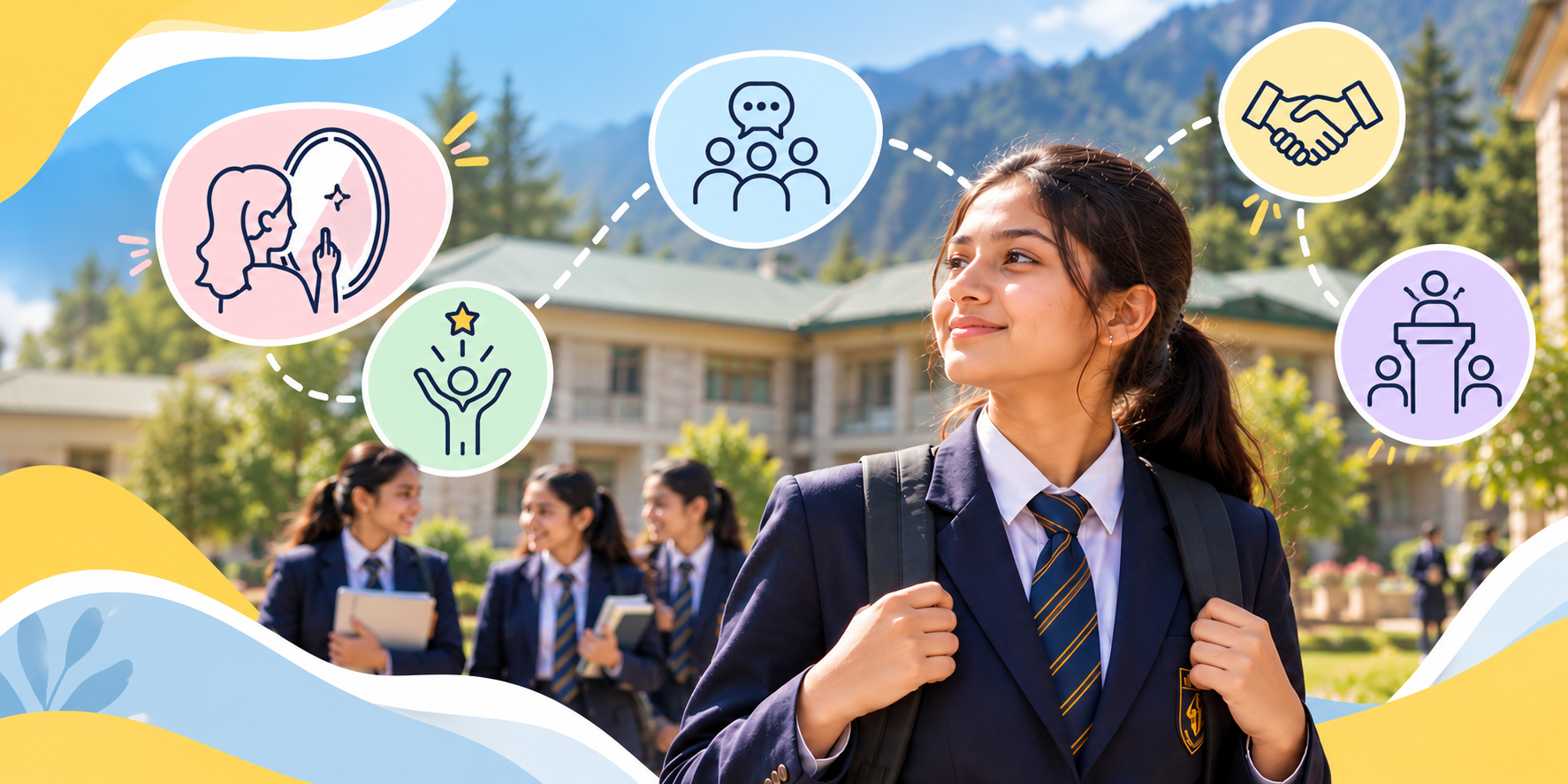
Grooming and confidence-building programs in residential schools are structured learning activities designed to support students’ personal development. They may include communication workshops, public speaking, social etiquette, personal hygiene education, teamwork, leadership exercises, and time management.
Grooming should focus on healthy self-care, hygiene, and respectful conduct rather than appearance-based expectations. Confidence building should help students recognise their strengths, express their opinions, ask for help, and approach new experiences with a willingness to learn.
These programmes complement academic learning by giving students opportunities to practise skills that are useful in school, relationships, higher education, and everyday life.
Why Grooming and Confidence Matter in Residential Schools
Residential education involves regular interaction with classmates, teachers, coaches, and other members of the school community. Students often have opportunities to manage daily routines, participate in activities, and take responsibility for assigned tasks.
Grooming and confidence building programs in residential schools can help students make the most of these experiences. With supportive guidance, students can learn to communicate respectfully, manage responsibilities, and develop positive relationships.
The aim is not to make every student behave or communicate in the same way. Instead, schools should recognise different personalities, interests, and abilities while encouraging each student to develop at a comfortable pace.
7 Benefits of Grooming and Confidence Building Programs in Residential Schools
1. Improved Communication Skills
Communication is an important part of personal and academic development. Students need to express their ideas, listen carefully, ask questions, and share opinions respectfully.
Grooming and confidence building programs in residential schools can include group discussions, presentations, storytelling, debates, and role-playing activities.
These experiences allow students to practise organising their thoughts, speaking clearly, and listening to different viewpoints. Regular practice can make classroom participation and group collaboration more comfortable.
2. Better Social Etiquette and Interpersonal Skills
Social etiquette teaches students how to interact respectfully in different situations. Examples include listening without interrupting, respecting personal boundaries, using polite language, and showing consideration for others.
Residential schools can teach these skills through supervised activities, practical examples, and group discussions.
Grooming and confidence building programs in residential schools can help students understand how respectful behaviour supports cooperation, friendships, and a positive school community.
3. Greater Independence and Self-Management
Living in a residential environment can provide opportunities to practise age-appropriate independence under suitable supervision.
Students may learn to organise their belongings, maintain personal hygiene, manage their schedules, prepare for lessons, and take responsibility for everyday tasks.
Grooming and confidence building programs in residential schools can reinforce these habits through practical exercises and achievable personal goals. Students can also learn when to seek guidance and how to solve everyday problems responsibly.
4. Leadership and Teamwork Development
Leadership involves more than holding a formal position. It includes responsibility, cooperation, decision-making, and helping others work towards shared goals.
Schools can encourage leadership through student councils, group projects, sports, cultural activities, and supervised school events.
Through these opportunities, students can practise sharing responsibilities, listening to team members, resolving disagreements, and contributing ideas. Grooming and confidence building programs in residential schools can support these experiences by teaching respectful communication and collaborative problem-solving.
5. Positive Self-Expression and Public Speaking
Some students may feel uncertain about speaking in front of a group or presenting their ideas. Supportive practice can help them become more familiar with these situations.
Activities such as storytelling, theatre, debates, class presentations, and student-led events provide opportunities to practise public speaking.
Grooming and confidence building programs in residential schools should encourage participation without forcing students into uncomfortable situations. Constructive feedback, preparation time, and gradual practice can help students develop confidence in their own abilities.
6. Emotional Awareness and Problem-Solving
Personal development also involves recognising emotions, responding thoughtfully to challenges, and resolving disagreements respectfully.
Students can practise these skills through reflection exercises, guided discussions, teamwork, and age-appropriate problem-solving activities.
Grooming and confidence building programs in residential schools can help students learn to express concerns, consider different perspectives, and seek support when needed. These skills may also help students navigate changes, group responsibilities, and everyday challenges.
7. Preparation for Future Academic and Professional Opportunities
Communication, teamwork, organisation, and self-management are useful skills in higher education and many professional environments.
Schools can help students practise these abilities through mock interviews, presentations, group projects, event planning, and career-awareness activities.
Grooming and confidence building programs in residential schools can introduce students to respectful professional communication, appropriate etiquette, and the importance of preparation. These experiences can help students become more familiar with situations they may encounter in future studies and careers.
How Residential Schools Can Teach Grooming and Confidence
Effective grooming and confidence building programs in residential schools combine practical activities with supportive guidance. Schools can adapt sessions to students’ ages, interests, and learning needs.
Useful approaches include:
- Communication workshops: Practise active listening, presentations, and respectful discussions.
- Personal care education: Teach hygiene, self-care, and healthy everyday routines.
- Etiquette sessions: Discuss respectful behaviour in classrooms, dining areas, school events, and public settings.
- Leadership activities: Give students opportunities to organise projects and collaborate with peers.
- Public speaking practice: Encourage storytelling, debates, presentations, and theatre.
- Practical responsibilities: Develop time management, organisation, and independent decision-making.
- Reflection and feedback: Help students identify strengths and set achievable personal goals.
Schools should make these activities inclusive and supportive. Grooming education should not encourage students to compare their appearance with others or suggest that one personality type is better than another. The focus should remain on wellbeing, practical skills, respect, and individual growth.
The Role of Teachers and Parents
Teachers and parents play an important role in reinforcing the lessons students learn through grooming and confidence building programs in residential schools.
Teachers can model respectful communication, provide constructive feedback, and create opportunities for students to participate in class discussions and group activities. They can also recognise effort and help students learn from mistakes without embarrassment.
Parents can support development by encouraging age-appropriate independence, listening to concerns, and allowing children to practise everyday decision-making. Recognising progress in communication, responsibility, and cooperation can help reinforce positive learning.
For additional information about children’s development and education, families and educators can explore UNICEF.
Families considering residential education can also visit the Ecole Globale International Girls’ School website to learn about the school and contact its team for details of current student-development activities and programmes.
Conclusion
Grooming and confidence building programs in residential schools can complement academic education by helping students develop communication, independence, leadership, social awareness, and practical life skills.
When programmes focus on personal care, respectful conduct, and positive self-expression, students can practise useful skills without feeling pressured to change their natural appearance or personality.
Through inclusive activities, supportive teachers, and everyday opportunities to learn, grooming and confidence building programs in residential schools can help students prepare for school responsibilities, higher education, and life beyond the classroom.
Frequently Asked Questions
Q1. What are grooming and confidence building programs in residential schools?
Ans: They are structured activities that help students practise communication, personal care, social etiquette, leadership, independence, and interpersonal skills alongside academic learning.
Q2. Why are grooming programmes useful for students?
Ans: Grooming education can teach personal hygiene, self-care, respectful behaviour, and appropriate communication. It should support students’ wellbeing without imposing rigid appearance standards.
Q3. Which activities can help students build confidence?
Ans: Public speaking, group discussions, sports, teamwork, creative activities, leadership opportunities, and supervised responsibilities can help students practise confidence and self-expression.
Q4. Can confidence-building activities help students prepare for careers?
Ans: They can help students practise transferable skills such as communication, organisation, teamwork, and presentation. These skills may be useful in higher education and future professional environments.
Q5. How can parents support confidence development?
Ans: Parents can encourage independence, listen to concerns, recognise effort, and provide opportunities for children to practise communication and decision-making in everyday situations.