
For parents exploring residential education, extracurricular opportunities can be an important part of the school-selection process. Boarding schools with horse riding facilities offer students an opportunity to experience equestrian activities alongside academics, sports, and other programmes.
Horse riding can be introduced as a structured extracurricular activity where students learn about riding, discipline, coordination, responsibility, and care for horses. For families specifically researching boarding schools with horse riding facilities in Dehradun, understanding the facilities and training arrangements is an important part of comparing schools.
What Are Boarding Schools With Horse Riding Facilities?
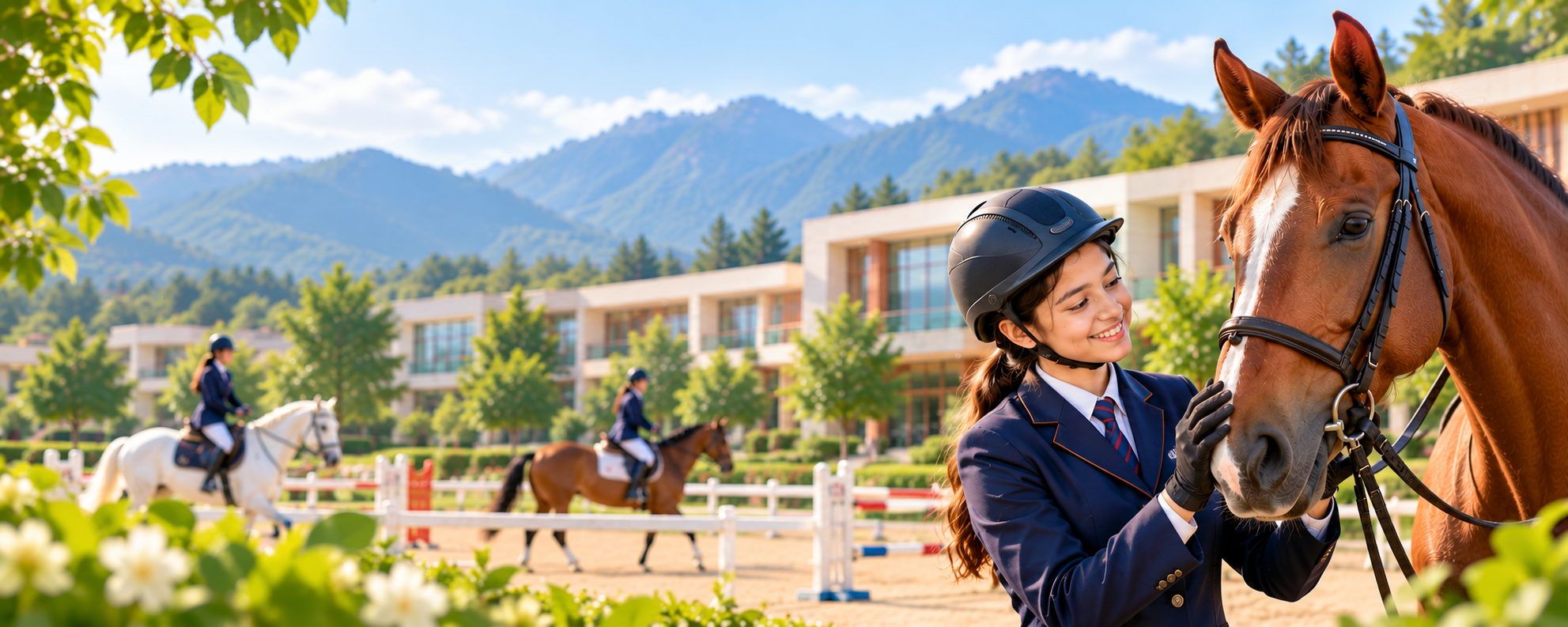
Boarding schools with horse riding facilities are residential schools that provide students with access to equestrian activities as part of their sports or extracurricular programmes.
Depending on the school, facilities may include:
- Riding arenas or designated riding areas
- Stables
- Trained horses
- Riding equipment
- Qualified instructors
- Safety equipment
- Structured riding sessions
- Horse-care activities
Facilities and instruction levels vary by school, so parents should confirm current arrangements directly with each institution.
Why Consider Horse Riding at a Boarding School?
Horse riding offers an activity that combines physical movement, concentration, coordination, and interaction with animals.
For students who enjoy outdoor activities, equestrian programmes can offer a different experience from conventional team sports.
A structured programme may also help students develop habits such as:
- Discipline
- Patience
- Concentration
- Responsibility
- Coordination
- Confidence
- Consistency
These skills can complement other aspects of a student’s school experience.
Horse Riding Boarding Schools in Dehradun
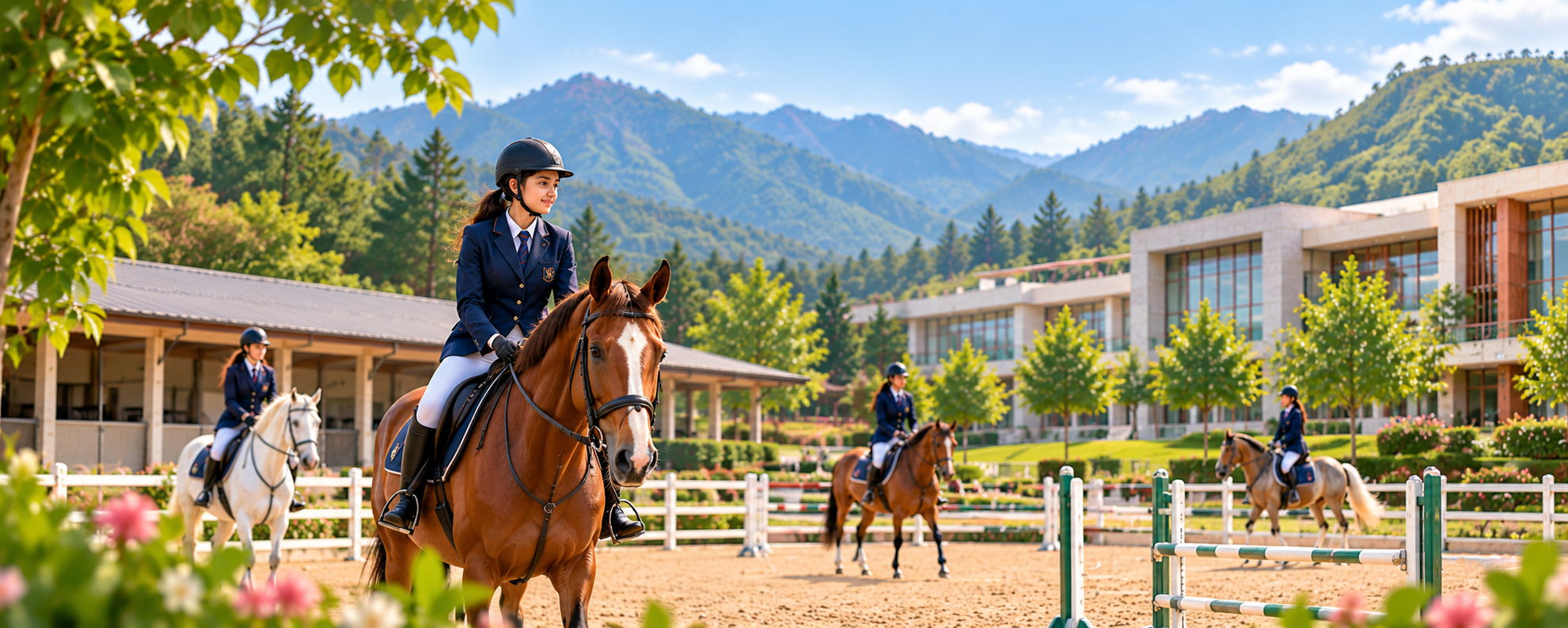
Families searching for horse riding boarding schools in Dehradun can compare schools based on both their academic programmes and equestrian facilities.
Dehradun is known for its residential-school environment, making it a location that parents may consider when looking for boarding education combined with diverse extracurricular opportunities.
However, parents should not assume that every boarding school in Dehradun offers horse riding. The availability of horses, riding areas, instructors, schedules, and training programmes should be verified with the individual school.
Equestrian Facilities in Boarding Schools
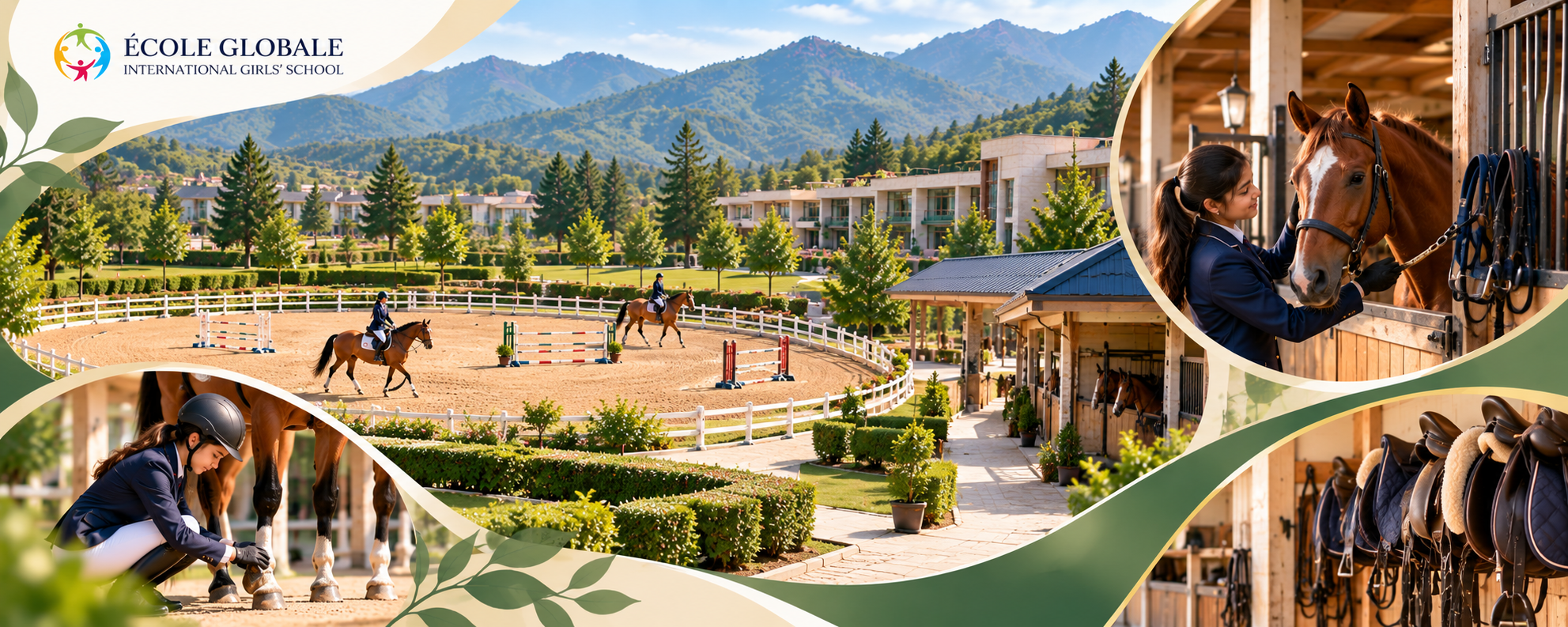
The quality and scope of equestrian facilities can differ considerably.
Parents should ask whether the school provides:
Riding Areas
A suitable riding area gives students a controlled space for learning and practising riding skills.
Stables
Stables provide accommodation and care facilities for horses. Parents can ask about cleanliness, maintenance, ventilation, and regular animal-care practices.
Qualified Instructors
Experienced instructors can help students learn appropriate riding techniques and safety practices according to their level of experience.
Safety Equipment
Students should use appropriate protective equipment during riding sessions. Parents can ask what safety equipment is provided and what procedures are followed during lessons.
Horse Riding for Beginners
Not every student joining a boarding school will have previous riding experience.
A well-structured programme can offer different levels of instruction depending on students’ familiarity with horse riding.
Beginners may first learn basic safety procedures, how to approach and handle a horse, riding posture, and fundamental riding techniques before progressing to more advanced activities.
Parents should ask whether the school provides beginner-level instruction and how students are introduced to the activity.
Developing Responsibility Through Horse Care
One distinctive aspect of equestrian activities is that students can learn about caring for animals in addition to riding.
Depending on the school’s programme, students may learn about basic horse care, grooming, stable routines, and responsible handling under appropriate supervision.
These experiences can introduce students to responsibility and encourage respect for animals.
Horse Riding and Student Development
Participation in equestrian activities can complement a student’s broader development.
Regular practice may encourage students to work on:
Concentration: Riding requires students to pay attention to instructions and their surroundings.
Coordination: Students learn to coordinate posture, movement, and communication with the horse.
Discipline: Developing riding skills requires regular practice and consistency.
Responsibility: Horse-care activities can introduce students to responsible routines.
Confidence: Learning a new skill can provide students with opportunities to develop confidence gradually.
These benefits can vary from student to student and depend on the quality and structure of the programme.
Balancing Horse Riding With Academics
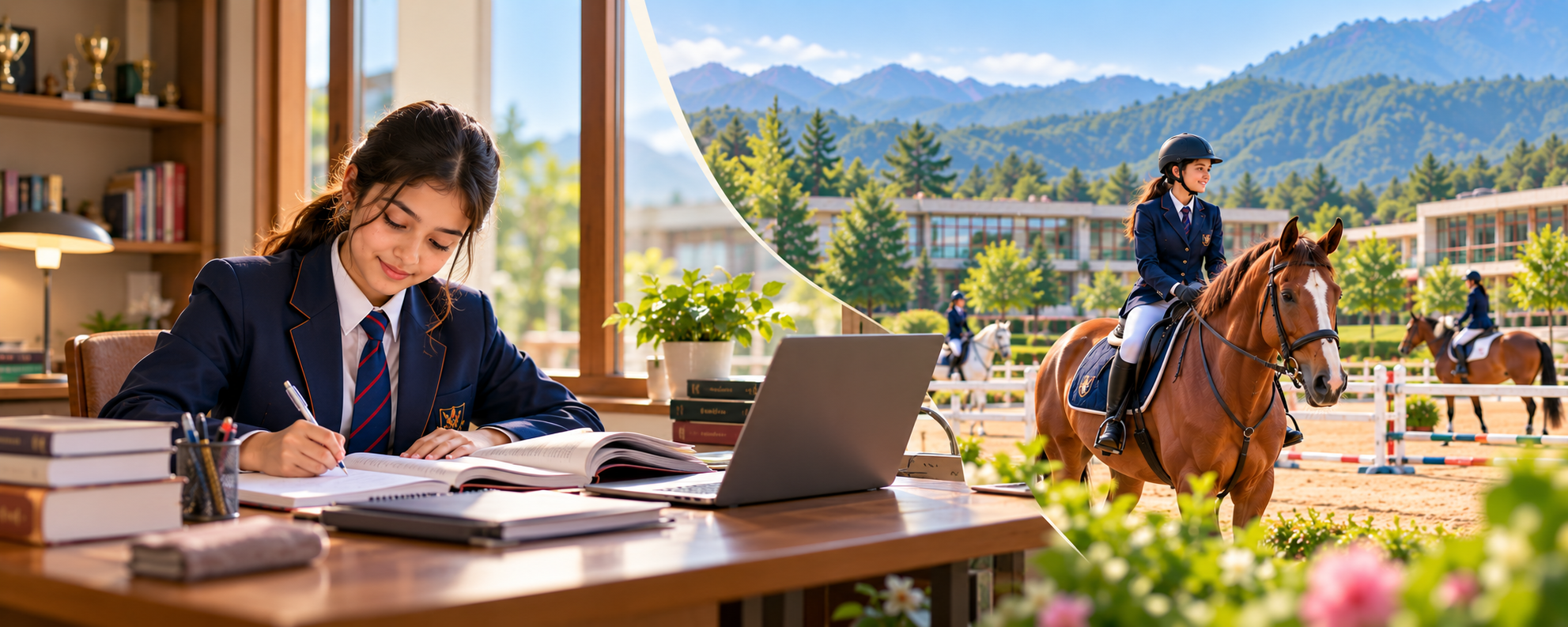
For boarding students, extracurricular activities need to fit within the academic schedule.
A well-planned timetable can allow students to balance:
- Classroom learning
- Study periods
- Horse riding
- Sports
- Creative activities
- Meals
- Rest
- Residential responsibilities
Parents should ask how frequently riding sessions take place and how the school balances them with academic commitments.
Horse Riding as an Extracurricular Activity
Horse riding can be one component of a wider extracurricular programme.
Students may also have opportunities to participate in sports, music, art, drama, clubs, competitions, leadership activities, and community programmes.
For parents comparing boarding schools with horse riding facilities, it is therefore useful to look at the entire extracurricular programme rather than focusing on one activity alone.
What Parents Should Check Before Choosing a School
When researching boarding schools with horse riding facilities in Dehradun, parents should ask specific questions about the programme.
Consider checking:
- Does the school currently offer horse riding?
- Are riding facilities located on campus?
- Are qualified instructors available?
- Is the programme suitable for beginners?
- What safety equipment is provided?
- How are horses cared for?
- How frequently are riding sessions conducted?
- Is horse riding included in school fees or charged separately?
- How is riding balanced with academic schedules?
- Can parents visit and see the equestrian facilities?
Getting clear answers can help families compare schools more effectively.
Horse Riding at Ecole Globale
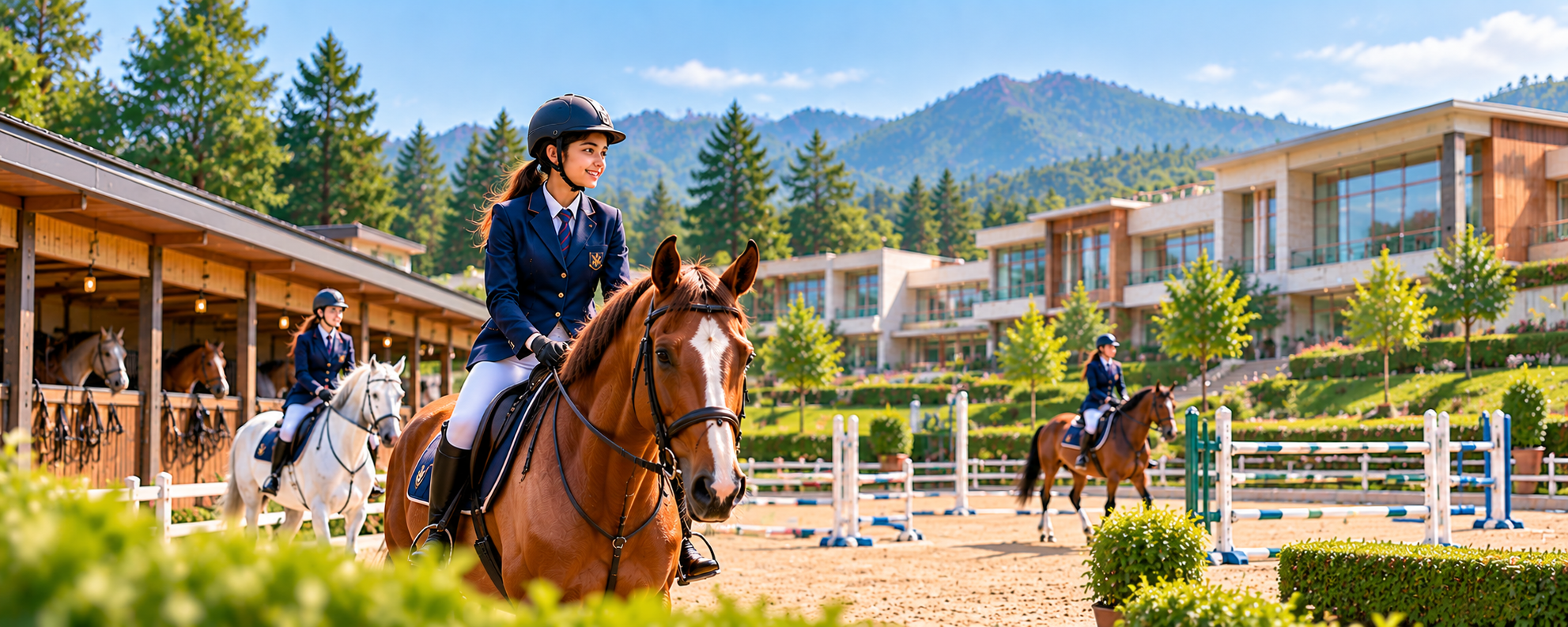
Families researching boarding schools with horse riding facilities may also consider the extracurricular opportunities available at Ecole Globale International Girls School in Dehradun.
Parents should review the school’s current official information to confirm the availability, scope, schedules, and arrangements of any horse riding or equestrian programme before making a decision.
The wider school environment should also be considered, including academics, boarding facilities, sports, student support, campus infrastructure, and other extracurricular opportunities.
Choosing the Right Boarding School
Horse riding can be an attractive extracurricular option, but it should be considered alongside the broader educational experience.
When comparing horse riding boarding schools in Dehradun, parents can evaluate:
- Academic curriculum
- Boarding environment
- Student safety
- Equestrian facilities
- Sports opportunities
- Extracurricular programmes
- Student support
- Campus infrastructure
- Location and accessibility
- Admission requirements and fees
This approach helps parents assess whether the school meets their daughter’s overall educational needs.
Conclusion
Boarding schools with horse riding facilities can provide students with opportunities to explore equestrian activities alongside academics and other extracurricular programmes. Horse riding may encourage concentration, coordination, discipline, responsibility, and confidence while giving students an opportunity to develop a distinctive practical skill.
For families researching boarding schools with horse riding facilities in Dehradun, it is important to verify the current facilities, instructors, safety arrangements, horse-care practices, and programme structure of each school.
Rather than choosing a school based on horse riding alone, parents should consider the complete educational and residential environment and determine whether it matches their daughter’s interests, academic goals, and overall development needs.