



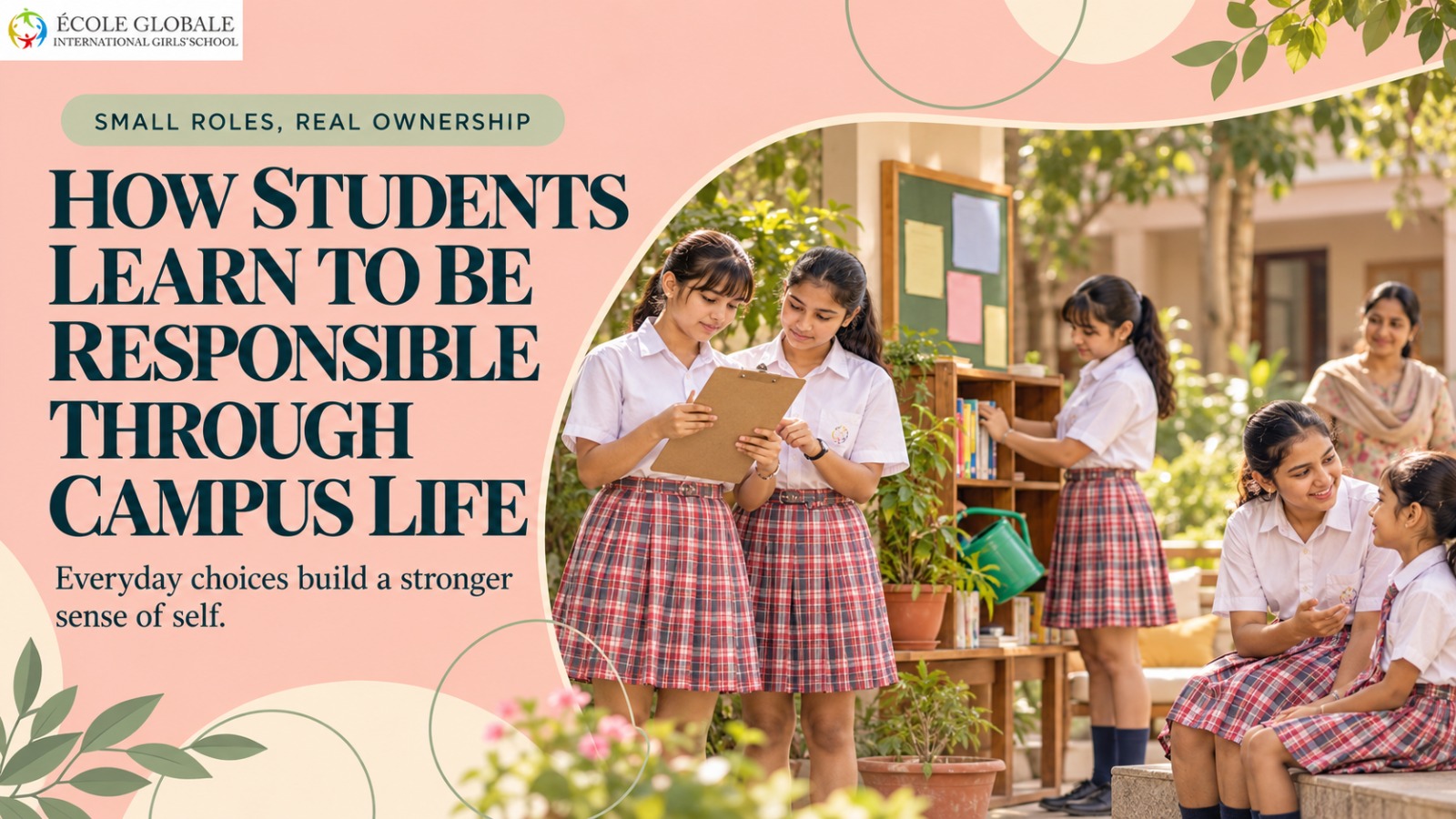
Campus life gives students opportunities to learn skills that extend beyond academic subjects. Daily routines, school activities, teamwork, shared spaces, and participation in campus programmes can encourage students to take ownership of their actions and responsibilities.
Responsibility through campus life develops gradually as students learn to manage their routines, complete tasks, respect shared spaces, and contribute to their school community. These everyday experiences can help students become more organised, dependable, and independent.
What Does Responsibility Mean for Students?
Student responsibility involves understanding that actions have consequences and recognising the importance of completing commitments. It can include managing personal belongings, following routines, completing assignments, participating in activities, and respecting other members of the school community.
Student responsibility does not develop through lectures alone. Students often learn it through regular experiences where they are given appropriate responsibilities and opportunities to make decisions.
How Campus Life Builds Responsibility
One of the main benefits of responsibility through campus life is that students experience responsibilities as part of their everyday routines.
On a school campus, students may need to:
- Follow daily schedules
- Organise their belongings
- Complete academic tasks
- Participate in activities
- Keep shared areas organised
- Follow school rules
- Work with classmates
- Take care of assigned responsibilities
These experiences can help students understand the importance of consistency and accountability.
Developing Responsibility Through Daily Routines
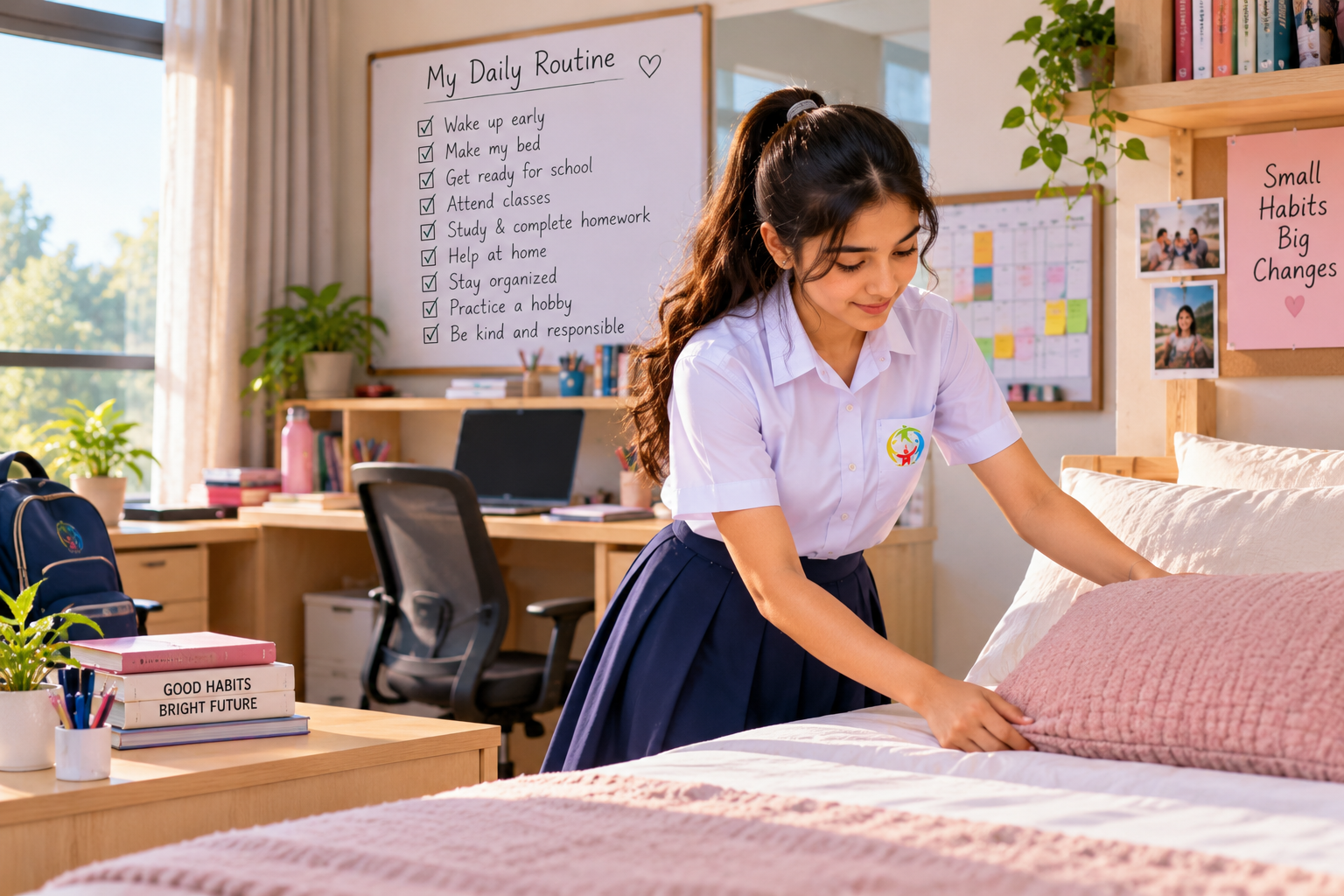
Daily routines provide repeated opportunities for developing responsibility in students. Following a timetable requires students to understand when and where they need to be and what they need to accomplish.
Students may learn to prepare their school materials, manage their personal schedules, arrive on time, and complete daily tasks.
Over time, these routines can encourage students to become more organised and less dependent on constant reminders.
Taking Care of Personal Belongings
Campus life can teach students to take responsibility for their own belongings. Books, uniforms, sports equipment, stationery, and other personal items need to be organised and looked after.
Learning to keep track of personal belongings can encourage students to become more careful and organised.
These simple habits can contribute to student responsibility and help students understand the value of taking care of things they use every day.
Responsibility Through Teamwork
Teamwork provides another opportunity for responsibility through campus life. Group projects, sports teams, clubs, performances, and school events require students to contribute to shared goals.
Each student may have a particular role or task. If one person does not complete their responsibility, it can affect the rest of the group.
Through these experiences, students can learn about cooperation, accountability, communication, and reliability.
Caring for Shared Spaces
Students can also learn responsibility by taking care of the spaces they share with others.
Classrooms, libraries, sports areas, dining spaces, and other campus facilities require students to follow appropriate rules and treat shared resources respectfully.
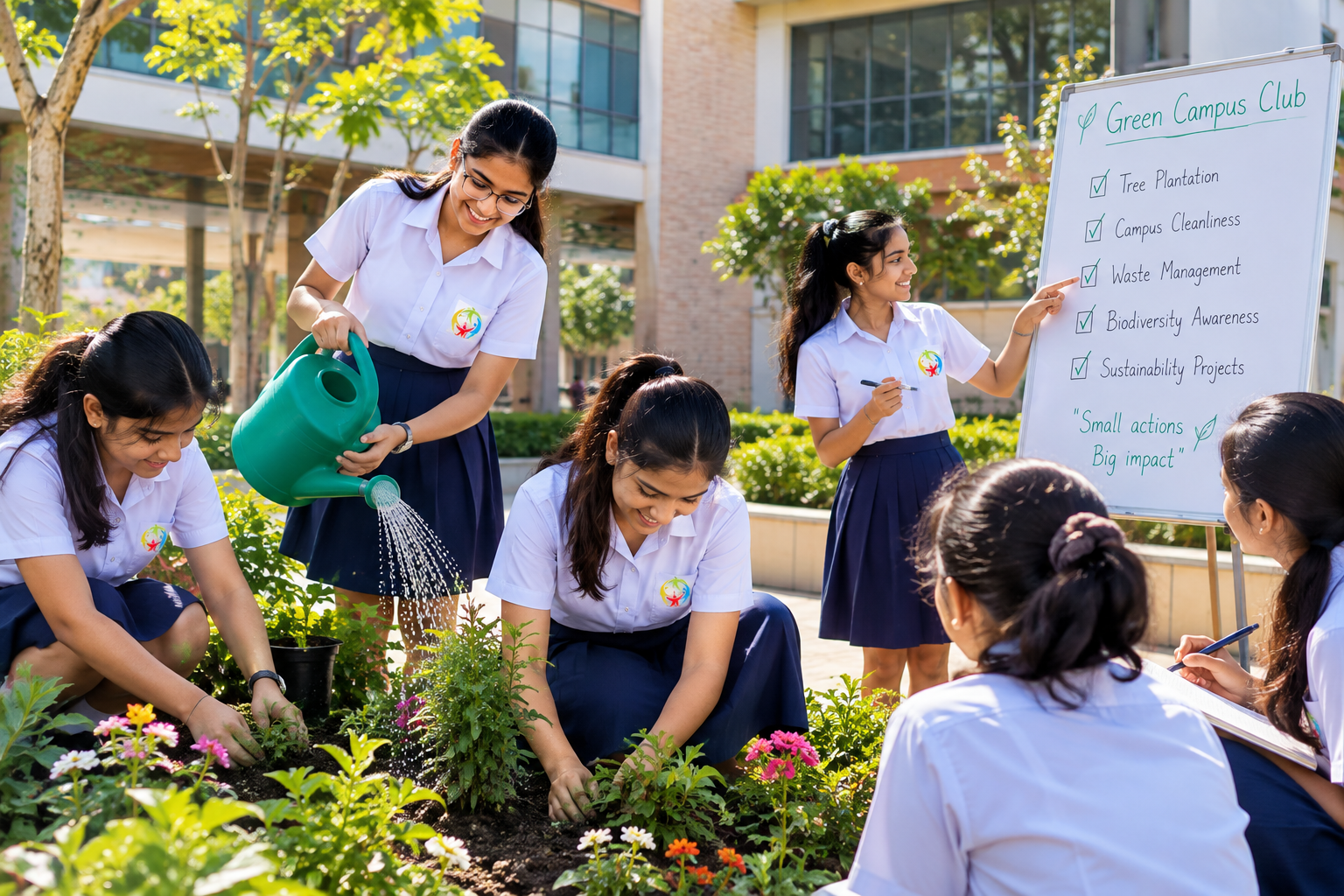
Simple actions such as keeping spaces tidy, using equipment carefully, and following campus guidelines can help students understand their role in maintaining a positive environment.
Learning Through Leadership Opportunities
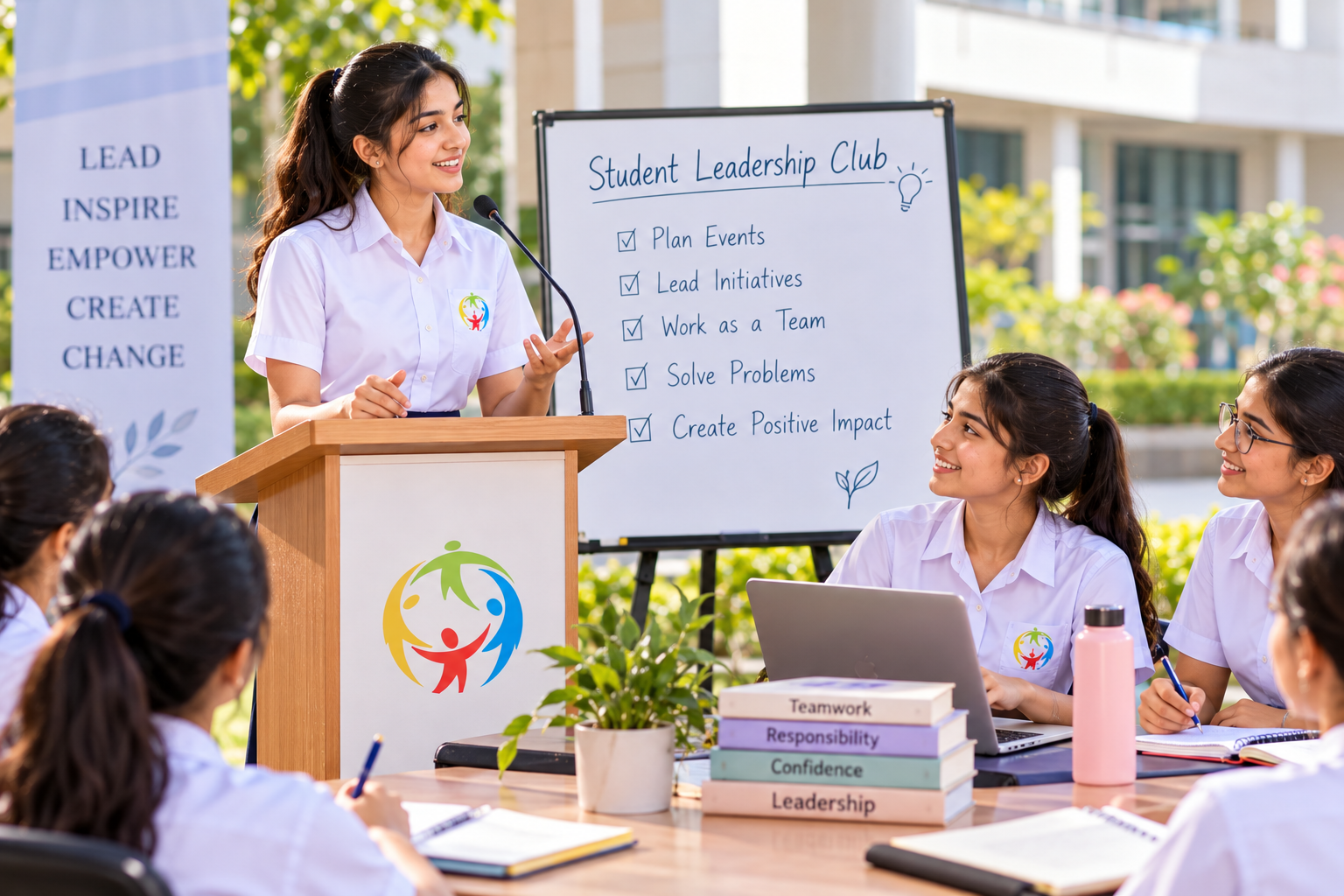
Leadership activities can provide valuable opportunities for developing responsibility in students. Student councils, house activities, clubs, sports teams, and school events can allow students to take on specific roles.
Students in leadership positions may need to organise activities, communicate with peers, follow through on commitments, and work with teachers.
These experiences can help students understand that leadership involves responsibility as well as decision-making.
Making Responsible Decisions
Campus life gives students opportunities to make age-appropriate decisions. They may need to decide how to organise their time, complete tasks, participate in activities, or respond to different situations.
Making decisions and learning from their outcomes can help students understand the importance of thinking before acting.
This is another important aspect of student responsibility, because responsible behaviour involves considering how choices affect oneself and others.
Learning Accountability
Accountability means accepting responsibility for one’s actions and commitments. School life provides many everyday opportunities to develop this quality.
If students forget an assignment, fail to prepare for an activity, or do not complete an agreed task, they can learn to recognise what happened and consider how they can improve.
Supportive guidance can help students understand that accountability is about learning from experiences rather than simply avoiding mistakes.
Responsibility Through Extracurricular Activities
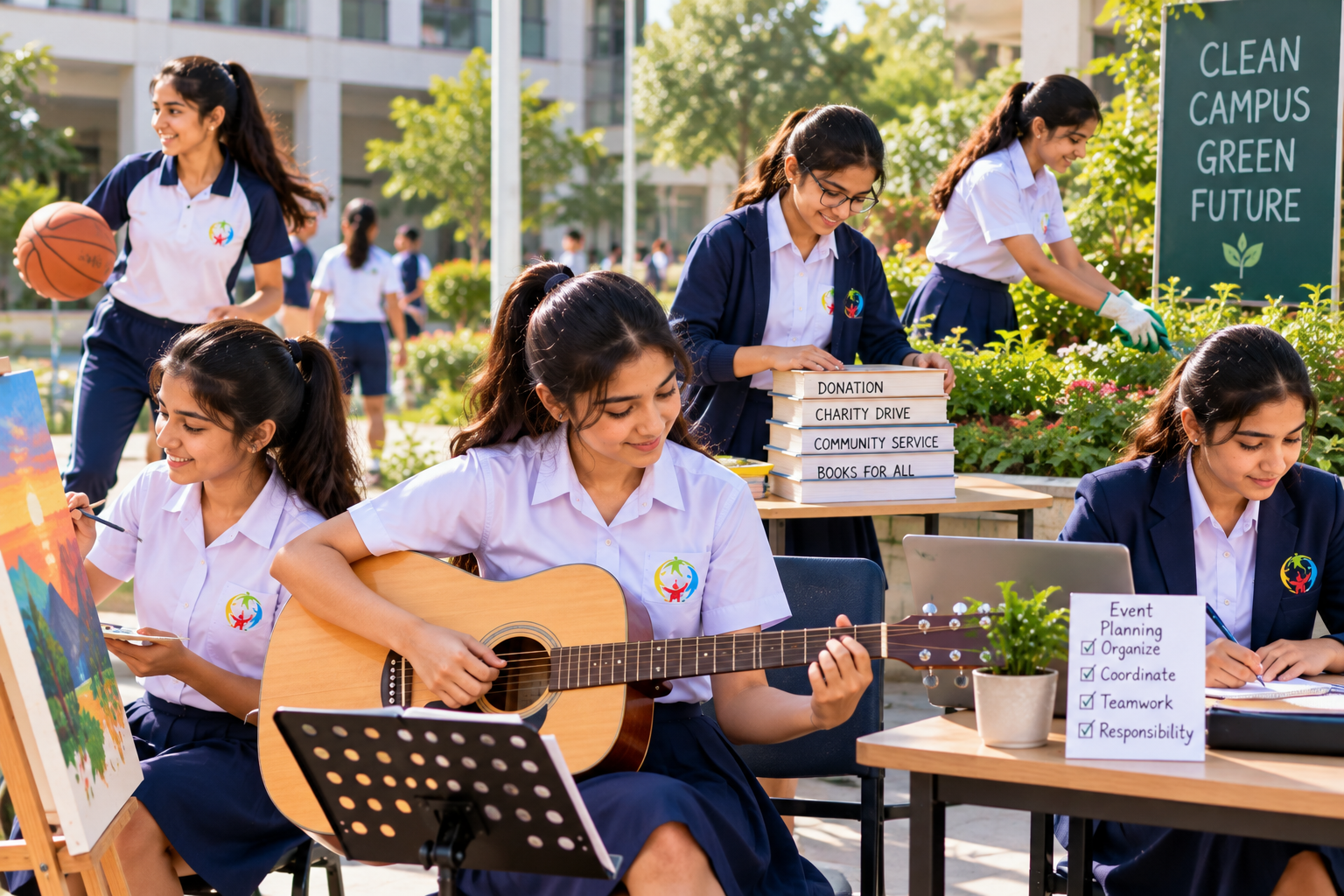
Extracurricular activities can strengthen responsibility through campus life by giving students opportunities to commit to something beyond regular academic classes.
Sports teams, music groups, art clubs, debate societies, theatre groups, and community activities may require students to attend practices, prepare for events, and work with others.
Regular participation can encourage commitment, consistency, and time management.
The Role of Teachers and Staff
Teachers and school staff play an important role in developing responsibility in students. Students need clear expectations and appropriate guidance to understand what is expected of them.
Teachers can gradually give students responsibilities that match their age and abilities. They can also provide constructive feedback and encourage students to reflect on their choices.
A supportive approach allows students to develop independence while still having guidance when they need it.
How Parents Can Encourage Responsibility
Parents can reinforce lessons about responsibility by giving children suitable responsibilities at home.
Simple tasks such as organising personal belongings, following routines, preparing school materials, or helping with household activities can complement the experiences students gain on campus.
Parents can encourage children to complete tasks independently while providing support when necessary.
Responsibility at Ecole Globale International Girls School
At Ecole Globale International Girls School, campus life can provide students with opportunities to develop independence, teamwork, leadership, and responsibility. Academic routines, extracurricular activities, residential experiences, and participation in school life can give students practical opportunities to take ownership of different tasks.
These experiences can contribute to student responsibility by helping students understand the importance of commitment, cooperation, organisation, and accountability.
Why Responsibility Matters Beyond School
The lessons students learn through responsibility in campus life can remain useful beyond their school years.
Students who practise organisation, accountability, teamwork, decision-making, and time management can apply these skills in higher education, future workplaces, and everyday life.
Responsibility is therefore not only a school expectation. It is an important life skill that develops through repeated experiences and appropriate guidance.
Conclusion
Responsibility through campus life develops through everyday experiences. Following routines, caring for belongings, contributing to teams, maintaining shared spaces, participating in activities, and taking on leadership roles can give students practical opportunities to become more responsible.
By developing responsibility in students, schools can help learners become more organised, dependable, and independent. With support from teachers, staff, and parents, campus life can become an important environment for developing student responsibility and preparing students for responsibilities beyond school.
Frequently Asked Questions
Q1. How does campus life teach students responsibility?
Ans: Campus life gives students everyday opportunities to manage routines, complete tasks, care for belongings, follow rules, work with others, and contribute to their school community.
Q2. Why is student responsibility important?
Ans: Student responsibility helps learners become more organised, dependable, independent, and accountable for their actions and commitments.
Q3. How can schools develop responsibility in students?
Ans: Schools can develop responsibility in students by providing age-appropriate tasks, leadership opportunities, teamwork activities, extracurricular programmes, and responsibilities related to daily campus life.
Q4. What activities help students develop responsibility?
Ans: Sports teams, student councils, clubs, group projects, school events, community activities, and maintaining shared spaces can help students practise responsibility.
Q5. How can parents support student responsibility?
Ans: Parents can give children suitable responsibilities at home, encourage them to manage their belongings and routines, and allow them to complete age-appropriate tasks independently.