




Education is not limited to academic achievement. Students also need opportunities to develop responsibility, confidence, discipline, empathy, teamwork, and decision-making skills. This is where character development in boarding schools becomes an important part of a student’s overall education.
Boarding schools provide an environment where students spend a significant amount of time learning, participating in activities, interacting with peers, and managing daily routines. These experiences can create practical opportunities for character development in boarding schools while helping students become more independent and responsible.
What Is Character Development?
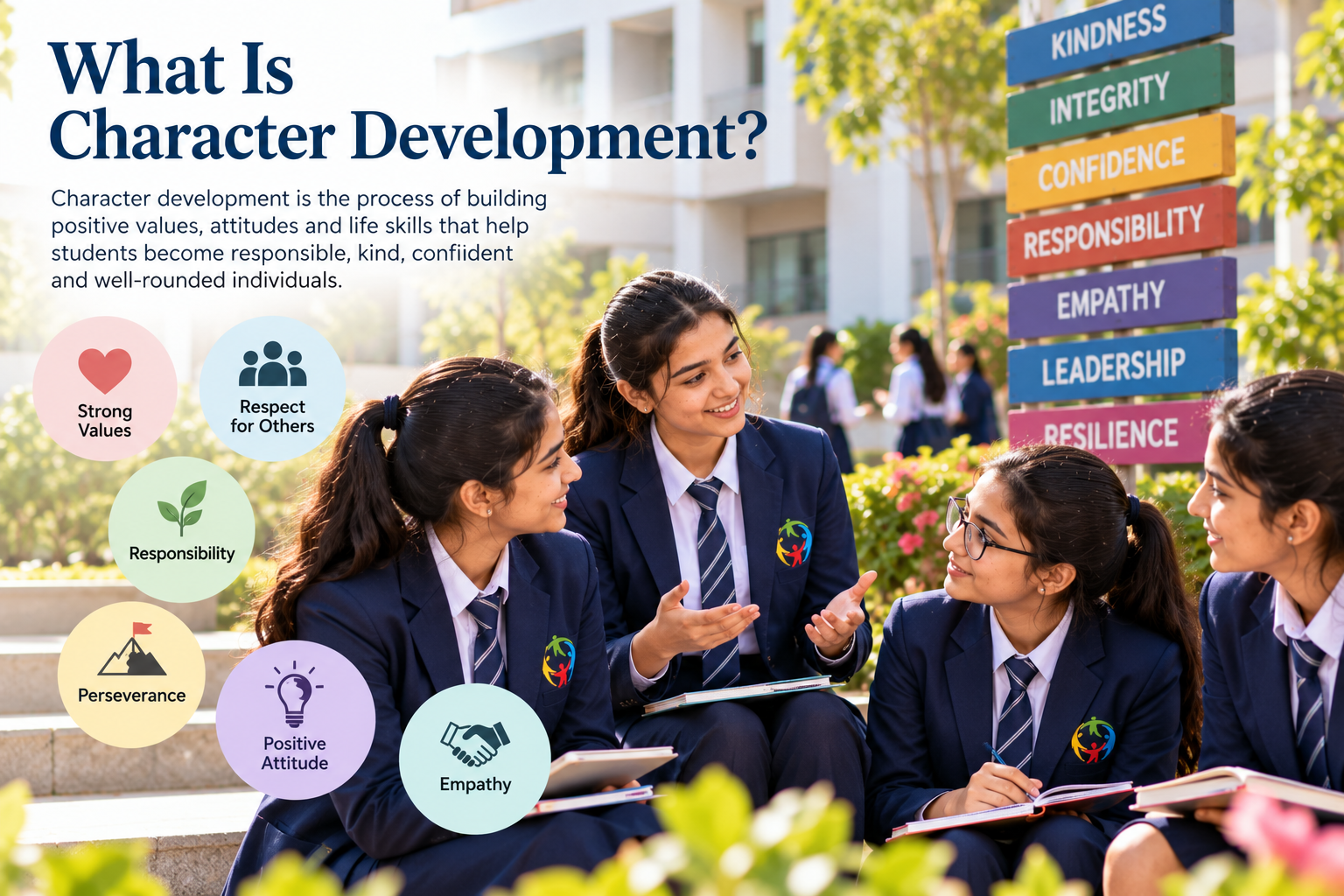
Character development refers to the gradual development of qualities, values, attitudes, and behaviours that influence how students respond to different situations.
Important qualities can include:
- Responsibility
- Respect
- Honesty
- Discipline
- Empathy
- Teamwork
- Leadership
- Resilience
- Self-confidence
- Decision-making
Character development in boarding schools can take place through everyday experiences rather than through classroom lessons alone.
Why Character Development Matters in Boarding Schools
Boarding school life involves more than attending classes. Students participate in residential routines, extracurricular activities, sports, group projects, and social experiences.
These experiences can help students understand how their choices affect themselves and others.
Through character development in boarding schools, students can learn to take responsibility for their routines, respect different perspectives, cooperate with others, and respond appropriately to challenges.
Building Responsibility Through Daily Routines
Daily routines can provide practical opportunities for students to become more responsible. Students may need to manage their belongings, follow schedules, prepare for classes, complete assignments, and participate in school activities.
These responsibilities encourage students to become organised and understand the importance of completing tasks.
This practical approach makes character development in boarding schools part of everyday student life rather than something limited to a specific lesson.
Developing Discipline and Self-Management
Boarding school routines often require students to manage their time carefully. Balancing academic work, sports, extracurricular activities, personal time, and rest can encourage students to develop self-management skills.
Students gradually learn the importance of planning and following routines.
Developing discipline does not mean expecting perfection. Instead, character development in boarding schools can involve helping students understand expectations, learn from mistakes, and improve their habits over time.
Values and Life Skills in Boarding Schools
An important part of education is helping students develop practical qualities that they can use beyond school. Values and life skills in boarding schools can include communication, teamwork, problem-solving, decision-making, time management, and responsibility.
Students may practise these skills through group activities, sports, leadership opportunities, residential routines, and community participation.
These experiences can help students understand how values and practical skills apply to real-life situations.
Learning Respect and Empathy
Boarding students interact with people from different backgrounds, interests, and perspectives. Living and learning together can provide opportunities to understand differences and practise respectful communication.
Students can learn to listen to others, consider different viewpoints, resolve disagreements appropriately, and cooperate with their peers.
Such experiences can contribute to character development in boarding schools by helping students understand the importance of empathy and mutual respect.
Developing Teamwork Through Activities

Sports, clubs, competitions, performances, and group projects can teach students how to work towards shared goals.
Students may need to divide responsibilities, communicate with teammates, support others, and manage disagreements.
These experiences demonstrate why values and life skills in boarding schools can develop naturally through participation in everyday school activities.
Leadership Opportunities
Leadership activities can provide students with opportunities to take responsibility and make decisions. Student councils, house activities, clubs, sports teams, and school events can give students practical leadership experiences.
Students can learn that leadership involves listening, cooperation, accountability, and responsible decision-making.
Leadership opportunities are therefore an important element of character development in boarding schools.
Learning From Challenges
Students may face academic, social, or extracurricular challenges during their school years. Supportive guidance can help them approach these experiences as opportunities to learn.
When students encounter difficulties, they can practise problem-solving, persistence, communication, and decision-making.
This process can contribute to character development in boarding schools by helping students become more comfortable with challenges and understand the importance of learning from experience.
The Role of Teachers and Boarding Staff
Teachers, mentors, and residential staff can influence the environment in which character develops. Clear expectations, consistent guidance, constructive feedback, and positive examples can help students understand appropriate behaviour.
Adults can also encourage students to reflect on their decisions and understand the consequences of their actions.
This supportive approach can strengthen values and life skills in boarding schools while giving students appropriate opportunities to become more independent.
The Role of Parents
Parents remain an important part of character development even when students attend boarding school. Regular communication between parents and the school can help reinforce expectations around responsibility, respect, honesty, and independence.
Parents can also encourage children to reflect on their experiences and discuss challenges they encounter.
A consistent approach between home and school can support character development in boarding schools.
Character Development at Boarding Schools in Dehradun

Boarding Schools in Dehradun can provide students with opportunities to combine academic learning with residential experiences, extracurricular activities, sports, leadership, and community participation.
The boarding environment can give students repeated opportunities to practise responsibility, cooperation, organisation, and independence as part of their daily routines.
For families exploring Boarding Schools in Dehradun, it can therefore be useful to look beyond academic facilities and consider how a school approaches student development, residential life, extracurricular activities, leadership, and personal growth.
Preparing Students for Life Beyond School

The purpose of character development in boarding schools extends beyond the school years. Qualities such as responsibility, communication, teamwork, empathy, discipline, and decision-making can be useful in higher education, workplaces, relationships, and everyday life.
Similarly, values and life skills in boarding schools can help students understand how to approach responsibilities and make thoughtful decisions in different situations.
Conclusion
Character development in boarding schools is an ongoing process supported by daily routines, academic experiences, extracurricular activities, teamwork, leadership opportunities, and residential life.
For students attending Boarding Schools in Dehradun, the combination of learning and campus experiences can provide practical opportunities to develop responsibility, discipline, empathy, confidence, and independence.
By incorporating values and life skills in boarding schools alongside academic education, schools can help students develop qualities that support their growth during school and beyond.
Frequently Asked Questions
Q1. Why is character development important in boarding schools?
Ans: Character development helps students build qualities such as responsibility, discipline, empathy, teamwork, confidence, and decision-making skills through everyday school and residential experiences.
Q2. What values do students learn in boarding schools?
Ans: Students can develop values such as respect, honesty, responsibility, cooperation, empathy, discipline, and accountability through daily routines and interactions.
Q3. How do boarding schools develop life skills in students?
Ans: Values and life skills in boarding schools can be developed through residential routines, teamwork, sports, extracurricular activities, leadership opportunities, and practical responsibilities.
Q4. How does boarding life support character development?
Ans: Boarding life gives students regular opportunities to manage routines, interact with peers, take responsibility for tasks, solve problems, and make appropriate decisions.
Q5. How can parents support character development in boarding school students?
Ans: Parents can support character development by encouraging responsibility, independence, respectful behaviour, reflection, and open communication with their children and the school.