




Choosing the right school is an important decision for families living overseas. International Boarding Schools in India for Girls can offer a blend of academics, residential education, extracurriculars, and opportunities for personal growth. For expat families living in Singapore, finding a suitable school means considering curriculum compatibility, student wellbeing, boarding facilities, and future university plans.
The best boarding schools in India for expat girls should provide a supportive environment where students can develop academically, socially, and personally. Parents should also consider how easily their daughters can adjust to a new educational system and residential routine.
If you are researching international boarding schools in India for girls, this guide explains seven important factors to consider before choosing a school for your daughter.
Table of Contents
- Why Consider Boarding Schools in India?
- Seven Factors to Consider When Choosing a School
- Ecole Globale International Girls’ School, Dehradun
- Preparing for the Move from Singapore to India
- Frequently Asked Questions
Why Consider International Boarding Schools in India for Girls?

Families may consider boarding education in India for its residential learning environment, extracurricular opportunities, structured routines, and exposure to different cultures. The right school can help students develop independence, confidence, teamwork, and time-management skills.
For families living in Singapore, choosing a school also means understanding differences between curricula and academic assessment systems. Some students may wish to continue an international curriculum, while others may prefer an Indian educational pathway.
When comparing international boarding schools in India for girls, parents should look beyond school rankings. Curriculum options, teaching methods, pastoral care, campus facilities, and university preparation all deserve careful consideration.
7 Tips for Choosing the Best Boarding Schools in India for Expat Girls

1. Compare Curriculum and Academic Pathways
Curriculum compatibility is one of the first things parents should examine. Students relocating from Singapore may have studied the Cambridge curriculum, the International Baccalaureate (IB), or another academic programme.
Before applying, confirm which curriculum the school offers, the grades available, subject choices, assessment methods, and transfer requirements.
The best boarding schools in India for expat girls should offer an academic pathway that matches the student’s educational background and future ambitions.
Parents should also consider whether their daughter plans to apply to universities in India, Singapore, the United Kingdom, Australia, or another country. Understanding university entry requirements early can help families make informed curriculum decisions.
2. Review Boarding Facilities and Student Wellbeing
Boarding facilities play an important role in a student’s daily experience. Parents should review accommodation arrangements, residential supervision, meals, healthcare access, and student support services.
Ask how the school helps new students settle into boarding life and how it responds when a student experiences homesickness or academic pressure.
When researching international boarding schools in India for girls, look for clear safeguarding procedures, accessible pastoral support, and regular communication between school staff and parents.
A supportive residential environment can help students feel comfortable while learning to manage their responsibilities independently.
3. Look for International Student Support
Students moving from Singapore may need time to adjust to a new school culture, teaching style, climate, and daily routine. Schools that welcome students from diverse backgrounds may make this transition easier.
Parents should ask about orientation programmes, academic guidance, counselling, cultural activities, and support for students joining during the school year.
The best boarding schools in India for expat girls should respect students’ individual backgrounds and help them become part of the school community.
A welcoming environment can encourage students to build friendships, participate in activities, and develop confidence in their new surroundings.
4. Check Communication with Overseas Parents
Regular communication is particularly important when parents live in another country. Families should understand how they will receive updates about academic performance, attendance, wellbeing, and school activities.
Ask whether the school provides parent-teacher meetings, digital communication channels, progress reports, and a clear point of contact for urgent concerns.
When comparing international boarding schools in India for girls, clarify how parents can contact residential staff and how the school communicates information about illness, injuries, or other important matters.
It is also useful to discuss holiday arrangements and how students can maintain contact with their families during term time.
5. Evaluate Sports and Extracurricular Activities
Education includes more than classroom learning. Sports, music, debate, performing arts, leadership activities, and community service can help students explore their interests and develop new skills.
Parents should check which activities are available, whether specialist coaching is offered, and whether participation involves additional fees.
If a student already enjoys a particular sport or activity, ask whether the school can support continued participation at an appropriate level.
The best boarding schools in India for expat girls should offer opportunities for students to discover their strengths while maintaining a healthy balance between academics and extracurricular interests.
6. Understand Admissions, Fees, and Documentation
International school applications may require academic reports, identity documents, previous school records, and other paperwork. Requirements vary between institutions, so parents should request an updated checklist directly from the admissions department.
Ask about application deadlines, admission assessments, grade placement, tuition, boarding fees, deposits, uniforms, travel, and other possible expenses.
Families relocating from Singapore should also clarify any applicable visa, immigration, or guardianship requirements with the relevant authorities.
Understanding the full process can help parents compare international boarding schools in India for girls more accurately and avoid unexpected costs.
7. Consider Location and Future University Plans
The school’s location can influence travel arrangements, airport transfers, family visits, access to healthcare, and holiday planning.
Parents should also consider the student’s long-term educational goals. If she plans to study overseas, review the qualifications, subject combinations, and academic prerequisites commonly required by her preferred universities.
For expat families, choosing among the best boarding schools in India for expat girls means finding a school that suits both the student’s present needs and her future ambitions.
A well-informed decision considers academic opportunities, residential life, personal wellbeing, and practical arrangements together.
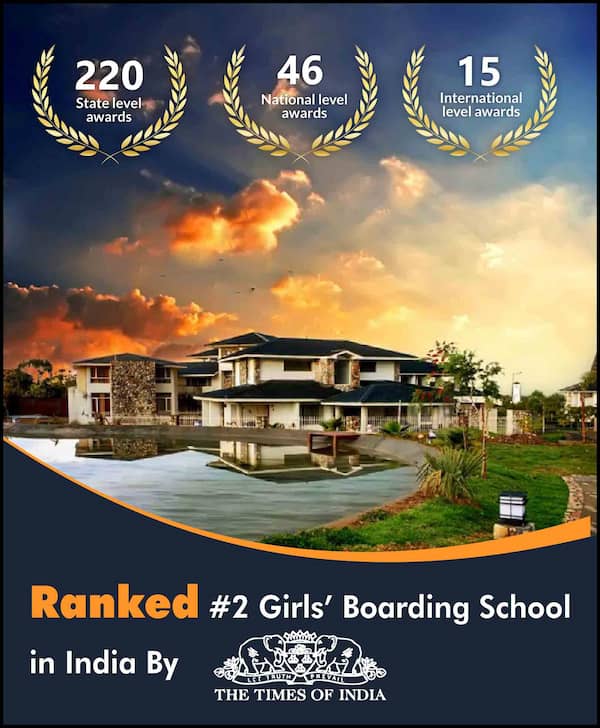
Ecole Globale International Girls’ School, Dehradun

Ecole Globale International Girls’ School is a girls’ residential school in Dehradun, Uttarakhand, that families can explore when researching boarding education in India.
Parents from Singapore can contact the school to learn about its current curriculum options, available grades, residential arrangements, admission requirements, and support for students transferring from overseas.
Families should also ask about extracurricular activities, healthcare, student wellbeing, parent communication, and the total cost of tuition and boarding.
To explore the school’s information, visit the official Ecole Globale website. For application details, consult its admission procedure.
Comparing these details with the student’s academic history and future plans will help parents determine whether the school is a suitable option.
Preparing for the Move from Singapore to India
Moving to a residential school in another country can be a significant transition. Early preparation can help students feel more confident and understand what to expect.
Parents can begin by reviewing the school’s daily timetable, boarding rules, meal arrangements, communication procedures, and holiday schedule with their daughter.
It is also helpful to organise academic records well in advance and clarify any documentation requirements with the admissions team. Families should discuss how the student can seek help if she needs academic guidance or emotional support after arriving.
Before making a final decision, parents should arrange a campus visit or virtual meeting where possible and prepare questions about the school’s academic and residential environment.
These steps can help families make a more informed choice among international boarding options.
Conclusion
Choosing among international boarding schools in India for girls requires careful research into curriculum, residential care, student support, extracurricular opportunities, and long-term academic goals.
For families living in Singapore, the most suitable school will be one that meets their daughter’s educational needs while helping her adjust comfortably to boarding life in India. Comparing current school programmes, speaking with admissions teams, and understanding the full cost of attendance can help parents make a confident, informed decision.
With thoughtful planning, families can find a residential school that supports academic progress, independence, wellbeing, and preparation for future opportunities.
Frequently Asked Questions
Q1. How can parents choose international boarding schools in India for girls from Singapore?
Ans: Compare curriculum compatibility, boarding facilities, student safety, pastoral care, extracurricular activities, admission requirements, and fees. The right school should meet the student’s academic and personal needs.
Q2. Can students transfer from Singapore to a boarding school in India?
Ans: Transfer admission may be possible depending on the student’s grade, academic records, previous curriculum, assessment results, and available places. Parents should confirm the requirements directly with the school.
Q3. What should expat parents ask about boarding facilities?
Ans: Ask about residential supervision, healthcare, meals, safeguarding, counselling, holiday arrangements, communication with parents, and support for students adjusting to a new environment.
Q4. Are international curricula available at boarding schools in India?
Ans: Some schools offer international pathways, while others follow Indian curricula. Parents should confirm the current curriculum, subjects, grades, and qualifications offered by each school.
Q5. When should families begin the admissions process?
Ans: Start researching well before the intended entry date. This allows time to compare schools, gather documents, understand admission assessments, and arrange travel and relocation requirements.