


Choosing the best school for your child in India is an important decision for every parent. A school plays a major role in a child’s academic development, confidence, interests, social skills, and preparation for the future. With so many schools, curricula, teaching methods, and educational environments available, making the right choice can sometimes feel overwhelming.
However, finding the right school is not simply about choosing the most expensive or popular institution. The best choice is a school that matches your child’s learning needs, personality, interests, and future aspirations.
If you are wondering how to choose a school for your child, there are several important factors you should consider.
Understand Your Child’s Learning Needs

The first step in choosing the right school for your child is understanding your child’s individual needs.
Every child learns differently. Some students perform well in structured classroom environments, while others may learn more effectively through projects, discussions, experiments, sports, arts, and other practical activities.
Before comparing schools, consider your child’s:
- Learning style
- Academic strengths and weaknesses
- Interests and hobbies
- Personality
- Need for individual attention
- Long-term educational goals
Understanding these factors can help you identify schools where your child is more likely to feel comfortable, confident, and motivated to learn.
Choose the Right Curriculum

Curriculum is one of the most important factors when looking for the best school for your child in India.
Indian schools offer different educational boards and curricula, including CBSE, ICSE, Cambridge International, and IB. Each has its own approach to teaching and learning.
For example, CBSE is widely followed across India, while Cambridge and IB can offer an internationally orientated approach that may be suitable for students considering higher education abroad.
There is no single curriculum that is best for every child. Parents should consider their child’s learning preferences and future education plans before making a decision.
It is also important to check whether the school offers appropriate subjects and academic pathways for higher classes.
Evaluate the Quality of Teachers

Teachers have a direct influence on a child’s educational experience. Therefore, teacher quality should be an important part of choosing the right school for your child.
During a school visit, observe how teachers interact with students. Are students encouraged to ask questions? Do teachers provide individual attention? Does the school offer additional academic support when students need it?
Parents should also consider class sizes and the student-teacher ratio.
A strong school should have teachers who are knowledgeable, approachable, supportive, and committed to helping students develop their abilities.
Look Beyond Academic Results
Academic results are important, but they should not be the only measure of a school’s quality.
When considering the best school for your child in India, look at what the school offers outside the classroom as well.
A balanced school environment may provide opportunities for:
- Sports and physical activities
- Music and dance
- Theatre and visual arts
- Debate and public speaking
- Leadership programmes
- Clubs and societies
- Community service
- Academic competitions
- Career and university guidance
These experiences can help students develop communication, creativity, teamwork, leadership, and problem-solving skills.
Consider Safety and Student Wellbeing

Safety and wellbeing should be high priorities when deciding how to choose a school for your child.
Parents should ask about campus security, medical facilities, emergency procedures, counselling services, disciplinary policies, and how the school handles bullying and student concerns.
Students should feel safe and supported both academically and personally.
For parents considering boarding education, these factors become even more important. Residential supervision, pastoral care, healthcare, meals, student support, and communication with parents should all be carefully evaluated.
Visit the School Personally
A website or brochure cannot provide the complete picture of a school.
One of the most useful steps in choosing the right school for your child is to visit the campus personally.
During the visit, Observe:
- Classroom atmosphere
- Teacher-student interactions
- Laboratories and libraries
- Sports facilities
- Extracurricular spaces
- Campus cleanliness
- Residential facilities, if applicable
- Overall student environment
A campus visit can help parents understand whether the school’s environment actually matches what they are looking for.
Consider Location and School Environment

Location can have a significant effect on a child’s daily experience.
For day schools, parents should consider commuting time, transportation, and distance from home.
For boarding schools, consider the overall campus environment, accessibility, residential facilities, healthcare, and distance from home.
A beautiful campus can be valuable, but facilities should support learning, development, and student wellbeing rather than simply being attractive features.
Compare the Total Cost
School fees are another important consideration for parents.
When comparing schools, look beyond tuition fees. Find out whether there are additional charges for:
- Transportation
- Boarding and accommodation
- Meals
- Books and academic materials
- Uniforms
- Sports and activities
- Educational trips
- Technology
- Examination fees
- Other annual charges
Understanding the complete cost can help families make a more realistic comparison between schools.
Think About Your Child’s Future

When deciding how to choose a school for your child, consider whether the school can support their long-term goals.
Your child may eventually want to pursue medicine, engineering, law, business, humanities, design, sports, or international education.
Ask whether the school provides appropriate academic subjects, career counselling, university guidance, extracurricular opportunities, and leadership experiences.
The school’s reputation is useful, but it should not be the only reason for choosing it. The school should provide opportunities that are relevant to your child’s interests and future plans.
Compare Schools Before Making the Final Decision
If you are considering several schools, create a simple comparison checklist.
| Factor | Importance |
| Curriculum | High |
| Teaching quality | Very High |
| Student wellbeing | Very High |
| Safety | Very High |
| Academic support | High |
| Extracurricular activities | Medium–High |
| Facilities | Medium |
| Fees | High |
| Location | Medium–High |
| Career and university guidance | High |
This makes it easier to compare schools objectively instead of making a decision based on reputation or one impressive feature.
Why School-Child Fit Matters

Parents often search for the best school for your child in India by looking at rankings and reputation. While these can help create a shortlist, they should not be the final deciding factors.
A school that works well for one child may not necessarily be suitable for another.
The more useful question is the following:
“Which school is the best fit for my child?”
This approach allows parents to focus on their child’s actual needs rather than simply choosing a school because it has a strong reputation.
Why Consider Ecole Globale International Girls’ School?
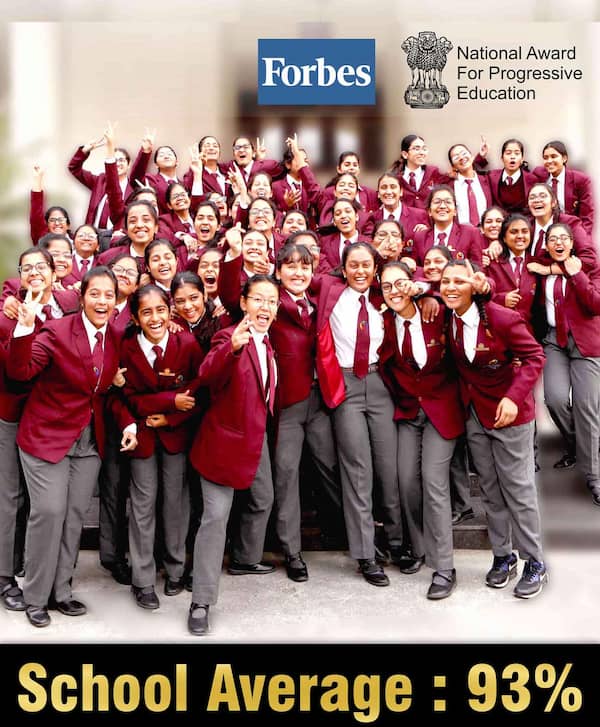
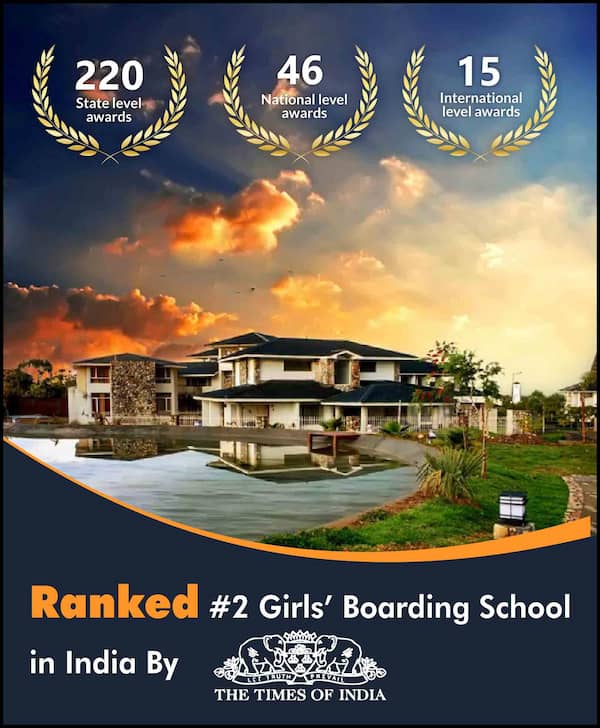
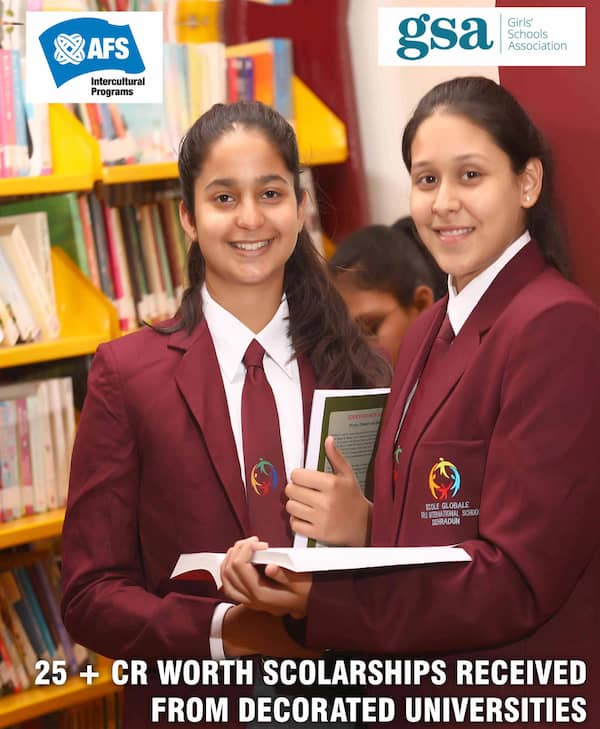
For parents exploring an international residential education for their daughters, Ecole Globale International Girls’ School in Dehradun provides a girls-only residential environment focused on academics, mentorship, extracurricular development, and global exposure.
Parents considering the school should evaluate its curriculum, academic programmes, residential facilities, extracurricular activities, and admission requirements to determine whether it is the right fit for their daughter.
The school’s admission process also considers factors such as academic capability, aptitude, personality, interests, and other attributes of the student.
Conclusion
Finding the best school for your child in India requires careful research and consideration. Parents should look beyond rankings and fees and evaluate the complete educational experience.
Understanding your child’s needs, comparing curricula, evaluating teachers, checking safety and wellbeing, visiting schools, considering costs, and thinking about future goals can make the decision easier.
Ultimately, choosing the right school for your child is about finding an environment where they can learn confidently, explore their interests, develop independence, and prepare for the future.
The right school is not necessarily the school that is best for everyone. It is the school that is best suited to your child.
Frequently Asked Questions
Q1. How do I choose the best school for my child in India?
Ans: Consider your child’s learning needs, curriculum, teaching quality, safety, wellbeing, extracurricular activities, fees, location, and future academic goals before making a decision.
Q2. What factors should parents consider when choosing a school?
Ans: Parents should evaluate the school’s curriculum, teachers, student support, safety, facilities, extracurricular opportunities, fees, and overall learning environment.
Q3. How do I choose a school for my child based on their learning style?
Ans: Understand whether your child learns best through structured lessons, practical activities, projects, discussions, or experiential learning, and look for a school that supports their preferred approach.
Q4. Is school ranking important when choosing the right school for your child?
Ans: Rankings can help create a shortlist, but they should not be the deciding factor. The school’s suitability for your child’s academic, personal, and developmental needs is more important.
Q5. What should I ask when visiting a school for my child?
Ans: Ask about the curriculum, class sizes, teaching methods, student wellbeing, safety, extracurricular activities, fees, academic support, and career or university guidance.