The finishing school curriculum in modern Indian boarding schools can help students develop essential life skills alongside their academic education. Through structured activities focused on communication, etiquette, leadership, social awareness, and personal development, students can learn to navigate everyday situations with confidence and consideration for others.
Modern education involves more than academic achievement. Students also benefit from learning how to express ideas clearly, work in teams, manage responsibilities, and make thoughtful decisions. A well-designed finishing school curriculum can complement classroom learning and prepare students for higher education, professional environments, and independent living.
This guide explores seven important areas that a finishing school curriculum may include, how boarding schools can teach these skills, and what parents should look for when evaluating student development programmes.
Table of Contents
- What Is a Finishing School Curriculum?
- Why Finishing School Skills Matter in Boarding Schools
- Seven Essential Areas of a Finishing School Curriculum
- How Modern Boarding Schools Can Teach Life Skills
- What Parents Should Look For
- Frequently Asked Questions
What Is a Finishing School Curriculum in Modern Indian Boarding Schools?
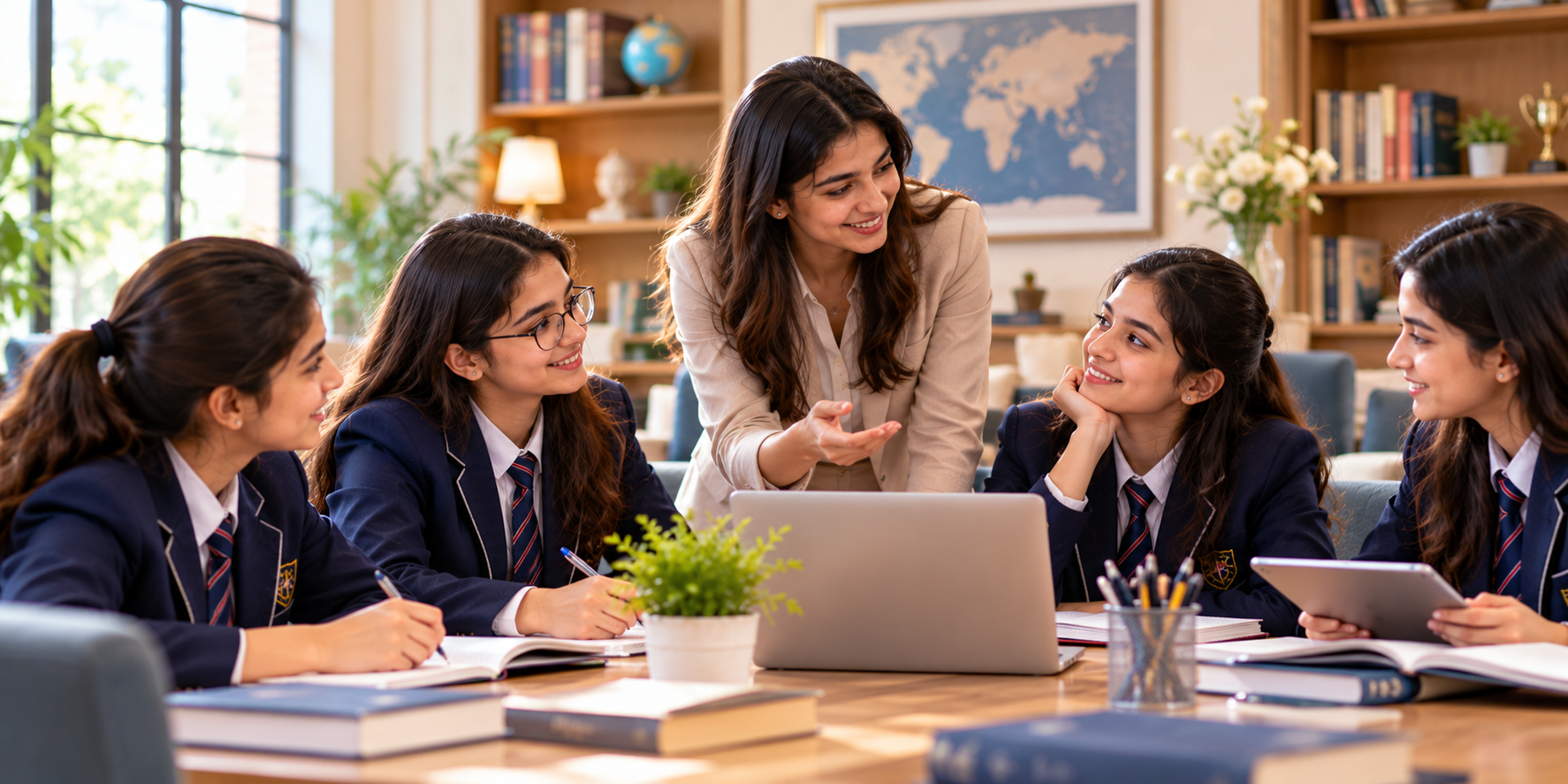
The finishing school curriculum in modern Indian boarding schools refers to structured learning experiences designed to strengthen students’ interpersonal skills, social awareness, communication, and everyday independence.
Unlike traditional academic subjects, these sessions often focus on practical situations. Students may practise introducing themselves, participating in discussions, collaborating on projects, preparing presentations, or learning appropriate behaviour in different social settings.
The precise programme varies by school. Some institutions may offer dedicated life-skills sessions, while others incorporate these skills into pastoral care, co-curricular activities, leadership opportunities, and residential routines.
A finishing school curriculum should encourage respectful behaviour and self-confidence without suggesting that every student must have the same personality or communication style.
Why Finishing School Skills Matter in Boarding Schools
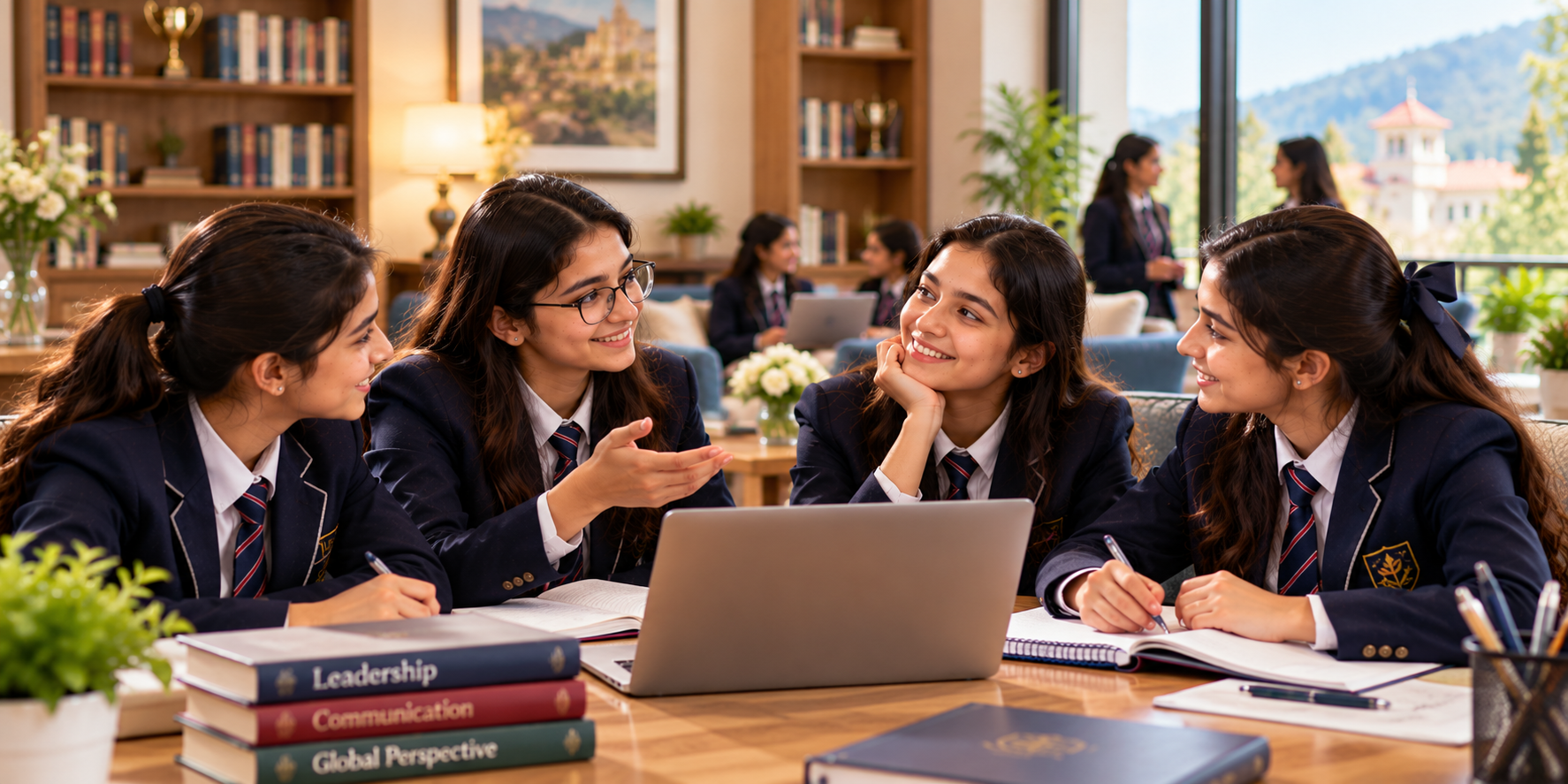
Boarding schools provide regular opportunities for students to interact with peers, teachers, residential staff, and visitors. Everyday experiences can become valuable learning opportunities when students receive appropriate guidance.
The finishing school curriculum in modern Indian boarding schools can help students learn to communicate respectfully, resolve disagreements, take responsibility for shared spaces, and become more independent.
These skills are also relevant beyond school. UNICEF’s guidance on adolescent life-skills education highlights communication, problem-solving, empathy, decision-making, and healthy relationships as important areas of development. https://www.unicef.org/adolescentkit/reports/guide-adolescents-and-life-skills-education
By integrating practical learning with academic education, schools can support students’ personal growth and help them prepare for different situations throughout life.
Seven Essential Areas of a Finishing School Curriculum in Modern Indian Boarding Schools
1. Communication Skills and Public Speaking
Clear communication helps students express ideas, ask questions, share opinions, and listen to others. Public-speaking activities can also help students become more comfortable presenting information to an audience.
A finishing school curriculum may include classroom discussions, presentations, group projects, debates, and role-play exercises. Students can practise speaking clearly, organising their thoughts, and responding respectfully to different viewpoints.
The finishing school curriculum in modern Indian boarding schools should provide opportunities for students to improve at their own pace. Constructive feedback and regular practice can be more helpful than expecting every student to speak confidently immediately.
2. Etiquette and Social Awareness
Etiquette involves showing consideration for other people in everyday situations. It includes greeting others politely, respecting personal boundaries, listening without interrupting, and using courteous language.
Students can learn these habits through demonstrations, group activities, and everyday interactions with classmates and staff.
A useful finishing school curriculum teaches etiquette as a form of mutual respect rather than a rigid set of rules. Students should understand why behaviour matters and how expectations may differ across cultures and situations.
3. Personal Presentation and Self-Management
Personal presentation can include appropriate dress for different occasions, personal hygiene, organisation, punctuality, and looking after personal belongings.
These habits help students manage daily responsibilities and prepare for settings such as presentations, interviews, formal school events, and university activities.
The finishing school curriculum in modern Indian boarding schools can teach self-management through practical routines, checklists, and age-appropriate responsibilities.
The goal should be to promote independence, comfort, and self-respect—not to impose narrow appearance standards or encourage students to compare themselves with others.
4. Leadership and Teamwork
Leadership is not limited to holding a formal position. It can involve taking responsibility, helping a group stay organised, listening to different perspectives, and contributing constructively to shared goals.
Boarding schools can develop these skills through student committees, sports teams, community projects, event planning, and collaborative assignments.
A finishing school curriculum may help students practise delegation, decision-making, cooperation, and conflict resolution. These experiences can teach students that effective leadership includes accountability and respect for others.
5. Emotional Awareness and Conflict Resolution
Students encounter disagreements, changes, and stressful situations as they grow. Learning to recognise emotions and respond thoughtfully can help them manage these experiences more constructively.
Activities may include guided discussions, reflection exercises, role-play, and problem-solving scenarios. Students can practise listening carefully, explaining their concerns, considering other perspectives, and seeking help when needed.
The finishing school curriculum in modern Indian boarding schools should create a supportive environment where students can ask questions and learn from mistakes without humiliation.
Schools should also make counselling or appropriate pastoral support available when a student needs additional help.
6. Practical Life Skills and Independent Living
Residential education gives students opportunities to practise everyday responsibilities. These may include keeping belongings organised, managing time, following routines, caring for shared spaces, and planning tasks.
Older students may also benefit from age-appropriate lessons in budgeting, digital safety, planning journeys, and preparing for the transition to university.
Practical exercises can make these skills easier to understand. For example, students might plan a group event within a fixed budget or create a schedule for completing several assignments.
The finishing school curriculum in modern Indian boarding schools can connect these everyday tasks with broader skills such as responsibility, problem-solving, and decision-making.
7. Cultural Awareness and Professional Readiness
Students may eventually study or work with people from different cultural and professional backgrounds. Learning to respect differences and communicate appropriately can help them prepare for these experiences.
Schools can introduce cultural awareness through discussions, collaborative projects, guest speakers, and activities that explore different traditions and perspectives.
Older students may also practise writing formal emails, preparing for interviews, participating in group discussions, and introducing themselves in academic or professional settings.
A finishing school curriculum should teach students to adapt respectfully to different contexts while remaining comfortable with their own values and identities.
How Modern Boarding Schools Can Teach Life Skills
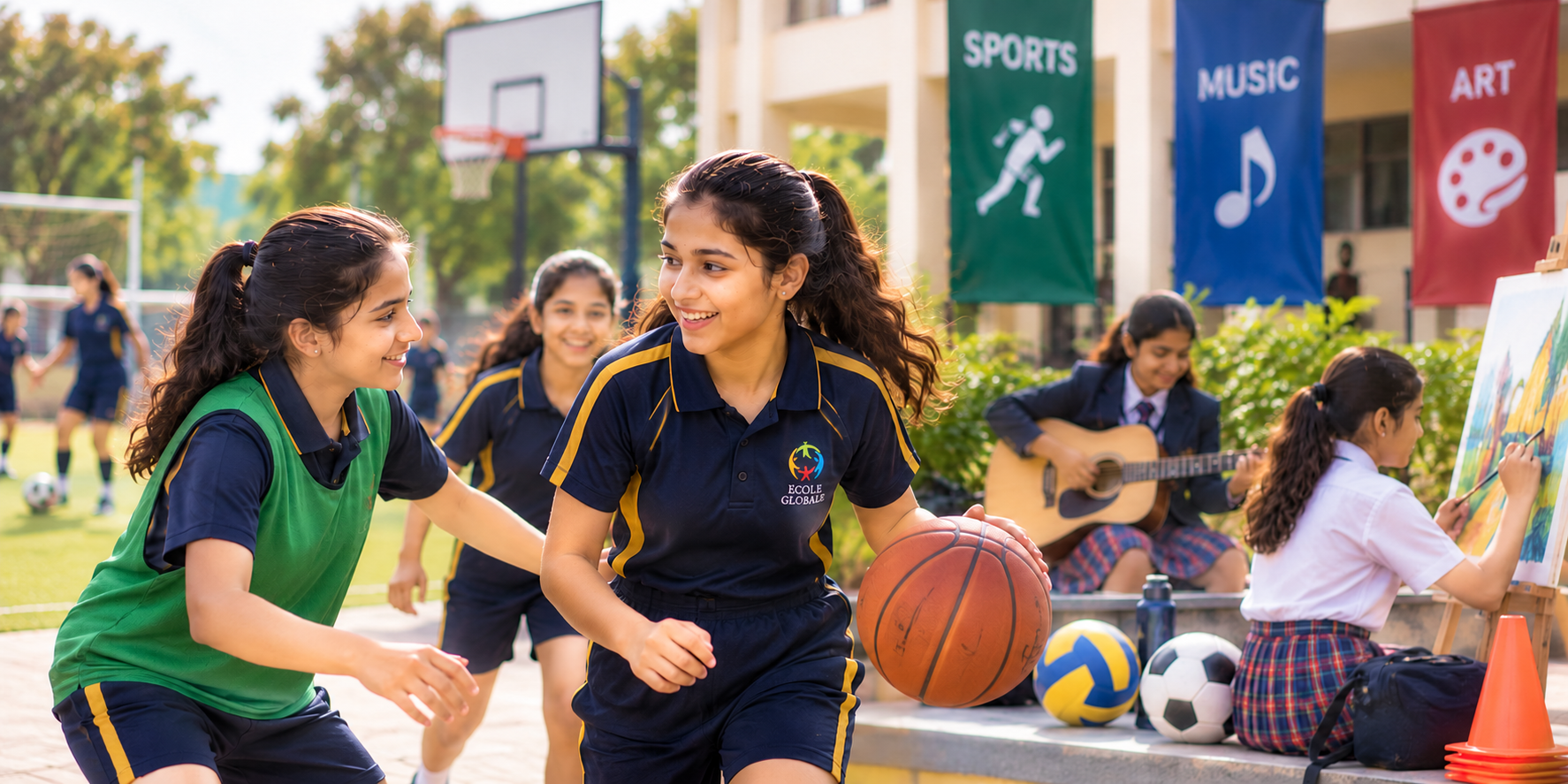
Effective life-skills education involves more than lectures. Students need opportunities to practise skills, receive feedback, and apply what they have learned in real situations.
Modern boarding schools can support this process through:
- Interactive workshops: Practise communication, etiquette, and decision-making through guided exercises.
- Group projects: Develop teamwork, responsibility, and collaborative problem-solving.
- Student leadership roles: Give learners appropriate opportunities to plan activities and contribute to school life.
- Reflection activities: Help students identify what went well and what they could improve.
- Mentoring and feedback: Provide constructive guidance from teachers and residential staff.
- Community engagement: Encourage empathy, civic responsibility, and awareness of different needs.
The finishing school curriculum in modern Indian boarding schools should be age-appropriate, inclusive, and connected to students’ everyday experiences.
UNICEF India also describes life-skills learning as a way to develop abilities such as confidence, leadership, empathy, problem-solving, teamwork, and goal-setting. https://www.unicef.org/india/life-skills
What Parents Should Look For
Parents evaluating a finishing school curriculum should ask how the programme is delivered and how students are supported as they develop new skills.
Useful questions include:
- Which life-skills and personal-development topics are included?
- Are activities adapted to different age groups?
- Do students have opportunities to practise skills, not just learn definitions?
- How do teachers provide feedback and recognise progress?
- Are students encouraged to express themselves respectfully and authentically?
- Is counselling or pastoral support available when needed?
- How does the school communicate its personal-development approach to parents?
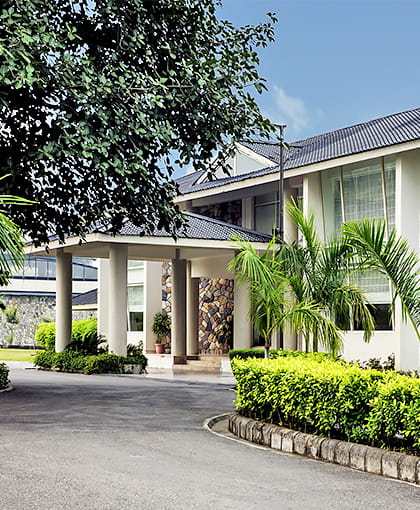
Families considering Ecole Globale International Girls’ School can visit the official school website and review its campus and facilities. They can then contact the school to confirm which life-skills, leadership, and personal-development programmes are currently offered.
Conclusion
The finishing school curriculum in modern Indian boarding schools can complement academic education by helping students develop communication, etiquette, leadership, emotional awareness, and practical independence.
The most useful programmes provide regular opportunities to practise these skills in supportive and realistic settings. They also respect individual differences and recognise that personal development takes time.
Parents should look for schools that treat life-skills education as part of students’ wider development. When practical learning, academic guidance, and pastoral support work together, students can become more capable, considerate, and prepared for the opportunities and responsibilities ahead.
Frequently Asked Questions
Q1. What is a finishing school curriculum?
Ans: A finishing school curriculum is a structured programme that may teach communication, etiquette, social awareness, leadership, self-management, and practical life skills alongside academic education.
Q2. Why is a finishing school curriculum useful in boarding schools?
Ans: Boarding schools provide regular opportunities to practise communication, teamwork, independence, and shared responsibility. Structured guidance can help students learn from these experiences.
Q3. Which skills can students learn through finishing school sessions?
Ans: Depending on the school, students may develop public speaking, respectful communication, etiquette, time management, teamwork, leadership, conflict resolution, digital safety, and practical decision-making.
Q4. Is a finishing school curriculum the same as academic education?
Ans: No. It complements academic learning by focusing on interpersonal, social, and practical skills that students can use in everyday life.
Q5. How can parents find out whether a school offers these programmes?
Ans: Parents can review the school’s published curriculum and student-life information, then ask admissions staff about current workshops, leadership activities, mentoring, and life-skills sessions.