



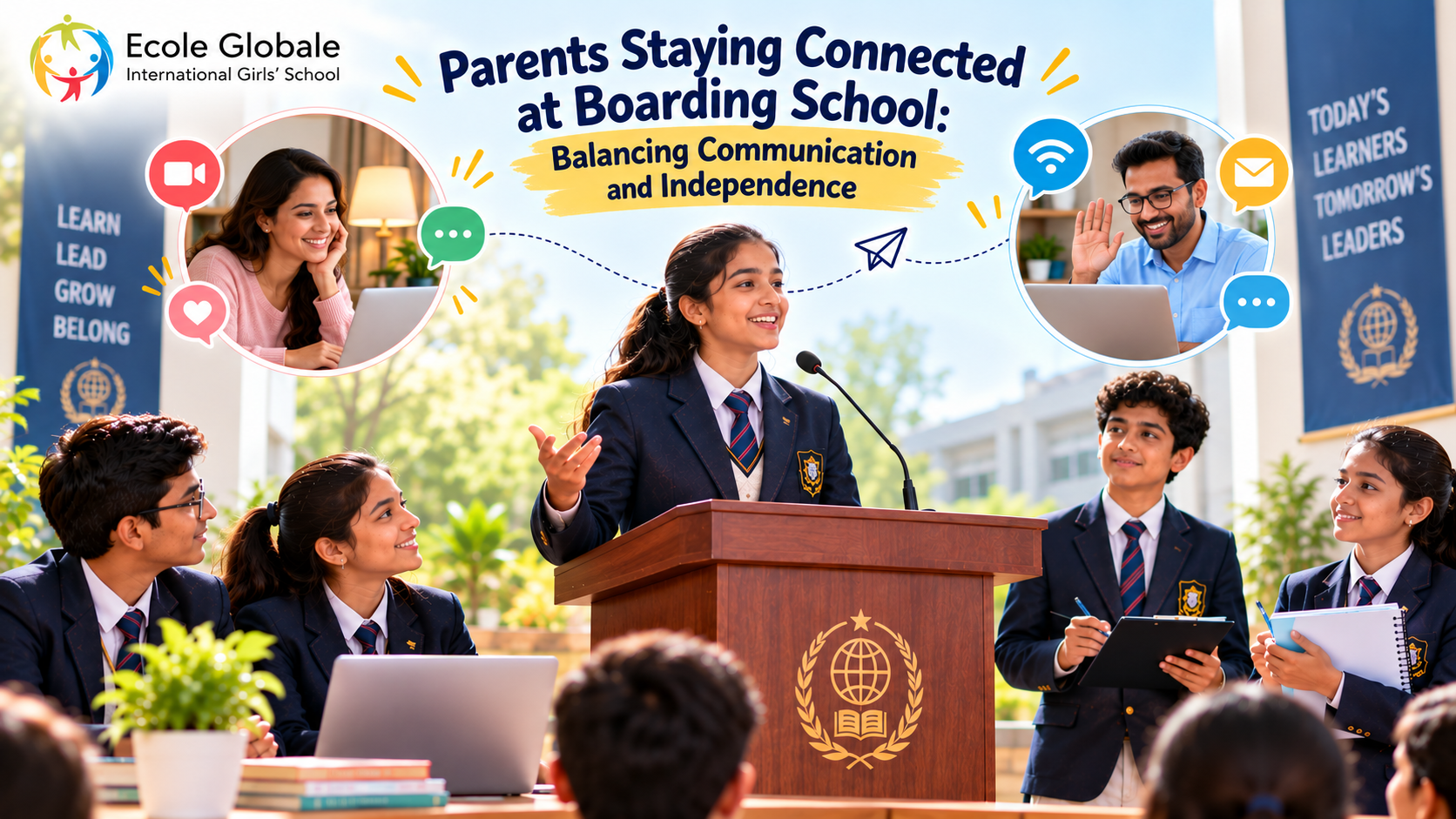
Sending a child to a boarding school is an important decision for every family. While boarding education provides opportunities for academic development, personal growth, and independence, parents may sometimes worry about maintaining a close relationship with their children while living away from home. This is why parents staying connected at boarding school is an important part of a positive residential education experience.
For parents, the challenge is to remain involved in their child’s life without limiting their ability to become independent. Regular conversations, emotional support, school updates, and meaningful family interactions can help maintain strong relationships.
Parents staying connected at boarding school does not mean communicating constantly. Instead, it means creating healthy communication habits, building trust, and making children feel supported even when they are physically away from home.
In this article, we explore practical ways parents can stay connected at boarding school while allowing children to develop confidence, responsibility, and independence.
Table of Contents
- Why Is Staying Connected Important in Boarding School?
- Balancing Communication and Independence
- 9 Ways Parents Can Stay Connected with Children
- How Parents Can Support Children Emotionally
- The Role of Schools in Parent-Child Communication
- Common Communication Mistakes Parents Should Avoid
- Building a Healthy Parent-Child Relationship During Boarding School
- Frequently Asked Questions
- Conclusion
Why Is Staying Connected Important in Boarding School?

Moving into a boarding school introduces children to a new environment, routine, and social experience. They begin managing daily activities, interacting with classmates, following schedules, and taking responsibility for different aspects of their lives.
During this transition, parents staying connected at boarding school can provide reassurance and emotional stability.
Regular and meaningful communication helps children understand that their parents remain involved in their lives. It also gives parents opportunities to understand their child’s experiences, achievements, challenges, and changing interests.
Some important benefits include:
- Emotional reassurance: Children feel supported when they know their parents are available to listen.
- Stronger family relationships: Regular conversations help maintain trust and closeness.
- Better understanding: Parents can learn about their child’s academic and social experiences.
- Confidence and independence: Encouraging conversations can help children make decisions while knowing support is available.
- Early identification of concerns: Open communication can help children share difficulties before they become bigger concerns.
Therefore, parents staying connected at boarding school should focus on building a relationship where children feel comfortable sharing both positive and difficult experiences.
Balancing Communication and Independence
One of the biggest challenges of residential education is finding the right balance between communication and independence.
Parents naturally want to know how their children are doing. However, frequent calls, repeated questions, or excessive monitoring may sometimes make children feel that they have limited personal space.
Healthy parent-child communication in boarding schools should allow children to develop their own routines while maintaining regular contact with their families.
Give Children Space to Grow
Boarding school gives children opportunities to manage their daily schedules, develop friendships, and make age-appropriate decisions. Parents should encourage these experiences rather than trying to manage every detail from a distance.
Establish a Comfortable Communication Routine
Families can agree on suitable times for phone calls or messages, depending on school policies and the child’s schedule. A predictable routine helps children stay connected without interrupting academic activities.
Respect Personal Experiences
Children may not always want to discuss every detail of their day. Parents should give them time and create a comfortable environment where sharing feels natural rather than compulsory.
The goal of parents staying connected at boarding school is not to control a child’s daily life but to maintain a supportive relationship that encourages independence.
9 Ways Parents Can Stay Connected with Children

Maintaining family connections while children live at school requires consistency, understanding, and thoughtful communication. Here are nine practical ways to make the experience positive.
1. Schedule Regular Phone Calls
Regular phone calls are one of the simplest ways of staying in touch with children at boarding school. Parents can arrange calls at mutually convenient times, following the school’s communication guidelines.
Instead of asking only about studies, discuss hobbies, friends, activities, and everyday experiences. This makes conversations more enjoyable and helps children feel comfortable sharing their thoughts.
2. Use Video Calls When Permitted
Video calls can make conversations more personal by allowing parents and children to see each other while talking.
Families can use video calls during approved communication periods, particularly on special occasions or weekends. However, parents should respect school rules and avoid expecting children to be available whenever they call.
3. Send Thoughtful Messages and Letters
Short messages, greeting cards, and handwritten letters can help maintain family connections. A simple message of encouragement before an examination or an appreciation note after an achievement can make children feel valued.
These small gestures are an important part of parents staying connected at boarding school, especially when regular calls are not possible.
4. Show Interest in Academic Progress
Parents should remain interested in their child’s education without making every conversation about marks or examinations.
Ask about interesting lessons, projects, classroom activities, and subjects the child enjoys. This approach encourages children to discuss their academic experiences more openly.
Parents can also communicate with teachers through the school’s approved channels to understand academic progress and areas where additional support may be useful.
5. Celebrate Achievements and Special Occasions
Celebrating achievements helps children feel recognised and appreciated.
Parents can acknowledge good academic performance, participation in sports, creative achievements, and personal milestones. Birthdays and family occasions can also provide opportunities to strengthen emotional connections.
6. Listen Without Judging
Sometimes children simply need someone to listen. They may want to discuss friendship issues, academic pressure, adjustment difficulties, or everyday experiences.
Parents should listen patiently instead of immediately giving instructions or criticism. Asking thoughtful questions and acknowledging feelings can encourage open communication.
7. Stay Involved in School Activities
When school policies and schedules allow, parents can participate in parent-teacher meetings, school events, performances, and other organised activities.
Such involvement helps parents understand the school environment and gives children opportunities to share their experiences with their families.
8. Encourage Independence and Decision-Making
Supporting independence is just as important as maintaining communication.
Parents should encourage children to organise their schedules, take responsibility for belongings, manage everyday tasks, and make suitable decisions. When children face challenges, parents can guide them instead of immediately solving every problem.
9. Plan Meaningful Family Time During Holidays
School holidays provide opportunities for families to reconnect and spend quality time together.
Parents can plan simple activities such as travelling, cooking, reading, playing games, or discussing future goals. The focus should be on enjoying time together rather than questioning children about every aspect of school life.
These activities help make parents’ staying connected at boarding school a continuous and meaningful experience.
How Parents Can Support Children Emotionally
Living away from home can take time to adjust to. Some children may experience homesickness, miss familiar routines, or need additional emotional support during the initial boarding school experience.
Parents staying connected at boarding school should therefore include emotional understanding and encouragement.
Understand Homesickness
Homesickness can be a normal part of adjusting to a new environment. Parents should listen to their children and acknowledge their feelings without making them feel guilty for being away from home.
Encourage Positive Experiences
Ask children about new friendships, activities, school events, and experiences they enjoy. Encouraging them to participate in school life can help them gradually become comfortable in their surroundings.
Avoid Creating Unnecessary Pressure
Parents should avoid making children feel that they must always perform well academically or appear happy during conversations. Children should feel comfortable discussing both successes and difficulties.
Remind Children That Support Is Available
Children should know that they can approach their parents, teachers, house staff, or other appropriate school support personnel whenever they need help.
A supportive approach to parents staying connected at boarding school allows children to develop confidence while knowing that their family remains an important source of encouragement.
The Role of Schools in Parent-Child Communication
Maintaining communication is a shared responsibility between families and schools. Boarding schools can help create appropriate opportunities for parents to remain informed about their children’s experiences.
Some useful school communication practices include:
- Parent-teacher meetings: Opportunities to discuss academic progress and development.
- Academic updates: Sharing relevant information about performance and learning.
- School events: Providing opportunities for families to participate in organised activities.
- Communication guidelines: Explaining when and how students can contact their parents.
- Student support systems: Making appropriate staff members available to guide students.
- Important announcements: Keeping parents informed about schedules, events, and relevant school matters.
Effective Parent-Child Communication in Boarding Schools becomes easier when schools and families maintain clear expectations and communicate respectfully.
Parents exploring residential education should ask schools about their communication policies, parent involvement opportunities, and student support arrangements before admission.
Common Communication Mistakes Parents Should Avoid
Although staying connected is important, certain communication habits can make the experience more stressful for children.
Here are some common mistakes parents should avoid:
Calling Too Frequently
Repeated calls may interrupt study time, activities, or rest. Families should follow an agreed communication routine and school guidelines.
Asking Only About Academics
Conversations focused entirely on examinations, marks, and homework can make children reluctant to share their experiences. Discuss friendships, interests, activities, and everyday moments as well.
Comparing Children with Others
Comparing a child with siblings, classmates, or friends can affect confidence. Parents should recognise individual progress and encourage personal development.
Solving Every Problem Immediately
Children need opportunities to develop problem-solving skills. Parents can offer guidance while allowing them to handle age-appropriate challenges.
Ignoring Emotional Concerns
Parents should take concerns seriously and listen patiently. If a child needs additional help, families should communicate with the appropriate school staff.
Avoiding these mistakes makes Parents Staying Connected at Boarding School more supportive and helps children develop a healthy sense of independence.
Building a Healthy Parent-Child Relationship During Boarding School
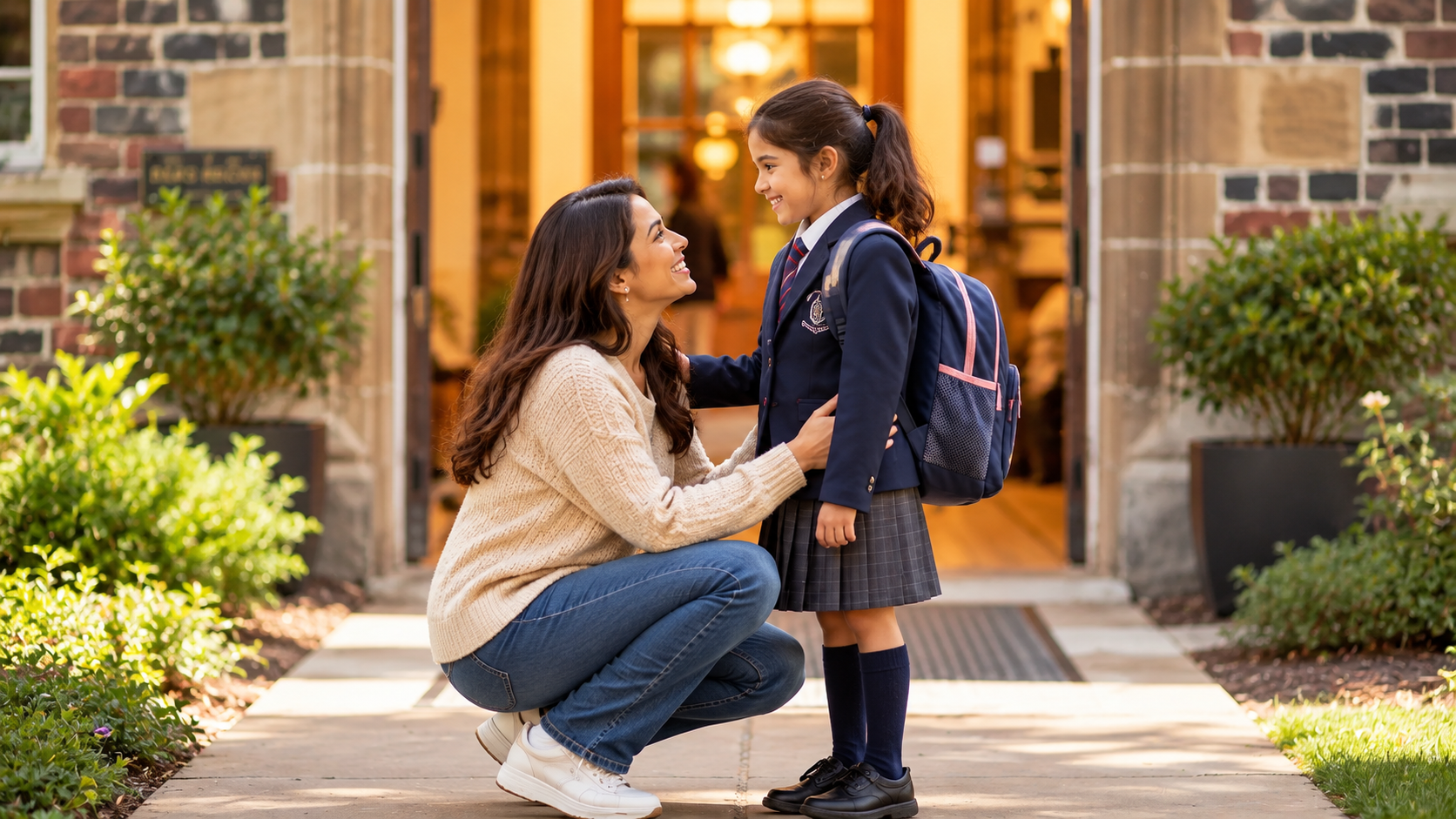
A strong parent-child relationship depends on trust, understanding, patience, and consistent support.
For Parents Staying Connected at Boarding School, the most important thing is to create an environment where children feel comfortable communicating without fear of judgement.
Parents can strengthen this relationship by:
- Showing interest in their child’s everyday experiences.
- Respecting the child’s growing independence.
- Maintaining a consistent but flexible communication routine.
- Appreciating achievements and personal efforts.
- Listening carefully when children discuss concerns.
- Supporting friendships, hobbies, and extracurricular interests.
- Working with the school when additional guidance is required.
Remember that Parents Staying Connected at Boarding School is not measured by the number of calls or messages exchanged. It is measured by the quality of communication and the trust developed over time.
Conclusion
Boarding school is an opportunity for children to develop academically, socially, and personally. However, maintaining a strong relationship with family remains an important part of this journey.
Parents Staying Connected at Boarding School requires a thoughtful balance between regular communication and allowing children the freedom to grow. Phone calls, messages, school involvement, emotional support, and meaningful family time can help maintain strong relationships.
Parents should remember that children do not need constant monitoring; they need trust, encouragement, and reassurance that their families are always ready to support them.
Ultimately, Parents Staying Connected at Boarding School is about building a relationship in which children feel loved, understood, and confident enough to become independent individuals.
Frequently Asked Questions
Q1. How can parents stay connected with children at boarding school?
Ans: Parents can stay connected through regular phone calls, approved video calls, messages, letters, school events, and parent-teacher meetings. Maintaining a comfortable communication routine helps strengthen family relationships.
Q2. How often should parents communicate with boarding school children?
Ans: There is no single schedule suitable for every family. Communication frequency should depend on the child’s age, preferences, school policies, and daily routine. Families should agree on a comfortable schedule.
Q3. How can parents maintain a strong relationship with children living away from home?
Ans: Parents can maintain strong relationships by listening without judgement, showing interest in everyday experiences, celebrating achievements, offering emotional support, and spending quality time together during holidays.
Q4. How can parents help children deal with homesickness?
Ans: Parents should acknowledge their child’s feelings, listen patiently, encourage participation in school activities, and maintain reassuring communication. They can also work with school staff if the child needs additional support.
Q5. Should parents give children independence at boarding school?
Ans:Yes. Age-appropriate independence helps children develop responsibility, confidence, and decision-making skills. Parents should provide guidance while allowing children to manage suitable everyday tasks.
Q6. What role do schools play in parent-child communication?
Ans: Schools can support communication through parent-teacher meetings, academic updates, organised events, clear contact guidelines, and appropriate student support systems.
Q7. Why is parent-child communication important in boarding schools?
Ans: Regular and meaningful communication helps children feel emotionally supported, maintain family relationships, discuss challenges, and adjust to residential life while developing independence.