





In a fast-paced world full of stress, screen time, and constant distractions, Hatha Yoga offers a calm and structured way to reconnect with your body and mind. It is one of the most widely practiced yoga stylesthere is importance of yoga and is known for its slow, steady, and mindful approach.
Whether you’re new to yoga or looking to deepen your practice, Hatha Yoga provides a strong foundation for overall well-being.
What Is Hatha Yoga?
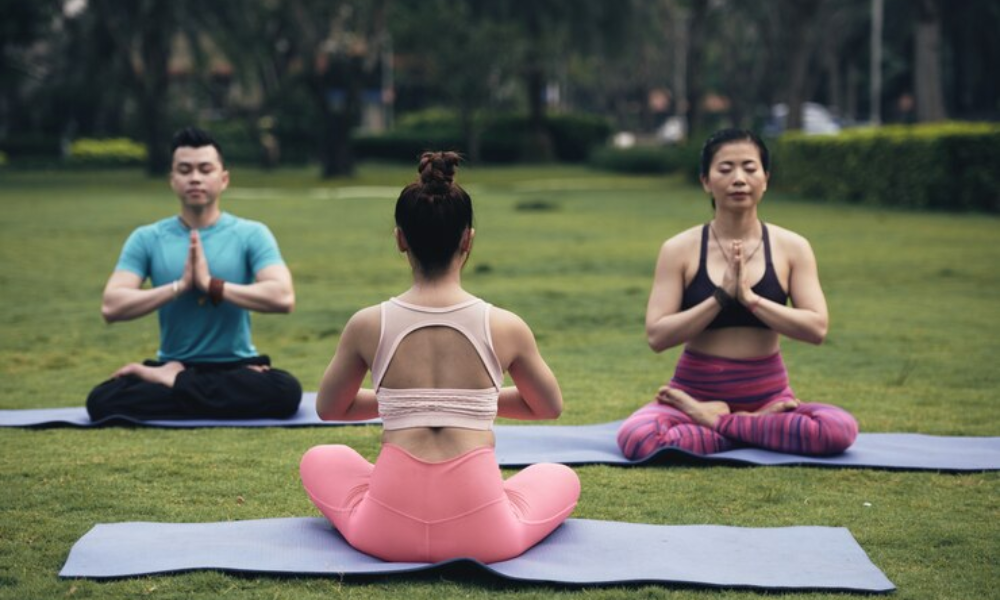
The word Hatha comes from Sanskrit—“Ha” meaning sun and “Tha” meaning moon. Together, they represent balance.
Yoga focuses on harmonizing both sides of the body and mind through physical postures (asanas), breathing techniques (pranayama), and deep relaxation.
Unlike fast-paced modern styles, Hatha Yoga is gentle, steady, and suitable for all age groups. Each posture is held for a few breaths, allowing you to fully connect with your body.
Why Hatha Yoga Is So Popular Today
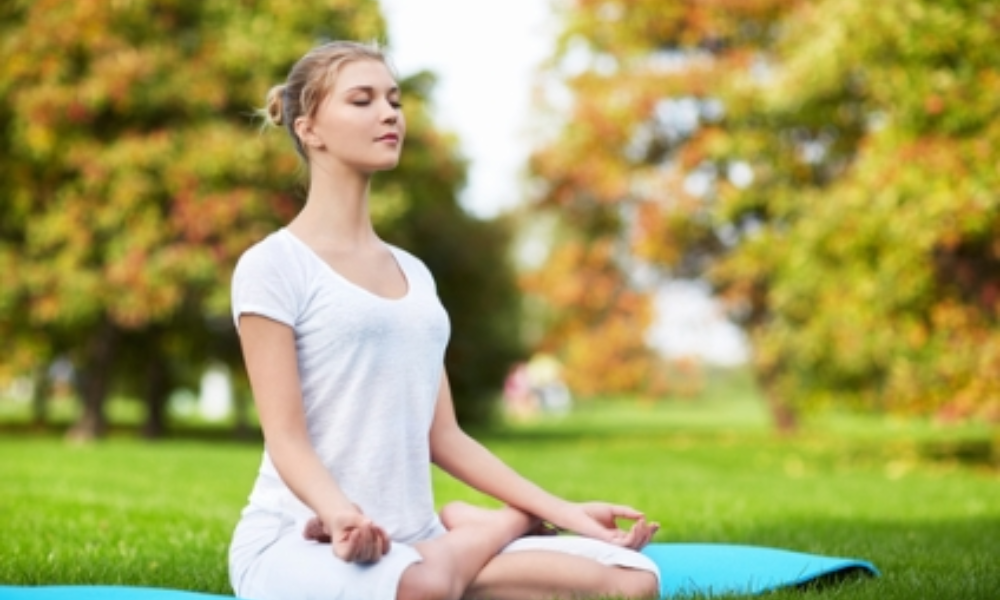
A Gentle Approach for Everyone
Beginners find Yoga approachable because the movements are slow and controlled. Even if you have no prior fitness or yoga background, you can start easily.
Focus on Mindfulness
Yoga encourages awareness—how you breathe, how your body feels, and how your mind reacts. This mindful approach reduces stress and improves mental clarity.
Strength + Flexibility + Relaxation
It is a complete practice that strengthens muscles, improves posture, releases tension, and increases flexibility, all while calming the mind.
Key Components of Hatha Yoga Practice
Asanas (Physical Postures)
These include standing poses, seated stretches, balancing postures, and restful poses. Some common asanas in Hatha Yoga are:
Trikonasana (Triangle Pose), Bhujangasana (Cobra Pose), Vrikshasana (Tree Pose), and Shavasana (Corpse Pose).
Pranayama (Breathwork)
Breathing exercises help regulate energy levels and develop inner calm. Simple techniques like Anulom-Vilom and Bhramari are often practiced.
Meditation and Relaxation
Every Hatha session ends with relaxation, helping the mind process the benefits of the practice.
Benefits of Hatha Yoga
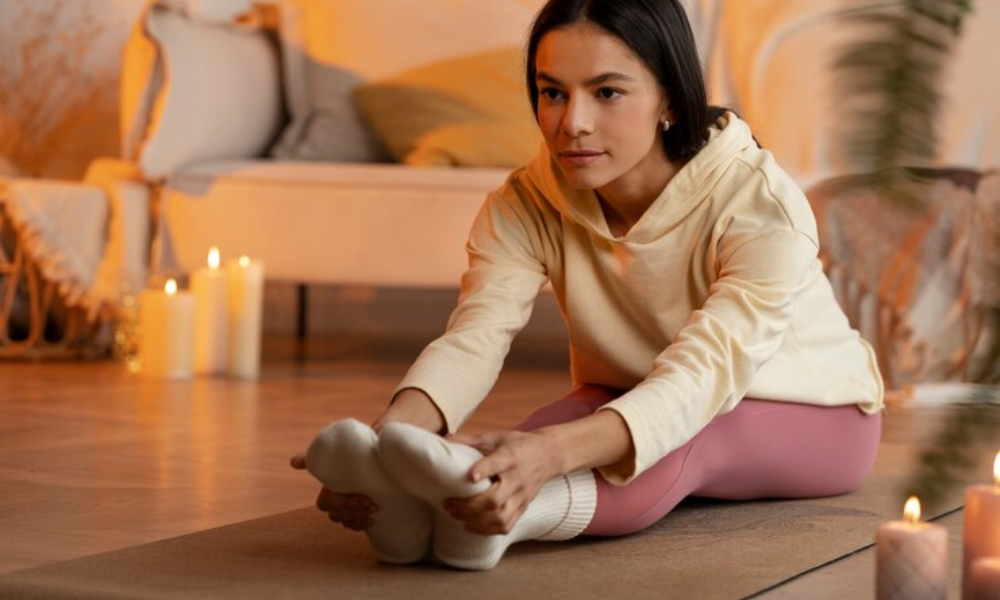
Improved Physical Health
With regular practice, your muscles become stronger, your joints more flexible, and your body more energetic. It also supports better digestion, posture, and lung capacity.
Mental Peace and Stress Relief
Yoga activates the parasympathetic nervous system—the part responsible for relaxation. This reduces anxiety, improves sleep quality, and boosts emotional balance.
Better Focus and Productivity
Because Yoga trains your mind to stay present, it enhances concentration and creativity. This makes it especially helpful for students and working professionals.
Greater Body Awareness
You learn to listen to your body, identify tension areas, and respond with care. This mindfulness approach reduces the risk of injuries.
A Simple Real-Life Example
Imagine someone who spends long hours working at a desk. Over time, they may experience back pain, tired eyes, and stress. Practicing even 20 minutes of Yoga daily—like gentle stretches, breathing, and relaxation—helps release muscle stiffness, improve posture, and reduce mental fatigue. Within a few weeks, they feel lighter, calmer, and more focused.
Pros and Cons of Hatha Yoga
| Pros | Cons |
|---|---|
| Easy for beginners | Results require consistency |
| Improves flexibility and strength | Not as fast-paced as other yoga styles |
| Reduces stress and anxiety | May feel slow for people wanting intense workouts |
| Enhances overall well-being | Requires proper guidance at the start |
Key Takeaways
Yoga is simple, gentle, and deeply effective for physical and mental health. It’s ideal for beginners and anyone seeking balance in everyday life. With regular practice, it helps create strength, stability, flexibility, and inner calm—all essential for a healthier lifestyle.
Conclusion
Hatha Yoga is more than exercise—it is a pathway to harmony between the body and mind. Its slow pace makes it accessible to everyone, and its benefits extend far beyond the mat. Whether you want to reduce stress, improve your health, or simply find a peaceful break from daily life, Yoga is a powerful and reliable practice.
FREQUENTLY ASKED QUESTIONS
Q1. Is Hatha Yoga good for beginners?
Ans: Yes, Hatha Yoga is considered the best starting point because it is slow, simple, and easy to follow.
Q2. How often should I practice Hatha Yoga?
Ans: Practicing three to four times a week is ideal, but even 15–20 minutes daily can make a big difference.
Q3. Is Hatha Yoga the same as traditional yoga?
Ans: Hatha Yoga is the foundation of most modern yoga styles. It focuses on postures, breathwork, and relaxation.
Q4. Does Hatha Yoga help with weight loss?
Ans: It can support weight loss by improving metabolism, reducing stress, and building strength, but results vary based on consistency.
Q5. Can older adults practice Hatha Yoga?
Ans: Absolutely, Its gentle nature makes it safe and beneficial for seniors when practiced under guidance.
Q6. Do I need equipment for Hatha Yoga?
Ans: A simple yoga mat is enough. Props like blocks or straps are optional.
This article is contributed by Ecole Globale International School.