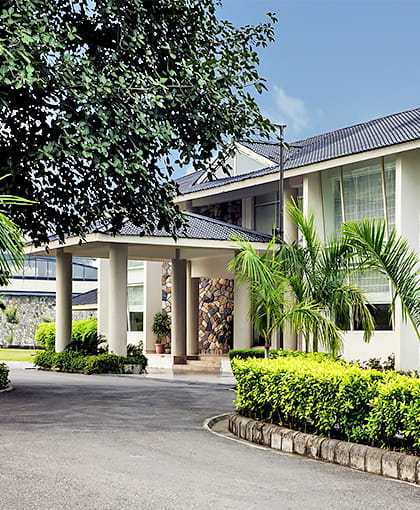

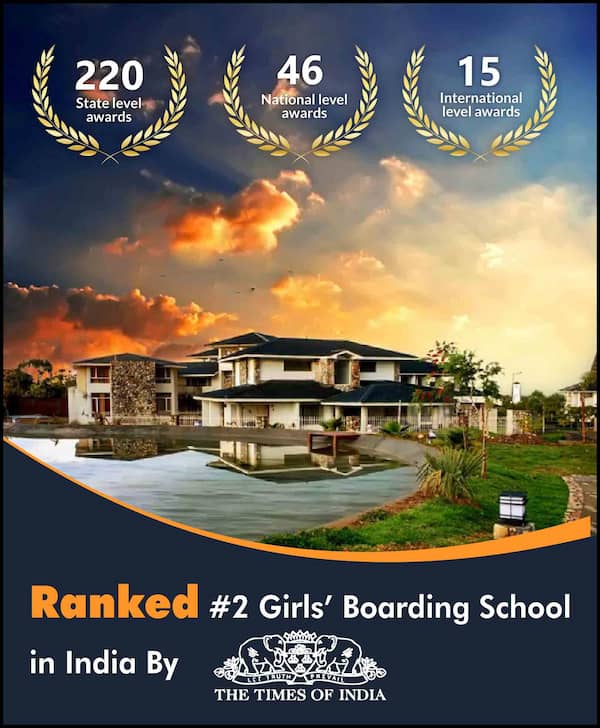



Education shapes the way young people understand the world, develop independence, and prepare for future responsibilities. Among the many learning environments available today, boarding schools have maintained a strong reputation for offering structured education combined with personal development.
Unlike day schools, students live on campus and become part of a learning community that extends beyond classroom walls. Daily routines, shared responsibilities, and close interaction with teachers create an environment that supports academic focus and character building.
In recent years, interest in residential education has grown among families looking for balanced development. Understanding how Best Boarding schools in Dehradun work, why they matter, and what educational ideas influence them can help parents and students make thoughtful decisions.
The Importance of Best Boarding Schools
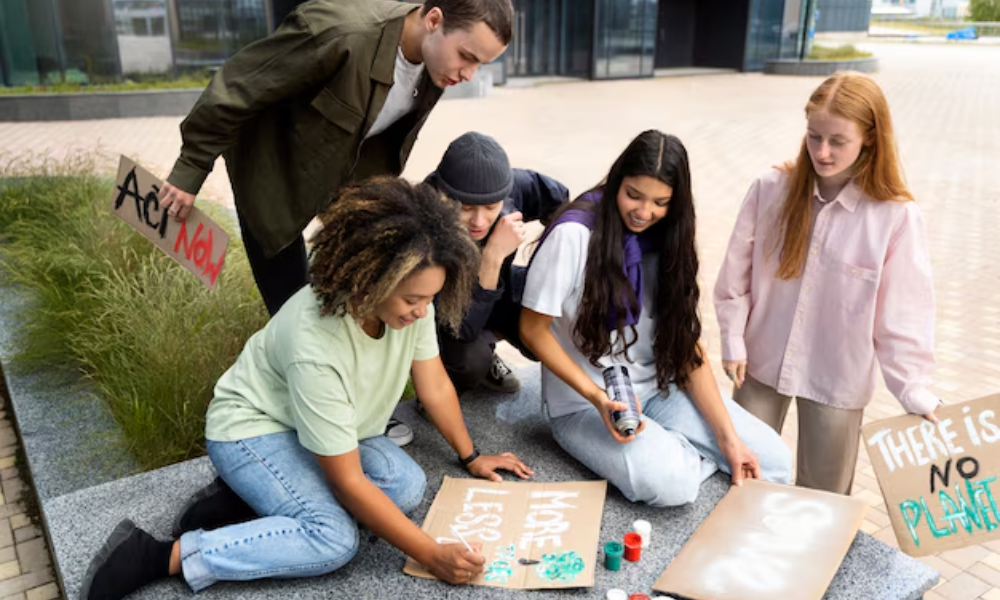
Boarding schools are designed to provide more than academic learning. They focus on shaping habits, discipline, and social awareness in students.
Living in a structured environment helps students develop independence at an early stage. They learn to manage time, take responsibility for their routines, and interact with peers from different backgrounds.
Several factors make residential schooling important:
Consistent learning environment
Students follow a balanced schedule of classes, study time, sports, and extracurricular activities.Strong teacher guidance
Teachers often act as mentors, guiding students academically and personally.Focus on holistic growth
Education extends beyond textbooks to include arts, sports, leadership, and life skills.Community learning
Students live and learn together, which strengthens teamwork and social understanding.
These aspects help students develop not only knowledge but also the confidence, mental health and discipline needed for adulthood.
Types of Boarding Schools

Best Boarding schools vary in structure, academic focus, and philosophy. Understanding these types helps families choose the right learning environment.
Full Boarding Schools
In this model, students live on campus throughout the academic term. They return home mainly during vacations or scheduled breaks.
This setup provides a fully immersive learning experience where students follow a structured routine every day.
Weekly Boarding Schools
Weekly boarding schools allow students to stay on campus during weekdays and return home on weekends. This offers a balance between residential learning and family time.
Military Boarding Schools
These schools focus on discipline, leadership training, and physical fitness alongside academic education. Students follow strict routines and structured programs.
International Boarding Schools
International institutions often host students from multiple countries. They provide global exposure and frequently follow international curricula such as IB or Cambridge programs.
Specialized Boarding Schools
Some residential schools focus on specific talents such as sports, performing arts, or science and technology. These schools help students develop particular skills while continuing their academic studies.
Each type serves different student needs and learning goals.
Key Educational Ideas Behind Boarding Schools
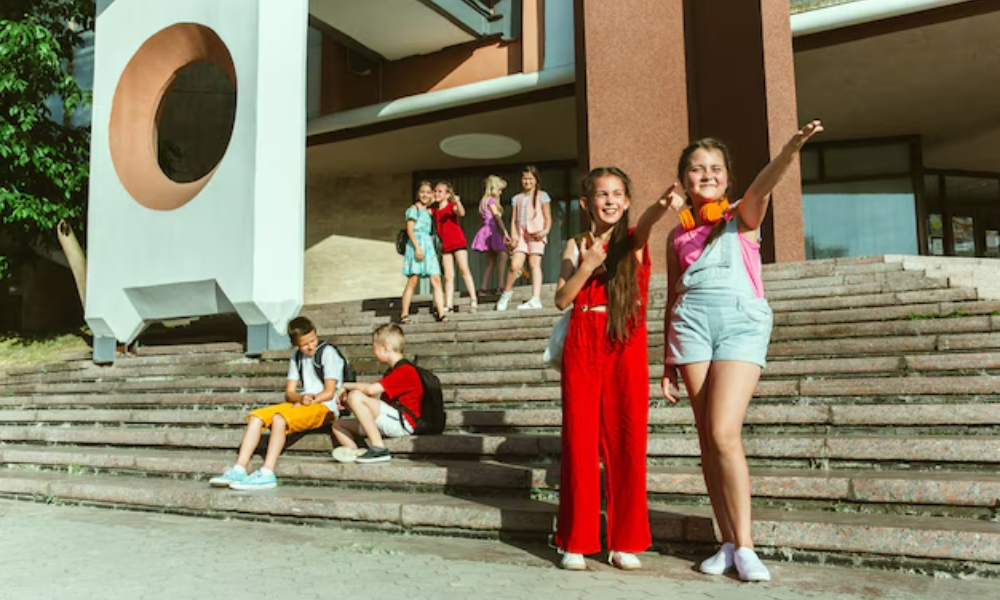
Best Boarding schools often draw inspiration from several well-known educational principles. These ideas influence how students learn and grow in a residential environment.
Holistic Education
Holistic education focuses on developing the whole individual rather than concentrating only on academic achievement.
In residential schools, students participate in sports, creative activities, community service, and leadership roles. These experiences contribute to emotional and social development.
Experiential Learning
Experiential learning emphasizes learning through real-life experiences rather than only theoretical study.
Activities such as group projects, outdoor programs, and practical workshops allow students to apply knowledge in meaningful ways.
Social Learning
Students in residential environments learn constantly from each other. Living with peers helps them understand cooperation, conflict resolution, and communication.
This environment encourages mutual respect and shared responsibility.
Character Education
Many best boarding schools prioritize values such as integrity, discipline, and responsibility. Structured routines and mentorship help students develop these qualities over time.
These principles explain why residential schools character development and leadership often produce confident and independent graduates.
Benefits of Boarding School Life

Residential schooling offers several advantages that extend beyond classroom learning.
Academic Focus
Living on campus reduces distractions and provides a dedicated environment for study. Scheduled study hours and teacher support help students stay focused on academics.
Personal Independence
Students learn to manage their own time, organize their tasks, and take responsibility for their decisions.
These skills often help them adjust easily to university life later.
Diverse Friendships
Students interact with peers from different regions and cultures. This exposure broadens perspectives and encourages cultural understanding.
Structured Lifestyle
Daily routines usually include study time, sports, meals, and recreational activities. This structured schedule promotes discipline and healthy habits.
Access to Facilities
Many residential schools provide facilities such as libraries, laboratories, sports complexes, and art studios that students can use regularly.
For many families exploring residential education, a best boarding school in India often offers a combination of academic excellence, cultural diversity, and well-established traditions.
Challenges Students May Face

While best boarding schools offer many benefits, they also come with certain challenges. Recognizing these helps families prepare students for the experience.
Homesickness
Being away from family for long periods can be emotionally challenging, especially during the first few months.
Supportive teachers and peer friendships usually help students adjust over time.
Adapting to Discipline
Residential schools often follow structured rules and routines. Some students initially find it difficult to adapt to strict schedules.
However, this discipline often becomes beneficial in the long run.
Social Adjustment
Living with many students requires patience, communication, and cooperation. Conflicts may arise, but they also provide opportunities to learn social skills.
Academic Pressure
In many residential schools, academic expectations can be high. Students need to balance studies with extracurricular activities.
Proper guidance from teachers and counselors usually helps maintain this balance.
How Parents Can Choose the Right and best Boarding School

Selecting the right residential school requires careful consideration.
Parents can begin by reviewing a few important factors:
Academic curriculum and teaching approach
Student support systems such as counseling and mentoring
Extracurricular opportunities
Safety, health facilities, and campus environment
School values and discipline structure
Visiting the campus, speaking with teachers, and reviewing student experiences can also provide valuable insights.
Choosing the right environment helps ensure that students feel comfortable and supported during their learning journey.
Conclusion
Boarding schools represent a unique form of education that blends academic learning with personal growth. Through structured routines, strong mentorship, and community living, students develop independence, responsibility, and confidence.
Understanding the importance, types, and educational ideas behind residential schooling allows families to make informed choices. While challenges such as homesickness or adjustment may occur, the supportive environment in most schools helps students overcome them and grow stronger.
For many learners, the experience becomes more than just schooling. It becomes a foundation for lifelong learning, friendships, and personal development.
FREQUENTLY ASKED QUESTIONS
Q1. What are boarding schools and how do they work?
Ans: Boarding schools are educational institutions where students live on campus during the academic term while attending classes and participating in extracurricular activities.
Q2. At what age can students join a boarding school?
Ans: Many residential schools accept students from middle school onward, typically between ages 10 and 13, depending on the institution.
Q3. Are boarding schools better than day schools?
Ans: Both systems have advantages. Boarding schools offer structured environments and independence, while day schools allow students to stay close to family.
Q4. What activities do boarding schools offer besides academics?
Ans: Most schools provide sports, arts, music, leadership programs, clubs, and community service activities.
Q5. How do boarding schools help students become independent?
Ans: Living away from home teaches students time management, responsibility, and decision-making skills while receiving guidance from teachers and mentors.