


Education system to play India’s progress in the 21st century hinges significantly on one critical pillar—its education system. From producing world-class professionals to nurturing ethical citizens, the education system is not just about imparting knowledge but about shaping a nation’s destiny. With dynamic shifts in technology, globalization, and workforce demands, the education system is set to play a pivotal role in preparing young minds to lead India into the future.
As per research conducted by boarding schools in Dehradun , though there have been major improvements in the education system all over the world over time, there have been several flaws in this process too. This article shall highlight such flaws and come up with solutions for tackling them, specifically for India.
Understanding the Indian Education System

The Indian education system is a vast network of schools, colleges, universities, and skill-based institutions. It caters to over 250 million students, making it one of the largest education networks globally.
Despite its scale, it faces challenges such as regional disparity, rote learning, and outdated curricula. However, the system is gradually evolving to meet global standards through initiatives like NEP 2020 and digital education platforms.
What is the need of Education system to play a Bigger role

1. Driving Economic Growth
India’s demographic dividend can only be realized if its youth are well-educated and skilled. The education system needs to play a proactive role in building a workforce equipped with the latest technological, managerial, and soft skills.
2. Reducing Social Inequality
An inclusive and equitable education system can bridge the gap between rural and urban communities. Education is a tool for social mobility and must play a role in ensuring that every child, regardless of background, gets equal opportunities.
3. Fostering Innovation and Research
With growing investments in research and development, India must nurture a culture of innovation. The education system should play the role of a catalyst by integrating research-oriented and project-based learning from an early age.
The current state of the Indian education system

How is the education system in India unique?India has one of the largest and most diverse education systems in the world. It is also one of the most inefficient, with a high dropout rate, low learning outcomes and poor governance.
The lack of quality education has been identified as one of India’s key constraints for economic growth by several studies over recent years. The World Bank estimates that if India can increase its gross enrolment ratio from 42 per cent to 65 per cent by 2030 — closing almost half of its gap with China — its GDP could grow by as much as $1 trillion per annum.
The government has taken some steps to improve access to education with its Right to Education Act 2009, which guarantees free and compulsory elementary education for all children aged 6-14 years.
There are two main reasons why India’s education system needs reform: it fails to meet demands from a growing economy and society; and it is unable
Progress and achievements in recent years

The government has taken several steps to improve the quality and scope of education in India. The Right to Education Act (RTE) was passed in 2009 with the aim to provide free and compulsory education to all children between 6 and 14 years of age.
The Act also mandates 25% reservation for disadvantaged children, including those belonging to SCs, STs and OBCs, in private schools which are receiving aid from the government or are being run by religious or linguistic minorities.
There has been a significant increase in enrolment rates at all levels since independence – primary school enrolments rose from 46% in 1951-52 to 95% in 2011-12; secondary school enrolments rose from 1% in 1951-52 to 19% in 2011-12; and higher education enrolments rose from 0.7% in 1951-52 to 10% in 2011-12.
The role of the education system in shaping India’s future
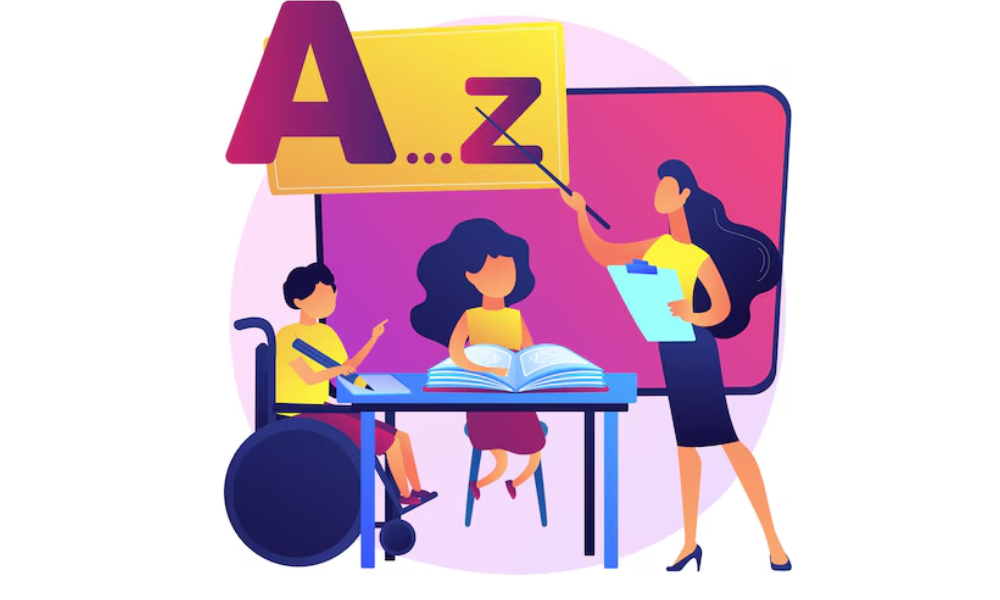
India’s young population is set to become the engine of its growth. In this context, our education system has an important role to play in shaping India’s future. We must give our youth the best education and skills so that they can contribute to India’s progress.
To ensure that every child gets a chance to study in an English-medium school, we have launched Rashtriya Madhyamik Shiksha Abhiyan (RMSA).
This programme aims at providing better infrastructure facilities to government schools across the country so that they can provide quality education in English medium from Class 6 onwards as well as improve teaching methods through technology-enabled learning tools such as computer labs, smart boards etc. Under RMSA, we are also providing free e-books for students upto
She was speaking at the inauguration of the first Indian Institute of Technology (IIT), Ropar campus, in Himachal Pradesh.
“Education system can play a crucial role in shaping India’s future,” he added.
The president said that investment in technology and digital infrastructure will improve access to education. He also stressed on the need for quality education.
Modi said that IITs are contributing to nation-building by producing high-quality manpower for industry and government organisations.
She also highlighted the importance of research work done by IITs and urged them to come up with more innovative ideas which can be implemented on the ground
The importance of teacher training and professional development

The education system of a country is one of the most important factors that determine its future. In India, where more than half of the total population is under 25 years of age, it is imperative that we ensure that our young generation receives a quality education. The importance of teacher training and professional development can never be understated.
Teachers also make sure that each student gets individual attention during lessons so that they can progress at their own pace without feeling left behind by others around them who may be ahead in terms
Conclusion
The education system must play a forward-thinking role in building a stronger, inclusive, and progressive India. With the right policies, investments, and mindset, it can become the engine of national transformation.
For students, parents, and educators alike, it is time to recognize the power of education in shaping the future we all aspire for.
For any queries related to parenting, schooling, or any student-related tips, click here to check out our latest blogs