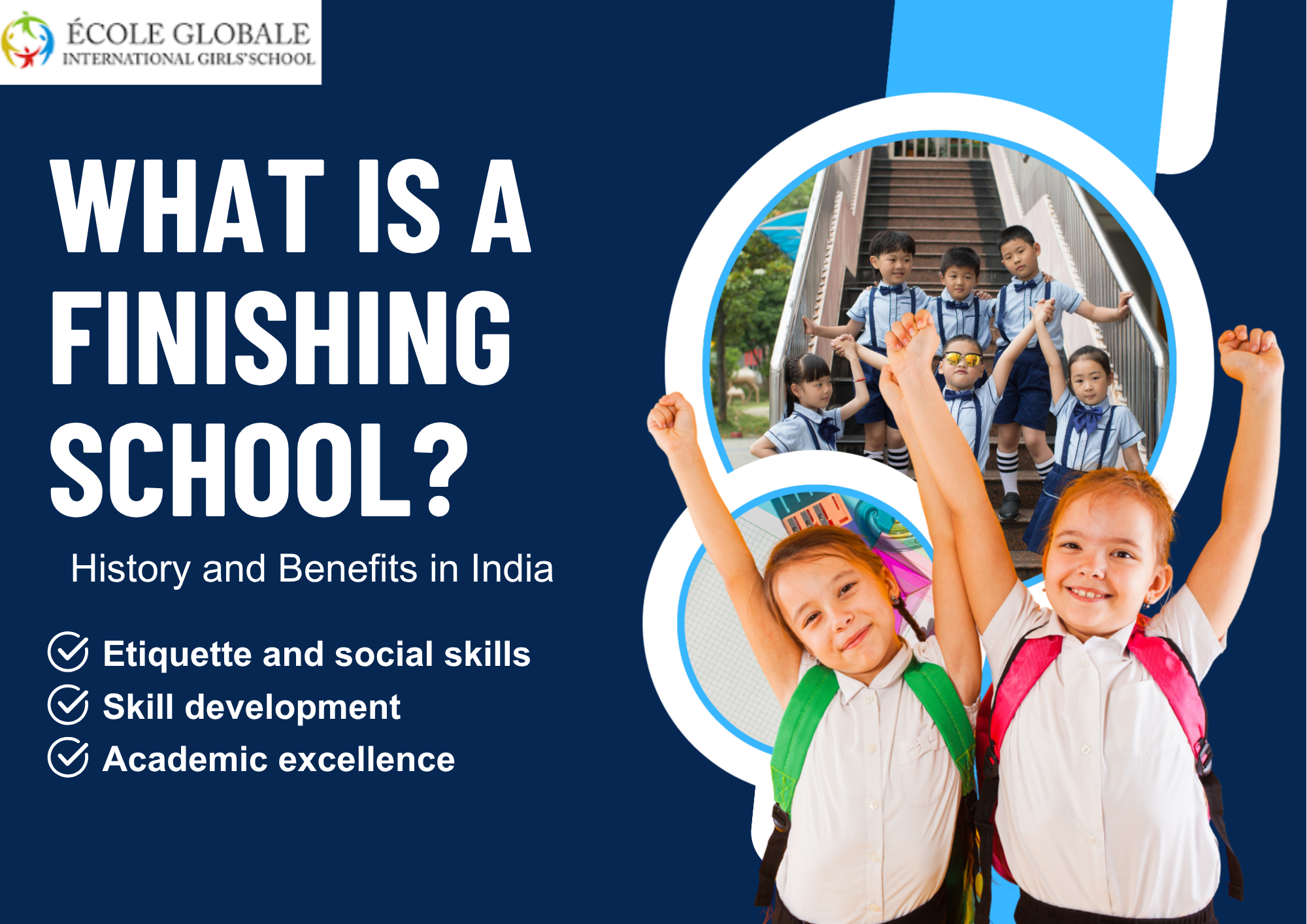
Education has always been about more than textbooks and examinations. The most well-rounded individuals in society — those who lead boardrooms, navigate diplomatic circles, and inspire communities — share something in common: they were trained not just in academics, but in character, confidence, and conduct.
This is precisely the philosophy behind a finishing school.
Whether you are a parent exploring the best educational options for your daughter or a student seeking an institution that invests in your all-round development, understanding what a finishing school is — and what it can do — is an important first step.
What Is a Finishing School?

This is a private educational institution that goes beyond conventional academics to focus on the complete development of a student’s personality, social skills, values, and professional readiness.
The name itself comes from the idea of “finishing” or polishing a student’s overall character — giving them the tools, confidence, and grace to navigate any situation in life, from a formal dinner to a job interview to a leadership role.
In its modern form, a school integrates:
- Etiquette and social skills — communication, dining manners, public speaking, and interpersonal conduct
- Personality development — self-confidence, emotional intelligence, body language, and presentation
- Skill development — both domain-specific skills (design, coding, writing) and life skills (time management, decision-making)
- Value education — ethics, morality, cultural sensitivity, and civic responsibility
- Academic excellence — standard curricular programmes at CBSE, CIE, or equivalent levels
A Brief History of Finishing Schools

Origins in Europe
The concept of the school originated in 18th and 19th century Europe, particularly in Switzerland, France, and England. These were exclusive institutions designed for young women from aristocratic and upper-class families, where they were trained in etiquette, social graces, music, languages, and the arts — skills considered essential for entering elite society.
The primary purpose was to prepare young ladies for marriage and upper-class social life. Academic learning was considered secondary.
The Decline and Resurgence
As the 20th century progressed, the traditional school fell out of favour. The women’s rights movement redefined gender roles, public schooling expanded, and academic credentials took precedence. Institutions focused purely on etiquette seemed out of step with a changing world.
However, by the 1990s, schools made a significant comeback — but with a completely transformed identity. The new model was no longer restricted to women, and its goal was no longer just social etiquette. Instead, it evolved into a comprehensive educational model that prepared students for the demands of modern professional and personal life.
The Modern Finishing School
Today, a school is an institution where students receive specialist training to become well-rounded individuals capable of excelling in academics, careers, and society. The focus has shifted from “manners for marriage” to “confidence for leadership.”
Many of the best boarding schools in India have integrated the school model into their regular curriculum — recognising that holistic education is the need of the hour.
Why Does a Finishing School Matter Today?
In a competitive world where skills and personality matter as much as grades, a school provides young students with the edge they need. Here is why school education is more relevant than ever:
1. Personality Development
Your personality is the sum of your experiences, values, decisions, and the influences you absorb over time. While families and communities play a role, schools that actively focus on personality development can shape individuals in profound ways.
This dedicates structured time and programmes to:
- Building self-confidence and self-expression
- Improving body language and non-verbal communication
- Developing leadership qualities
- Teaching emotional regulation and resilience
Students who graduate from such institutions often carry themselves with a visible assurance that sets them apart — in college admissions interviews, in the workplace, and in social settings.
2. Value Education
Ethics and values are not learned from textbooks. They are cultivated through consistent exposure, guided conversations, and institutional culture.
A school embeds value education into its daily life — not as a separate subject, but as a lived experience. Students are taught:
- The importance of honesty, empathy, and integrity
- Respect for diversity — cultural, linguistic, and social
- Civic responsibility and community service
- Awareness of ethical and unethical behaviour in society
These morals shape students into individuals who are not merely academically accomplished but genuinely good human beings.
3. Skill Development
The modern job market values skills alongside degrees. A student who enters university or the workplace with a set of practical, demonstrable skills has a significant advantage over peers who only have theoretical knowledge.
A quality school develops two categories of skills:
General/Life Skills:
- Communication and public speaking
- Critical thinking and problem-solving
- Writing and articulation
- Observation, perception, and analytical ability
Domain-Specific Skills:
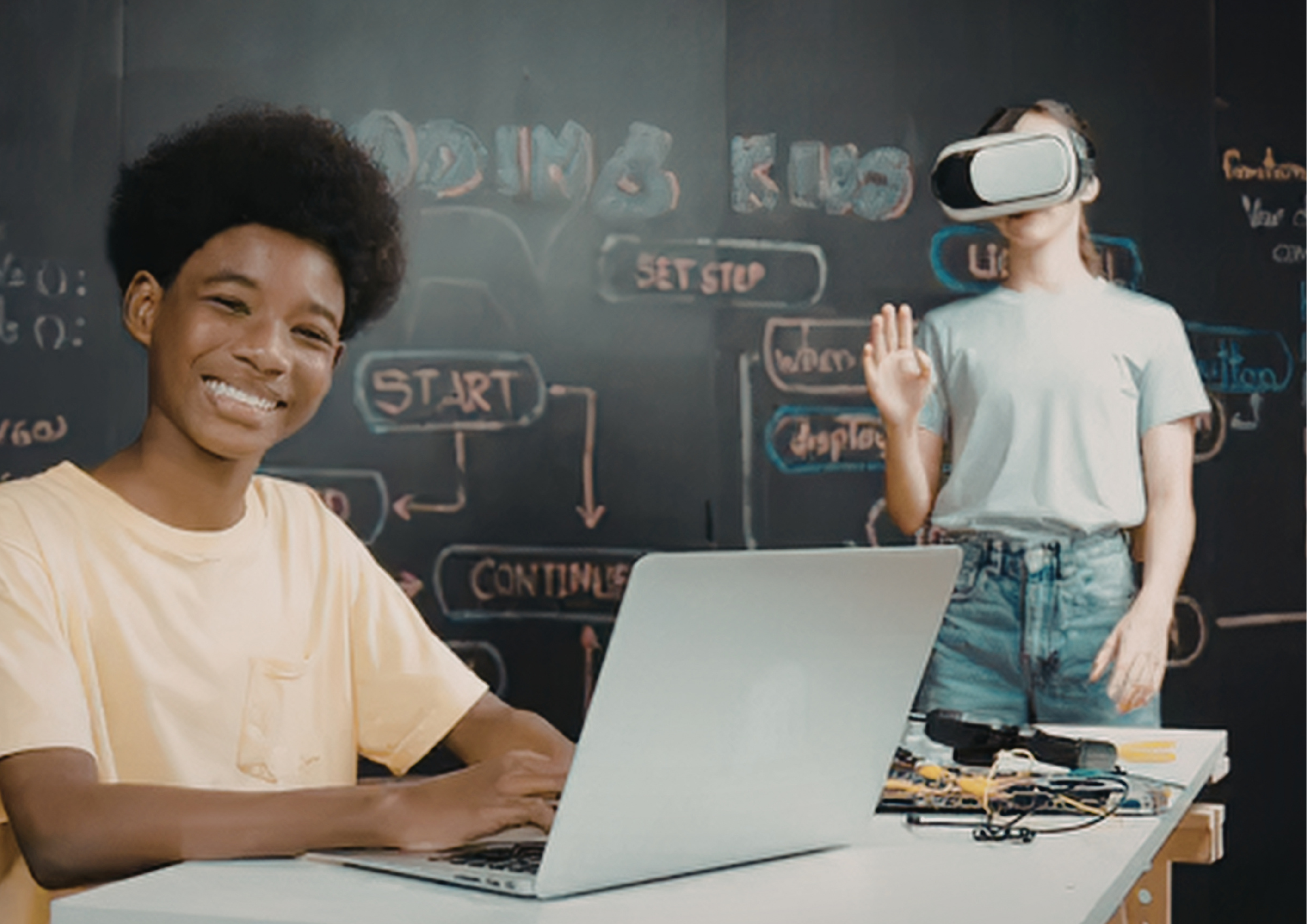
- Technology, coding, and digital literacy
- Design, arts, and creative expression
- Entrepreneurship and business acumen
- Research and academic skills
By identifying each student’s individual interests and potential, schools tailor skill development programmes to ensure every student can discover and excel in their natural areas of strength.
4. Social and Cultural Adaptability
In an increasingly globalised world, the ability to interact comfortably with people from different cultures, backgrounds, and contexts is invaluable. A school exposes students to:
- International perspectives and multicultural environments
- Formal and informal social settings
- Communication across diverse situations
- Global etiquette and cultural sensitivity
This prepares students not just for local success but for global impact.
5. Preparing Students for College and Career
A school equips students with the readiness that regular academic institutions often overlook:
- Interview skills and presentation ability
- Time management and self-discipline
- Networking and relationship-building
- Professional conduct and workplace etiquette
Students who have attended schools are often better prepared for the transition to university life and professional environments.
What Does Life at a Modern Finishing School Look Like?

A modern school is not a rigid, old-fashioned institution. It is a dynamic, engaging environment where structured academics meet experiential learning.
Students typically experience:
- Interactive workshops on communication, leadership, and confidence-building
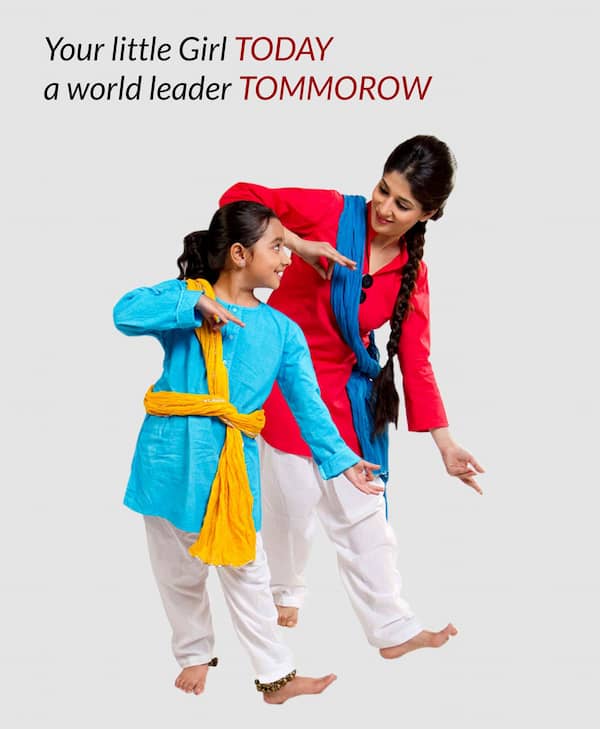
- Cultural events that expose them to art, music, dance, and literature
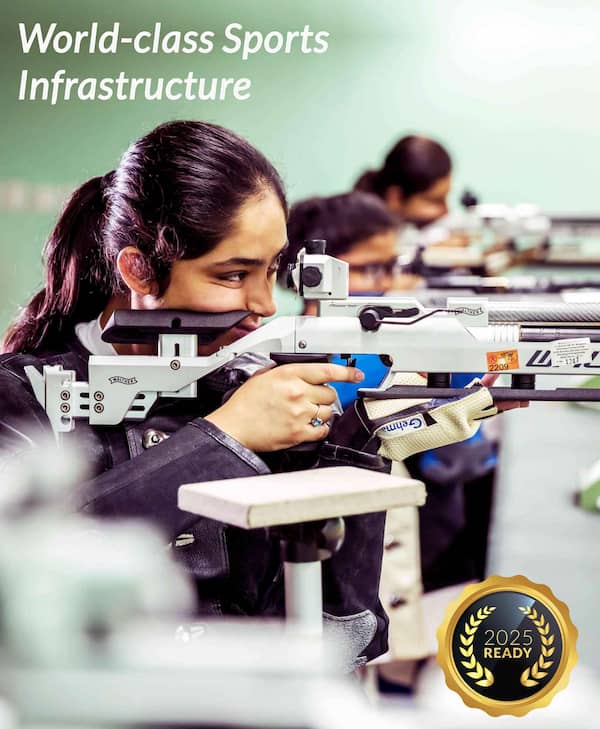
- Sports and outdoor activities that build teamwork, resilience, and physical fitness
- Community service programmes that instil empathy and civic responsibility
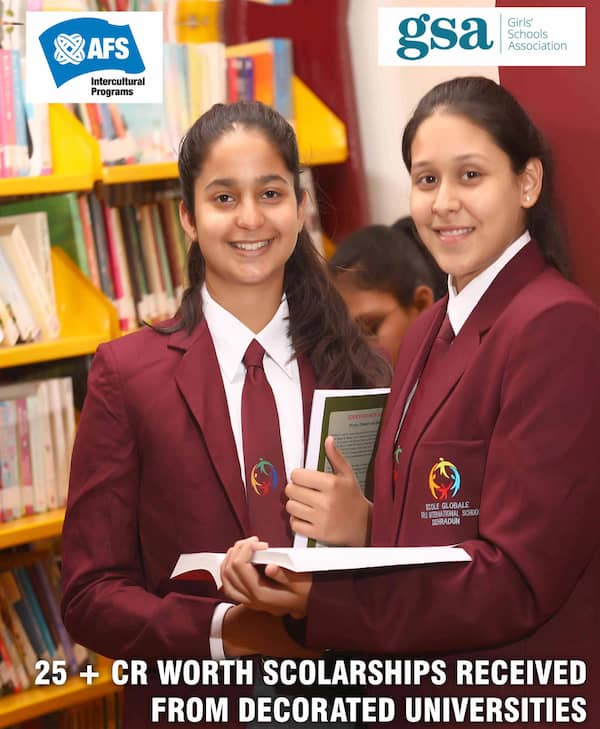
- Exchange programmes and international exposure that broaden perspectives
- Mentorship and counselling that support mental and emotional well-being
The curriculum covers both CBSE and international programmes, ensuring that academic excellence is not compromised — it is elevated.
Is a Finishing School Right for Your Daughter?
A school is an excellent choice if you want your daughter to:
- Develop confidence, character, and communication skills alongside academics
- Learn to navigate social situations with grace and assurance
- Build a strong moral compass and value system
- Discover and develop her unique talents and interests
- Be prepared not just for university, but for life
If you value holistic development and want your child to grow into a well-rounded, confident, capable individual — then a school is absolutely the right choice.
Ecole Globale: A Premier Finishing School in India
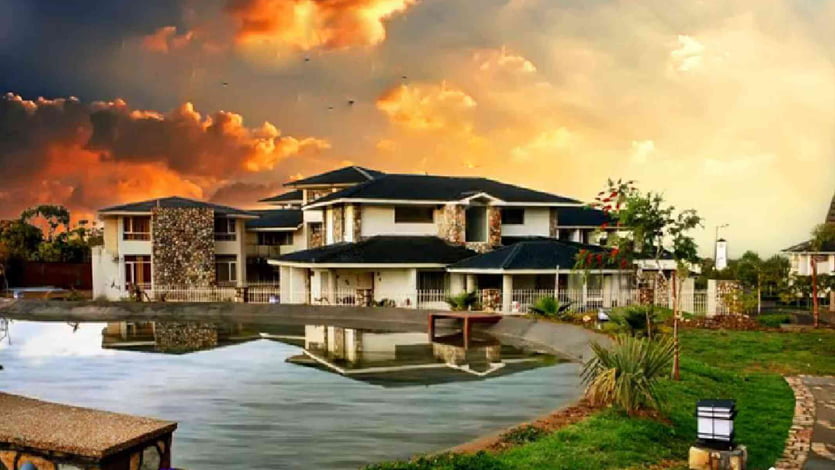
When it comes to finishing schools in India, Ecole Globale International Girls’ School in Dehradun stands out as one of the finest examples of the modern finishing school philosophy in action.
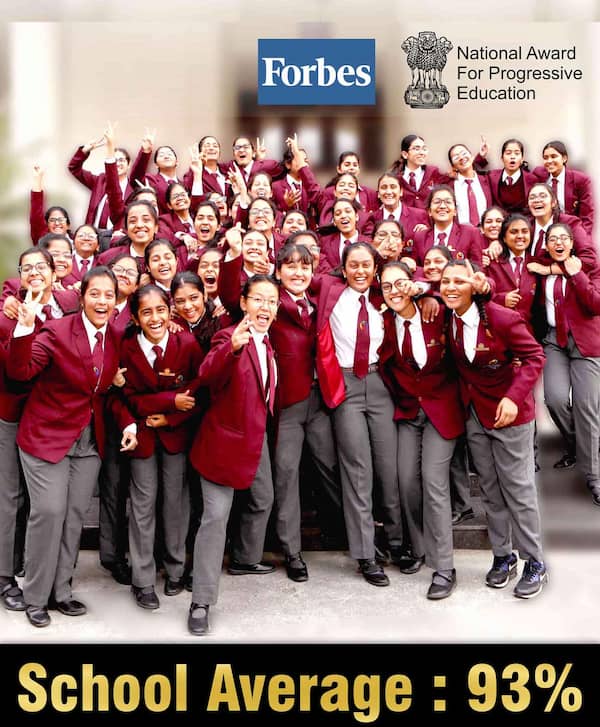
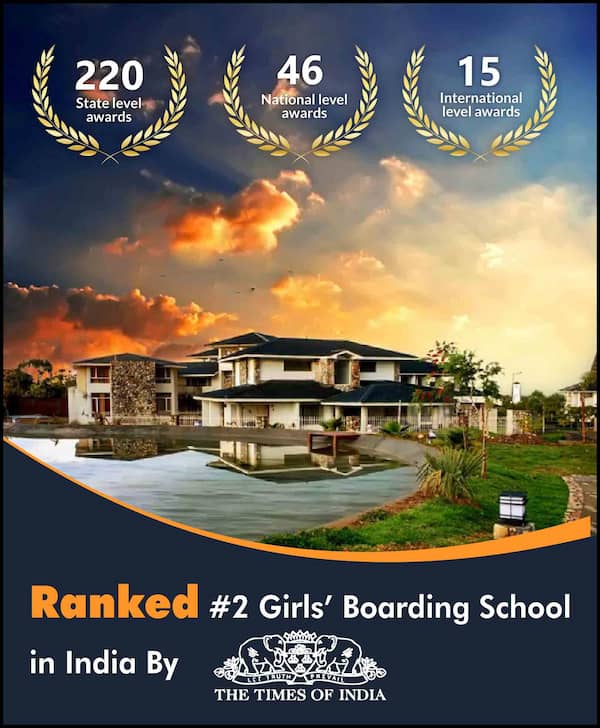
Ranked among the top 3 girls’ boarding schools in India, Ecole Globale seamlessly integrates the core principles of finishing school education — value education, personality development, and skill development — with a rigorous academic curriculum.
What Makes Ecole Globale a Leading Finishing School in India?

Holistic Curriculum: Ecole Globale offers both CBSE and Cambridge International (CIE) programmes, ensuring students receive globally recognised academic credentials alongside character-building experiences.
Personality and Leadership Development: Structured programmes focus on building confidence, communication, public speaking, and leadership skills that serve students throughout their lives.
Cultural and Social Exposure: Through literary activities, art and culture programmes, sports, exchange programmes, and international trips, students are exposed to a rich variety of experiences that shape their worldview.
Value-Based Education: Ethical instruction and moral education are embedded throughout student life at Ecole Globale, nurturing young women who are compassionate, principled, and responsible citizens.
Skill Development: Students are encouraged to explore their interests — from technology and coding to design and entrepreneurship — through specialised programmes designed to develop both general and domain-specific abilities.
Community Service: Regular community service initiatives teach students the importance of giving back and developing a sense of responsibility toward society.
Pastoral Care and Well-being: A dedicated pastoral care team and infirmary ensure that students’ physical, emotional, and mental health are fully supported throughout their years at the school.
Why Dehradun?
Nestled in the foothills of the Himalayas, Dehradun has long been regarded as the educational capital of India. The city is home to some of the country’s most prestigious schools, and its natural environment — clean air, green surroundings, and a mild climate — makes it an ideal setting for focused, residential education.
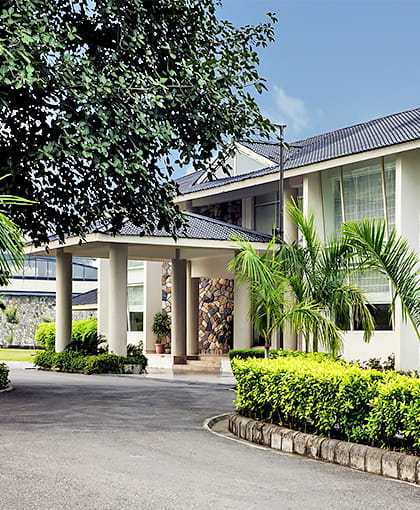
Ecole Globale’s campus in Village Horawalla, near Sahaspur, provides students with a safe, nurturing, and inspiring environment where they can truly flourish.
Frequently Asked Questions About Finishing Schools
Q1. What is the difference between a finishing school and a regular school?
Ans: A regular school focuses primarily on academic learning. A finishing school combines academics with personality development, value education, skill building, and social-cultural training to produce well-rounded individuals.
Q2. Are finishing schools only for girls?
Ans: Historically, finishing schools were for young women. Today, the model is applied more broadly, though many of the most renowned finishing schools — including Ecole Globale — focus specifically on girls, tailoring their programmes to the unique needs and aspirations of young women.
Q3. What is the duration of a finishing school programme?
Ans: This varies. Some finishing schools offer short-term courses. Others, like Ecole Globale, integrate the finishing school philosophy into a full-term residential school education spanning several years.
Q4. How do finishing schools help with career readiness?
Ans: Through skill development, communication training, internship exposure, mentorship, and leadership programmes, finishing schools ensure students enter professional environments with confidence, competence, and clarity.
Q5. What is the cost of a finishing school in India?
Ans: Costs vary depending on the school’s infrastructure, curriculum, location, and facilities. Families should evaluate finishing schools on the basis of the quality of education, the track record of alumni, and the comprehensiveness of the programmes offered.
Conclusion
The finishing school concept has evolved significantly from its 18th-century origins. Today, it represents one of the most comprehensive and forward-thinking approaches to education — one that recognises that academic excellence alone is not enough.
A truly great education shapes the whole person: their intellect, their character, their confidence, and their capacity to contribute meaningfully to the world.
For families who want exactly that for their daughters, institutions like Ecole Globale International Girls’ School — one of the top finishing schools in India — offer an unmatched combination of academic rigour and holistic development in one of the country’s most celebrated educational destinations.
Interested in learning more about Ecole Globale’s finishing school programmes? Visit ecoleglobale.com or contact the admissions team directly.