





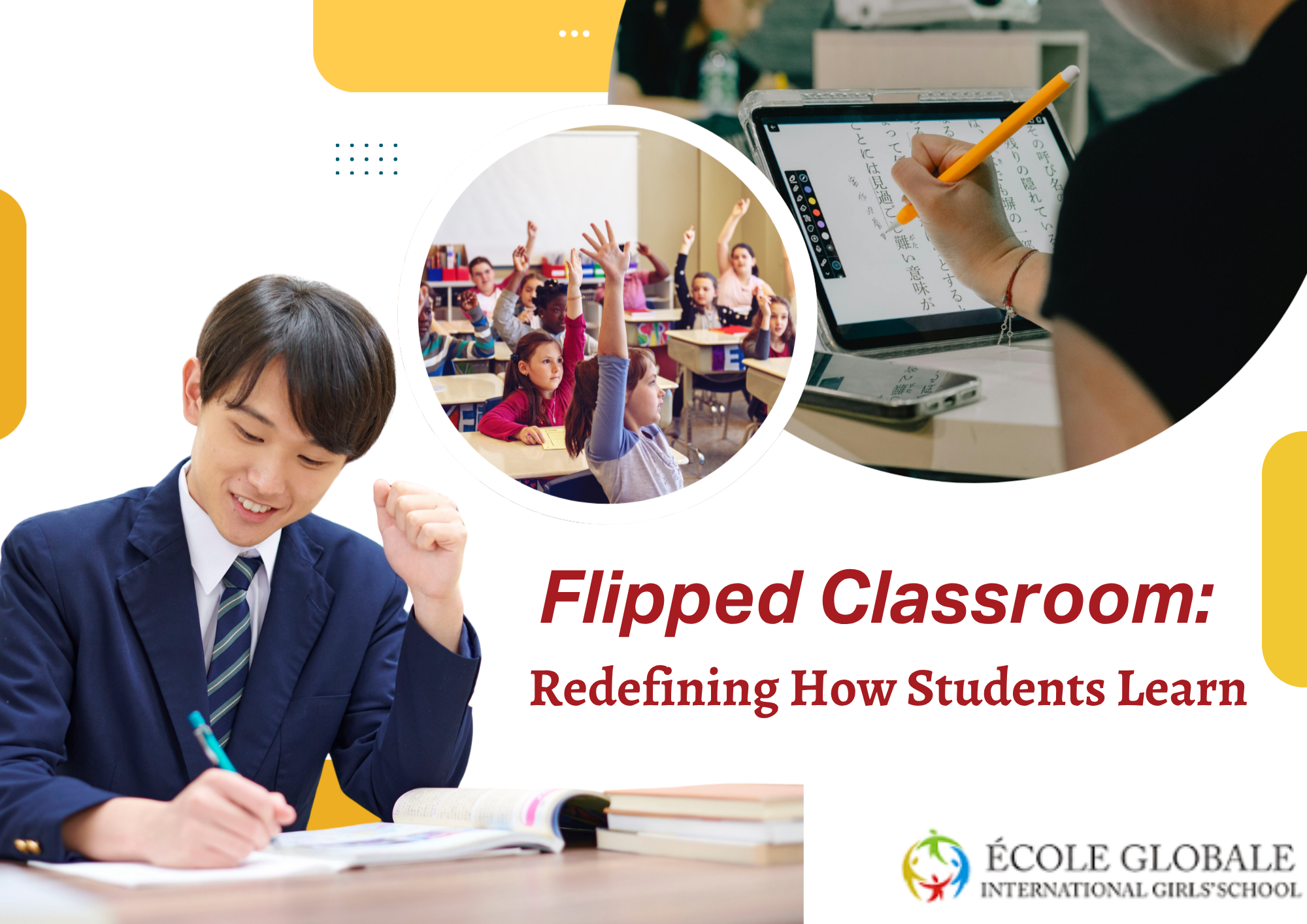
In the traditional classroom, teachers lecture, and students take notes — leaving homework for practice later. However, the Flipped Classroom approach completely reverses this process. Instead of spending classroom time listening to lectures, students learn new material at home through videos, readings, and online content, and then use class time for discussions, activities, and real-world problem-solving.
This innovative model is changing how students interact with information and teachers, making learning more engaging, personalized, and effective.
What Is a Flipped Classroom?

A Flipped Classroom is a modern teaching strategy that “flips” the traditional learning sequence.
In this model:
Students watch lectures or study materials before class (often online).
Classroom sessions are then used for interactive learning, such as discussions, debates, group projects, and practical exercises.
The key goal is to move from passive learning to active, student-centered learning — where understanding is built through participation and collaboration.
How the Flipped Classroom Works
Step 1: Pre-Class Learning
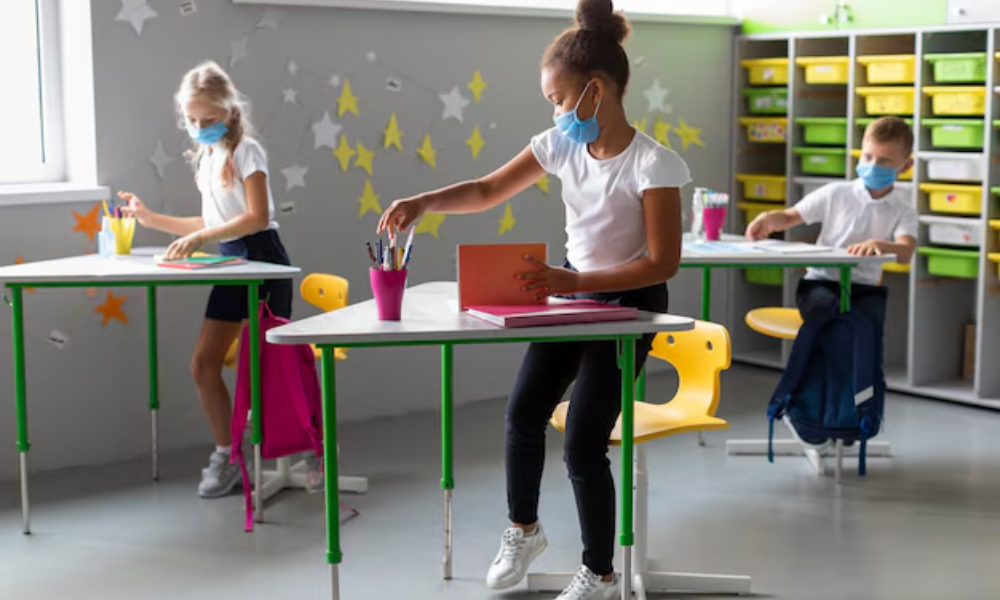
Teachers share instructional videos, reading materials, or podcasts that students review at home. These resources cover the core lesson content.
Step 2: In-Class Application
Class time focuses on applying the learned concepts through:
Problem-solving activities
Group discussions
Hands-on experiments
Case studies or quizzes
This ensures that teachers can guide, clarify doubts, and assess understanding in real time.
Step 3: Post-Class Reinforcement
After the session, students may receive follow-up tasks or self-assessments to reinforce learning and track progress.
Core Principles of the Flipped Classroom Model
Active Participation: Students engage deeply with learning materials and classroom interactions.
Teacher as Facilitator: Teachers guide and mentor instead of just lecturing.
Collaborative Learning: Peer discussions help students learn from one another.
Personalized Pace: Students can pause, rewind, and revisit video lectures as needed.
Continuous Feedback: Teachers assess students more effectively through in-class activities.
Advantages of the Flipped Classroom
1. Promotes Active Learning
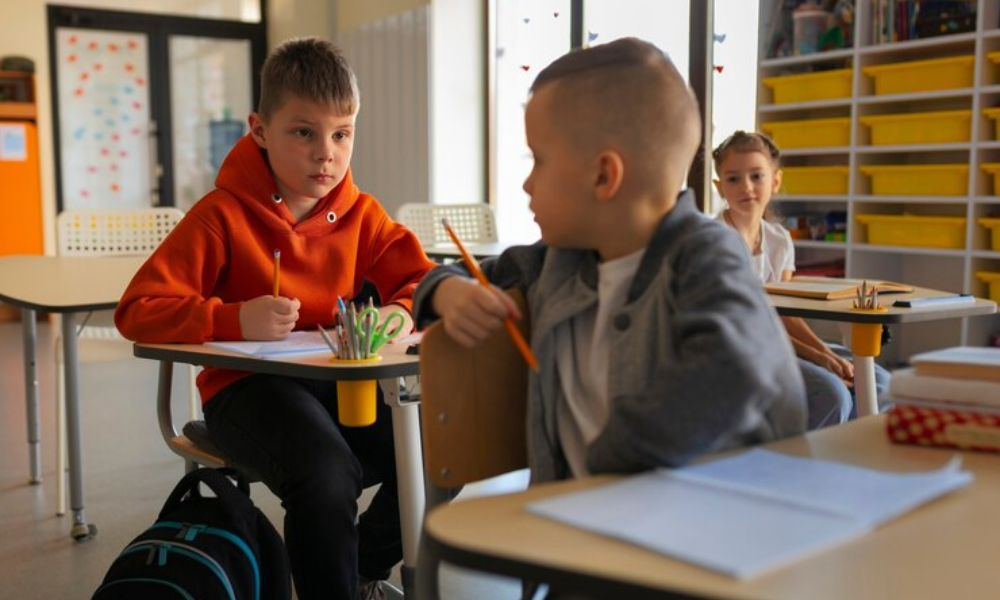
Students become active participants rather than passive listeners, enhancing critical thinking and retention.
2. Improves Concept Understanding
Since students preview lessons at home, class time can focus on problem areas and deeper analysis.
3. Encourages Collaboration
Group discussions and teamwork promote social interaction and idea exchange.
4. Builds Self-Learning Skills
Students take responsibility for their education, developing independence and self-discipline.
5. Better Use of Classroom Time
Instead of spending hours explaining theory, teachers can dedicate sessions to practical applications and one-on-one support.
6. Allows Personalized Instruction
Teachers can identify struggling students and provide targeted help during class.
Challenges of the Flipped Classroom

Despite its advantages, the flipped model faces some hurdles:
1. Access to Technology
Not all students have access to stable internet or digital devices needed for pre-class study.
2. Student Preparedness
If students skip pre-class materials, in-class activities lose effectiveness.
3. Teacher Workload
Preparing engaging online content requires time, creativity, and technical skills.
4. Adjustment Period
Students and parents may need time to adapt to this unconventional structure.
The Role of Technology in Flipped Classrooms
Technology is the backbone of the flipped classroom model. Teachers use digital tools such as:
YouTube or Google Classroom for video lessons
Moodle or Edmodo for discussion forums
Kahoot! and Quizizz for interactive quizzes
Zoom and Microsoft Teams for virtual sessions
These platforms make lessons more accessible and engaging while enabling teachers to track participation and progress.
Flipped Classroom in India
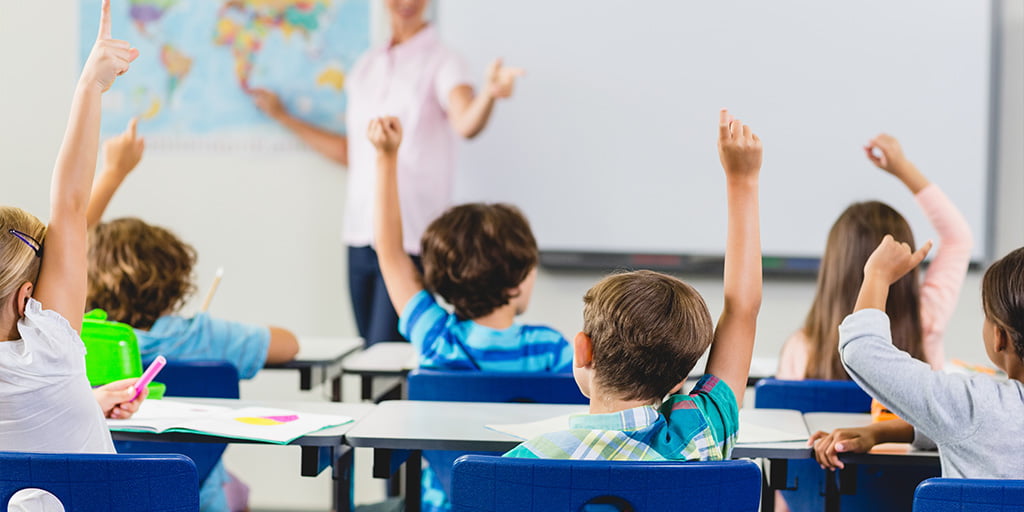
In India, the Flipped Classroom approach is being increasingly adopted by schools and colleges, particularly since the rise of hybrid learning post-COVID-19.
Institutions following the National Education Policy (NEP) 2020 have started integrating flipped models to promote experiential and inquiry-based learning. Digital platforms like Diksha, BYJU’S, and Toppr have made pre-class video learning widely accessible.
Teachers are now using this method not only for STEM subjects but also for humanities and language education — proving its versatility across disciplines.
Best Practices for Implementing a Flipped Classroom
Create Short, Engaging Videos: Keep video lessons under 10–15 minutes for better focus.
Use Real-World Examples: Connect theory to real-life applications to improve understanding.
Set Clear Expectations: Inform students about pre-class preparation requirements.
Blend Assessment Methods: Include quick quizzes, peer reviews, and discussions for evaluation.
Encourage Parental Involvement: Especially in lower grades, parents can help ensure students complete pre-class work.
Gather Feedback Regularly: Continuous feedback helps refine teaching strategies.
Impact on Teachers and Students
For Teachers:
The flipped model allows educators to dedicate more time to guiding students, identifying challenges, and fostering creativity.
For Students:
It promotes curiosity, responsibility, and deeper learning — essential skills for success in higher education and future careers.
Students feel more empowered because they have control over how and when they learn, transforming education from teacher-led to learner-driven.
Conclusion
The Flipped Classroom is more than a trend — it’s a shift in educational philosophy. By combining technology, flexibility, and interactive learning, this model bridges the gap between teaching and true understanding.
As schools worldwide embrace innovation, the flipped classroom stands out as a sustainable and impactful approach — one that prepares students not just to pass exams but to think, question, and lead.
FREQUENTLY ASKED QUESTIONS ON FLIPPED CLASSEOOM
Q1. What is a flipped classroom?
Ans: A flipped classroom reverses the traditional learning model — students learn theory at home and apply it in class through discussions and activities.
Q2. What are the benefits of the flipped classroom model?
Ans: It promotes active learning, collaboration, and deeper understanding while allowing teachers to personalize lessons.
Q3. What challenges come with a flipped classroom?
Ans: Technology access, student accountability, and teacher preparation time are common challenges.
Q4. How does the flipped classroom help students?
Ans: It builds self-learning habits, enhances communication skills, and helps students think critically and creatively.
Q5. Is the flipped classroom suitable for all subjects?
Ans: Yes, it can be adapted for any subject by using videos, readings, and interactive activities suited to the topic.