




Every choice a parent makes about their child’s education is, at its deepest level, a choice about their child’s brain.
The school environment a child inhabits. The quality and variety of activities she engages in. The relationships she forms with teachers and peers. The stress she experiences — and how well it is managed. The sleep she gets. The food she eats. The sports she plays. The languages she learns.
All of these are not just educational decisions. They are neurological ones. They shape — physically and measurably — the architecture of a developing brain.
The neuroscience of brain development has advanced more in the past decade than in the previous century. Researchers now have tools — functional MRI, diffusion tensor imaging, longitudinal brain mapping — that allow them to watch the developing brain in real time and measure how different environments, experiences, and educational approaches affect it.
What they are finding has profound implications for how we think about schooling, particularly during the adolescent years. And it has direct relevance for every parent choosing an educational environment for their child.
This is the complete, science-backed guide to brain development — what happens at each stage, what the latest 2026 research reveals, what school environments do to the developing brain, and what every parent should know when making educational decisions.
What Is Brain Development?
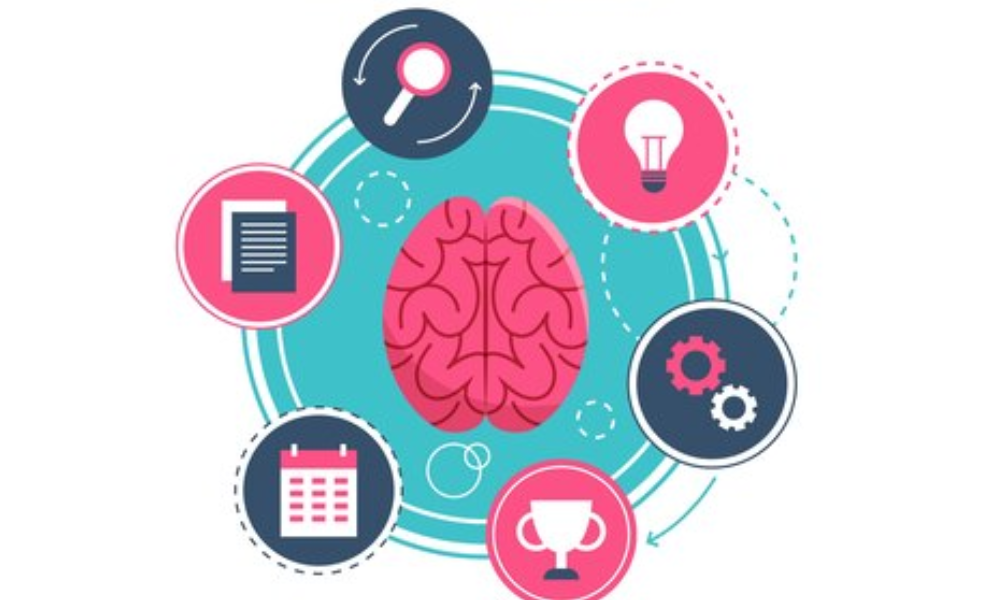
Brain development refers to the biological process by which the human brain grows, forms connections, specialises, and matures from conception through early adulthood. It encompasses the physical growth of brain structures, the formation and pruning of neural connections (synapses), the myelination of nerve fibres that speeds signal transmission, and the gradual maturation of cognitive, emotional, and social capacities.
Brain development is not a single event or a phase — it is a continuous, lifelong process. But it proceeds at dramatically different rates at different life stages, with certain periods — particularly early childhood and adolescence — representing windows of extraordinary neurological change and sensitivity.
Understanding these windows is the foundation of understanding why education, environment, and relationships matter so profoundly for the developing child.
Brain Development: The Key Stages

Stage 1: Prenatal to Birth — The Foundation
The brain begins forming just 16 days after conception. By birth, a newborn’s brain contains approximately 200 billion neurons — more than at any other point in life. The brain at birth is approximately 25% of its adult size, and it grows at the remarkable rate of 1.7 grams per day in the first year.
This early period is shaped primarily by genetics — the initial blueprint for brain architecture. But environment begins to matter immediately. Nutrition, stress, sensory experience, and the quality of early caregiving all begin influencing brain development from the moment of birth.
Stage 2: Infancy and Early Childhood (0–5 Years) — Explosive Connection Building
The first five years of life are characterised by synaptogenesis — the explosive formation of neural connections. By age two, a child has approximately 100 trillion synapses — the maximum they will ever have. The brain at this stage is maximally plastic: experiences leave deep, lasting imprints.
Language acquisition, social bonding, emotional regulation, and the foundations of cognitive function are all being established. Nutrition is critical — approximately 60% of the energy from an infant’s food goes directly to brain growth. DHA, omega-3 fatty acids, iron, and choline are particularly important for neural development.
The quality of early caregiver relationships — warmth, responsiveness, predictability — directly shapes the developing stress response system and the foundations of emotional security that influence all subsequent development.
Stage 3: Middle Childhood (6–12 Years) — Pruning, Specialisation, and Learning Readiness
As children enter school age, the brain shifts from explosive growth to strategic refinement. Synaptic pruning — the elimination of rarely used neural connections to strengthen frequently used ones — accelerates dramatically. The principle is “use it or lose it”: neural pathways that are exercised through learning, play, and experience are strengthened; those that are not are eliminated.
This stage is also marked by rapidly increasing myelination — the coating of nerve fibres with myelin, a fatty insulating sheath that dramatically accelerates signal transmission. As myelination progresses, children become faster, more accurate, and more efficient thinkers.
The school environment becomes critically important here. A 2026 paper published in Science confirmed that childhood environments directly shape brain structure and function — with educational quality identified as a top-tier factor. A Stanford Graduate School of Education study found increased white matter development in children from higher-performing schools — a direct, measurable structural difference in brain architecture produced by educational quality.
What this means for parents: The school a child attends between ages 6 and 12 is not just an academic choice. It is a neurological one. The quality of instruction, the richness of the learning environment, the variety of activities, and the quality of teacher-student relationships all leave measurable imprints on the developing brain.
Stage 4: Adolescence (12–18 Years) — The Second Great Transformation
Adolescence is the most dramatic period of brain development after infancy — and the most misunderstood.
The popular perception of the teenage brain is of a system in chaos — impulsive, irrational, prone to risk. The neurological reality is more nuanced and more interesting.
Adolescence is characterised by two simultaneous and competing neurological processes:
1. The limbic system accelerates. The brain’s emotional and reward centres — the limbic system, including the amygdala — mature early in adolescence. This is why teenagers feel emotions intensely, seek novelty and social reward, and respond to peer influence so powerfully. This is not a malfunction — it is an evolutionary mechanism that drives exploration, social bonding, and identity formation.
2. The prefrontal cortex is still under construction. The prefrontal cortex — the brain region responsible for planning, impulse control, consequence evaluation, and long-term decision-making — is the last part of the brain to mature. It does not reach full development until approximately age 25.
This maturational lag between the emotional limbic system and the rational prefrontal cortex explains much of adolescent behaviour: the impulsivity, the emotional intensity, the susceptibility to peer influence, the tendency toward risk.
But it also explains something else: why the adolescent years are a window of extraordinary opportunity. The prefrontal cortex is most actively developing during the secondary school years — and it develops in direct response to the demands placed on it.
Students who are regularly required to plan, to delay gratification, to resolve conflicts, to take on leadership roles, to manage their own time and responsibilities — are not just developing character. They are building prefrontal cortex capacity. They are physically strengthening the neural architecture of self-regulation, judgment, and long-term thinking.
A 2026 study from Kyushu University published in Science Advances identified previously unknown synapse hotspots in the adolescent brain — concentrated in the layer 5 neurons of the cortex, associated with higher-order decision-making. The discovery suggests that adolescence is even more critical for the development of complex cognitive functions than previously understood.
What the 2026 Research Says: School Environments Shape Brains
The most significant development in brain development research in recent years is the shift from correlational to causal understanding of how educational environments affect brain structure.
The landmark 2026 paper in Science — “Childhood Environments Shape the Brain” — reviewed a massive body of neuroimaging data and concluded that educational quality is among the top factors determining brain structural differences between children.
The Stanford GSE study linked higher-performing school environments to increased white matter development — measurable structural differences in the neural pathways that connect different brain regions and enable faster, more integrated thinking.
What this research collectively confirms:
The school environment is not just where children learn. It is where children’s brains are built.
Every element of the school environment — the quality of instruction, the richness of activities, the relationships with teachers, the peer community, the management of stress, the availability of physical activity — is a factor in the neurological development of the students within it.
Key Factors That Promote Optimal Brain Development

Understanding what the research identifies as most influential allows parents to evaluate schools not just on traditional metrics but on their neurological impact:
1. Cognitive Stimulation and Academic Challenge
The brain develops through use. Challenging, engaging, intellectually rich academic content drives synaptic formation, strengthens myelination, and builds the neural networks that underlie intelligence and learning capacity.
Rote learning and repetitive drilling build narrow, rigid neural pathways. Problem-solving, critical thinking, creative application, and conceptual exploration build flexible, interconnected ones — the kind that support genuinely intelligent, adaptive performance throughout life.
2. Physical Activity — One of the Most Powerful Brain Development Interventions
The research on physical activity and brain development is among the most consistent in neuroscience. Regular physical exercise:
- Stimulates the production of Brain-Derived Neurotrophic Factor (BDNF) — sometimes called “fertiliser for the brain” — which promotes the growth and maintenance of neurons
- Increases hippocampal volume — directly improving memory and learning capacity
- Improves prefrontal cortex function — enhancing attention, executive function, and impulse control
- Reduces cortisol levels — lowering chronic stress that inhibits brain development
A child who plays sports, swims, rides horses, or engages in structured physical activity daily is not just getting fit. She is actively promoting the neurological conditions for optimal cognitive development.
3. Sleep — The Brain’s Essential Maintenance Window
During sleep, the brain consolidates memories, clears metabolic waste products (including amyloid proteins associated with neurological disease), strengthens neural connections formed during the day, and undergoes essential repair.
Adolescents require 8–10 hours of sleep per night for optimal brain development. The chronic sleep deprivation that characterises many students’ lives — driven by screen use, irregular schedules, and academic pressure — is not just tiredness. It is a direct inhibitor of brain development, memory consolidation, and emotional regulation.
Structured boarding school environments, with defined sleep schedules and managed screen time, directly support the sleep quality that optimal brain development requires.
4. Stress Management and Emotional Safety
Chronic, unmanaged stress is one of the most damaging influences on the developing brain. Elevated cortisol levels — the biological marker of chronic stress — inhibit hippocampal development, impair prefrontal cortex function, and disrupt the neural circuits of emotional regulation.
Conversely, environments characterised by emotional safety, trusted adult relationships, and effective stress management promote healthy development of the limbic system and support the prefrontal cortex growth that underpins maturity and judgment.
This is why the pastoral care infrastructure of a school — house parents, counsellors, anti-bullying culture, adult-student relationships — is not peripheral to academic outcomes. It is neurologically foundational to them.
5. Multilingual Learning
As discussed in detail in our article on bilingual education, learning and operating in multiple languages is one of the most powerful cognitive development interventions available.
Bilingualism builds executive function, strengthens working memory, increases cognitive flexibility, and — across a lifetime — builds cognitive reserve that delays age-related neurological decline. These are not metaphorical benefits. They are measurable structural changes in brain architecture.
6. Arts, Music, and Creative Activity
Musical training in particular has remarkable effects on brain development — expanding auditory cortex capacity, strengthening fine motor neural pathways, improving working memory, and building the capacity for sustained attention that underpins academic performance.
Arts and creative activities develop the right hemisphere networks associated with imagination, spatial reasoning, and pattern recognition — capacities that increasingly matter in a knowledge economy where creative and analytical skills are demanded together.
7. Social Relationships and Peer Community
The social brain — the networks associated with empathy, social cognition, and interpersonal understanding — develops through social experience. Children and adolescents who engage richly with diverse peer communities, resolve conflicts, build friendships, and navigate complex social dynamics are building neural networks that will serve them throughout their professional and personal lives.
How Ecole Globale’s Environment Supports Optimal Brain Development

Every element of the research on brain development points toward the same conclusion: the school environment that best supports neurological development is one that provides cognitive challenge, rich physical activity, emotional safety, diverse social relationships, creative stimulation, structured sleep, and the demands that build prefrontal cortex function.
Ecole Globale International Girls’ School’s residential environment delivers all of these — not as separate programmes, but as integrated features of daily life.
Physical activity: A 40-acre campus with 12+ sports — swimming, tennis, athletics, equestrian, shooting — ensuring daily physical activity that drives BDNF production and cognitive development. Explore sports at Ecole Globale →
Sleep and routine: Structured boarding schedules with defined study hours, activity periods, and rest times — protecting the sleep quality that memory consolidation and emotional regulation require.
Emotional safety: House parents who know every student personally. On-campus counsellors. A four-layer safety system that creates the psychological security the developing brain needs to flourish. Safety at Ecole Globale →
Cognitive challenge: CBSE and Cambridge dual curriculum with a 1:8 teacher-student ratio — ensuring every student is intellectually stretched, individually supported, and consistently engaged.
Multilingual learning: English-medium instruction with French language programme — building the bilingual executive function advantages that directly strengthen prefrontal cortex development.
Creative and social development: Performing arts, visual arts, student leadership, MUN, community service — engaging the right-hemisphere and social brain networks that textbook learning alone cannot reach.
Prefrontal cortex development: Leadership roles, responsibility, conflict resolution, independent decision-making — the daily demands of residential community life that are the most powerful stimuli for prefrontal cortex maturation available to an adolescent.
The parent who is choosing a school for her daughter is not just choosing an academic programme. She is choosing the environment that will shape her daughter’s brain during the most neurologically significant years of her life. Ecole Globale is designed — consciously and comprehensively — to make the most of those years.
Begin your Ecole Globale admission enquiry →
Frequently Asked Question
Q1. How can I support my child’s brain development?
Ans: Provide a nurturing environment with positive interactions, engaging activities, and a balanced diet.
Q2. Why is early brain development so important?
Ans: It lays the foundation for future learning, health, and emotional well-being.
Q3. What role does nutrition play in brain development?
Ans: Essential nutrients like DHA and omega-3s support neural growth and cognitive functions.
Q4. How do positive interactions impact brain development?
Ans: They build confidence, social skills, and emotional regulation in children.
Q5. What are critical periods in brain development?
Ans: Early years when the brain is most receptive to learning and forming connections.




Like!! Great article post.Really thank you! Really Cool.
intresting information
Amazing
Good
Omg this blog is so interesting i love it ?