





First day at school is a big day in the life of every child. While exciting, the day can be nervy and apprehensive – for the child and even the parents.
If your child has to begin in kindergarten or a new school, being prepared for this special day can be the difference between a good start and the world in terms of making the start of his or her learning experience positive.
Understanding how to prepare child for first day of school can make this transition smoother and more meaningful.
Here, we’ll talk about how to prepare child for the first day at school in practical terms, in addition to how to be emotionally supportive.
Start the Conversation Early

When considering how to prepare child for first day of school, begin with open discussion. Children fear the unknown. Talk about what they will be doing, bring them to the school setting, and respond to their questions, and they can be made less apprehensive. Reassure them that how they will be feeling will be normal, that all the children will be feeling the same. Understanding how to prepare a child for the first day of school helps build confidence and emotional readiness.
Take the School Together

A school tour can be a real game changer. Take the time to go through the school before the start date. Walk through the classrooms, playground, cafeteria, and other key areas. Explain where they will be hanging their backpack, where the facilities are, and where they can go for support. It can be a nice little bonus that can relax your child and make them feel reassured. As part of how to prepare child for first day of school, this simple step can make a big difference.
Plan a Routine Way in Advance

A good piece of advice on how to prepare child for the first day of school is to get them into a routine. Begin making bedtimes and wake-up times a week or two in advance. Practice the morning routine of dressing, breakfast, and being ready to exit the home on schedule. Getting the kids into the routine early can reduce the stress factor and facilitate the adjustment.
Shopping for Supplies Together
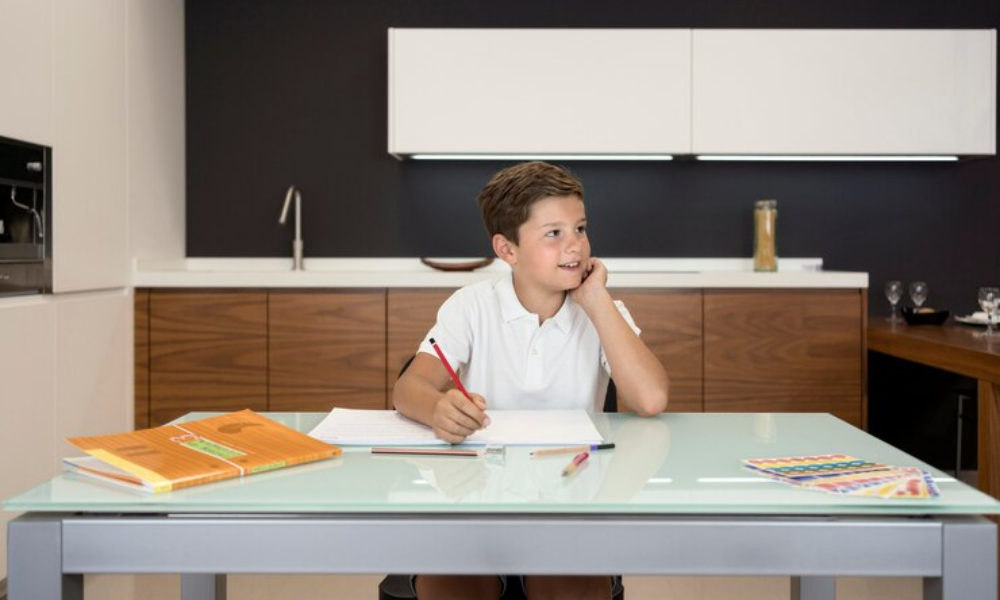
You can make back-to-school shopping a fun bonding time. Engage your child in the process of picking out their backpack, lunchbox, and school supplies. Giving them a sense of control can create enthusiasm and ownership in the process. This is a simple yet effective tip when exploring how to prepare child for first day of school.
Read Books about Going to School

There are a number of children’s books that cover first-day-of-school scenarios. Reading through the stories together can help your child relate to the characters and see that their feelings are normal. It’s a great way to start discussion about their thoughts and how they feel.
Practice Social Skills
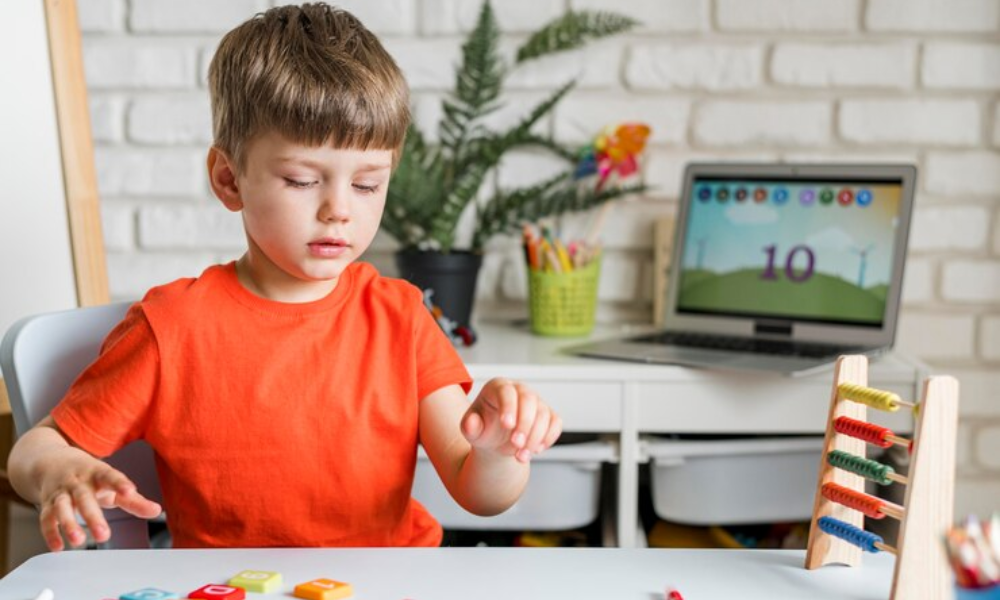
How to prepare child for first day of school involves more than just packing a bag. Part of how to prepare child for the first day of school includes making the child feel confident socially. Role-play how they introduce themselves, how they ask questions, and how they interact sociably with other kids. Stress good manners, taking turns, and listening. These are simple routines that can make your child more competent at navigating in their social life.
Label Everything and Pack Ahead
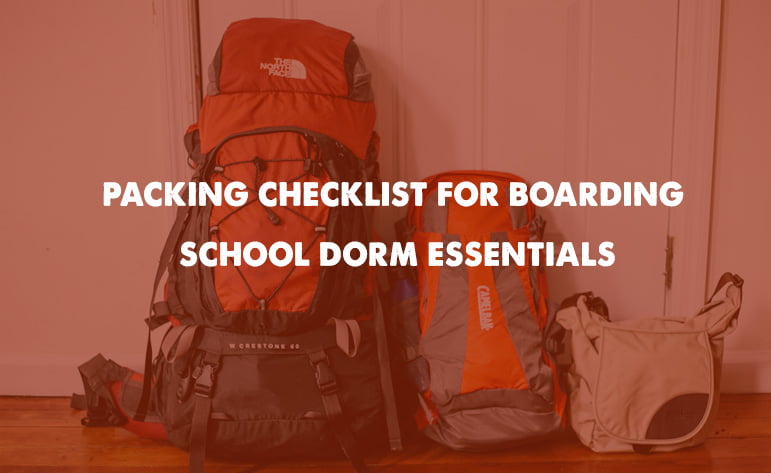
To avoid morning confusion, pack lunch the night before as well as pack backpacks. Be sure to label all items, especially if your child attends a crowded school. Familiarity with their belongings will help provide a sense of security.
Keep Goodbyes Short and Sweet

Drop-off moment can be the most challenging. When thinking about how to prepare child for first day of school, schedule a short, positive goodbye. Prolonged stay can cause anxiety. Let your youngster know that they will see you again and that they’re ready. A short goodbye routine—like a special hug or high-five—makes goodbye less hard. This simple tip is key when learning how to prepare child for first day of school.
Stay Calm and Positive

Children learn by example. If they see that you are concerned, they will be concerned, too. Maintain a calm, upbeat attitude, and speak of school in upbeat terms. Describe your favorite school experiences to reinforce the proposition that school is a comfortable, enjoyable place.
Check In After the First Day
Preparation isn’t at the moment your child walks through the doors of the school. It carries on afterward. Talk about the day after school with them. Ask open-ended questions. Listen well. Commend their bravery. Celebrate successes of all sizes.
Conclusion
Learning how to prepare child for the first day of school can eliminate much of the anxiety and facilitate the process for the whole family.
With open communication, preparation, and support, your child will be able to face school in confidence, not fear. With your support, the experience can be a positive one that they will always remember, paving the way for all the learning experiences yet to come.
FREQUENTLY ASKED QUESTIONS
Q1: When should I start preparing my child for their first day of school?
Ans: Ideally, start at least 1–2 weeks before the first day. This gives you time to adjust routines, talk through expectations, and gradually ease your child into the idea of school.
Q2: What should I do if my child is very anxious or scared?
Ans: Acknowledge their feelings and reassure them that it’s normal to feel nervous. Use books, pretend play, and positive reinforcement to help them express their emotions. Avoid dismissing their fears; instead, validate them and talk about how they can handle the situation.
Q3: How can I make the morning of the first day less stressful?
Ans: Prepare everything the night before—clothes, backpack, and lunch. Wake up earlier than usual to avoid rushing. Keep the morning calm, positive, and focused on encouragement.
Q4: What should I pack in their backpack?
Ans: Include labeled essentials such as school supplies, a lunchbox or snack, a water bottle, and a change of clothes if required. If allowed, a comfort item (like a small plush toy or family photo) can help ease separation anxiety.
Q5: How do I say goodbye without making my child upset?
Ans: Keep goodbyes brief, cheerful, and confident. A quick hug, a goodbye ritual (like a handshake or phrase), and a reminder that you’ll see them soon helps reduce anxiety. Lingering can make separation more difficult.