

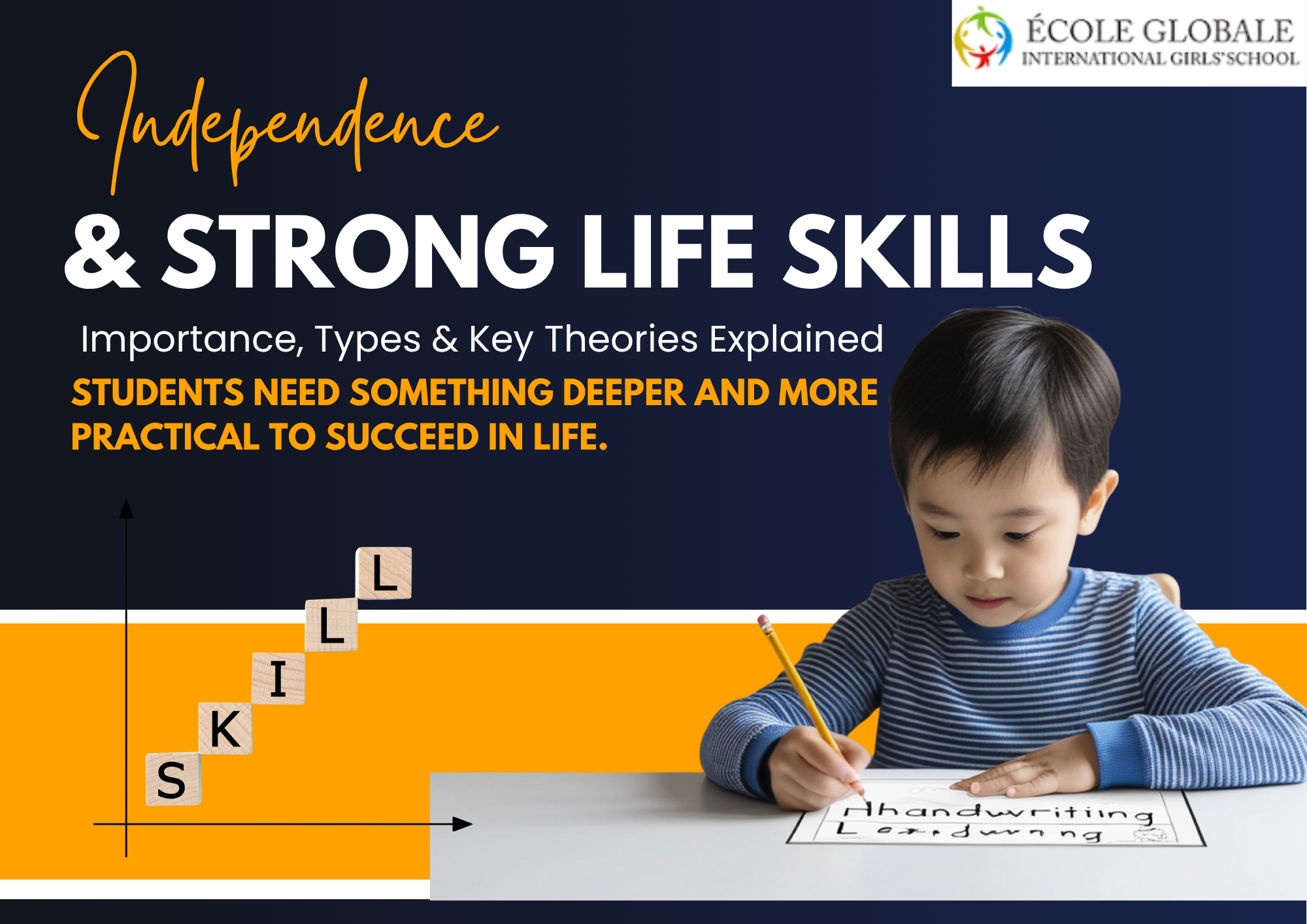
In today’s fast-changing world, academic knowledge alone is not enough. Students need something deeper and more practical to succeed in life. This is where Independence & Strong Life Skills become essential. These skills shape how students think, act, and respond to real-world situations.
Parents and educators are now shifting their focus from marks to mindset. The ability to make decisions, solve problems, and manage responsibilities is what truly prepares a student for the future. Understanding Independence & Strong Life Skills helps build a balanced approach to education that goes beyond textbooks.
What Are Independence & Strong Life Skills

At its core, Independence & Strong Life Skills refer to the ability of an individual to handle life situations confidently without constant guidance.
Key Components
- Decision-making ability
- Time management
- Emotional control
- Problem-solving skills
- Communication and social awareness
These skills are not taught through theory alone. They are developed through daily experiences, structured environments, and guided learning.
Importance of Independence & Strong Life Skills

The importance of Independence & Strong Life Skills becomes clear when students step into real-life situations.
1. Builds Self-Confidence
When students learn to handle tasks on their own, their confidence naturally increases.
2. Encourages Responsibility
Taking ownership of actions teaches accountability, which is a key part of Independence & Strong Life Skills.
3. Prepares for Real Life
From managing finances to handling stress, these skills prepare students for adulthood.
4. Supports Academic Growth
Students who manage time and responsibilities well often perform better academically.
Types of Life Skills Students Need
Life skills can be divided into different categories based on their application.
| Type of Skill | Description |
|---|---|
| Personal Skills | Self-awareness, emotional control, self-discipline |
| Social Skills | Communication, teamwork, empathy |
| Cognitive Skills | Critical thinking, decision-making |
| Practical Skills | Time management, problem-solving, organization |
| Leadership Skills | Initiative, responsibility, teamwork |
Each category plays a role in building Independence & Strong Life Skills, creating a well-rounded individual.
Key Theories Behind Life Skill Development

The development of Independence & Strong Life Skills is supported by strong educational theories.
1. Experiential Learning
Students learn best by doing. Real-life experiences help them develop independence naturally.
2. Social Learning Theory
Students observe and learn from peers, teachers, and their environment.
3. Constructivist Learning
Knowledge is built through experiences and active participation rather than passive learning.
These theories explain why environments that promote interaction and responsibility are effective in developing Independence & Strong Life Skills.
How Educational Environments Shape These Skills

The role of the environment is crucial in developing independence.
For example, structured systems like Boarding schools in india provide students with daily responsibilities, peer interaction, and decision-making opportunities. This naturally supports the growth of Independence & Strong Life Skills in a consistent and practical way.
Such environments allow students to practice independence rather than just learn about it.
Benefits of Independence & Strong Life Skills
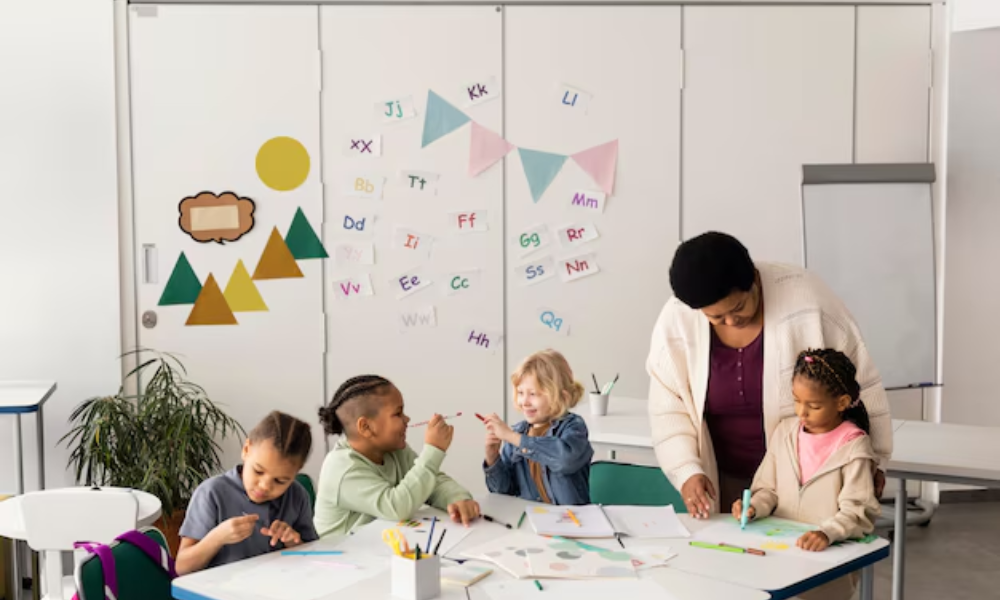
The benefits of developing these skills extend far beyond school years.
Academic Benefits
- Better time management
- Improved focus and discipline
- Ability to handle academic pressure
Personal Growth
- Strong self-confidence
- Emotional stability
- Better decision-making
Social Development
- Effective communication
- Strong relationships
- Ability to work in teams
Career Readiness
- Problem-solving ability
- Leadership qualities
- Adaptability in changing environments
These advantages clearly show how Independence & Strong Life Skills contribute to long-term success.
Challenges in Developing Life Skills

While the benefits are clear, there are challenges in building these skills.
1. Overdependence on Parents
Students who are not given responsibilities may struggle to develop independence.
2. Lack of Practical Exposure
Traditional education systems sometimes focus more on theory than real-life application.
3. Fear of Failure
Students may avoid taking initiative due to fear of making mistakes.
4. Limited Guidance
Without proper mentorship, students may not fully develop Independence & Strong Life Skills.
Recognizing these challenges is the first step toward overcoming them.
Modern Approach to Life Skill Development
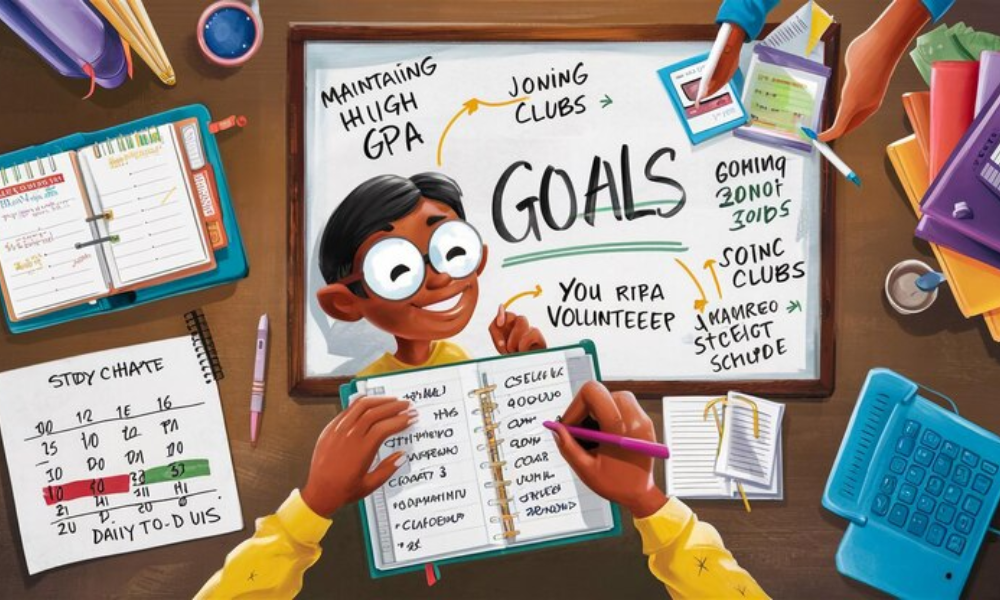
Education systems today are evolving to include life skills as a core part of learning.
- Activity-based learning methods
- Leadership programs and group projects
- Focus on emotional intelligence
- Integration of real-life problem-solving tasks
Schools are now creating opportunities where students can practice Independence & Strong Life Skills in everyday situations.
How Parents and Educators Can Support
Both parents and educators play a key role in developing these skills.
For Parents
- Encourage decision-making at home
- Assign small responsibilities
- Allow children to learn from mistakes
For Educators
- Create interactive learning environments
- Promote teamwork and collaboration
- Focus on practical application of knowledge
With the right support system, students can naturally develop Independence & Strong Life Skills over time.
Who Benefits the Most
While every student needs these skills, some benefit even more.
Ideal For:
- Students preparing for higher education
- Those aiming for leadership roles
- Students facing new environments
- Individuals seeking personal growth
For these groups, Independence & Strong Life Skills become a strong foundation for future success.
Conclusion
The role of Independence & Strong Life Skills in education is more important than ever. These skills go beyond academic achievement and focus on building capable, confident, and responsible individuals.
While challenges exist, the long-term benefits make it a necessary part of modern education. With the right environment and guidance, students can develop the independence needed to succeed in life.
For parents, educators, and students alike, focusing on Independence & Strong Life Skills is not just an option — it is a necessity for a balanced and successful future.
FREQUENTLY ASKED QUESTIONS
Q1. What are independence and strong life skills?
Ans: They are abilities that help individuals manage life situations confidently, including decision-making, communication, and problem-solving.
Q2. Why are life skills important for students?
Ans: They prepare students for real-life challenges and improve both personal and academic growth.
Q3. How can students develop independence?
Ans: By taking responsibility, making decisions, and learning through real-life experiences.
Q4. Do life skills affect academic performance?
Ans: Yes, skills like time management and discipline directly improve academic results.
Q5. Can life skills be taught in schools?
Ans: Yes, through practical activities, group work, and real-life learning experiences.