




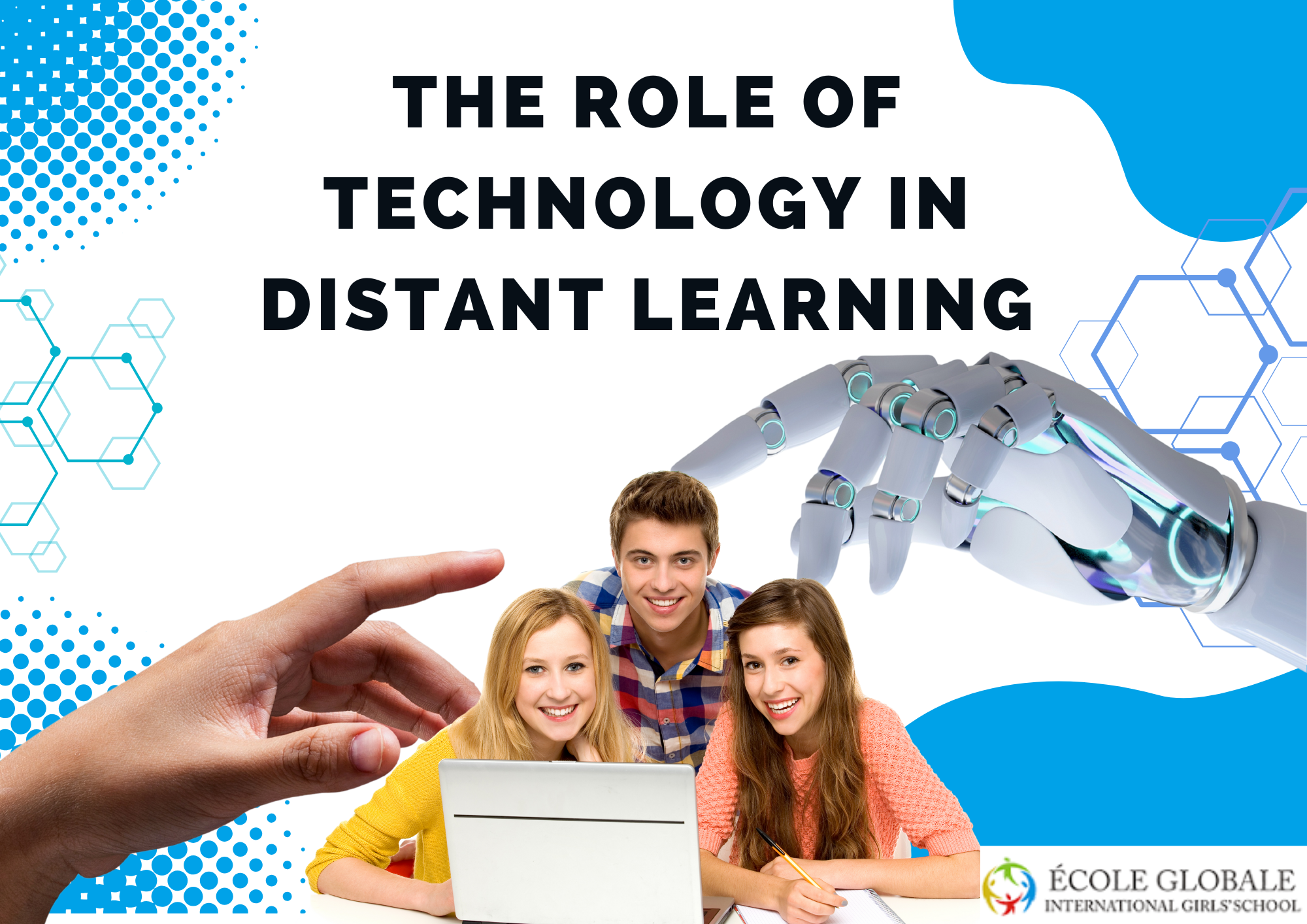
Education has always evolved alongside technology, but the rise of distant learning has transformed the way students and teachers connect across the globe. From virtual classrooms to AI-driven learning platforms, technology has become the backbone of this modern mode of education.
With schools, universities, and training centers embracing online learning, it is clear that technology is not just an accessory but a driving force shaping the future of education.
Understanding Distant Learning

It refers to an educational process where students and instructors are geographically separated and rely on technology to communicate and share resources.
Unlike traditional classrooms, distant learning offers flexibility, accessibility, and scalability, making education possible for people who might otherwise face barriers due to location, time, or personal commitments.
Evolution of Technology in Distant Learning

The journey of distant learning has come a long way—from correspondence courses sent through the mail to today’s high-speed internet and cloud-based platforms. Early forms included radio broadcasts and television-based learning, but the internet revolutionized the process. Today, digital tools such as video conferencing, learning management systems (LMS), and interactive platforms enable real-time engagement between teachers and students.
Key Technologies Driving Distant Learning
1. Learning Management Systems (LMS)
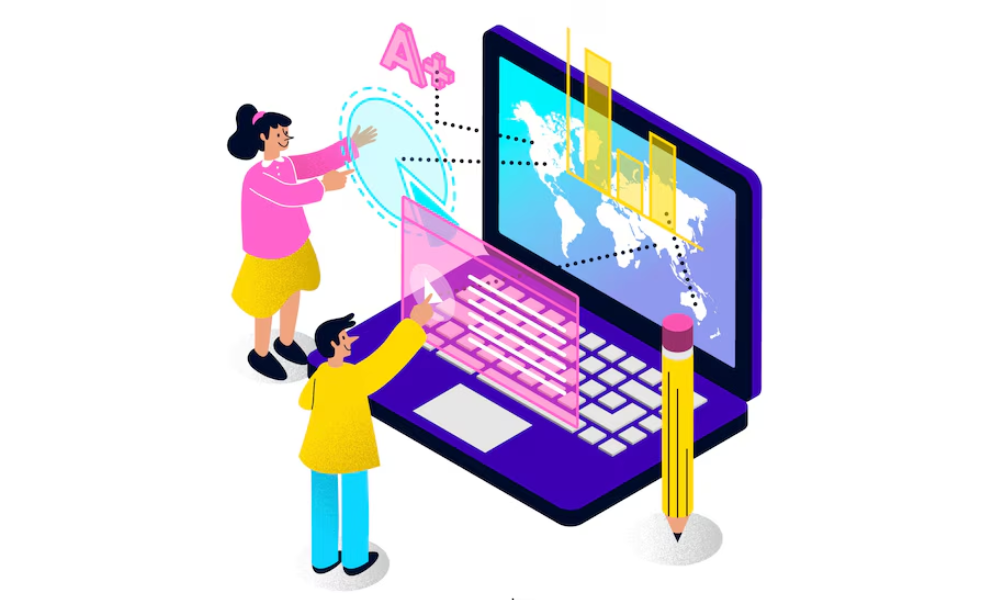
Platforms like Google Classroom, Moodle, and Blackboard allow educators to upload course materials, track student progress, and create interactive assignments. LMS platforms centralize learning resources and enable seamless communication.
2. Video Conferencing Tools
Applications such as Zoom, Microsoft Teams, and Google Meet make it possible to conduct live classes, host webinars, and create interactive sessions. These tools replicate the experience of a physical classroom while allowing students to participate from anywhere.
3. Artificial Intelligence (AI)
AI-powered tools personalize the learning experience. For example, AI-based tutors can adapt content according to a student’s pace, while automated grading systems provide instant feedback, freeing educators to focus on complex teaching tasks.
4. Cloud-Based Storage and Collaboration
Cloud technology, such as Google Drive or Dropbox, ensures that students and teachers can access resources anytime and collaborate on shared projects without geographical limitations.
5. Mobile Applications
Smartphones and educational apps have made distant learning more accessible, allowing students to study on the go. Mobile-friendly platforms help bridge the gap for learners who lack access to computers.
Benefits of Technology in Distant Learning

1. Accessibility and Inclusivity
Technology makes education available to anyone, anywhere. Students from rural areas or those with physical disabilities can now access quality education without traveling long distances.
2. Flexibility and Self-Paced Learning
Learners can access recorded lectures, revisit materials, and study according to their own schedules. This flexibility benefits working professionals and those managing multiple responsibilities.
3. Cost-Effectiveness
It reduces the need for physical infrastructure, travel, and printed materials, making education more affordable for institutions and students alike.
4. Real-Time Interaction and Feedback
Modern tools allow instant communication through chat, quizzes, and interactive polls, ensuring students stay engaged and receive immediate feedback.
5. Global Learning Community
Technology connects students and teachers across the world, encouraging cultural exchange and providing exposure to diverse perspectives.
Challenges of Technology in Distant Learning

While the benefits are undeniable, there are challenges to address:
Digital Divide – Not all students have access to high-speed internet or modern devices, creating a gap in opportunities.
Lack of Face-to-Face Interaction – Some learners may feel isolated without the social environment of a physical classroom.
Security and Privacy Concerns – Online platforms must safeguard student data and maintain cybersecurity.
Technical Issues – Connectivity problems and software glitches can disrupt learning experiences.
The Future of Technology in Distant Learning
The future promises even greater innovation. Virtual reality (VR) and augmented reality (AR) will create immersive classrooms, while AI will further personalize learning. Blockchain may be used for secure credentialing, and 5G networks will enable smoother, high-quality streaming for interactive sessions. With these advancements, distant learning will become even more interactive and effective.
Best Practices for Successful Distant Learning
Stable Infrastructure – Ensure reliable internet connectivity and modern devices for both teachers and students.
Interactive Teaching Methods – Use quizzes, breakout rooms, and multimedia to keep students engaged.
Regular Feedback and Assessment – Provide continuous evaluations and constructive feedback.
Digital Literacy Training – Equip both educators and learners with the skills to effectively use online platforms.
Conclusion
Technology has transformed distant learning from a supplementary option into a mainstream mode of education. By leveraging tools such as AI, video conferencing, and cloud-based platforms, it ensures that learning is accessible, flexible, and engaging. As innovations continue, distant learning will only grow stronger, making education more inclusive and future-ready.
FREQUENTLY ASKED QUESTION
Q1. What is distant learning?
Ans: Distant learning is a method of education where students and teachers are separated geographically and rely on technology to deliver lessons and interact.
Q2. How does technology enhance distant learning?
Ans: Technology provides interactive platforms, real-time communication, and access to digital resources, making learning more engaging and accessible.
Q3. What are the major tools used in distant learning?
Ans: Key tools include Learning Management Systems (LMS), video conferencing apps, AI-powered learning platforms, and cloud-based storage services.
Q4. What are the challenges of distant learning?
Ans: Common challenges include limited internet access, lack of social interaction, data security concerns, and technical issues.
Q5. Can distant learning replace traditional classrooms?
Ans: While it offers flexibility and global access, distant learning complements rather than fully replaces traditional classrooms, as face-to-face interaction remains valuable.
Q6. What is the future of distant learning?
Ans: The future includes immersive technologies like virtual reality, AI-driven personalized learning, and improved connectivity with 5G.