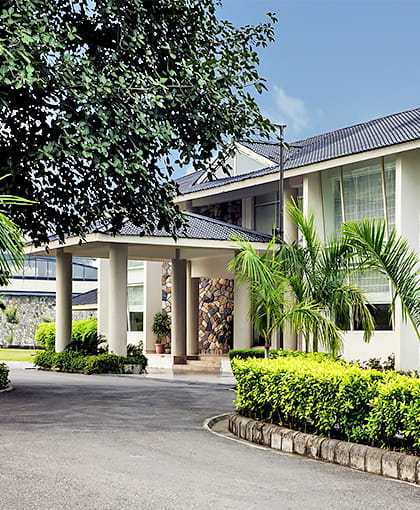





Libraries have always been sanctuaries for knowledge seekers, but in the modern world, they are more than just places to borrow books.
The variety of library facilities available today transforms reading into a holistic experience—combining comfort, technology, and interactive services.
Whether you are a student, researcher, or a casual reader, understanding these facilities can help you make the most of your library visits.
Why Library Facilities Matter

Libraries are no longer limited to shelves filled with books. They have evolved into dynamic learning environments designed to cater to diverse needs. Good library facilities not only make reading enjoyable but also promote research, collaborative study, and digital learning.
From comfortable reading corners to high-tech resources, these amenities encourage people to spend more time exploring knowledge.
Key Library Facilities to Enhance Your Reading Experience

1. Spacious and Comfortable Reading Areas
Modern libraries prioritize comfortable seating and well-lit reading zones. Cozy chairs, ergonomic desks, and quiet corners create the perfect atmosphere for uninterrupted reading. Natural lighting and soundproof rooms further enhance focus, making the library a peaceful escape from daily distractions.
- Private Study Rooms
For students and professionals who need privacy, many libraries offer dedicated study rooms. These spaces are ideal for preparing for exams, working on projects, or conducting group discussions without disturbance.
2. Extensive Book Collections and Archives
A library’s most valuable asset remains its collection. From classic literature to the latest academic journals, a diverse collection ensures that every reader finds what they are looking for. Archives of historical manuscripts and rare books provide a glimpse into the past and are invaluable for researchers.
- Digital and E-Book Access
Many libraries now provide e-books and online databases, enabling readers to access information from anywhere. These digital library facilities are especially useful for distant learners and those who prefer electronic resources.
3. Technology-Driven Facilities
Libraries have embraced technology to cater to the digital generation.
- High-Speed Internet and Wi-Fi
Most libraries offer free high-speed internet, allowing students and researchers to browse academic resources or attend virtual lectures.
- Computer Labs and Printing Services
Equipped with modern computers, libraries provide access to software tools for research, data analysis, and design work. Printing, photocopying, and scanning services add to the convenience.
4. Research and Reference Services
Librarians play a key role in helping readers navigate vast information resources. Many libraries offer research assistance, curated bibliographies, and reference desks where professionals guide you toward credible sources.
- Access to Online Databases
Academic libraries often subscribe to premium databases like JSTOR, ProQuest, and EBSCO. These subscriptions give students and researchers access to peer-reviewed papers and research material that is otherwise costly.
5. Community and Cultural Spaces
Libraries are not only for reading—they are cultural hubs.
- Event Rooms and Workshops
Many libraries host author talks, storytelling sessions, and workshops. These events encourage community engagement and introduce readers to diverse perspectives.
- Children’s Sections
Dedicated children’s areas with colorful furniture, educational games, and age-appropriate books create a love for reading among young learners.
6. Accessibility and Inclusive Facilities
Modern libraries ensure that everyone, including individuals with disabilities, can access their services.
- Wheelchair Accessibility and Adaptive Equipment
Ramps, elevators, and adaptive reading equipment like braille books and screen readers ensure inclusivity for all.
- Quiet Zones for Special Needs
Some libraries provide sensory-friendly spaces for individuals who need a calm and controlled environment.
Additional Amenities for Comfort
To make long hours of study or reading enjoyable, libraries often include cafes, vending machines, and relaxation corners. These spaces allow visitors to take short breaks without leaving the library premises.
Benefits of Modern Library Facilities
The evolution of library facilities brings several advantages:
Improved Learning Experience – Access to digital resources and study rooms fosters effective learning.
Time Efficiency – High-speed internet and ready-to-use resources save valuable research time.
Community Building – Events and workshops strengthen bonds among readers and scholars.
Accessibility for All – Inclusive features ensure that knowledge is available to everyone.
Best Practices to Utilize Library Facilities
Plan Your Visit – Check the library’s schedule for events or workshops.
Get a Library Membership – Unlock premium services such as database access and e-book borrowing.
Use Research Help – Don’t hesitate to ask librarians for guidance on finding the best resources.
Explore Digital Tools – Make the most of online catalogs and remote access options.
Future of Library Facilities
As technology advances, libraries are expected to integrate AI-driven search tools, virtual reality study environments, and smart catalog systems. The future will see libraries becoming even more interactive and personalized, catering to both traditional readers and tech-savvy learners.
FREQUENTLY ASKED QUESTIONS
Q1. What are the most essential library facilities?
Ans: Key facilities include reading rooms, digital resources, research support, Wi-Fi, and printing services.
Q2. How do library facilities improve learning?
Ans: Modern facilities provide access to digital content, quiet study spaces, and research assistance, making learning more efficient.
Q3. Are library facilities only for students?
Ans: No, libraries cater to everyone—students, professionals, researchers, and casual readers.
Q4. Can I access library facilities online?
Ans: Yes, many libraries provide e-books, online databases, and remote membership benefits.
Q5. What future technologies will enhance library facilities?
Ans: Virtual reality, AI-powered catalogs, and interactive digital archives are some upcoming trends.