




Education is not just about textbooks, examinations, and grades — it is about shaping minds, nurturing character, and preparing individuals to face life’s challenges with confidence and empathy. The qualities of education determine how effectively learning influences a student’s intellectual, emotional, and moral growth.
A strong educational system is one that goes beyond knowledge transfer to cultivate curiosity, creativity, and compassion.
In this article, we’ll explore the essential qualities that define good education, their importance, and how they collectively prepare students for a brighter and more responsible future.
1. Relevance and Practicality
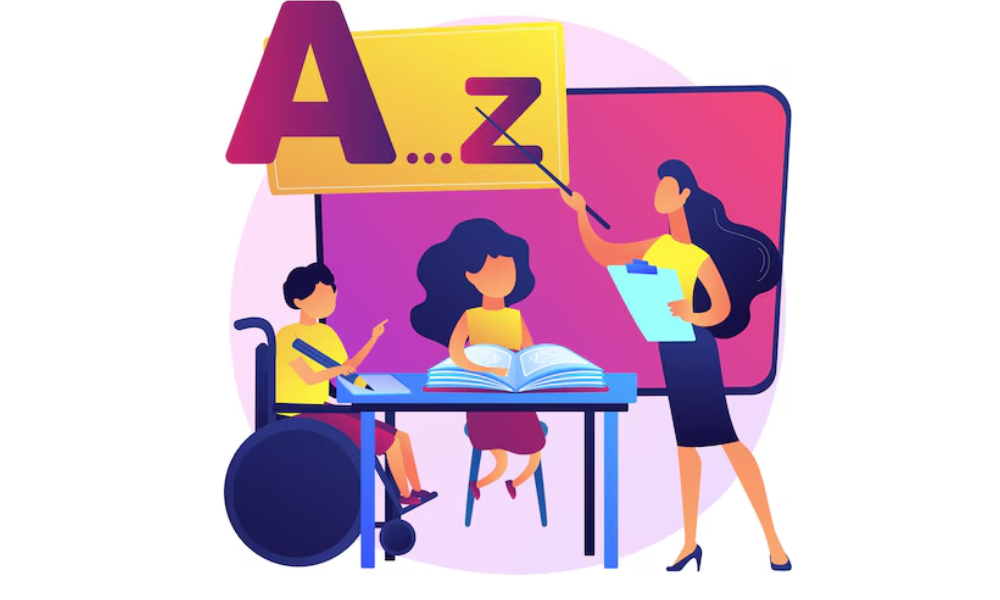
One of the foremost qualities of education is relevance. Education should align with the real world and address current societal needs. When lessons relate to students’ lives and future goals, learning becomes meaningful and engaging. Practical learning—through projects, experiments, internships, and field visits—ensures that theoretical knowledge translates into useful skills.
For instance, teaching environmental studies should not stop at textbook definitions; it must include real-life applications like waste segregation, energy conservation, and sustainability projects. Practical education bridges the gap between learning and living.
2. Holistic Development

Quality education aims for holistic growth — nurturing the mind, body, and spirit. Academics form only one part of this journey. A truly educated individual possesses emotional balance, physical fitness, and social awareness. Schools that integrate arts, sports, life skills, and value-based education help students develop empathy, leadership, and teamwork.
When education promotes holistic development, it not only produces good students but also responsible citizens capable of contributing positively to society.
3. Inclusivity and Equal Opportunity

Another essential quality of education is inclusivity. Every child, regardless of gender, background, or ability, deserves equal access to learning opportunities. Inclusive education values diversity and promotes equity, ensuring that no learner is left behind.
When students from various cultures, languages, and abilities learn together, they develop respect and understanding for others — a quality that strengthens social harmony and global citizenship.
4. Critical Thinking and Creativity
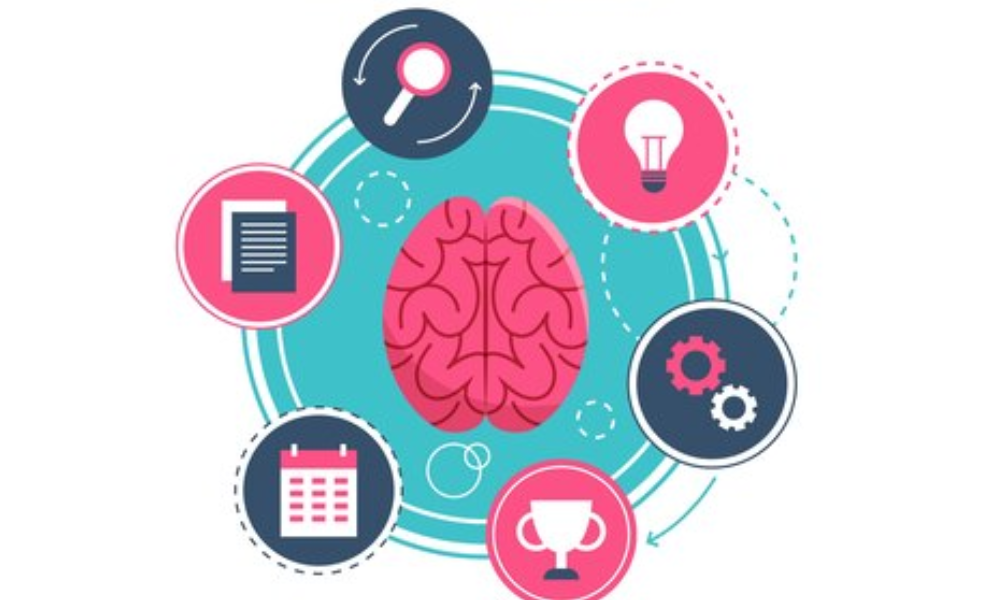
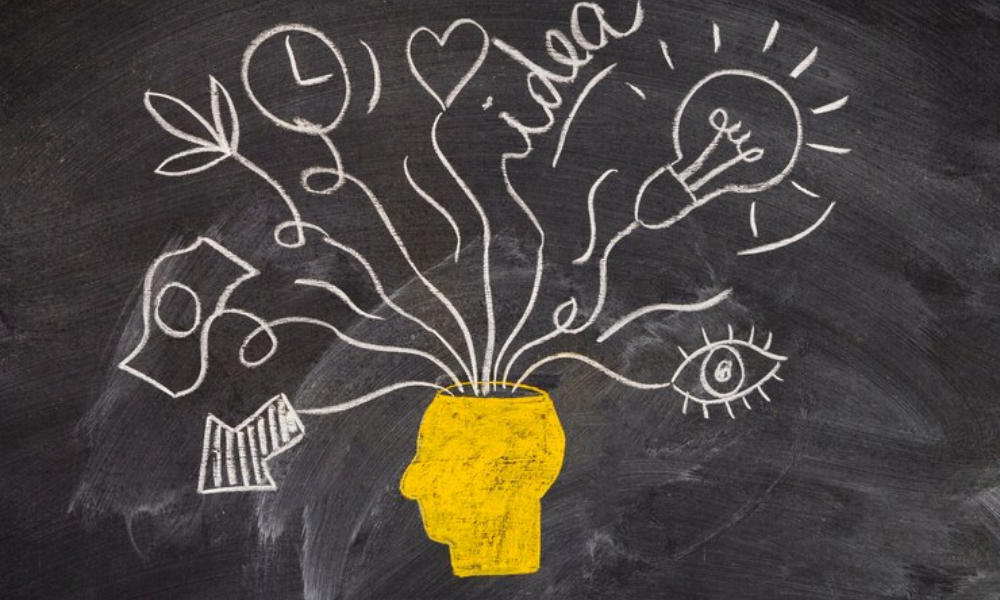
The purpose of education is not to fill minds with information but to train them to think. In today’s fast-changing world, critical thinking and creativity are crucial skills. Education should encourage students to question, analyze, and innovate rather than memorize blindly.
Teachers who promote inquiry-based learning, debates, and open discussions help learners think independently. Creativity also flourishes in such an environment, inspiring problem-solvers who can adapt to new challenges with fresh perspectives.
5. Strong Ethical and Moral Values

Ethics and morality form the heart of true education. The qualities of education must include the development of integrity, honesty, and empathy. When learners understand the difference between right and wrong, they become responsible individuals capable of making ethical decisions in their personal and professional lives.
Value-based education — through community service, moral stories, or classroom discussions — instills compassion and accountability, laying the foundation for a peaceful and just society.
6. Student-Centered Learning
Traditional teaching methods often focus on the teacher, but modern education emphasizes the student as the center of learning. A student-centered approach recognizes individual differences and learning styles. It allows students to explore their interests and take ownership of their learning process.
Such an approach improves engagement, confidence, and retention, creating learners who are self-motivated and curious rather than passive recipients of knowledge.
7. Technological Integration
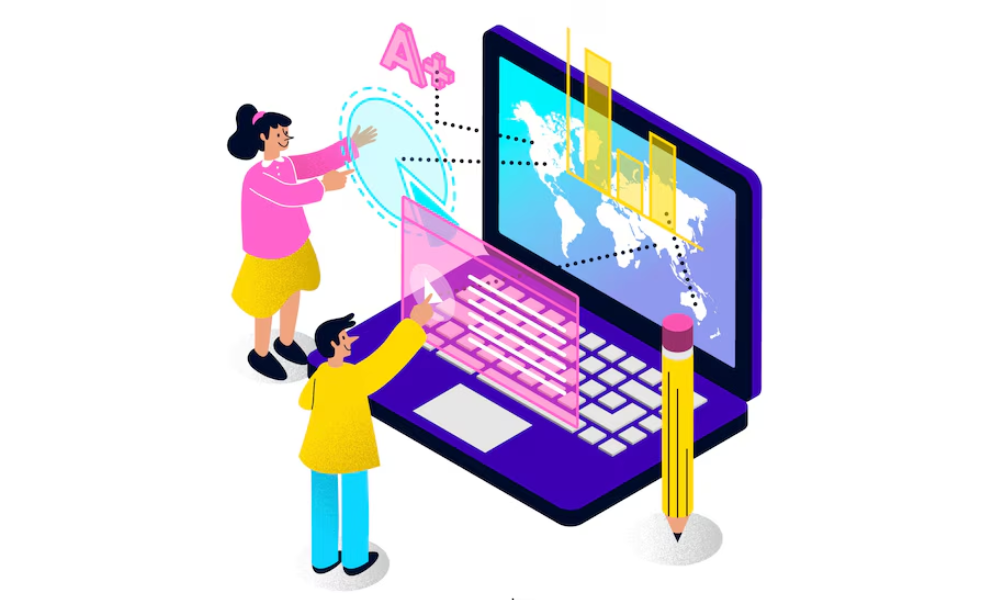
In the digital age, technology has become a defining feature of modern education. Digital literacy and the use of smart tools enhance interactivity, access, and collaboration. Online resources, educational apps, and virtual classrooms allow students to learn anytime, anywhere.
When used wisely, technology supports creativity, communication, and global connectivity — making education more dynamic and adaptable to future needs.
8. Quality Teaching and Mentorship
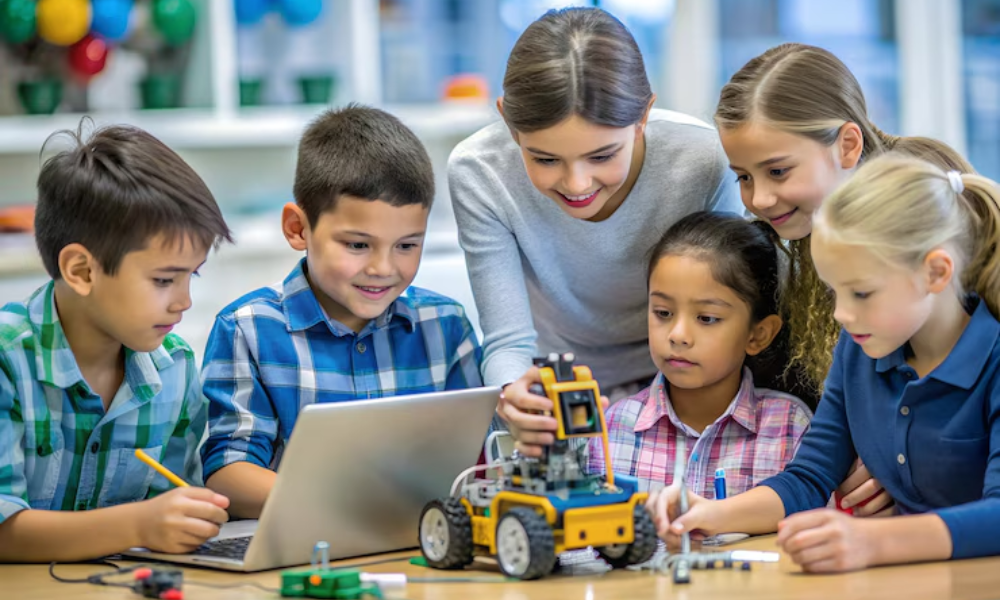
The strength of any education system lies in its teachers. Effective educators are not just instructors but mentors who inspire and guide. They continuously update their knowledge, adopt innovative teaching strategies, and create an environment where students feel valued.
A teacher’s enthusiasm, patience, and empathy can transform learning experiences, making knowledge meaningful and memorable.
9. Continuous Assessment and Improvement

Good education involves continuous feedback and self-evaluation. Rather than relying solely on exams, schools should adopt formative assessments — projects, peer reviews, portfolios — to measure understanding. Feedback helps both teachers and students improve.
Regular curriculum review and adaptation to societal needs ensure that education stays current and effective.
10. Lifelong Learning Mindset

Perhaps the most important quality of education is the development of a lifelong love for learning. Education should not end with school or college. It should ignite curiosity and adaptability that lasts a lifetime.
Lifelong learners continuously upgrade their knowledge, stay relevant in changing times, and contribute meaningfully to society. A good education system encourages exploration, self-reflection, and an enduring passion for discovery.
Why the Qualities of Education Matter
The impact of education extends beyond classrooms. It shapes economies, cultures, and the overall progress of nations. When the qualities of education are strong and balanced, they produce individuals who are not only academically competent but also emotionally intelligent, socially responsible, and environmentally conscious.
These qualities ensure that education serves its ultimate purpose — the transformation of individuals into capable, compassionate, and conscientious human beings.
Conclusion
The qualities of education form the cornerstone of human development. In an era defined by change, innovation, and interdependence, education must evolve beyond rote learning to emphasize understanding, values, and adaptability.
A truly educated person is not the one who knows everything but the one who learns continually, acts ethically, and contributes positively to the world.
Education, when rooted in quality, becomes more than a means to an end — it becomes the light that guides individuals and societies toward progress, peace, and prosperity.
FAQs on Qualities of Education
Q1. What are the main qualities of education?
Ans: The main qualities include relevance, inclusivity, critical thinking, creativity, value-based learning, technological integration, and lifelong learning.
Q2. Why is quality education important?
Ans: Quality education empowers individuals with knowledge, values, and skills necessary for personal growth and social development.
Q3. How does technology enhance the qualities of education?
Ans: Technology makes learning interactive and accessible, helping students engage better through online platforms, multimedia tools, and digital assessments.
Q4. What role do teachers play in ensuring quality education?
Ans: Teachers act as mentors who inspire curiosity, encourage critical thinking, and provide personalized guidance to help students achieve their potential.
Q5. How can schools promote holistic development?
Ans: By balancing academics with co-curricular activities, life skills, and value education, schools can nurture well-rounded, emotionally strong individuals.