




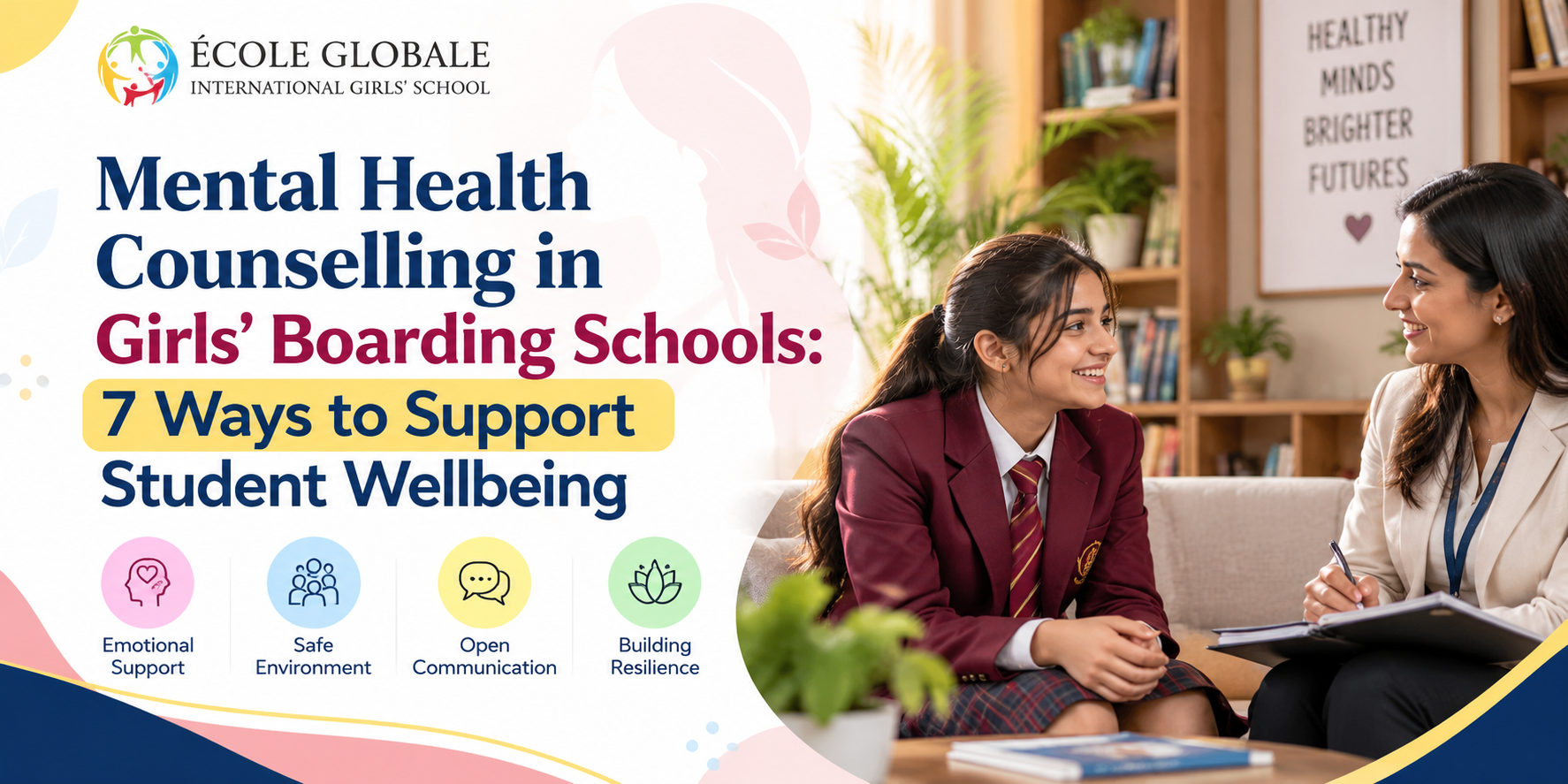
Mental health counselling in girls’ boarding schools plays an important role in creating a supportive environment where students can discuss concerns, develop healthy coping strategies, and build emotional resilience. Boarding school life offers opportunities for independence, friendships, academic growth, and personal development. However, adjusting to residential life, managing academic expectations, and spending time away from family can sometimes feel challenging.
Providing appropriate emotional support in girls’ boarding schools helps students understand their feelings, communicate their needs, and seek guidance when difficulties arise. Through accessible counselling services, pastoral care, supportive teachers, and wellbeing activities, schools can help students feel heard and valued.
A positive approach to student mental health combines early support, respectful communication, appropriate professional guidance, and clear safeguarding procedures. These measures help create a school community where students can learn and grow while knowing where to turn when they need assistance.
Table of Contents
- What Is Mental Health Counselling in Girls’ Boarding Schools?
- Why Emotional Support Matters in Boarding Schools
- 7 Ways to Support Student Wellbeing
- How Schools Can Create a Supportive Environment
- The Role of Parents and Teachers
- Frequently Asked Questions
- Conclusion
What Is Mental Health Counselling in Girls’ Boarding Schools?

Mental health counselling in girls’ boarding schools involves providing students with access to appropriate emotional and psychological support. Depending on their needs, students may receive guidance from qualified counsellors, participate in wellbeing sessions, or be referred to specialist services.
Counselling can help students explore concerns related to academic pressure, friendships, adjustment to boarding life, self-confidence, and personal challenges. It provides an opportunity to discuss feelings in a respectful setting and consider constructive ways to respond to difficult situations.
Emotional support in girls’ boarding schools also includes everyday interactions with trusted teachers, wardens, mentors, and other responsible adults. These relationships complement professional counselling but do not replace specialist care when it is needed.
Why Emotional Support Matters in Boarding Schools
Residential education brings students together in a shared academic and living environment. While this can encourage independence and friendship, students may also experience homesickness, changes in routines, social disagreements, or pressure to meet expectations.
Mental health counselling in girls’ boarding schools can give students a reliable way to seek help before concerns become more difficult to manage. It can also help them understand their emotions, recognise when they need support, and develop practical coping skills.
A supportive school environment should make seeking help feel acceptable rather than embarrassing. Students should know how to access counselling, whom to approach in an urgent situation, and what confidentiality means in practice.
7 Ways to Support Student Wellbeing
1. Provide Access to Qualified Counsellors
Access to qualified counsellors is an important part of mental health counselling in girls’ boarding schools. Trained professionals can help students discuss personal concerns, understand emotional responses, and identify suitable strategies for managing challenges.
Counselling may involve individual sessions, group workshops, or referrals to external specialists, depending on the student’s needs. Schools should explain how students can request support and ensure that services are accessible without unnecessary barriers.
Counsellors should work within their professional qualifications and follow appropriate confidentiality and safeguarding requirements.
2. Help Students Adjust to Boarding School Life
Moving into a residential school can involve changes in daily routines, friendships, living arrangements, and family contact. Some students adjust quickly, while others need additional time and reassurance.
Emotional support in girls’ boarding schools can include orientation programmes, peer-buddy systems, regular mentor check-ins, and opportunities to discuss concerns about residential life.
Schools can also encourage healthy communication with families and provide students with clear information about daily routines and available support. These steps can help students feel more familiar with their surroundings and comfortable asking questions.
3. Teach Healthy Stress-Management Skills
Academic deadlines, examinations, extracurricular commitments, and social expectations can sometimes contribute to stress. Students benefit from learning practical strategies for organising responsibilities and responding constructively to pressure.
Mental health counselling in girls’ boarding schools can incorporate guidance on time management, problem-solving, relaxation techniques, and recognising when additional support is needed.
Schools can reinforce these skills through wellbeing workshops, study-planning sessions, recreational activities, and access to trusted adults. Adequate sleep, regular physical activity, nutritious meals, and suitable breaks are also important parts of a balanced routine.
4. Encourage Open Conversations About Emotions
Students may find it difficult to discuss worries if they fear judgement or believe they should manage every problem alone. Schools can encourage healthier conversations by creating respectful opportunities to talk about emotions and everyday challenges.
Teachers and mentors can listen carefully, acknowledge students’ concerns, and help them identify appropriate next steps. Classroom discussions and age-appropriate wellbeing activities can also help students develop emotional awareness and respectful communication.
Mental health counselling in girls’ boarding schools should reinforce the message that asking for help is a responsible step. Students must also understand that information may need to be shared with appropriate safeguarding staff if there is a serious concern about someone’s safety.
5. Promote Healthy Friendships and Peer Support
Positive friendships can help students feel connected to their school community. Shared activities, clubs, sports, and group projects provide opportunities to build relationships and practise cooperation.
Emotional support in girls’ boarding schools can include supervised peer-support initiatives that encourage kindness, inclusion, and respectful communication. Students can learn how to listen to classmates, recognise when someone may need help, and guide them towards a trusted adult.
Peer support should never place responsibility for another student’s mental health on a classmate. Schools need clear procedures for responding to bullying, exclusion, harassment, and other concerns.
6. Strengthen Pastoral Care and Staff Training
Teachers, wardens, house parents, and mentors often interact with students throughout the school day. Their approach can influence whether students feel comfortable raising concerns.
Schools can strengthen pastoral care by training staff to listen appropriately, recognise potential signs of distress, maintain professional boundaries, and follow safeguarding procedures. Staff should understand when to refer a student to a qualified counsellor or another specialist.
Mental health counselling in girls’ boarding schools works best when professional services and everyday pastoral support complement each other. Regular communication between relevant staff, within appropriate privacy limits, can help students receive coordinated assistance.
7. Build a Balanced and Supportive Campus Routine
A student’s daily environment can influence their overall wellbeing. A balanced schedule should provide time for lessons, supervised study, recreation, social interaction, meals, rest, and sleep.
Schools can support emotional wellbeing by offering meaningful extracurricular choices, quiet spaces for relaxation, opportunities for physical activity, and access to trusted adults. Students should also have appropriate opportunities to express preferences and raise concerns about residential life.
The goal of mental health counselling in girls’ boarding schools is not simply to respond when difficulties occur. It is also to contribute to a culture where wellbeing is taken seriously and students know how to access appropriate help.
How Schools Can Create a Supportive Environment
An effective wellbeing approach requires clear systems rather than isolated activities. Schools can take practical steps to make emotional support accessible and consistent.
- Explain counselling access: Tell students how to arrange a session and whom to approach if they need immediate assistance.
- Protect student privacy: Explain confidentiality and its safeguarding limits in clear, age-appropriate language.
- Train staff: Provide guidance on listening, professional boundaries, referral procedures, and safeguarding responsibilities.
- Review student wellbeing: Use appropriate check-ins and feedback opportunities to understand students’ experiences.
- Address bullying promptly: Maintain clear reporting channels and respond fairly to concerns.
- Connect families appropriately: Communicate with parents or guardians when suitable, while respecting privacy and safeguarding requirements.
- Refer when necessary: Ensure students can access qualified professionals or specialist services when their needs go beyond school-based support.
These practices can help make emotional support in girls’ boarding schools more accessible and responsive to students’ needs.
The Role of Parents and Teachers
Parents and teachers can work together to support students’ emotional wellbeing. Parents can encourage open conversations, listen without immediately judging or dismissing concerns, and maintain constructive communication with the school.
Teachers and residential staff can provide consistent routines, respectful guidance, and opportunities for students to ask for help. They should avoid making assumptions about a student’s behaviour and follow appropriate procedures when concerns arise.
Mental health counselling in girls’ boarding schools is most effective when students, families, school staff, and qualified professionals understand their respective roles. A coordinated approach can help students receive appropriate support while maintaining their dignity and privacy.
Conclusion
Mental health counselling in girls’ boarding schools is an important part of creating a safe, supportive, and student-centred residential environment. Access to qualified counsellors, help with adjustment, stress-management skills, open communication, positive friendships, effective pastoral care, and balanced routines can all contribute to student wellbeing.
Emotional support in girls’ boarding schools should be accessible, respectful, and connected to clear safeguarding procedures. By working with students, families, trained staff, and qualified professionals, schools can create an environment where students feel comfortable seeking help and have opportunities to develop academically, socially, and emotionally.
Frequently Asked Questions
Q1. Why is mental health counselling important in girls’ boarding schools?
Ans: It gives students access to appropriate support for emotional concerns, academic pressure, friendship difficulties, adjustment to boarding life, and other personal challenges. Counselling can also help students develop coping strategies and understand when specialist assistance may be useful.
Q2. What types of emotional support can boarding schools provide?
Ans: Depending on their resources, schools may offer qualified counselling, pastoral mentoring, wellbeing workshops, supervised peer-support activities, and referrals to external professionals.
Q3. How can schools help students manage homesickness?
Ans: Schools can provide orientation, regular mentor check-ins, supportive friendships, clear routines, and appropriate communication with families. Students should also have access to trusted adults when homesickness becomes difficult to manage.
Q4. Should parents ask about counselling services before admission?
Ans: Yes. Parents can ask whether qualified counsellors are available, how students access sessions, what confidentiality rules apply, how urgent concerns are handled, and when the school refers students to external specialists.
Q5. How can students seek help if they feel overwhelmed?
Ans: Students can approach a qualified counsellor, trusted teacher, house parent, warden, or another designated safeguarding adult. If a concern is urgent, they should tell a responsible adult immediately so appropriate help can be arranged.