




Social media has become a daily habit for millions. From students to parents and educators, everyone depends on social media for updates, learning, and communication. While it offers speed and accessibility, it also brings a major concern—fake social media news.
Harmful Effects of Fake Social Media news refers to misleading or false information shared intentionally or unintentionally across platforms. It spreads faster than verified facts, making it difficult to distinguish truth from fiction.
Understanding how social media works and how fake news spreads is essential for building awareness and making informed decisions.
Importance of Understanding Fake Social Media News
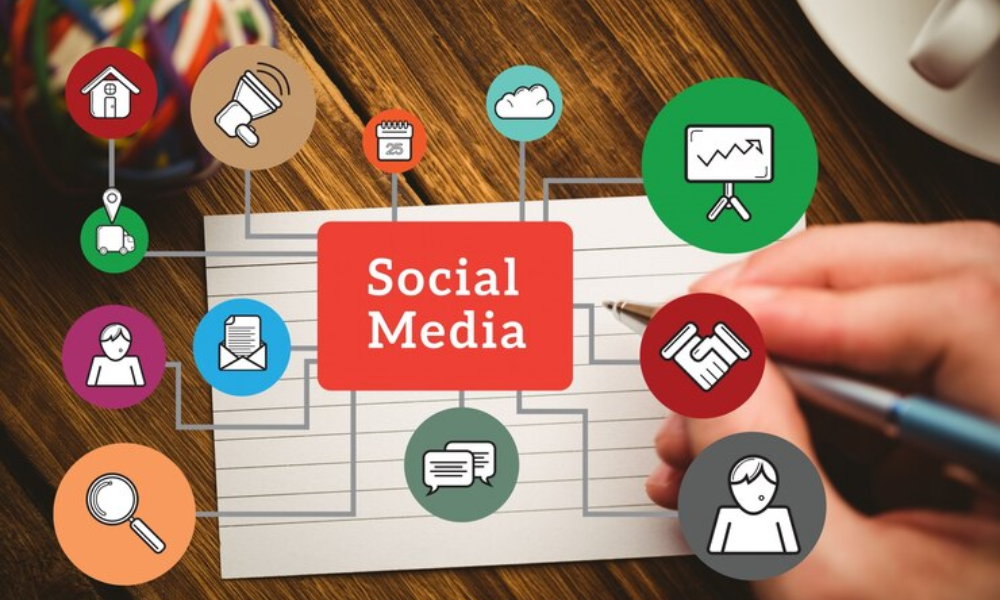
Why Awareness Matters
- Helps individuals avoid misinformation
- Protects mental and emotional well-being
- Builds critical thinking skills
- Encourages responsible social media usage
Students and parents often rely on social media for educational updates, health tips, and career guidance. If the information is incorrect, it can lead to poor decisions and confusion.
Even institutions like Ecole international Schools focus on digital awareness, highlighting the importance of verifying information before trusting it.
Types of Fake Social Media News

Understanding the different types of fake news helps in identifying and avoiding them.
1. Misinformation
- False information shared without harmful intent
- Often spread due to lack of awareness
2. Disinformation
- Intentionally created false content
- Used to manipulate opinions or create panic
3. Clickbait Content
- Misleading headlines designed to attract clicks
- Content may not match the title
4. Deepfakes and Edited Media
- Manipulated videos or images
- Appear real but are digitally altered
5. Rumors and Unverified Claims
- Spread quickly during emergencies
- Lack reliable sources
Harmful Effects of Fake Social Media News
Fake social media news can impact individuals and society in multiple ways.
1. Misleading Decision-Making
People often make decisions based on what they read on social media. Fake information can lead to:
- Poor financial choices
- Incorrect health practices
- Wrong academic decisions
2. Mental Stress and Anxiety
Continuous exposure to fake social media news creates fear and confusion. This is especially harmful for students who may struggle to process conflicting information.
3. Damage to Reputation
False news about individuals or institutions can spread rapidly, harming reputations without proof.
4. Social Division and Conflict
Fake news can create misunderstandings between communities, leading to arguments and conflicts.
5. Loss of Trust in Information
When fake news spreads widely, people begin to distrust even genuine sources, affecting learning and awareness.
Key Theories Behind Fake News Spread
Understanding the theories helps explain why fake social media news spreads so quickly.
1. Confirmation Bias
People tend to believe information that matches their existing beliefs. This makes fake news more believable.
2. Bandwagon Effect
When many people share or believe something, others follow without verifying it.
3. Information Overload
Too much content on social media makes it difficult to verify facts, leading to quick sharing without checking.
4. Emotional Influence Theory
Content that triggers strong emotions spreads faster than factual information.
Role of Social Media Platforms
Social media platforms play a major role in both spreading and controlling fake news.
Positive Role
- Quick sharing of important updates
- Awareness campaigns
- Educational content
Negative Role
- Lack of strict content verification
- Algorithms promoting viral content
- Easy sharing without fact-checking
Benefits of Social Media (Balanced Perspective)
While fake social media news is harmful, social media itself has several benefits.
| Aspect | Benefits |
|---|---|
| Communication | Connects people globally |
| Education | Access to online learning resources |
| Awareness | Spreads important information quickly |
| Opportunities | Helps in networking and career growth |
The key is to use social media wisely and responsibly.
Challenges in Controlling Fake Social Media News

1. Rapid Spread
Fake news spreads faster than fact-checked information.
2. Lack of Digital Literacy
Many users cannot identify reliable sources.
3. Algorithm Bias
Platforms promote trending content, not necessarily accurate content.
4. User Behavior
People often share information without verification.
How to Identify Fake Social Media News
Practical Tips
- Check the source of the information
- Look for official or verified accounts
- Cross-check with trusted websites
- Avoid sharing without confirmation
- Be cautious of emotional or shocking headlines
Role of Students, Parents, and Educators

Students
- Learn digital literacy skills
- Verify before sharing
Parents
- Guide children on responsible usage
- Monitor online activity
Educators
- Teach critical thinking
- Include media literacy in character education
Conclusion
Social media is a powerful tool, but fake social media news can cause serious harm if not handled carefully. From misleading decisions to emotional stress, its impact is real and growing.
By understanding the types, theories, and effects of fake news, individuals can make better choices. Awareness, verification, and responsible usage are the keys to reducing its impact.
In a world where information travels fast, thinking before sharing is more important than ever.
FREQUENTLY ASKED QUESTIONS
Q1. What is fake social media news?
Ans: Fake social media news is false or misleading information shared on social media platforms without proper verification.
Q2. Why does fake news spread quickly on social media?
Ans: It spreads quickly due to emotional content, easy sharing features, and lack of fact-checking.
Q3. How can students avoid fake social media news?
Ans: Students can verify sources, cross-check information, and avoid sharing unverified content.
Q4. What are the main effects of fake social media news?
Ans: It can cause confusion, stress, wrong decisions, and loss of trust in information.
Q5. How can we control fake news on social media?
Ans: By promoting digital literacy, verifying information, and using trusted sources before sharing.