




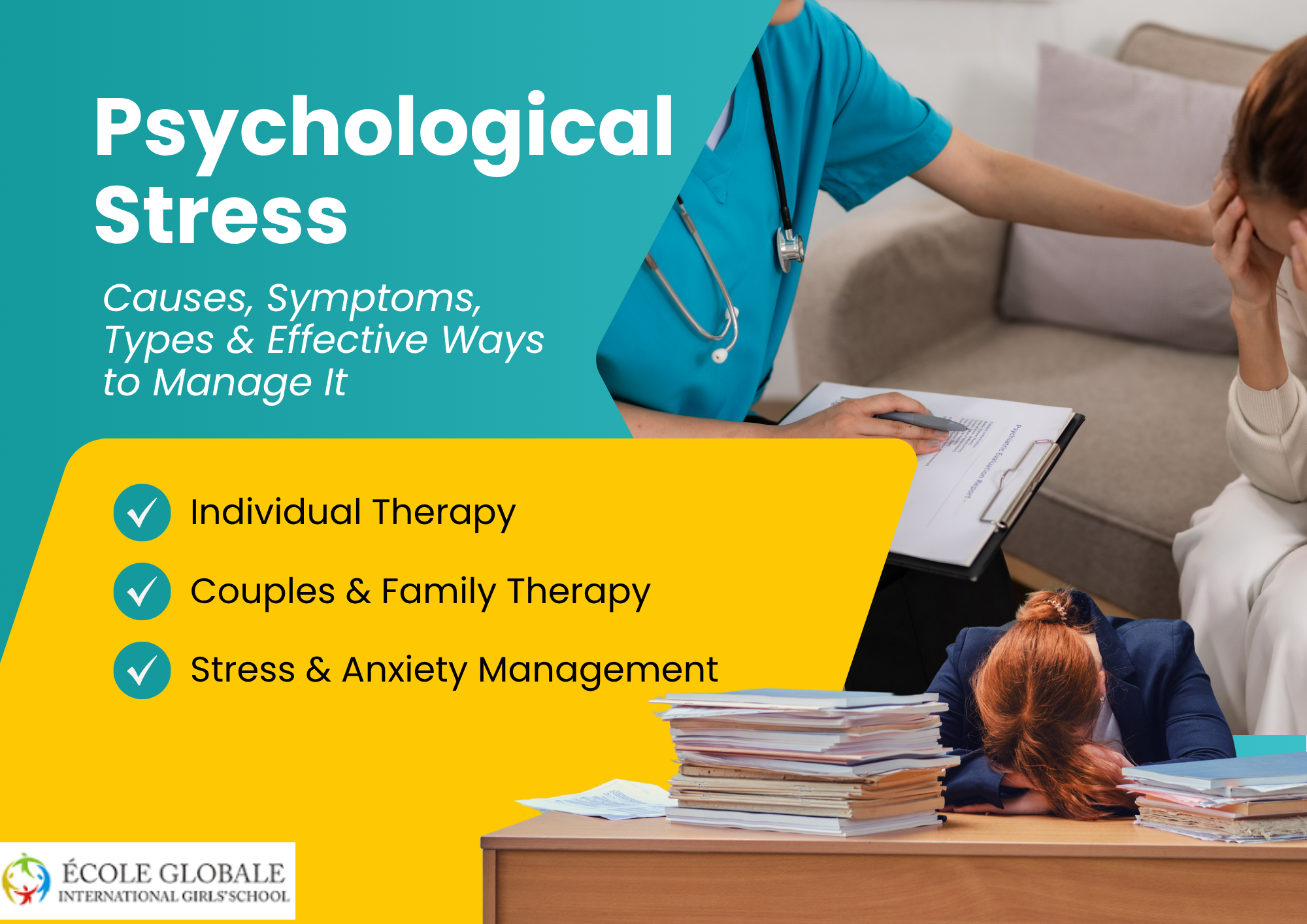
Psychological stress is something almost everyone experiences, whether it’s a student preparing for exams, a parent managing responsibilities, or a professional handling deadlines. It is not always harmful, but when it becomes constant or overwhelming, it can affect both mental and physical health.
In simple terms, psychological stress is the body’s response to situations that feel challenging, threatening, or demanding. While a little stress can motivate action, too much can disturb balance in daily life. Understanding stress helps individuals recognize its signs early and manage it better.
What is Psychological Stress?

Psychological stress refers to emotional and mental strain caused by external or internal pressures. It is not just about the situation itself, but how a person perceives and reacts to it.
Key Characteristics
- Triggered by real or perceived challenges
- Involves emotional and cognitive responses
- Affects behavior, mood, and physical health
For example, two students may face the same exam, but one feels confident while the other experiences psychological stress due to fear of failure.
Importance of Understanding Psychological Stress

Recognizing this stress is important because it directly impacts overall well-being and performance.
Why It Matters
- Helps in early identification of mental health issues
- Improves emotional control and resilience
- Supports better decision-making
- Enhances academic and professional performance
Students in demanding environments, such as Boarding schools in India, often face unique emotional pressures. Awareness of psychological and emotional stress can help them adapt more effectively.
Types of Psychological Stress

Stress is not the same for everyone. It can be divided into different types based on duration and intensity.
1. Acute Stress
- Short-term and immediate
- Caused by sudden events like exams or deadlines
- Usually manageable and temporary
2. Chronic Stress
- Long-term and persistent
- Linked to ongoing problems like financial issues or family conflicts
- Can lead to serious health concerns if ignored
3. Episodic Acute Stress
- Frequent episodes of acute stress
- Common in people with high-pressure lifestyles
- Leads to constant tension and anxiety
4. Eustress (Positive Stress)
- Motivates growth and productivity
- Helps individuals perform better
- Example: excitement before a competition
Common Causes of Psychological Stress
This can arise from multiple areas of life.
Major Triggers
- Academic pressure
- Work-related challenges
- Relationship conflicts
- Financial difficulties
- Health concerns
Even high-performing institutions like Ecole Globale International Schools recognize that managing emotional stress is essential for student success and well-being.
Key Theories of Psychological Stress
Understanding emotional stress becomes easier when viewed through established theories. These theories explain how stress develops and affects individuals.
1. Cannon’s Fight-or-Flight Theory
This theory explains that when a person faces a threat, the body prepares to either confront or escape it.
Key Points:
- Immediate physical response
- Increased heart rate and alertness
- Helps survival in dangerous situations
2. Hans Selye’s General Adaptation Syndrome (GAS)
Hans Selye described psychological and emotional stress as a three-stage process:
| Stage | Description |
|---|---|
| Alarm | Initial reaction to stress |
| Resistance | Body tries to cope |
| Exhaustion | Energy drains, leading to burnout |
This theory highlights how prolonged psychological stress can harm health.
3. Lazarus and Folkman’s Cognitive Appraisal Theory
This theory focuses on how individuals interpret stress.
Key Ideas:
- Stress depends on perception
- Two stages: primary and secondary appraisal
- Coping strategies influence outcomes
For example, a student who views exams as a challenge experiences less psychological stress than someone who sees them as a threat.
4. Transactional Model of Stress
This model explains that psychological stress is a result of interaction between a person and their environment.
Highlights:
- Stress is dynamic, not fixed
- Depends on coping ability
- Emphasizes adaptability
Effects of Psychological Stress
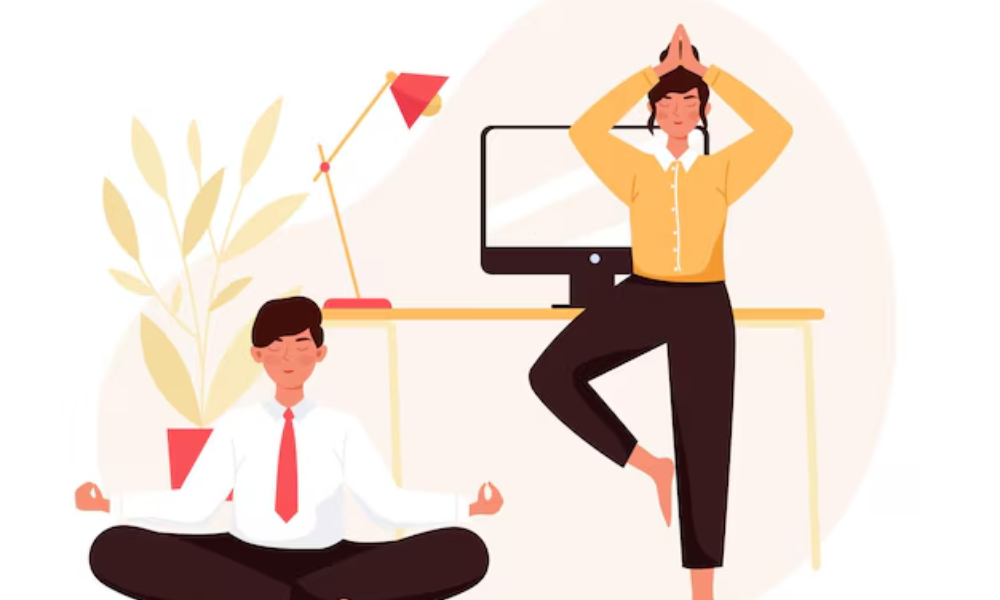
Psychological stress can affect different aspects of life if not managed properly.
1. Emotional Effects
- Anxiety and irritability
- Mood swings
- Feeling overwhelmed
2. Physical Effects
- Headaches and fatigue
- Sleep disturbances
- Weak immune system
3. Behavioral Effects
- Poor concentration
- Changes in eating habits
- Reduced productivity
Benefits of Managing Psychological Stress

Managing psychological stress is not just about avoiding problems; it helps improve overall quality of life.
Positive Outcomes
- Better mental clarity
- Improved relationships
- Higher academic and work performance
- Strong emotional resilience
When handled well, stress can even become a tool for growth.
Challenges in Managing Stress

Despite awareness, many people struggle to control stress.
Common Barriers
- Lack of awareness
- Social stigma around mental health
- Poor time management
- Limited access to support systems
Students and parents often ignore early signs, which allows stress to build over time.
Effective Strategies to Manage Psychological Stress
Managing stress requires simple but consistent efforts.
Practical Techniques
- Time Management: Plan tasks to avoid last-minute pressure
- Physical Activity: Exercise reduces stress hormones
- Mindfulness: Meditation and deep breathing calm the mind
- Healthy Lifestyle: Balanced diet and proper sleep
- Open Communication: Sharing feelings reduces emotional burden
Quick Comparison: Healthy vs Unhealthy Stress
| Aspect | Healthy Stress | Unhealthy Stress |
|---|---|---|
| Duration | Short-term | Long-term |
| Impact | Motivates action | Causes burnout |
| Control | Manageable | Difficult to control |
| Outcome | Growth and learning | Anxiety and fatigue |
Conclusion
Stress is a natural part of life, but understanding it makes a big difference. When recognized early, it can be managed effectively and even used as a positive force for growth. From students to working professionals, everyone benefits from learning how stress works and how to respond to it.
A balanced approach that includes awareness, healthy habits, and emotional support can transform psychological stress from a burden into a tool for personal development.
FREQUENTLY ASKED QUESTIONS
Q1. What is psychological stress in simple words?
Ans: Psychological stress is the mental and emotional pressure people feel when facing challenges or difficult situations.
Q2. What are the main types of psychological stress?
Ans: The main types are acute stress, chronic stress, episodic acute stress, and eustress (positive stress).
Q3. Can psychological stress be beneficial?
Ans: Yes, short-term stress can improve focus, motivation, and performance.
Q4. What are common signs of psychological stress?
Ans: Common signs include anxiety, fatigue, poor concentration, and sleep problems.
Q5. How can students manage psychological stress effectively?
Ans: Students can manage it through time management, exercise, proper sleep, and talking to someone they trust.