




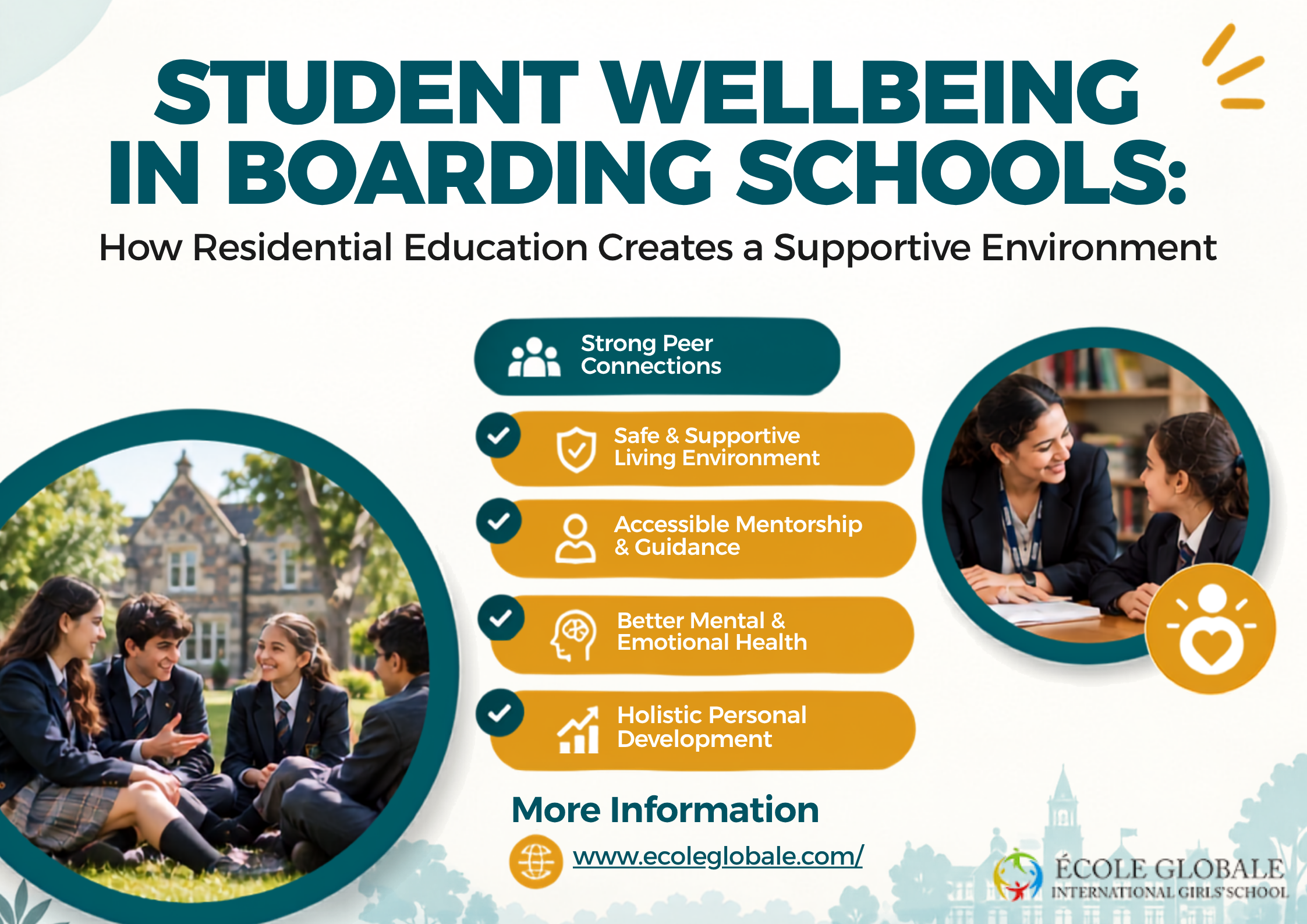
For parents, choosing a boarding school is not only about academic performance, curriculum, or facilities. The emotional and social environment in which a child lives and studies is equally important. Student wellbeing in boarding schools should be considered a core part of the educational experience because students spend a significant amount of time within the school community.
A supportive residential environment can help students develop confidence, build positive relationships, manage everyday challenges, and feel comfortable asking for help. However, these outcomes do not happen automatically. They depend on the quality of pastoral care, relationships with adults, residential supervision, counselling, peer culture, and communication between the school and parents.
Understanding student wellbeing in boarding schools can therefore help parents make a more informed decision about residential education.
What Does Student Wellbeing Mean in a Boarding School?

Student wellbeing includes several aspects of a child’s school experience. It can involve emotional wellbeing, social relationships, physical health, academic support, and a student’s overall sense of belonging.
In a boarding environment, wellbeing has additional importance because the school is also the student’s living community.
Students need an environment where they can learn, relax, interact with others, and seek support when they face difficulties.
This is why boarding school student support should extend beyond academics.
1. A Safe and Supportive Residential Environment
A sense of safety is fundamental to student wellbeing in boarding schools.
Parents should understand how residential areas are supervised and how schools respond to student concerns. They should also ask about emergency procedures, healthcare, safeguarding practices, and supervision outside classroom hours.
Students are more likely to participate confidently in school life when they know that trusted adults are available to support them.
A safe environment should therefore be one of the first things parents evaluate when considering residential education.
2. Access to Trusted Adults
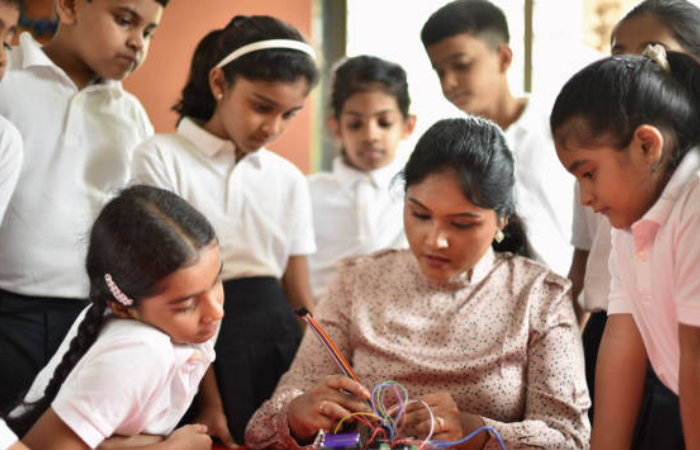
Students living away from home need adults they can approach when they need assistance.
Teachers, house staff, counsellors, mentors, and other trained adults can provide different forms of support.
Effective boarding school student support means students should know whom they can approach when they are struggling academically, socially, or emotionally.
The quality of these relationships matters. Adults should be approachable and willing to listen rather than only focusing on rules and discipline.
3. Mental Health Support
Mental health is an important part of student wellbeing in boarding schools.
Moving away from home, adjusting to a new routine, managing academic expectations, and building new friendships can sometimes be challenging for students.
Schools can support students through appropriate counselling services, pastoral care, mentoring, and systems that allow concerns to be identified early.
Parents should ask:
- Is counselling available?
- Who can students speak to privately?
- How are concerns identified?
- How are parents involved when appropriate?
- What support is available during the adjustment period?
These questions can help parents understand the school’s approach to mental health support in boarding schools.
4. Helping Students Adjust to Boarding Life

The transition from home to boarding school can take time.
Some students may adapt quickly, while others may need additional support as they become familiar with new routines and surroundings.
A good residential programme should recognise this adjustment period rather than expecting every student to settle immediately.
Orientation programmes, mentors, house staff, peer support, and regular communication can help students become more comfortable.
Supporting this transition is an important part of student wellbeing in boarding schools.
5. Encouraging Healthy Friendships
Relationships with peers can strongly influence a student’s experience.
Boarding students spend significant amounts of time together, which creates opportunities to form friendships and develop social skills.
Schools should encourage respectful communication, cooperation, inclusion, and appropriate conflict resolution.
Parents should also ask how the school handles bullying, exclusion, and interpersonal conflicts.
Positive peer relationships can contribute significantly to student wellbeing in boarding schools by helping children develop a sense of belonging.
6. Balancing Academics and Personal Time

Academic success matters, but students also need time to rest and participate in activities they enjoy.
An overly demanding schedule can make it difficult for students to maintain a healthy balance.
When evaluating boarding school student support, parents should understand how the school structures academic work, study periods, sports, extracurricular activities, recreation, and rest.
A balanced routine can allow students to remain engaged without making school life entirely focused on academic performance.
7. Sports and Physical Activities
Physical activity can be an important part of a student’s overall wellbeing.
Sports and recreational activities provide opportunities for movement, social interaction, teamwork, and relaxation.
They can also help students explore interests outside academics.
When looking at student wellbeing in boarding schools, parents should therefore consider whether students have access to suitable sports facilities and whether participation is encouraged across different ability levels.
8. Encouraging Independence and Confidence

Residential education can provide opportunities for students to take increasing responsibility for aspects of their daily lives.
Students may learn to organise their belongings, manage their schedules, participate in activities, and make age-appropriate decisions.
With appropriate adult guidance, these experiences can contribute to confidence and independence.
However, independence should not mean that students are left to handle difficulties alone. Strong boarding school student support combines increasing responsibility with accessible guidance.
9. Maintaining Communication With Parents
Parents remain an important part of a child’s support network even when the child lives at school.
Schools should have clear systems for communicating with families about academic progress, significant concerns, health matters, and other relevant issues.
Parents should ask how often communication takes place and who they should contact if they have concerns.
Good communication can help parents remain informed while allowing the school to understand important information about the student.
10. Creating a Sense of Belonging

A student who feels connected to their school community may be more comfortable participating in school life.
House activities, clubs, sports teams, cultural events, community service, and student leadership opportunities can help students build connections.
A sense of belonging is particularly valuable in residential education because students spend both their academic and residential lives within the same community.
Creating this sense of connection is therefore an important aspect of student wellbeing in boarding schools.
What Should Parents Look for in a Boarding School?
When comparing schools, parents should look beyond rankings and academic results.
Consider the following:
| Area | What Parents Should Check |
|---|---|
| Safety | Security and safeguarding |
| Wellbeing | Counselling and pastoral care |
| Residential life | Supervision and facilities |
| Academics | Teaching and academic support |
| Health | Medical facilities and procedures |
| Activities | Sports, arts and extracurricular options |
| Communication | Parent-school communication |
| Community | Student relationships and inclusion |
| Routine | Balance between study, activity and rest |
| Independence | Age-appropriate responsibilities |
A campus visit can help parents understand whether the school’s approach matches their child’s needs.
How Ecole Globale Supports Residential Student Life
For parents exploring residential education for girls, Ecole Globale International Girls’ School in Dehradun provides a girls-only residential environment that combines academics with extracurricular activities and personal development.
Families considering the school can explore its academic programmes, residential facilities, student activities, pastoral support, and overall campus environment.
Parents should assess these areas in relation to their daughter’s individual needs and visit the campus where possible before making a final decision.
Conclusion
Student wellbeing in boarding schools should be treated as an essential part of a child’s education rather than an additional service.
A supportive residential environment can provide students with opportunities to build friendships, develop independence, participate in activities, manage responsibilities, and seek guidance when they need it.
At the same time, parents should remember that not every boarding school provides the same level of support. When choosing a boarding school in India, families should carefully examine safety, counselling, residential supervision, academic support, physical activities, communication systems, and the overall school culture.
The goal should be to find a school where students can feel safe, supported, connected, and encouraged to grow while receiving a strong academic education.
Frequently Asked Questions
Q1. Why is student wellbeing important in boarding schools?
Ans: Student wellbeing in boarding schools is important because students live and study within the same community. They need appropriate academic, social, emotional, and physical support throughout their school experience.
Q2. What is boarding school student support?
Ans: Boarding school student support can include pastoral care, counselling, mentoring, academic assistance, residential supervision, healthcare, and systems for helping students manage challenges.
Q3. Do boarding schools provide mental health support?
Ans: Many schools provide counselling or pastoral support, but the services vary between institutions. Parents should ask specifically about mental health support in boarding schools before admission.
Q4. How can boarding schools help students feel comfortable?
Ans: Schools can help through orientation programmes, supportive residential staff, positive peer relationships, extracurricular activities, mentoring, counselling, and regular communication with parents.
Q5. What should parents ask about student wellbeing?
Ans: Parents should ask about counselling, safety, residential supervision, healthcare, bullying policies, academic support, communication with families, and how the school responds when students experience difficulties.