





Schools play an important role in shaping students’ academic, social, and physical development. Along with classroom learning, schools can influence students’ everyday habits, including their food choices. The availability of unhealthy food in schools has therefore become an important topic for parents, teachers, and education authorities.
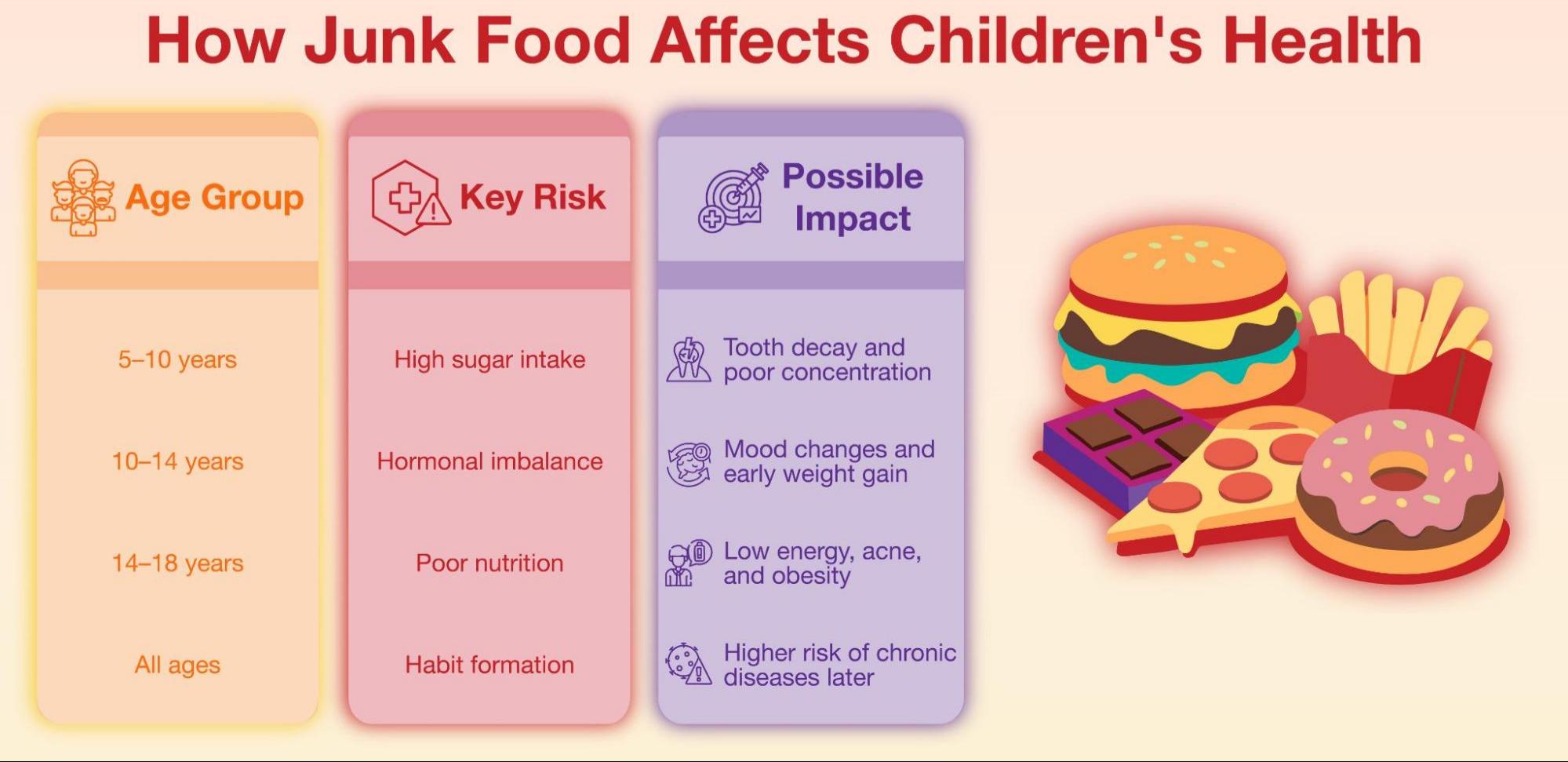
Foods that are high in added sugar, salt, saturated fat, or calories but provide limited nutritional value are commonly considered unhealthy foods. Examples may include sugary drinks, highly processed snacks, fried foods, sweets, and certain fast-food items. While these foods may be convenient and appealing to students, frequent consumption can make it more difficult for children to develop healthy eating habits.
This raises an important question: Should unhealthy food in schools be banned?
What Is Unhealthy Food?

Unhealthy food generally refers to food and drinks that provide relatively low nutritional value while containing high amounts of ingredients such as added sugar, salt, or unhealthy fats. Some processed foods can be part of a balanced diet, but regularly consuming foods with poor nutritional value can contribute to unhealthy eating patterns.
Common examples include:
- Sugary soft drinks
- Packaged chips and snacks
- Candy and sweets
- Deep-fried foods
- Highly processed fast food
- Sugary baked products
- Energy drinks
The goal should not simply be to label every processed food as unhealthy. Instead, schools can help students understand the difference between occasional treats and nutritious everyday choices.
Why Is Unhealthy Food in Schools a Concern?

Students spend a significant part of their day at school. Food sold or provided on school premises can therefore influence what students eat during the day.
If unhealthy food in schools is easily available, students may choose it because it is convenient, inexpensive, attractive, or familiar. Over time, frequent exposure to such choices may make less nutritious foods a regular part of a student’s diet.
Schools have an opportunity to create an environment where nutritious choices are easier and more accessible.
Impact on Students’ Eating Habits
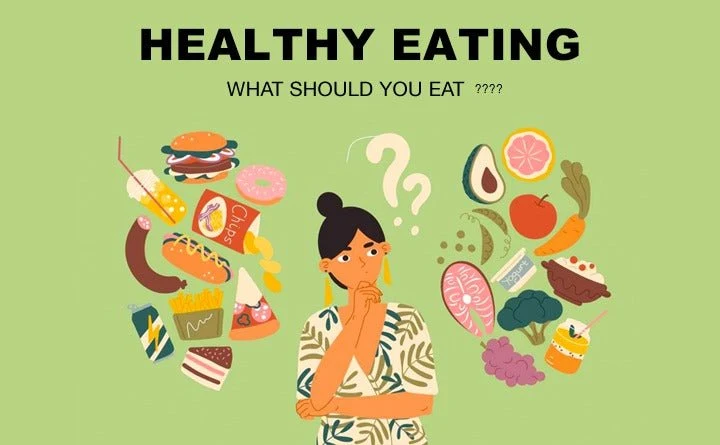
Childhood and adolescence are important periods for developing long-term habits. Students who regularly consume highly processed snacks and sugary beverages may become accustomed to these foods.
Instead of relying only on restrictions, schools can encourage healthy eating habits for students by providing nutritious alternatives and teaching basic nutrition.
For example, school cafeterias can offer:
- Fresh fruits
- Vegetables
- Whole-grain foods
- Milk or other nutritious beverages
- Balanced meals
- Nuts and seeds where appropriate
- Freshly prepared snacks
Making healthier choices convenient can encourage students to make better decisions independently.
Should Unhealthy Food Be Completely Banned?
Whether unhealthy food in schools should be completely banned is a matter of policy and school environment. A complete ban can reduce students’ access to certain foods during school hours, but it may not teach them how to make responsible choices outside school.
A more comprehensive approach can combine reasonable restrictions with nutrition education.
For example, schools could restrict the sale of highly sugary drinks and heavily processed snacks while providing nutritious alternatives. At the same time, teachers can explain why balanced nutrition matters.
This approach focuses on both the school food environment and students’ understanding of food choices.
Benefits of Limiting Junk Food in Schools
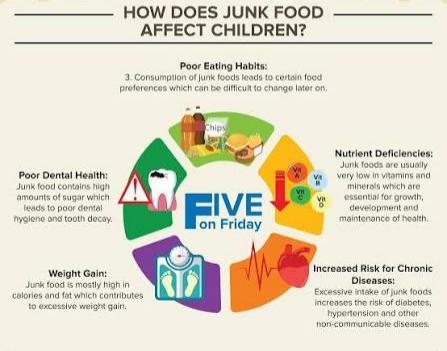
Reducing junk food in schools can have several potential benefits.
1. Encourages Better Food Choices
When nutritious foods are readily available and unhealthy options are limited, students have more opportunities to make healthier choices during the school day.
2. Develops Healthy Eating Habits
Schools can contribute to the development of healthy eating habits for students by creating an environment where balanced food choices are normal.
3. Improves Nutrition Awareness
Nutrition education can help students understand food labels, nutrients, balanced meals, and the importance of moderation.
4. Creates a Healthier School Environment
A school that prioritises nutritious food can reinforce the idea that health is an important part of overall student development.
5. Encourages Family Awareness
School nutrition policies can also encourage parents and students to discuss food choices at home and develop healthier routines together.
The Role of Schools
Schools should not be responsible for every food choice a student makes, but they can influence the environment in which those choices are made.
Schools can support healthier choices by:
- Improving cafeteria menus
- Limiting the sale of sugary drinks
- Offering nutritious snacks
- Providing clean drinking water
- Teaching nutrition as part of education
- Encouraging physical activity
- Involving parents in nutrition initiatives
- Displaying simple nutritional information
These measures can make healthy choices more accessible without turning food into a source of unnecessary pressure or punishment.
The Role of Parents
Parents also have an important role in developing healthy eating habits for students. Food preferences and eating patterns are influenced by what children experience at home as well as at school.
Parents can encourage balanced eating by offering a variety of nutritious foods and discussing food choices positively. Rather than completely labelling foods as “good” or “bad”, parents can teach children about balance, variety, and moderation.
Nutrition Education Is Essential
Simply banning unhealthy food in schools may not be enough. Students also need to understand why certain choices are healthier.
Nutrition education can teach students about:
- Vitamins and minerals
- Protein and carbohydrates
- Healthy fats
- Added sugar
- Salt consumption
- Food labels
- Balanced meals
- Portion awareness
- Hydration
This knowledge can help students make informed choices even when they are outside the school environment.
Creating a Balanced Approach
The debate around unhealthy food in schools does not necessarily have to be limited to “ban” or “do not ban.” Schools can adopt a balanced approach that combines sensible food policies with education.
For example, a school could restrict the sale of sugary drinks and highly processed snacks while still allowing occasional treats in appropriate contexts. At the same time, it could improve the quality and variety of foods available in the cafeteria.
Such an approach can help students understand that healthy eating is about regular habits, balance, and informed choices.
Why Student Choice Still Matters
Students should gradually learn how to make responsible decisions for themselves. If schools simply remove every less nutritious option without providing education, students may not develop the knowledge required to make good choices independently.
Education can therefore complement food policies. Students can learn to evaluate different foods, understand nutritional information, and recognise the importance of a balanced diet.
This makes healthy eating habits for students a long-term educational goal rather than simply a school rule.
Conclusion
The availability of unhealthy food in schools is an important issue because schools play a role in shaping students’ everyday environments and habits. Limiting foods and drinks with poor nutritional value can encourage healthier choices, but restrictions alone may not be sufficient.
Schools can combine sensible food policies with nutrition education, nutritious alternatives, access to water, physical activity, and cooperation with parents. The ultimate goal should be to help students understand food choices and develop balanced habits that can continue beyond their school years.
FAQs
Q1. Why should unhealthy food in schools be limited?
Ans: Limiting unhealthy food in schools can make nutritious choices more accessible and encourage students to develop balanced eating habits.
Q2. What foods are commonly considered unhealthy?
Ans: Sugary drinks, highly processed snacks, deep-fried foods, sweets, and foods high in added sugar, salt, or unhealthy fats are commonly considered less nutritious choices.
Q3. Should junk food be completely banned in schools?
Ans: Schools can consider limiting or restricting certain foods, particularly those with low nutritional value. However, combining food policies with nutrition education can help students understand how to make responsible choices.
Q4. How can schools encourage healthy eating habits for students?
Ans: Schools can provide nutritious meals and snacks, limit sugary drinks, offer fresh foods, provide drinking water, and include nutrition education in the learning experience.
Q5. What role do parents play in healthy eating?
Ans: Parents can support healthy eating by providing balanced meals, discussing nutrition positively, and helping children understand the importance of variety and moderation.