




Did you know that 15.5% of high school students experience cyberbullying? Discover how to protect your child from this growing issue.
Did you know that a significant number of students in India face bullying during their school years, both offline and online? Bullying in school is no longer limited to playgrounds or classrooms. With digital access growing rapidly, bullying has extended into homes through phones, social media, and online platforms.
For parents and educators, understanding bullying is no longer optional—it is essential. This guide explains the types of bullying in school, their emotional, academic, and social impact, and practical steps parents and children can take to address the issue effectively.
Types of Bullying in School Parents Should Know About

1) Direct Bullying
Direct bullying is the most visible form and includes verbal and physical abuse.
Examples include:
Name-calling, insults, or threats
Hitting, pushing, or damaging belongings
This form is often easier for teachers to identify, yet it can still go unreported if students fear retaliation.
Challenge: Victims may normalize abuse and hesitate to seek help.
2) Indirect Bullying
Indirect bullying is subtle and emotionally damaging. It focuses on social harm rather than physical confrontation.
Common examples include:
Spreading rumors
Excluding someone from peer groups
Public humiliation
Because it happens quietly, indirect bullying often goes unnoticed while deeply affecting a child’s self-worth.
Challenge: Difficult to prove and often dismissed as “normal behavior.”
3) Cyberbullying
Cyberbullying occurs through digital platforms such as messaging apps, emails, or social media. Unlike traditional bullying, it can happen at any time and spread rapidly.
Examples include:
Sharing private images or videos without consent
Posting hateful messages or false information
A study highlighted by the Centers for Disease Control revealed that cyberbullying affects a significant percentage of adolescents, making it one of the fastest-growing forms of bullying.
Challenge: Often occurs outside school premises, limiting immediate intervention.
4) Social or Relational Bullying
This form focuses on damaging a student’s reputation and relationships. It includes manipulation, gossip, and intentional isolation.
While it may appear harmless on the surface, relational bullying can leave long-lasting emotional scars.
Challenge: Victims may feel invisible and unsupported.
Effect Of Bullying In School

Emotional and Mental Health Impact
Bullying can severely affect a child’s mental health. Students who experience bullying often struggle with:
Anxiety and persistent fear
Depression and emotional withdrawal
Low self-esteem and self-doubt
In extreme cases, prolonged bullying may contribute to self-harm thoughts or chronic stress-related conditions.
Academic Performance Decline
A bullied student may associate school with fear rather than learning. This often leads to:
Loss of concentration
Declining grades
Frequent absences
Research indicates that bullied students are significantly more likely to struggle academically, reinforcing the connection between emotional safety and learning outcomes.
Social and Behavioral Challenges
Bullying can disrupt a child’s ability to trust others. Victims may:
Withdraw socially
Avoid group activities
Struggle to form friendships
This isolation can worsen emotional distress and reduce peer support.
Impact on Families and Peers
Bullying affects more than just the targeted student. Families may experience:
Anxiety and helplessness
Emotional stress and guilt
Classmates may also feel fear, uncertainty, or guilt for not intervening, creating a tense school environment.
The Impact on Family and Classmates
Bullying doesn’t just affect the student who is targeted; it also impacts their family and classmates. Parents and family members often feel powerless, confused, and worried. They might experience anxiety, depression, and stress-related illnesses. Some parents become overprotective, feeling like they failed to protect their child. Friends and classmates of the bullied student can also feel guilty for not standing up for them and fear becoming the next target.
Research Findings
Research shows the significant impact of bullying on students’ lives. A 2016 survey by the National Center for Educational Statistics found that 14% of bullied students struggle academically. Additionally, bullied students are twice as likely to suffer from health problems like stomach issues or headaches. These findings highlight the urgent need to address bullying to protect students’ well-being.
What to Do If Your Child Is Being Bullied
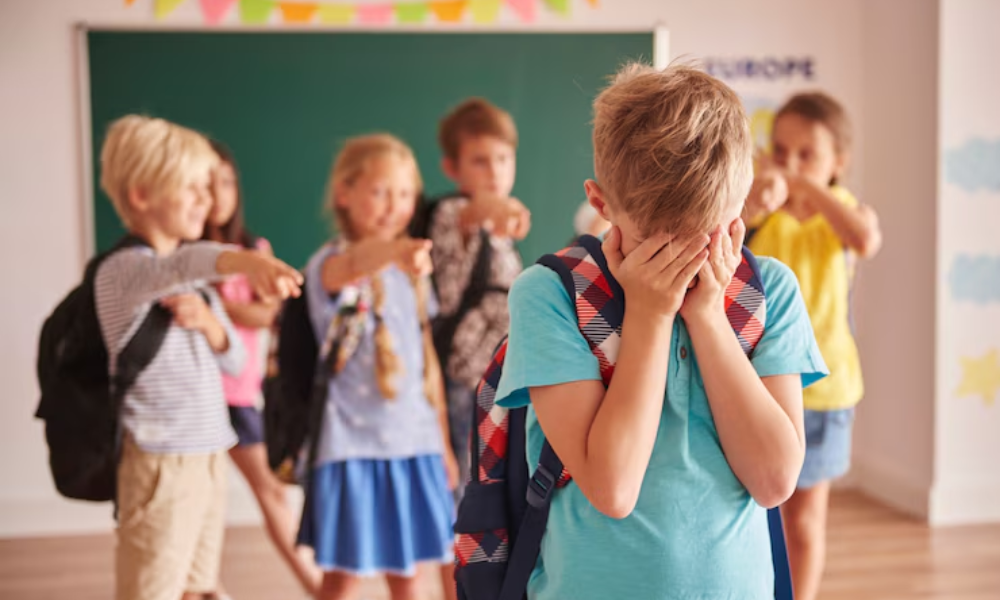
When your child tells you about being bullied, it’s important to listen calmly and offer comfort and support. Kids might feel scared, embarrassed, or worried about telling adults. Here’s how you can help:
Listen without judgment: Let your child know it’s okay to talk about what’s happening. Reassure them that you’re there to help.
Offer praise and support: Tell your child they did the right thing by telling you. Remind them that they’re not alone—many kids go through this.
Explain it’s not their fault: Bullies are the ones behaving badly, not your child. Help them understand it’s not about anything they did or didn’t do.
Take action: Let someone at school know—like the principal, school nurse, counselor, or a teacher. Schools can often step in to stop bullying and keep it from happening again.
Understand there’s no one-size-fits-all solution: Every bullying situation is different. What works for one might not work for another. Consider the age of the kids involved and how serious the bullying in school is.
Take threats seriously: If your child is threatened or if they fear the bullying in School will get worse, it’s important to act. Sometimes talking to the bully’s parents with help from a school official can make a difference.
Know your rights: Most schools have bullying policies and programs. Check your state’s bullying laws to understand your options. In serious cases, legal authorities may need to get involved to ensure your child’s safety.
By taking these steps, you can support your child and work together to stop bullying in school. Remember, your child’s well-being is the most important thing.
Advice for Kids Dealing with Bullying in School

Sometimes, kids might feel scared or upset when facing bullying in school. Here are some helpful ways to handle it:
Tell an adult: Talk to a teacher, principal, or parent about what’s happening. They can help stop the bullying and make things better.
Use the buddy system: Stick with friends or classmates when you’re around the bully. This makes it less likely for the bully to bother you when others are around.
Stay calm and ignore: It’s natural to feel upset, but try not to show it. Bullies often want a reaction, so staying calm and ignoring them can take away their power. You can practice deep breathing or walking away to stay cool.
Be brave and firm: If you feel safe, tell the bully firmly to stop, then walk away. Showing you’re not interested in what they say or do can make them lose interest.
Talk it out: Share your feelings with someone you trust, like a friend or counselor. They can listen and offer support, which can help you feel less alone in dealing with bullying in school .
Remember, it’s important not to fight back or bully the bully. This can make things worse and cause more trouble. By talking to adults, using the buddy system, staying calm, and seeking support, you can handle bullying in a positive way and feel better about yourself.
Resources for Bullying Help

Hotlines and Helplines If you’re being bullied and need someone to talk to, you can call the National Bullying Prevention Center at 1-800-252-5400. They can offer advice and support to help you deal with bullying.
Online Support Groups The PACER Center’s Bullying Prevention Hub has online support groups where you can talk to others who are going through similar experiences. It’s a safe place to share your feelings and get advice.
Anti-Bullying Organizations Organizations like The Trevor Project and GLAAD work to stop bullying and support those who are affected by it. They offer resources, support, and information to help you stand up against bullying.
Conclusion
Bullying in school is a complex issue that requires awareness, empathy, and timely action from parents, educators, and students alike. Understanding its forms, recognizing its effects, and responding early can prevent long-term harm and foster emotional resilience in children.
Whether a child studies in day schools or boarding schools in India, the foundation of a safe learning environment remains the same—open communication, strong support systems, and a culture that values respect and well-being above all.




effet cialis 10mg breaggeniero safe place to buy cialis online jetUsetshath cialis vs levitra faq