



Developing lesson plans that capture students’ interests is a science and an art. Any teacher knows that having a roomful of students fascinated, eager, and willing to participate is a daunting task. Appropriate lesson plans can turn mundane subjects into thrilling explorations, rendering learning memorable and effective.
In this section, we are going to discuss effective methods and innovative activities teachers can employ to craft lesson plans that shed light on subject matter, foster a cooperative atmosphere, and induce critical thinking.
1. Start with Student Interests

Good planning of a lesson often begins with some reflection on something that gets students most passionate. For your following lesson, ask yourself about your students’ interests, current hot issues, or day-to-day events. Involving these interests in your plans serves to ground previously abstract ideas closer to reality.
2. Integrate Hands-On Activities

Hands-on learning remains the best form of engagement. Lesson plans that include experiments, art, or role-play scenarios allow students to internalize better. Instead of reading from historical occurrences, students can reexperience eras through skits or debates, which allow them to be participatory learners.
3. Use Technology Creatively

Technology can transform your lesson from lectures that are static to experiences that are dynamic. Experiment with adding educational apps, digital Storytelling, or virtual fieldwork. For example, students can use video editing software to create documentaries or animations on a topic that they are teaching. Such digital assignments aren’t only a good fit for today’s skills but also infuse a new level of enthusiasm for your lesson plans.
4. Promote Cooperation

Group work develops social skills and raises understanding. In structuring your lesson, incorporate group discussions, peer assessments, or group studies. For instance, put small groups together to prepare presentations on different parts of a subject so students can teach each other.
5. Blend Disciplines

Interdisciplinary lesson plans that apply a variety of subjects can evoke curiosity and creativity. For instance, a lesson unit about ancient civilizations can combine history with art by having students create models of ancient buildings or with mathematics by studying structural dimensions. This form of interdisciplinary thinking enhances lesson plans, giving them more vitality.
6. Reflect and Adapt

No lesson plan works flawlessly the first time. Following each lesson, evaluate successes and failures. Ask for student feedback, pay attention to the level of engagement, and update your lesson plans accordingly. This reflection cycle helps your lesson plans continuously refine themselves to the dynamic needs of your classroom.
7. Offer Choice and Voice
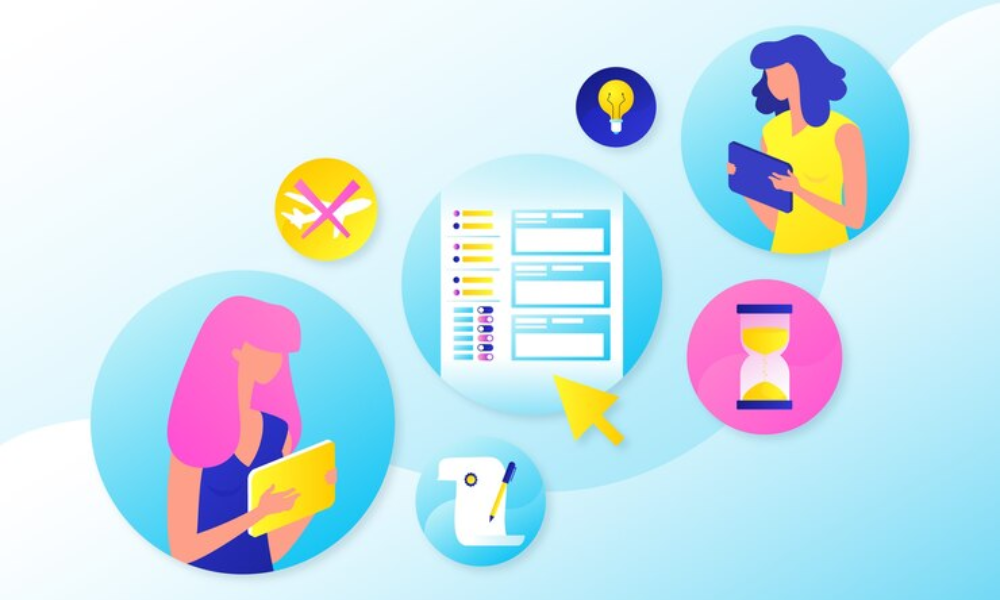
Facilitate students through the provision of choice in your lesson plans. Let them choose project formats, topics for research, or presentation modes. Involving students in lessons by providing a voice empowers a better sense of ownership and, therefore, motivation so that learning becomes a group enterprise rather than a top-down one.
8. Link to Real-World Applications

Students are bound to ask, “When am I going to use this in everyday life?” Lesson plans that answer that question keep students engaged. For mathematics, design activities that are simulations of budgeting or a field trip. For science, draw parallels with today’s environmental issues or recent breakthroughs in medicine. By expressing a sense of connection, your lesson plans make learning relevant.
9. Use Storytelling

There is no other medium that draws students’ imaginations quite like stories. Base your lesson on Storytelling—whether a scientist’s discovery or a historical personage’s biography. Students are more likely to remember facts through Storytelling, and they relish the humanity of every subject.
10. Gamify Learning

Adding a game element, such as points, badges, or competition, can reinvigorate the classroom. Turn quizzes into trivia challenges or scavenger hunts that are aligned with lesson objectives. Lesson plans can be fresh and exciting with the use of gamification.
Conclusion
Creative lesson plans are not merely a mode of conveying information; they inspire curiosity, hone skills, and evoke a passion for learning.
Focusing on engagement, Cooperation, and relevancy to the real world, teachers can construct plans that not only meet the goals of the curriculum but make every day of school a thrilling adventure.
Whether you’re a beginning instructor seeking ideas or a veteran instructor seeking a way to reinvigorate your approach, remember that outstanding plans are rooted in creativity, flexibility, and a genuine interest in student-centered learning.
Keep experimenting, stay curious yourself, and your lesson plans will continue to evolve, keeping every classroom motivated and engaged.
FREQUENTLY ASKED QUESTIONS
Q1: Why are lesson plans useful for students?
Ans: Lesson plans that are effective often include hands-on learning, application to real life, collaboration, Storytelling, and choices that allow students to learn about issues of interest.
Q2: In what ways can teachers be creative with lesson plans?
Ans: Educators can utilize art projects, digital Storytelling, role-play, gamification, and interdisciplinary techniques that combine subject areas like art and science to devise innovative and memorable plans.
Q3: Why are lesson plans subject to adaptation?
Ans: Adapted lesson remain current to students’ interests, address diverse learning styles, and demonstrate a best-practice response, keeping students motivated with resultant better outcomes.
Q4: How can technology complement lesson plans?
Ans: Technology can update lesson plans by integrating multimedia presentations, virtual field trips, teaching apps, and creative assignments like podcasts or videos, which can refresh and make lessons more interactive.
Q5: What is the role of student choice in lesson planning?
Ans: Allowing students a choice of topics, formats, or project types makes students more invested, motivated, and involved, converting lesson plans into collaborative learning activities.