




For many parents and students, the idea of Girls boarding schools in India brings curiosity, excitement, and sometimes uncertainty. Understanding girls boarding school life helps families see how residential education shapes confident, independent, and well-rounded individuals.
A girls boarding school offers more than classroom learning. It creates a structured environment where students live, study, and grow together while receiving academic guidance and emotional support.
Through shared experiences, friendships, and mentorship, girls boarding school life becomes a transformative journey that prepares students for both higher education and life.
What Is Girls Boarding School Life?
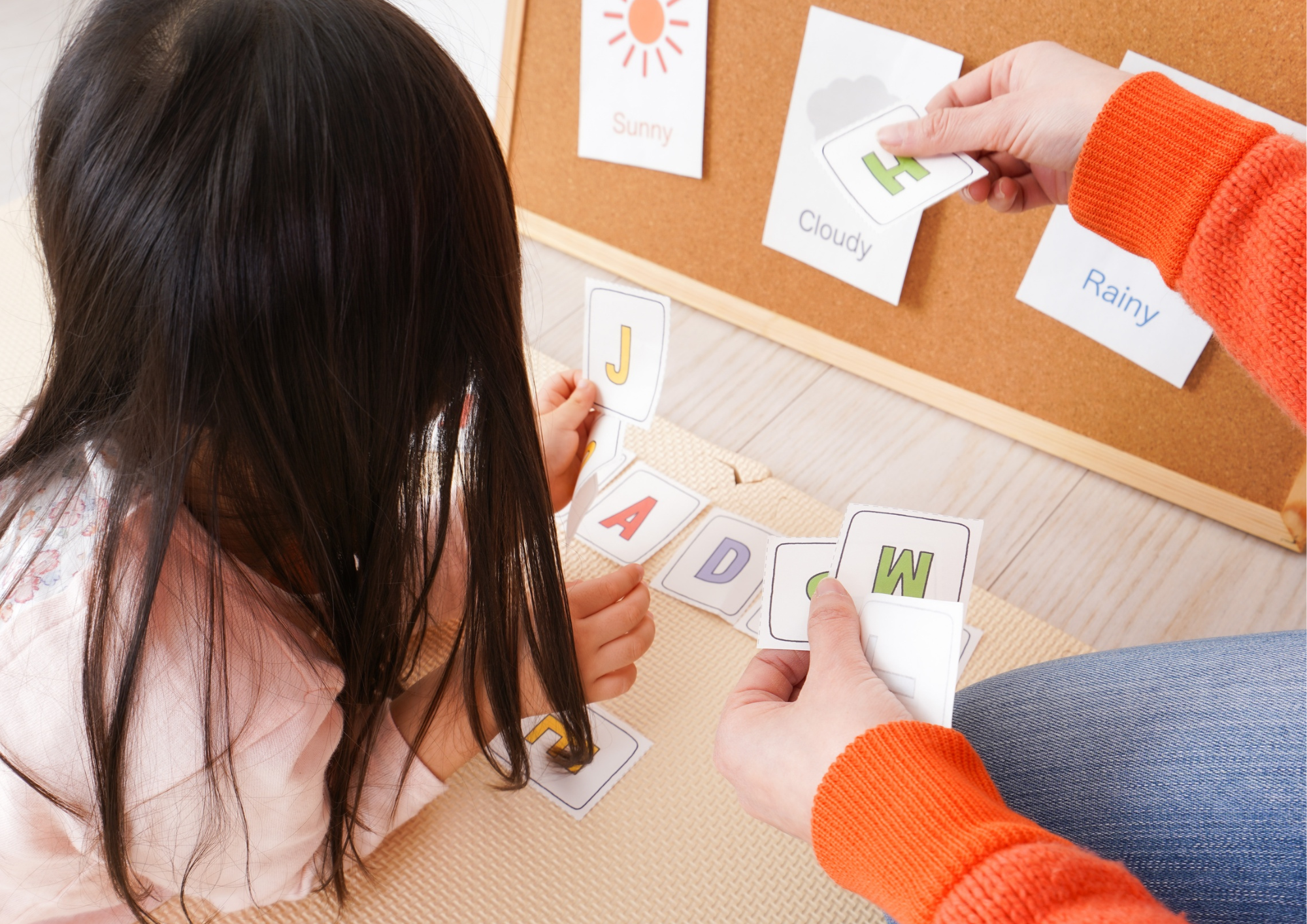
Girls boarding school life refers to the residential educational experience where female students live on campus while attending school. The school provides accommodation, meals, academic instruction, extracurricular activities, and pastoral care.
This environment allows students to develop independence while still receiving structured guidance from teachers and mentors.
Parents exploring this option often research the broader levels of education in India to understand when residential schooling can best support their child’s development.
Daily Routine in Girls Boarding School Life
One of the defining aspects of girls boarding school life is the structured daily routine that balances academics, extracurricular activities, and personal growth.
Typical Daily Schedule
| Time | Activity |
|---|---|
| 6:00 AM | Morning wake-up and fitness |
| 7:00 AM | Breakfast |
| 8:00 AM – 2:00 PM | Academic classes |
| 3:00 PM | Sports and extracurricular activities |
| 5:30 PM | Evening study sessions |
| 7:00 PM | Dinner |
| 8:00 PM | Supervised prep time |
| 10:00 PM | Lights out |
This schedule encourages discipline, time management, and balance—important elements of girls boarding school life.
Key Benefits of Girls Boarding School Life

1. Independence and Responsibility
One of the most significant benefits of girls boarding school life is learning independence.
Students gradually develop the ability to:
manage personal schedules
organize study time
make responsible decisions
build self-confidence
These life skills prepare students for university life and future careers.
2. Strong Academic Support
Residential schools provide structured academic environments.
Students benefit from:
supervised study sessions
access to teachers after class
collaborative peer learning
academic mentoring
This system ensures students remain focused on their educational goals.
3. Leadership Development
Another important aspect of girls boarding school life is leadership training.
Students participate in roles such as:
house captains
club leaders
sports team captains
student council members
These opportunities help students develop confidence and decision-making skills.
4. Holistic Development
Girls boarding schools emphasize balanced growth through academics, sports, arts, and community activities.
Students explore interests in:
music and dance
debate and public speaking
sports and athletics
creative arts
Such experiences contribute to the holistic nature of girls boarding school life.
5. Lifelong Friendships
Living together on campus allows students to build deep friendships.
Shared experiences such as:
group study sessions
sports competitions
cultural events
weekend activities
create strong bonds and a supportive community.
Friendships formed during girls boarding school life often last well beyond school years.
Emotional Growth in Boarding School

Residential education also encourages emotional maturity.
Students learn to:
manage homesickness
communicate openly
resolve conflicts
support peers
These emotional skills are essential for personal growth and resilience.
Comparison: Boarding School Life vs Day School Life
| Feature | Boarding School | Day School |
|---|---|---|
| Environment | Residential campus | Home + school |
| Independence | High | Moderate |
| Teacher support | Extended access | Limited to school hours |
| Social life | Diverse peer community | Local peers |
| Routine | Highly structured | Flexible |
This comparison highlights why many parents consider girls boarding school life beneficial for long-term development.
Academic Focus in Girls Boarding Schools

Because students live on campus, boarding schools can provide consistent academic monitoring.
Key academic advantages include:
supervised evening study hours
personalized mentoring
focused learning environment
peer motivation
These factors contribute to stronger academic performance.
When Should Students Join a Girls Boarding School?

Parents often consider boarding education when students reach middle or secondary school levels.
Residential schooling can be particularly beneficial when students:
need structured academic support
want exposure to leadership opportunities
seek holistic development
plan to prepare for higher education
Understanding girls boarding school life helps families determine the right timing.
Common Myths About Girls Boarding School Life

Myth 1: Students feel lonely
Reality: Most students quickly build strong friendships and community connections.
Myth 2: Boarding schools are too strict
Reality: While structured, they also encourage creativity, independence, and personal growth.
Myth 3: Students lose family connections
Reality: Schools maintain regular communication between parents and students.
FAQs on Girls Boarding School Life
Q1. What is girls boarding school life like?
Ans: Girls boarding school life combines academics, residential living, extracurricular activities, and mentorship in a structured environment.
Q2. Do students feel homesick in boarding schools?
Ans: Homesickness is common initially, but supportive teachers and friends help students adjust quickly.
Q3. Are girls boarding schools safe?
Ans: Yes, most schools maintain strict supervision, security measures, and pastoral care systems.
Q4. What skills do students gain from boarding school life?
Ans: Students develop independence, leadership, communication skills, and emotional resilience.
Q5. Do boarding schools improve academic performance?
Ans: Yes, structured study routines and teacher accessibility often support better academic outcomes.
Q6. Can shy students adjust to girls boarding school life?
Ans: Yes, shy students often grow more confident through friendships, activities, and supportive mentors.
Conclusion
Girls boarding school life offers students a unique environment where academic learning, personal development, and social experiences come together.
Through structured routines, supportive mentorship, and diverse opportunities, students develop independence, confidence, and leadership skills.
For parents seeking an educational experience that nurtures both academic excellence and character development, girls boarding schools provide a powerful foundation for lifelong success.