




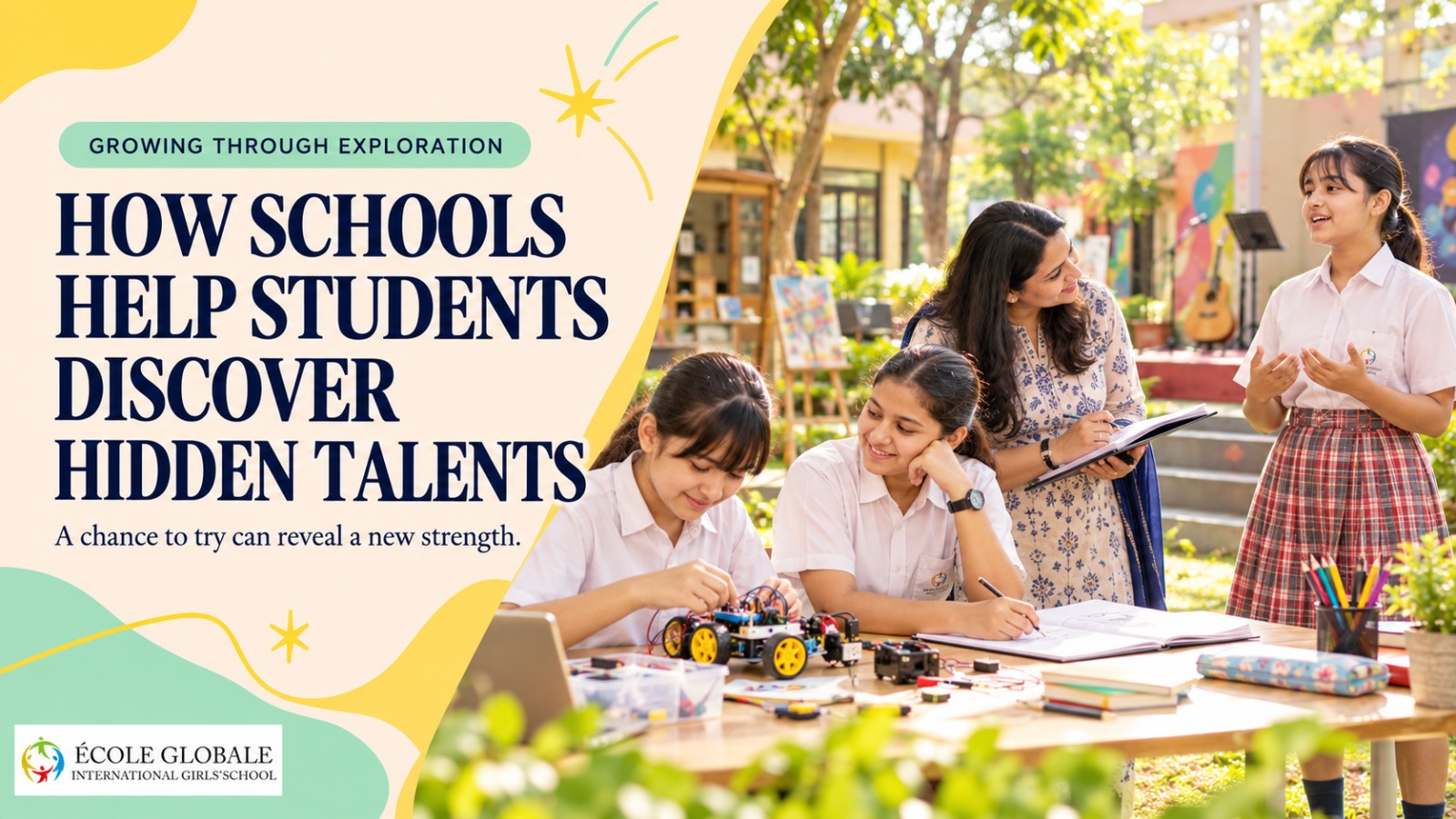
Every student has different interests, abilities, and ways of learning. Some students may perform strongly in traditional academic subjects, while others may show their strengths through music, sports, art, public speaking, technology, leadership, or creative activities. Schools can play an important role in creating opportunities for students to explore these abilities.
Discovering hidden talents in students is not about forcing every child to excel in a particular activity. It is about giving students enough opportunities to explore different interests and helping them recognise areas where they enjoy learning and developing their skills.
Why Discovering Student Talents Matters
Students may not always recognise their own strengths. A child who is quiet in the classroom, for example, may have strong artistic, musical, athletic, or leadership abilities.
Through discovering hidden talents in students, schools can help learners explore different activities and understand their individual strengths. This can also encourage students to try new experiences and develop greater confidence.
Talent discovery should be viewed as an ongoing process because interests and abilities can develop as students gain new experiences.
Providing Opportunities Beyond Academics

One of the most effective ways of discovering hidden talents in students is to provide opportunities beyond regular academic subjects.
Schools can offer activities such as:
- Sports and athletics
- Music and singing
- Art and design
- Theatre and drama
- Creative writing
- Public speaking
- Debate
- Robotics and technology
- Leadership activities
- Community service
Participation in different activities allows students to experience areas that they may not encounter during normal classroom lessons.
The Role of Teachers in Student Talent Development
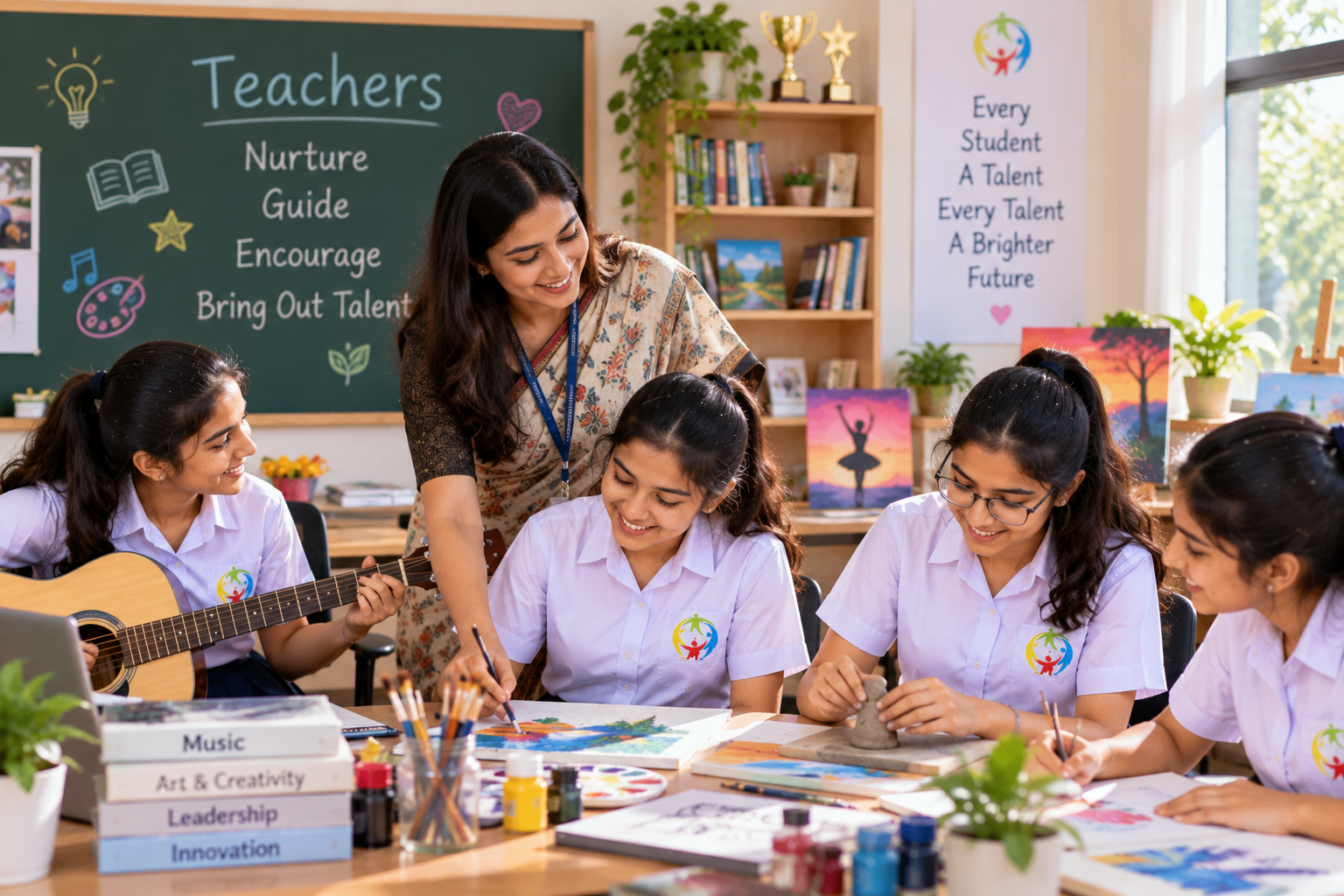
Teachers spend considerable time observing students and can often notice interests that may not be obvious through examination results alone.
Student talent development can begin when teachers observe how students approach different tasks. A student who enjoys explaining ideas may have strong communication skills, while another who enjoys organising group activities may demonstrate leadership potential.
Teachers can encourage students to participate in suitable activities and provide constructive feedback that helps them understand their strengths.
Encouraging Students to Try New Activities
Some students may avoid unfamiliar activities because they are worried about making mistakes. Schools can help by creating a supportive environment where experimentation is encouraged.
When students are given opportunities to try music, sports, art, drama, technology, or other activities, they can discover interests they may not have previously considered.
This approach can make discovering hidden talents in students a gradual and enjoyable experience.
Using Clubs and Extracurricular Activities
School clubs provide another useful way to support student talent development. Clubs allow students to spend more time exploring a particular interest.
For example, a student interested in technology might join a coding or robotics club. Someone interested in communication might participate in debate or public speaking. Students interested in creativity could explore art, photography, theatre, or writing.
Regular participation can help students understand whether an activity genuinely interests them and whether they want to develop their skills further.
Identifying Talents in Students Through Observation
Identifying talents in students requires more than looking at academic grades. Schools can observe students during classroom activities, sports, group projects, performances, competitions, and extracurricular programmes.
Teachers may notice:
- Strong problem-solving abilities
- Creativity and imagination
- Leadership qualities
- Communication skills
- Musical ability
- Athletic ability
- Technical interests
- Artistic skills
- Teamwork
- Organisation and responsibility
These observations can provide a broader understanding of each student’s strengths.
Giving Students a Chance to Perform
Performances and competitions can give students opportunities to demonstrate their abilities. School events such as cultural programmes, sports competitions, exhibitions, debates, and presentations can reveal skills that may not appear during regular classroom learning.
For discovering hidden talents in students, these events can be particularly useful because students experience different challenges and opportunities to demonstrate what they can do.
Participation should focus on learning and development rather than simply winning competitions.
Supporting Creativity
Creative activities are an important part of student talent development. Art, music, drama, writing, photography, and design can give students opportunities to experiment with ideas.
Creative work can also help students develop communication, independent thinking, persistence, and problem-solving skills.
Schools can encourage creativity by providing suitable resources, dedicated activities, exhibitions, performances, and opportunities for students to share their work.
Developing Leadership Skills
Leadership activities can help schools recognise students who naturally enjoy taking responsibility and working with others.
Student councils, team activities, group projects, school events, and community initiatives can provide opportunities for students to practise leadership.
Through these experiences, identifying talents in students can include recognising qualities such as responsibility, communication, organisation, teamwork, and decision-making.
The Importance of a Supportive Environment
A supportive school environment is essential for discovering hidden talents in students. Students are more likely to explore unfamiliar activities when they feel comfortable making mistakes and learning from them.
Teachers and parents can encourage students without placing unnecessary pressure on them. Instead of expecting immediate success, adults can focus on effort, curiosity, participation, and improvement.
This allows students to explore their abilities at their own pace.
How Parents Can Support Student Talent Development

Parents can contribute significantly to student talent development by paying attention to their children’s interests.
Parents can:
- Encourage different hobbies
- Attend school performances and events
- Provide opportunities for practice
- Ask children about their interests
- Encourage persistence
- Avoid comparing children with others
- Support effort and improvement
Children may discover interests at different stages, so allowing them time to explore can be valuable.
Discovering Talents at Ecole Globale International Girls School
At Ecole Globale International Girls School, opportunities beyond traditional academics can support students in exploring their interests and abilities. Activities involving sports, creative expression, leadership, communication, and other areas can give students different ways to participate and develop their skills.
Such experiences can contribute to broader student talent development by allowing students to explore different interests while developing confidence, teamwork, creativity, and responsibility.
Conclusion
Discovering hidden talents in students requires opportunities, observation, encouragement, and patience. Students may demonstrate their abilities through academics, sports, arts, technology, communication, leadership, or other activities.
Schools can support this process by offering diverse extracurricular opportunities, encouraging experimentation, observing students in different settings, and providing constructive guidance.
With the right environment, student talent development becomes a continuous part of education. By identifying talents in students and giving them opportunities to develop those abilities, schools can help learners understand their strengths and explore their potential.
Read More: A Day in Student Life at Ecole Globale International Girls School
Frequently Asked Questions
Q1. How can schools help students discover hidden talents?
Ans: Schools can help students discover hidden talents by providing opportunities in sports, arts, music, technology, public speaking, leadership, and other extracurricular activities.
Q2. Why is student talent development important?
Ans: Student talent development helps learners recognise their strengths, explore their interests, build confidence, and develop skills beyond traditional academic subjects.
Q3. How can teachers identify students’ talents?
Ans: Teachers can identify students’ talents by observing their participation, creativity, communication, problem-solving, leadership, teamwork, and performance across various activities.
Q4. What activities help students discover their talents?
Ans: Sports, music, art, drama, creative writing, debate, robotics, public speaking, student councils, competitions, and community activities can help students explore different abilities.
Q5. How can parents support their child’s talents?
Ans: Parents can encourage children to explore different hobbies, support their interests, recognise their effort, and give them opportunities to practise and develop their skills.