




Technology has become an important part of the modern learning environment. From digital classrooms and online learning platforms to interactive educational tools, technology is changing how teachers deliver lessons and how students access information.
The role of technology in modern education extends beyond replacing traditional textbooks or classroom tools. It can support personalised learning, improve communication, provide access to educational resources, and create more engaging learning experiences.
As schools continue to adopt digital tools, understanding the benefits and limitations of technology in education is becoming increasingly important for teachers, students, and parents.
What Is the Role of Technology in Modern Education?
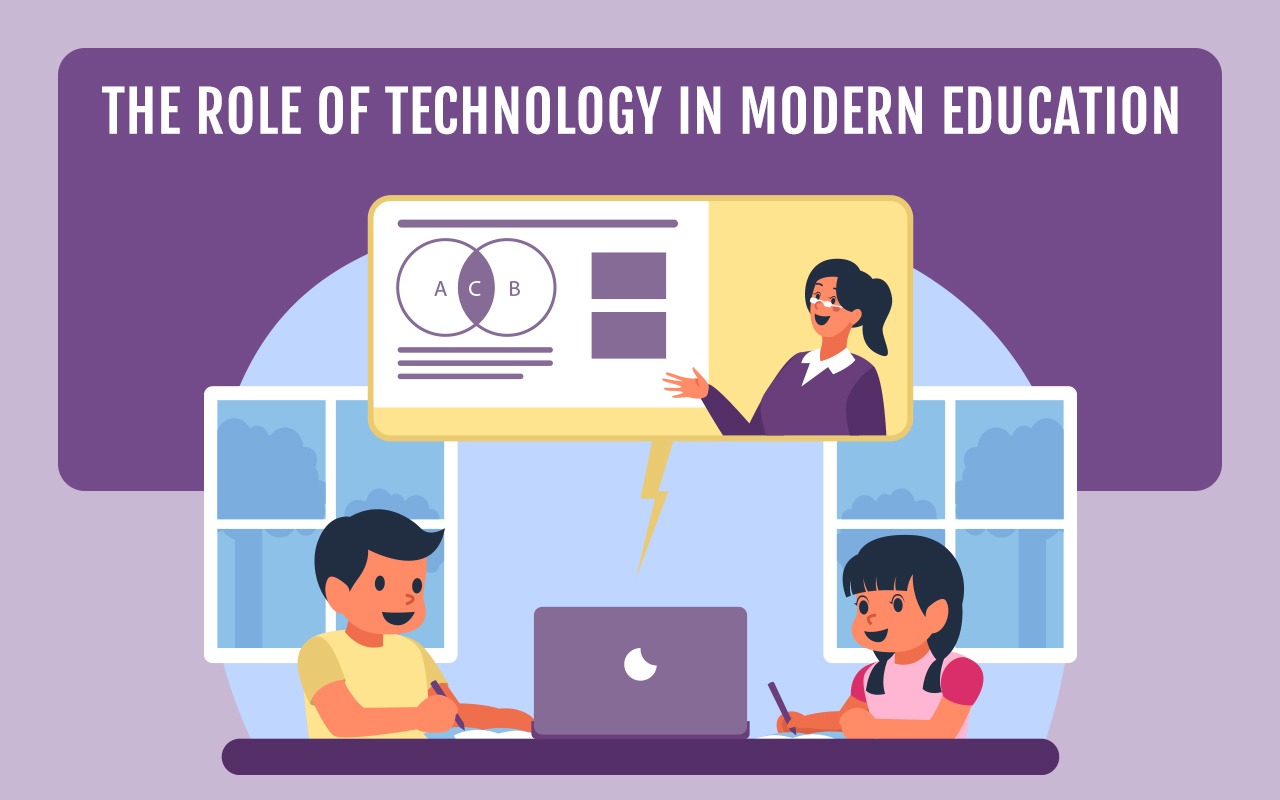
The role of technology in modern education is to support and enhance the teaching and learning process.
Teachers can use computers, projectors, smart boards, educational applications, videos, digital presentations, and online resources to explain concepts in different ways. Students can use these resources to research topics, practise skills, collaborate with classmates, and access learning materials.
Technology does not necessarily replace teachers. Instead, educational technology can give teachers additional tools to make lessons more interactive and adaptable.
Technology in the Classroom
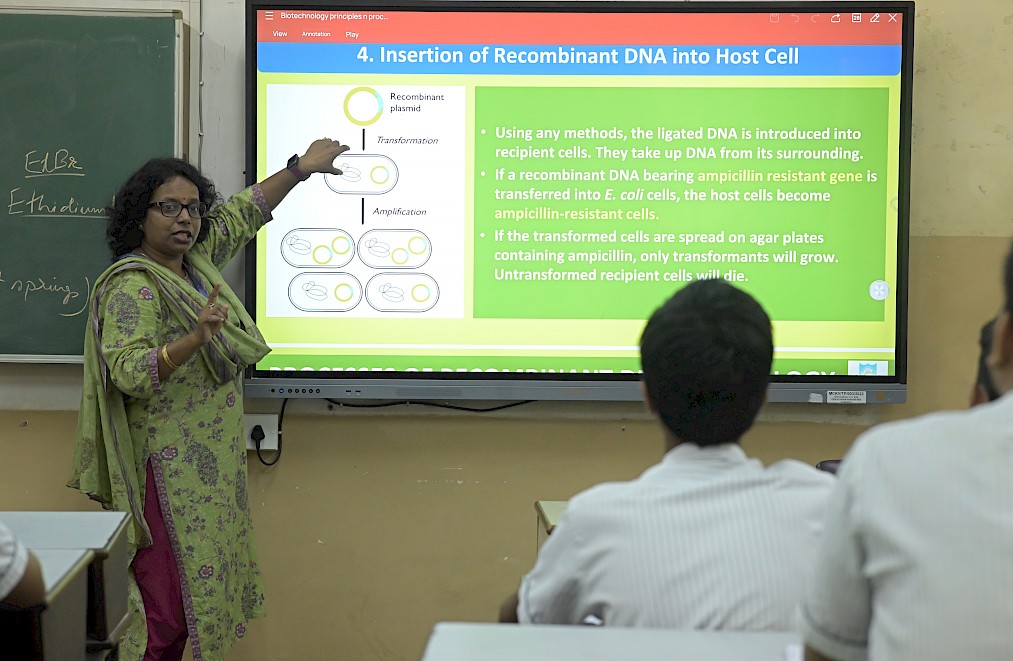
One of the most visible examples of technology in education is the modern classroom.
Traditional teaching methods can be combined with digital resources to create a blended learning environment. For example, a teacher explaining a science concept can use a video, animation, simulation, or digital presentation to provide a visual explanation.
Similarly, students can use computers or tablets to complete assignments, conduct research, create presentations, and participate in collaborative activities.
The effective use of technology in the classroom depends on how well digital tools support the learning objective.
Online Learning

Online learning has expanded access to education beyond the physical classroom.
Students can use computers, tablets, and other devices to access lectures, educational videos, digital reading materials, assignments, and assessments. Online platforms can also allow teachers to communicate with students and provide feedback.
This is an important aspect of the role of technology in modern education, particularly when students need flexible access to learning resources.
However, online learning also requires self-discipline and reliable access to appropriate devices and internet connectivity.
Interactive Learning

Interactive learning uses activities and digital resources to encourage students to participate actively in lessons.
Educational applications, simulations, quizzes, videos, and interactive exercises can make certain concepts easier to explore.
For example, students may use a simulation to observe a scientific process or complete an interactive exercise to practise a mathematical concept.
The use of educational technology can therefore make lessons more engaging when it is carefully integrated with effective teaching.
Personalised Learning

Students do not always learn at the same speed or in the same way.
Digital learning tools can provide opportunities for students to review materials, practise particular skills, and revisit difficult concepts. Some platforms can also provide teachers with information about student performance.
This can support personalised learning, allowing teachers to identify areas where individual students may need additional guidance.
Technology should complement teacher support rather than replace the personal interaction that remains important in education.
A Shift in Modern Teaching Methods
The growth of technology has contributed to a shift in modern teaching methods.
Teachers can now combine classroom explanations with videos, presentations, digital activities, online assessments, and collaborative projects.
Instead of relying exclusively on lectures and textbooks, teachers can provide students with different ways to explore a subject.
This approach can also encourage students to become more active participants in their own learning.
Advantages of Technology in Education
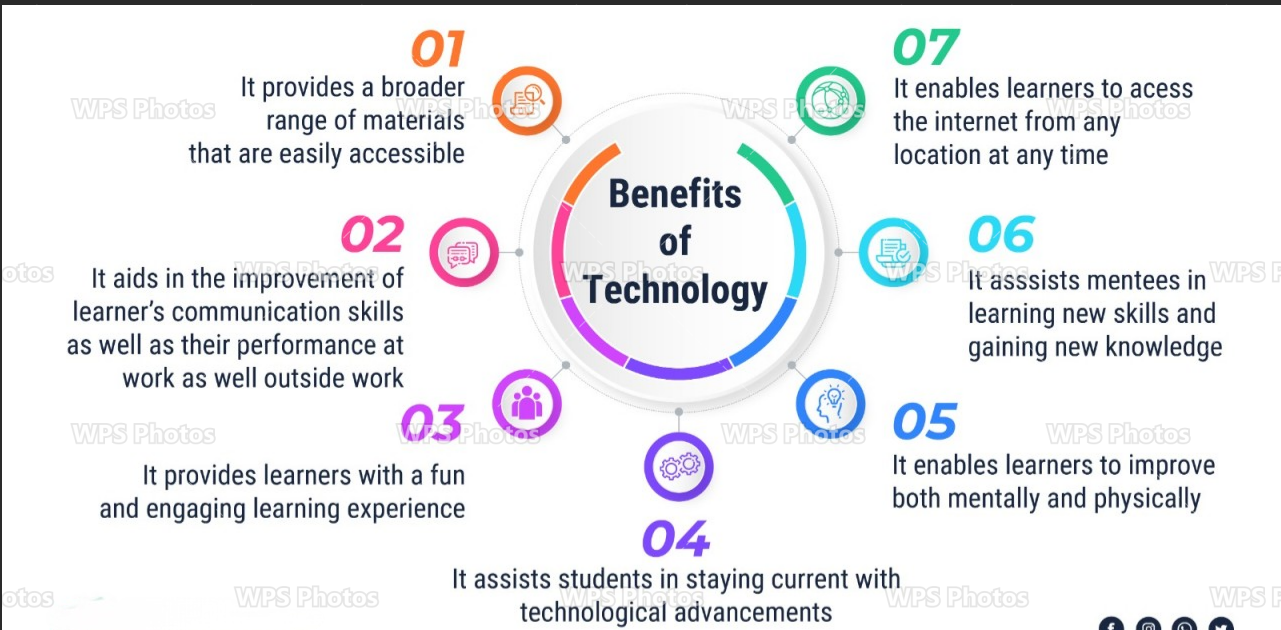
There are several important benefits associated with technology in education when digital tools are used appropriately.
1. Easier Access to Information
Students can access a wide range of educational resources through digital libraries, websites, online courses, videos, and other platforms.
This gives learners additional opportunities to explore subjects beyond their regular textbooks.
2. Increased Student Engagement
Interactive activities can make some lessons more engaging.
Videos, simulations, quizzes, and educational applications can encourage students to participate rather than simply listen to a lecture.
However, engagement depends on the quality of the activity and how it connects to the learning objective.
3. Better Communication
Technology provides additional ways for teachers and students to communicate.
Learning management systems, email, classroom platforms, and digital collaboration tools can help students receive instructions, submit assignments, ask questions, and receive feedback.
4. Supports Collaboration
Digital tools can allow students to work together on presentations, projects, documents, and other assignments.
This can help students develop communication and teamwork skills while completing academic tasks.
5. Encourages Self-Directed Learning
One of the important aspects of the role of technology in modern education is its ability to support independent learning.
Students can explore additional resources, review lessons, practise skills, and research subjects according to their learning needs.
This can encourage students to take greater responsibility for their education.
Technology-Based Learning and Teachers
Technology can provide teachers with useful tools for planning and delivering lessons.
Teachers can prepare digital presentations, create online quizzes, share educational resources, and track student progress through appropriate platforms.
Digital assessments can also help teachers identify areas where students may need additional support.
However, the teacher remains central to the learning process. Technology is most effective when teachers understand how to use it purposefully rather than simply introducing digital tools into every lesson.
Technology and Student Assessment
Assessment is another area where technology in education can provide useful support.
Schools can use digital quizzes, online assignments, interactive tests, and learning platforms to collect information about student performance.
Some digital systems can provide immediate feedback, allowing students to identify mistakes and review concepts.
Teachers can also use assessment information to understand common learning gaps and adjust their teaching accordingly.
Challenges of Technology in Education
Although the role of technology in modern education has many potential benefits, it also presents challenges.
Digital Access
Not every student has equal access to suitable devices, reliable internet, or digital learning resources.
Distractions
Devices can provide access to entertainment and social media as well as educational content. Students may therefore need guidance on responsible technology use.
Privacy and Security
Schools need to consider how student information is collected, stored, and used when adopting digital platforms.
Teacher Training
Teachers need appropriate training to use digital tools effectively. Simply providing technology does not guarantee better learning outcomes.
Screen Time
Excessive screen use can become a concern. Digital learning should therefore be balanced with classroom interaction, physical activity, outdoor experiences, reading, and other forms of learning.
How Schools Can Use Technology Effectively
Schools should focus on the purpose of technology rather than technology itself.
Before introducing a digital tool, educators can ask:
- Does it improve understanding?
- Does it make learning more accessible?
- Does it encourage meaningful participation?
- Does it provide useful feedback?
- Does it support the teacher’s learning objectives?
Technology should be integrated where it adds educational value.
A balanced approach can combine technology in modern education with face-to-face teaching, practical activities, discussions, sports, creative work, and social interaction.
The Future of Educational Technology
The use of educational technology is likely to continue developing as schools and universities explore new approaches to learning.
Digital resources, artificial intelligence, virtual learning environments, interactive simulations, and data-based learning tools may provide new possibilities for students and teachers.
However, technology alone cannot create a successful education system. Teachers, curriculum design, student motivation, supportive learning environments, and meaningful human interaction remain important.
The future is therefore likely to involve a combination of digital and traditional approaches rather than the complete replacement of classroom education.
Conclusion
The role of technology in modern education has expanded significantly, influencing classrooms, online learning, assessment, communication, and independent study.
When used effectively, technology in education can provide students with greater access to information, interactive learning experiences, collaboration opportunities, and personalised support.
At the same time, schools must address challenges such as digital inequality, distractions, privacy, screen time, and teacher training.
The goal should not be to use technology simply because it is available. Instead, schools should use educational technology when it genuinely improves learning and supports teachers and students.
A balanced approach to technology in modern education can help create learning environments that are engaging, flexible, and better prepared for the needs of the 21st century.
FAQs
Q1. What is the role of technology in modern education?
Ans: The role of technology in modern education is to support teaching and learning through digital resources, interactive tools, online platforms, communication systems, and flexible learning opportunities.
Q2. What are the benefits of technology in education?
Ans: The main benefits of technology in education include easier access to information, interactive learning, improved communication, collaboration, personalised learning, and flexible access to educational resources.
Q3. How does technology improve classroom learning?
Ans: Technology in the classroom can help teachers use videos, simulations, presentations, digital assessments, and interactive activities to explain concepts and encourage student participation.
Q4. What are the disadvantages of technology in education?
Ans: Potential challenges include unequal access to devices and internet, distractions, privacy concerns, excessive screen time, technical difficulties, and the need for teacher training.
Q5. What is the future of educational technology?
Ans: The future of educational technology is likely to include greater use of digital learning platforms, interactive resources, artificial intelligence, and personalised learning while continuing to rely on teachers and classroom interaction.
For any queries related to parenting, schooling, or any student-related tips, click here to check out our latest blogs