


Education has always been seen as a balance between academic learning and holistic development. While subjects like Mathematics, Science, and Literature form the core of classroom learning, co-curricular activities provide students with opportunities to explore, grow, and shine outside academics.
They are not just add-ons but an essential part of education that enhances personality, builds life skills, and prepares learners for real-world challenges.
What Are Co-Curricular Activities?
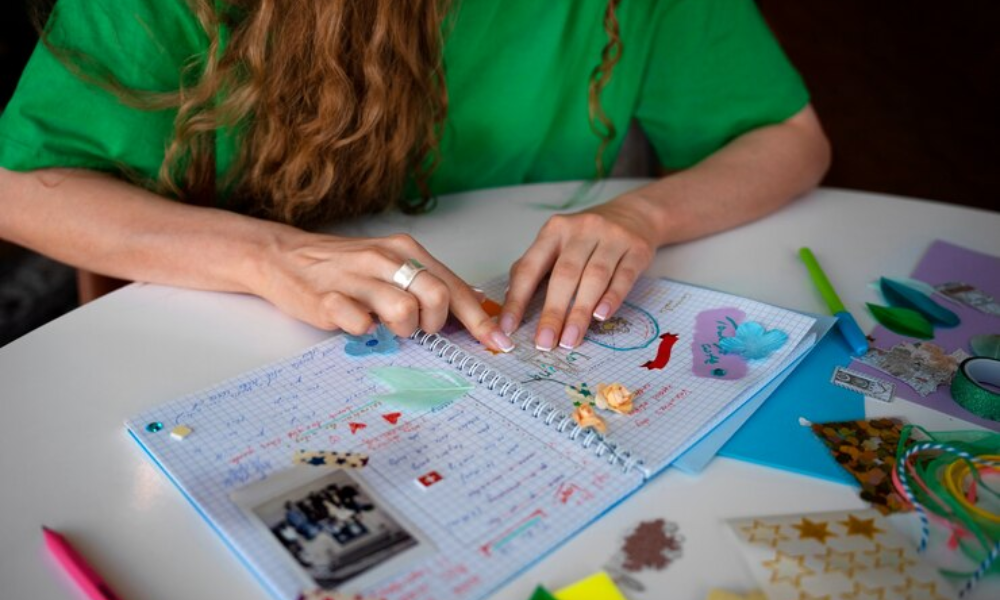
Co-curricular activities are structured programs organized alongside academic studies, usually within a school or college. They complement academic learning and aim to nurture creativity, discipline, leadership, and teamwork.
Examples include:
Debates and public speaking competitions
Sports and athletics
Music, dance, and drama
Art and craft exhibitions
Science clubs and fairs
Social service initiatives
Cultural festivals
Quiz competitions
Unlike hobbies, which are pursued individually, co-curricular activities are institutionally planned and linked to the curriculum for overall development.
Importance of Co-Curricular Activities
According to the National Education Association, such activities significantly enhance students’ personal and academic growth
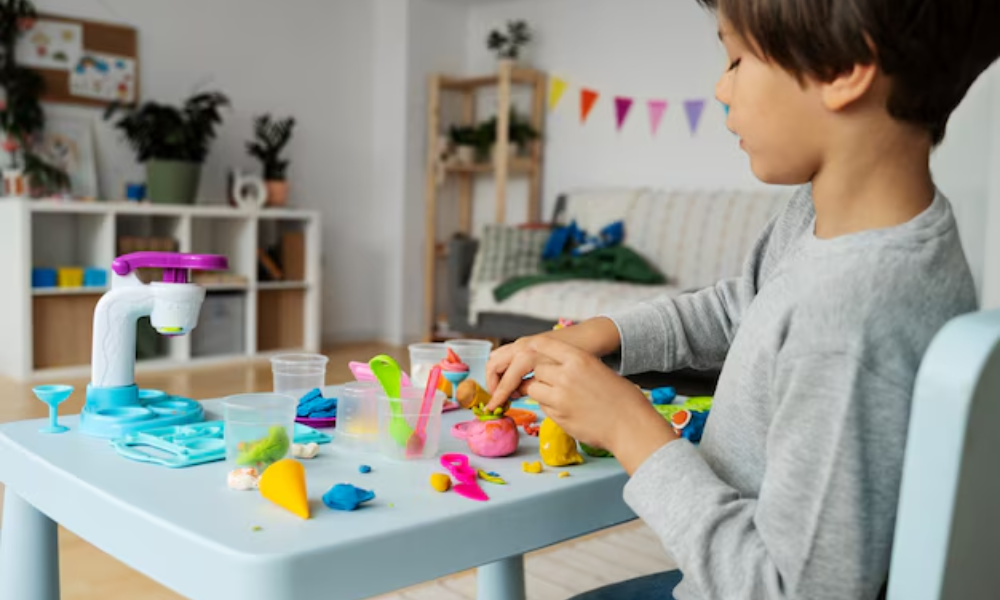
1. Developing Life Skills
Co-curricular activities teach practical skills that textbooks alone cannot provide. Teamwork in sports, leadership in clubs, and communication in debates build essential abilities that last a lifetime.
2. Enhancing Academic Performance
Students engaged in co-curricular activities often perform better academically. The discipline and time management skills they gain translate into improved study habits and focus.
3. Promoting Physical and Mental Health
Activities like yoga, sports, and dance keep students physically fit. Creative outlets such as music or art also reduce stress, ensuring mental well-being.
4. Boosting Confidence and Self-Esteem
Participating in competitions or performing on stage gives students the courage to face audiences, enhancing self-confidence and presentation skills.
5. Building Cultural Awareness
Cultural activities such as music, folk dance, or drama help students appreciate traditions and diversity, promoting inclusivity and respect.
Popular Types of Co-Curricular Activities

1. Sports and Athletics
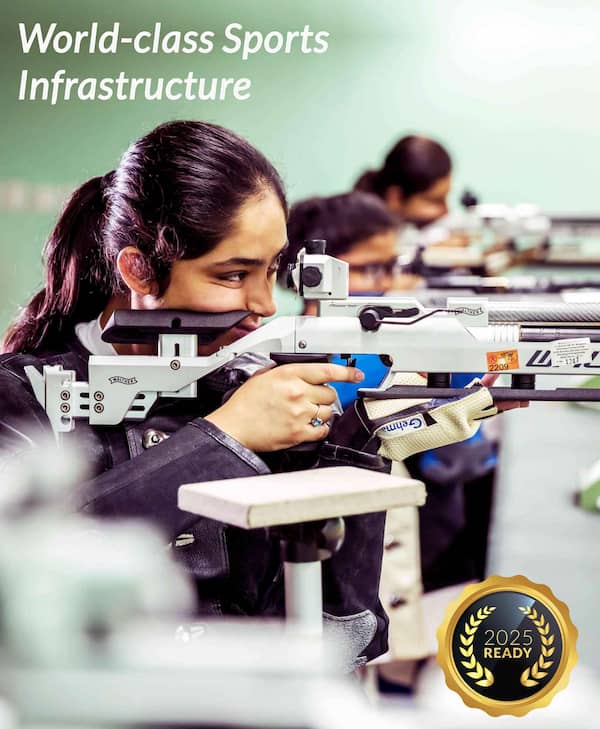
Sports nurture discipline, teamwork, and resilience. Students learn to accept both victory and defeat gracefully. Athletics also builds stamina and fosters a healthy lifestyle.
2. Arts and Culture
Music, painting, and dance give students a platform to showcase creativity. Cultural activities also strengthen a school’s community spirit and highlight talent.
3. Literary Activities
Debates, elocution, essay writing, and quiz competitions develop language proficiency, analytical thinking, and communication skills.
4. Clubs and Societies
Science clubs, eco-clubs, and entrepreneurship groups encourage innovation, research, and responsibility towards the environment and society.
5. Social Service Programs
Activities such as volunteering, awareness campaigns, or community outreach instill empathy and a sense of responsibility in students.
The Role of Schools in Co-Curricular Activities
Schools act as the primary platform for organizing co-curricular activities. They provide:
Guidance and mentorship: Teachers mentor students to identify strengths.
Resources: Infrastructure such as sports fields, music rooms, and laboratories support participation.
Opportunities: Regular events, competitions, and festivals keep students engaged.
A strong emphasis on co-curricular activities ensures that learning extends beyond exams and textbooks.
Benefits of Co-Curricular Activities in Career Growth
Employers increasingly value candidates who are not just academically strong but also well-rounded. A Harvard Graduate School of Education study highlights how participation in extracurricular programs builds leadership and collaboration skills valued by employers. Participation in co-curricular activities signals qualities like leadership, teamwork, and creativity. For instance, being the captain of a school sports team highlights organizational skills, while participation in Model United Nations showcases analytical and debating ability.
Balancing Academics and Co-Curricular Activities

One concern often raised by parents and students is whether curricular activities distract from academics. The key is balance. Proper time management, teacher support, and prioritization help students excel in both. Many top-performing students are also active in debates, sports, or arts, proving that co-curricular involvement enhances rather than hinders academics.
Challenges in Implementing Co-Curricular Activities
Resource Limitations: Not all schools have adequate facilities for diverse activities.
Academic Pressure: Overemphasis on grades sometimes sidelines extracurricular involvement.
Time Constraints: Balancing activities with studies requires careful scheduling.
Addressing these challenges requires collaboration between schools, parents, and policymakers.
Future of Co-Curricular Activities

With technology transforming education, curricular activities are evolving too. Virtual debates, e-sports tournaments, online art exhibitions, and coding competitions are becoming popular. These new-age activities prepare students for digital citizenship and future careers.
FREQUENTLY ASKED QUESTIONS
Q1. What is the difference between co-curricular and extracurricular activities?
Ans: They are linked to academics (like debates or science clubs), while extracurriculars are independent hobbies (like playing guitar at home).
Q2. Are co-curricular activities compulsory?
Ans: Many schools encourage compulsory participation as they are vital for holistic growth.
Q3. How do co-curricular activities help in exams?
Ans: They improve focus, time management, and critical thinking, which indirectly enhances academic performance.
Q4. Which co-curricular activities are best for career growth?
Ans: Debates, leadership roles, sports, and volunteering stand out as they demonstrate responsibility and soft skills to employers.
Q5. How much time should a student spend on co-curricular activities?
Ans: Around 4–6 hours a week is sufficient, depending on academic workload and personal interest.