Good marks still matter, but they are no longer enough. Jobs are changing, technology is moving fast and students will need to keep learning long after they leave school. That is why future ready skills are now a priority for parents and educators alike.
This guide explains which future ready skills for students matter most, why they matter now and how schools and families can help children build them step by step.
What Are Future Ready Skills?
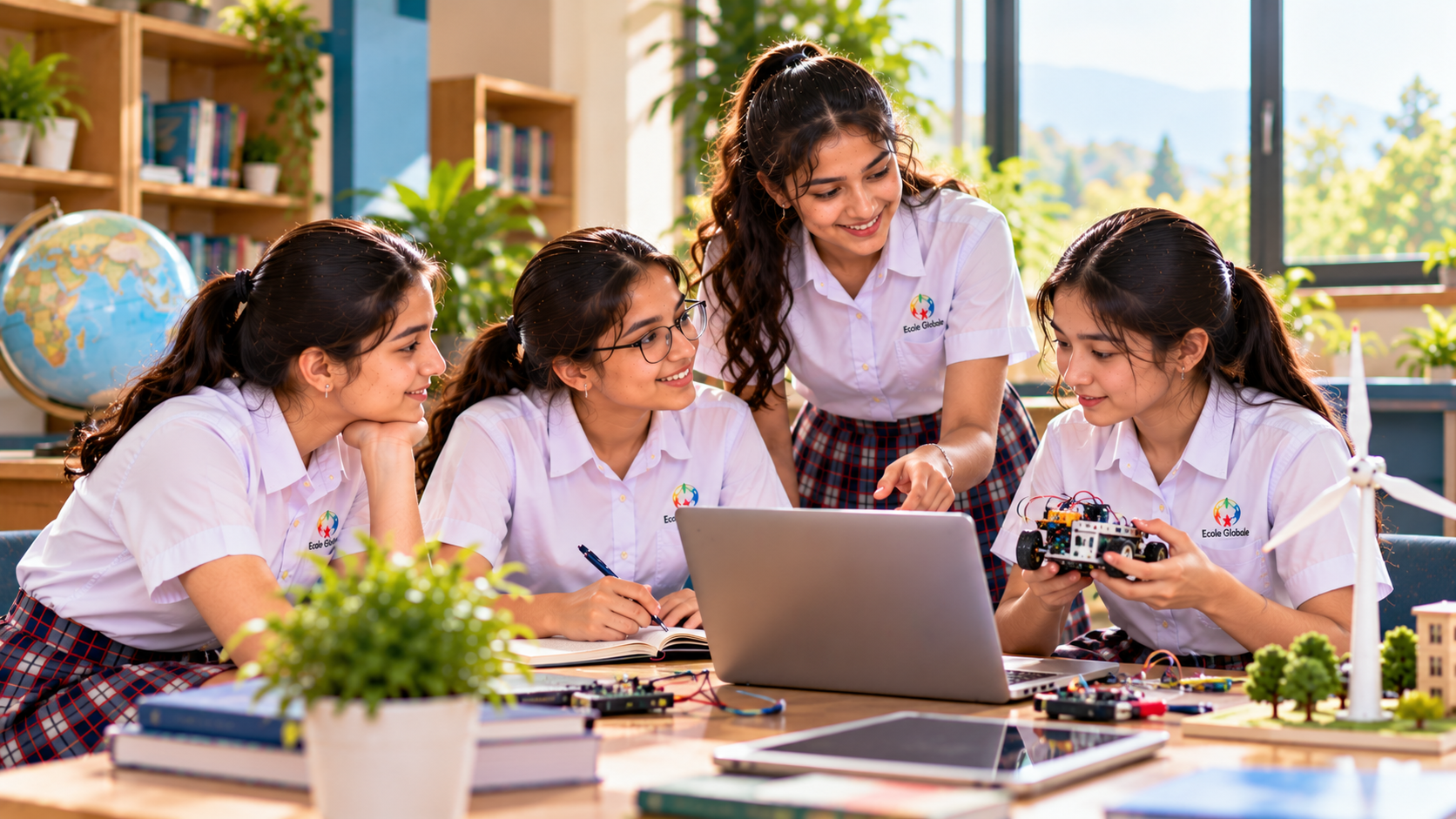
Future ready skills are the abilities that help students adapt, solve problems and keep growing in a changing world. They sit alongside subject knowledge, not in place of it.
A student may know the facts of history or science, but future ready skills decide how well she can use that knowledge: how she thinks through a new problem, works with other people and learns something unfamiliar. These skills transfer across subjects, careers and countries, which makes them valuable in almost any future.
Core Future Ready Skills Every Student Needs
Eight skills appear again and again in conversations about future readiness:
| Skill | What it looks like at school |
|---|---|
| Critical thinking | Questioning sources, comparing evidence and forming reasoned opinions |
| Communication | Writing clearly, speaking confidently and listening well |
| Collaboration | Working in teams, sharing tasks and resolving disagreements |
| Creativity | Coming up with original ideas and approaches |
| Adaptability | Adjusting when plans, topics or tools change |
| Digital literacy | Using technology safely, wisely and effectively |
| Emotional intelligence | Understanding feelings, managing stress and showing empathy |
| Lifelong learning | Staying curious and learning independently |
No student masters all eight overnight. Each classroom activity builds several of them.
Why Future Ready Skills Matter Now
Automation and artificial intelligence are changing how work gets done. Tasks that follow fixed rules are increasingly handled by machines, while human strengths such as judgement, creativity and communication become more valuable.
Many of today’s students will also work in roles that do not yet exist. Memorised answers will not prepare them for that. The ability to learn quickly, question carefully and work well with others will. Schools that build these skills early give students a lasting advantage, whatever career they choose.
Digital and AI Literacy
Students grow up surrounded by technology, but using a device is not the same as understanding it. Digital literacy means knowing how to find reliable information, protect personal data and behave respectfully online.
AI tools add a new layer. Students should learn to treat AI as a helper, not a shortcut: check its answers, understand its limits and always do their own thinking. Schools can support this by teaching source checking, privacy basics and honest use of technology in assignments. These habits turn technology into a tool that serves learning.
Social and Emotional Skills
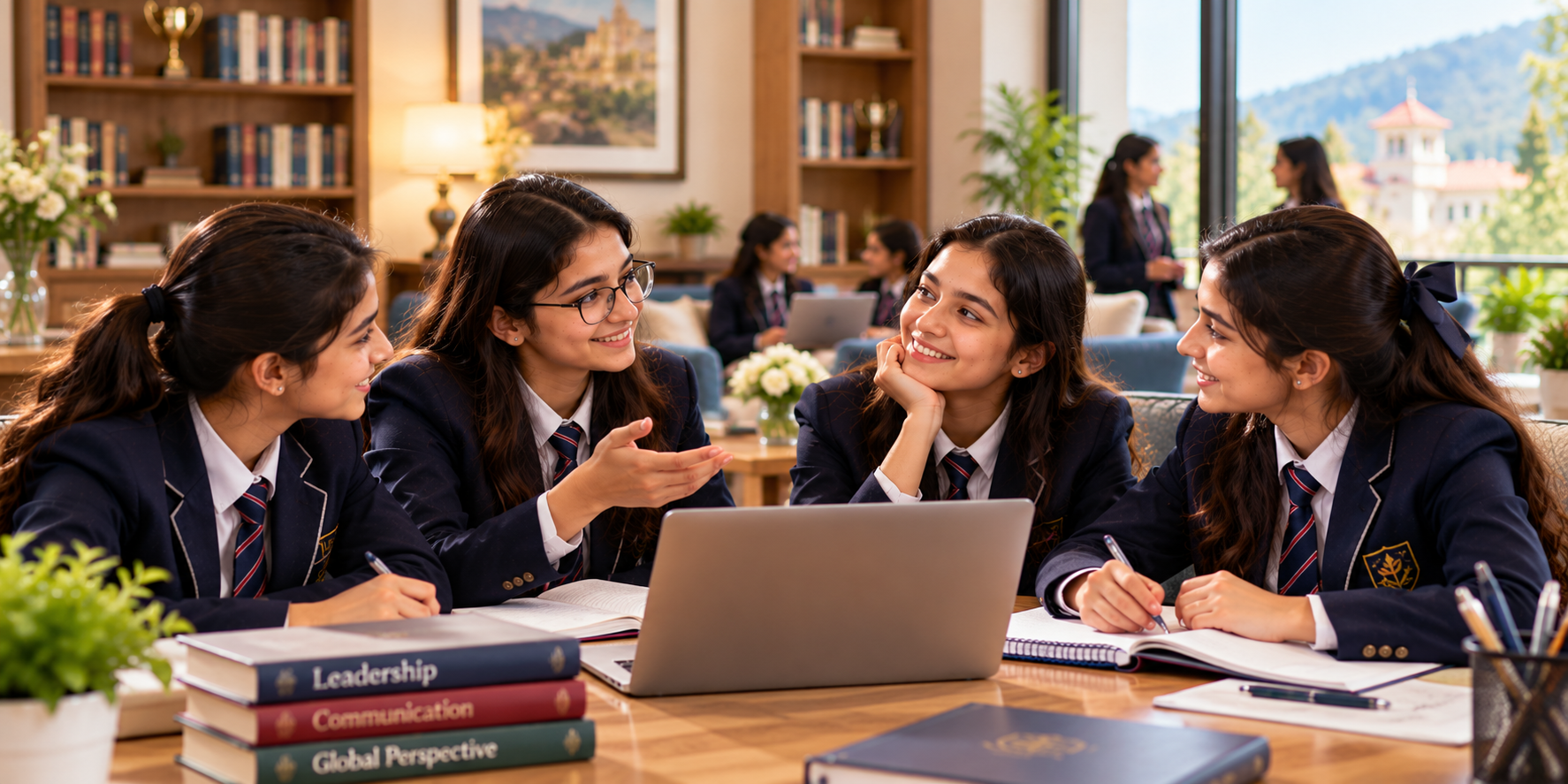
Technical ability alone does not make someone ready for the future. Students also need strong people skills.
- Empathy: Understanding how others feel and responding with kindness
- Resilience: Recovering from setbacks and trying again
- Self-management: Handling time, stress and responsibilities
- Cross-cultural awareness: Working respectfully with people from different backgrounds
These skills grow through everyday experiences: group projects, team sports, living with roommates and resolving small conflicts. Schools that value them alongside academics produce students who are both capable and caring.
How Schools Can Build Future Ready Skills
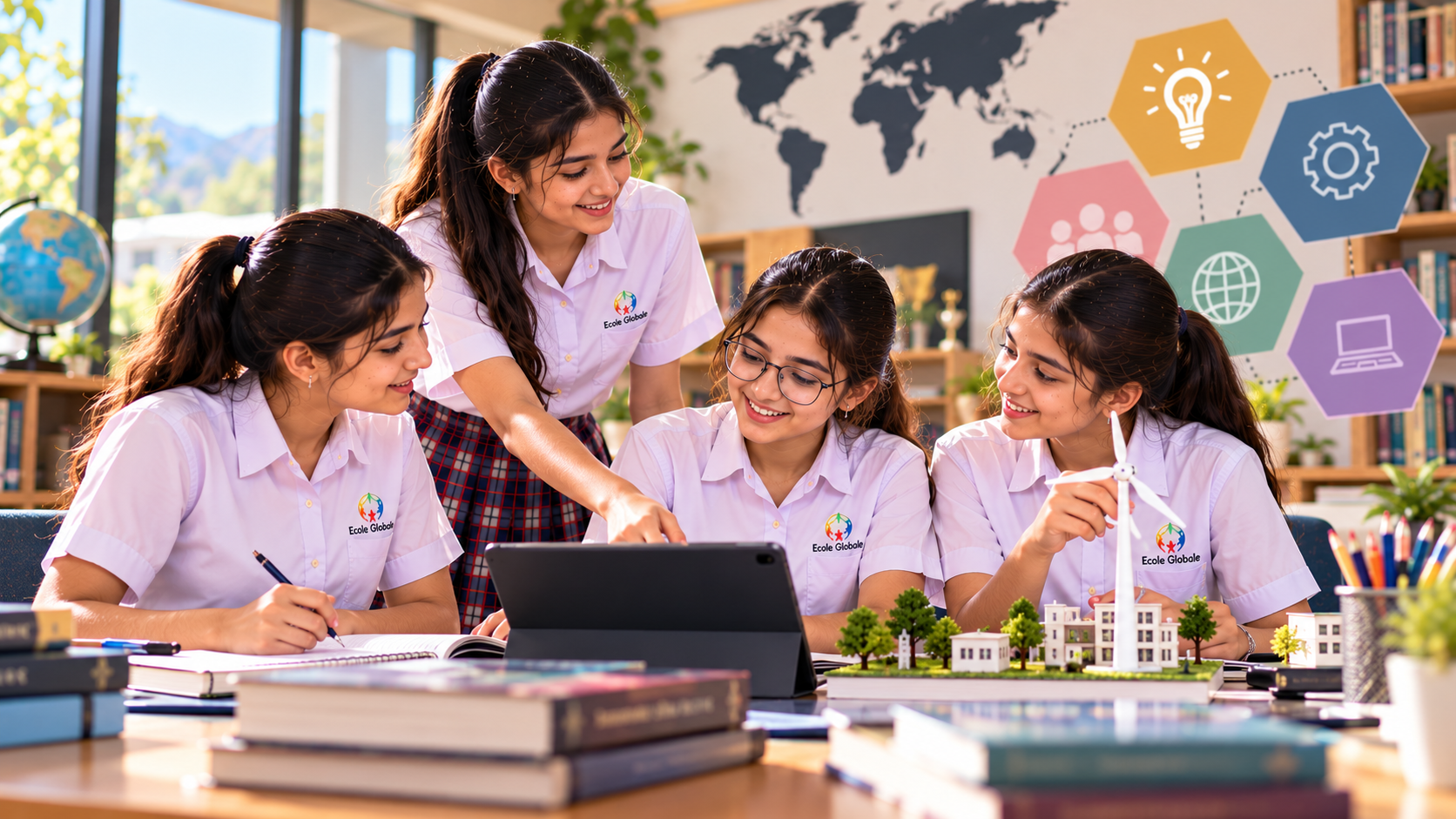
Schools do not need to overhaul everything to begin. Steady, practical changes make a difference:
- Project-based learning: Give students real problems to investigate and solve
- Debates and discussions: Teach students to reason, listen and respond respectfully
- Clubs and activities: Offer spaces for leadership, creativity and teamwork
- Real-world tasks: Link lessons to everyday issues, such as budgeting or community needs
- Reflection time: Ask students what they learned, what was hard and what they would change
- Teacher modelling: Show curiosity and a willingness to learn new things
The aim is to help students practise these skills regularly, not just hear about them.
How Parents Can Support Future Ready Learners
Home plays a big part in building these skills. Simple habits help:
- Encourage curiosity by welcoming questions and exploring answers together
- Give age-appropriate responsibility, such as managing a budget or planning a trip
- Read together and talk about what you read
- Balance screen time with games, hobbies and outdoor activity
- Praise effort and learning, not just marks
- Support clubs and teams, like the range of extracurricular activities at Ecole Globale
Children who feel safe to try, fail and try again become confident learners.
Preparing Girls for the Future at Ecole Globale
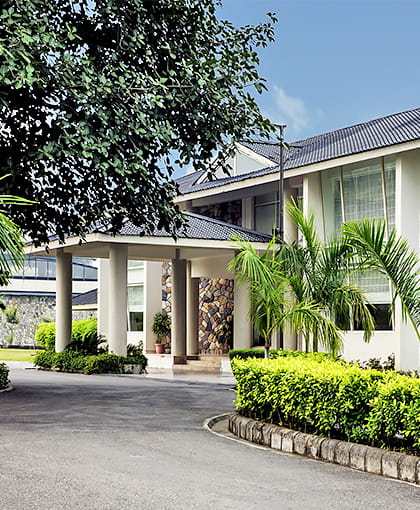
Ecole Globale is a girls’ boarding school in Dehradun with a fully residential campus, where academics, sports and activities come together. A full student life gives girls regular chances to collaborate, lead and grow in confidence. You can also read a typical day at Ecole Globale to see how learning and activities fit together.
When you explore schools, ask how they build skills such as teamwork, communication and critical thinking, beyond exam preparation.
Frequently Asked Questions
Q1. What are future ready skills?
Ans: They are abilities such as critical thinking, communication, collaboration, creativity, adaptability and digital literacy that help students succeed in a changing world.
Q2. At what age should students start building future ready skills?
Ans: From the early years. Simple activities like group play, storytelling and problem solving lay the foundation, and complexity grows with age.
Q3. Do future ready skills replace academic subjects?
Ans: No. Subjects provide knowledge, and future ready skills help students use it well. The two work best together.
Q4. How can parents tell if a school builds these skills?
Ans: Ask about projects, clubs, debates and leadership roles, and how students are encouraged to think, speak and work in teams.
Future ready skills for students are built through daily practice at school and at home, and they prepare young people to thrive whatever tomorrow brings.