



Education is not limited to textbooks, examinations and classroom lessons. Students also need opportunities to express their opinions, understand different perspectives and communicate their ideas effectively. Activities such as debates and Model United Nations (MUN) provide valuable opportunities for this development.
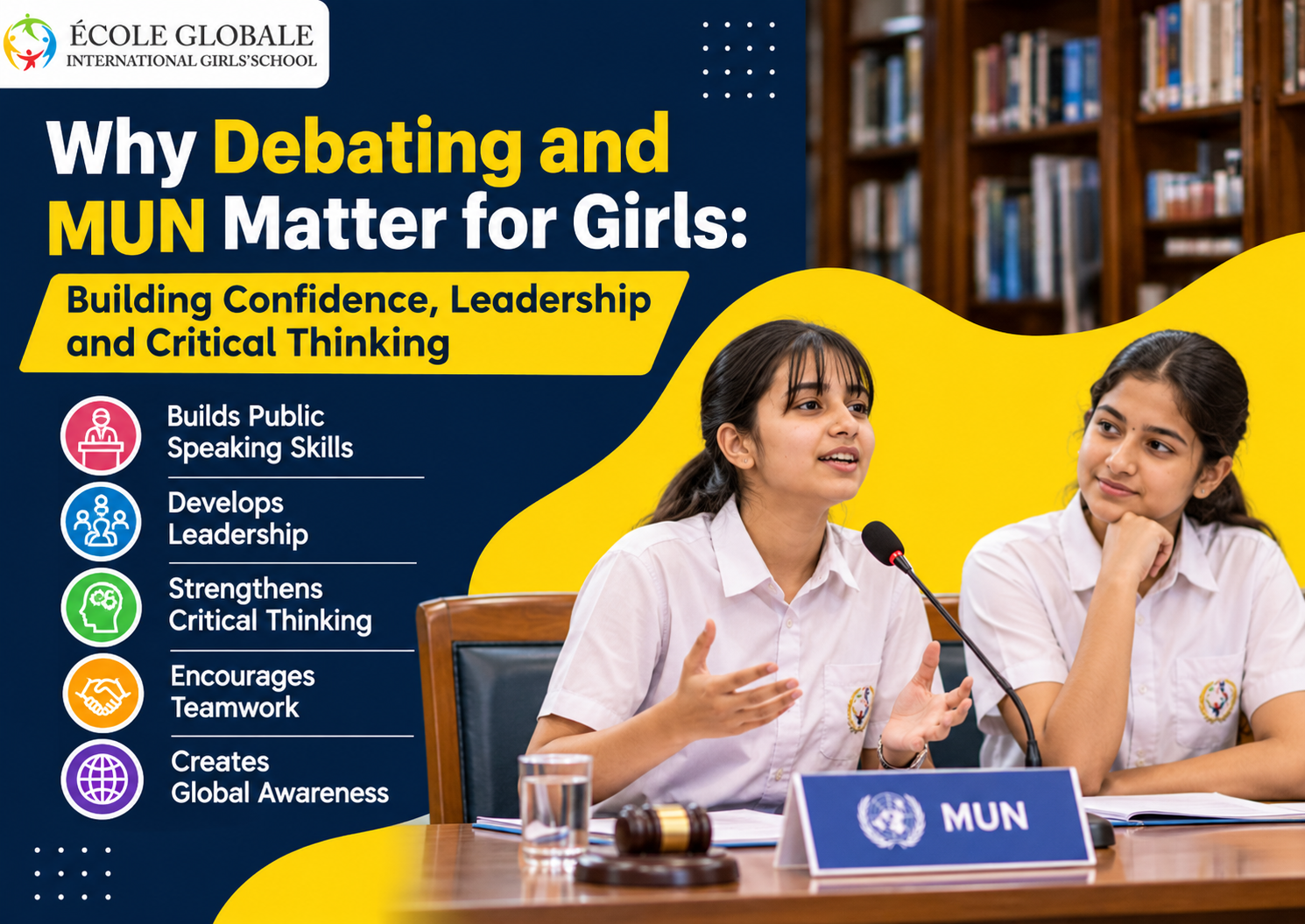
Debating and MUN for Girls play an important role in developing public speaking, critical thinking, research, teamwork and leadership skills. These activities encourage girls to discuss important topics, present arguments, understand global issues and participate in meaningful conversations.
For students studying in girls boarding schools, Debating and MUN for Girls can become an important part of overall personality development. Through debate competitions, MUN conferences, classroom discussions and public speaking sessions, students learn to communicate confidently and respectfully.
Understanding why Debating and MUN for Girls matter can help parents recognise the importance of these activities when evaluating a school’s extracurricular programme.
1. Building Confidence Through Public Speaking
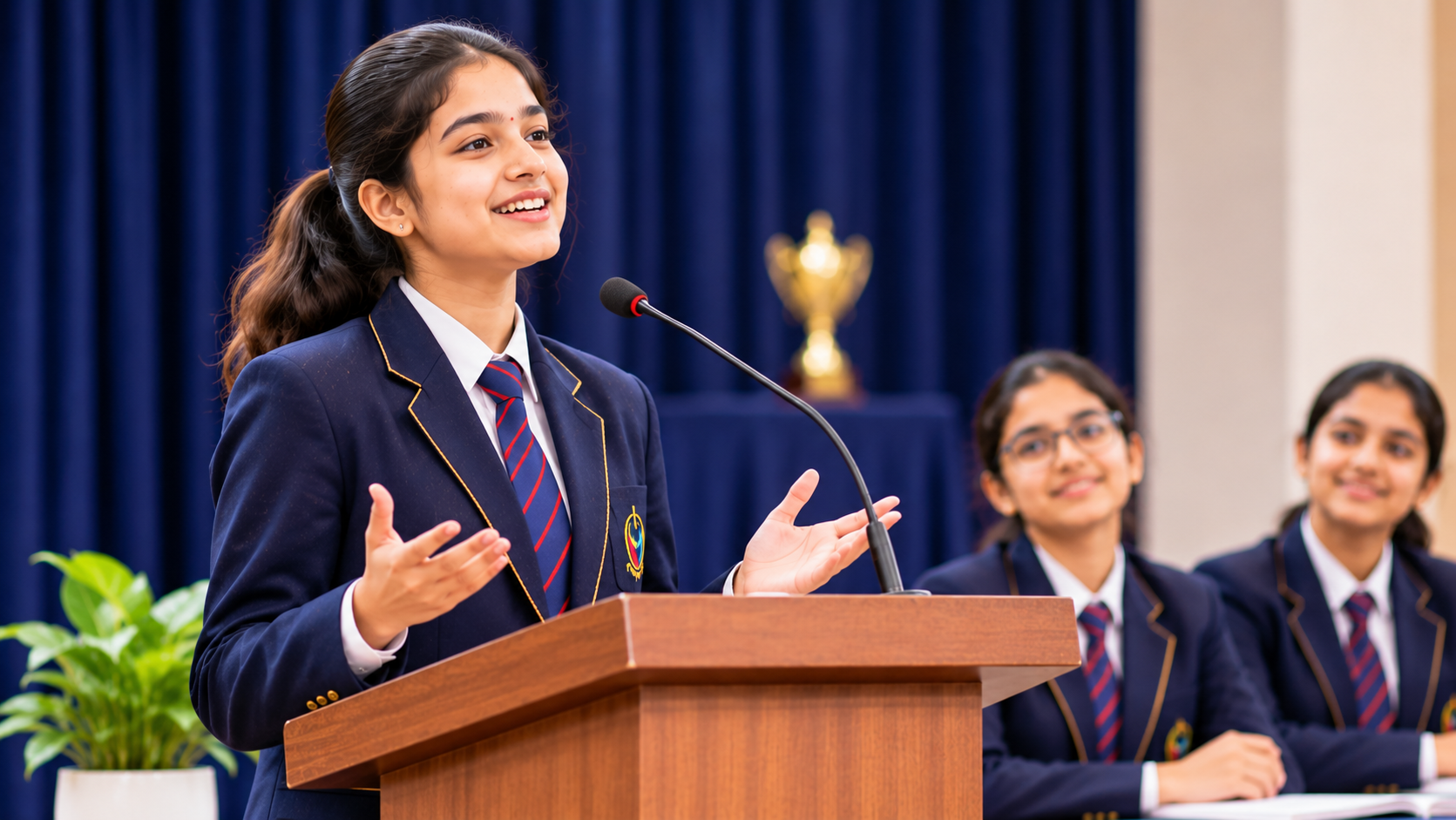
Public speaking is an important skill that helps students express their thoughts clearly. However, speaking in front of an audience can initially feel challenging. Debate competitions and MUN sessions provide structured opportunities to practise communication.
During debates, students present their opinions, explain arguments and respond to questions. In MUN conferences, students represent different countries and communicate their positions on international issues.
One of the major benefits of Debating and MUN for Girls is that students receive regular opportunities to speak in front of others. With preparation and practice, they can become more comfortable expressing their ideas.
These activities also strengthen Public Speaking Skills for Girls by teaching students how to organise their thoughts, use appropriate language and communicate with an audience.
2. Developing Critical Thinking and Analytical Skills
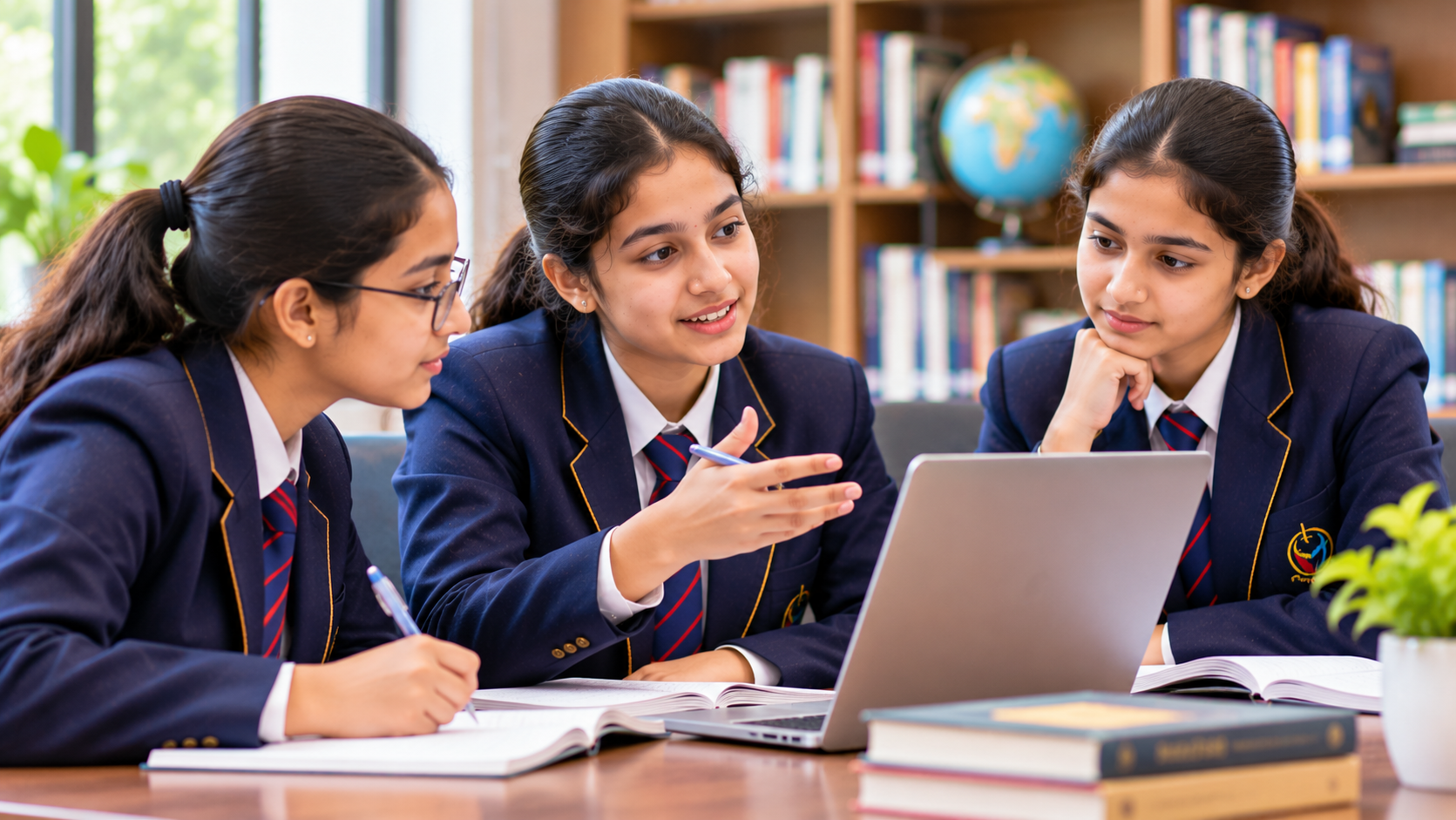
Critical thinking helps students examine information, understand different perspectives and make logical decisions. Debating requires participants to study a topic carefully before presenting their arguments.
MUN activities also encourage students to understand international challenges, research different viewpoints and consider possible solutions.
Through Debating and MUN for Girls, students learn to:
- Analyse information before forming opinions.
- Identify reliable facts and supporting evidence.
- Understand different perspectives.
- Recognise strengths and weaknesses in arguments.
- Develop logical and balanced conclusions.
- Respond thoughtfully to challenging questions.
These experiences make Debating and MUN for Girls useful beyond competitions. Critical thinking supports academic learning, classroom discussions and everyday decision-making.
3. Improving Research and Knowledge
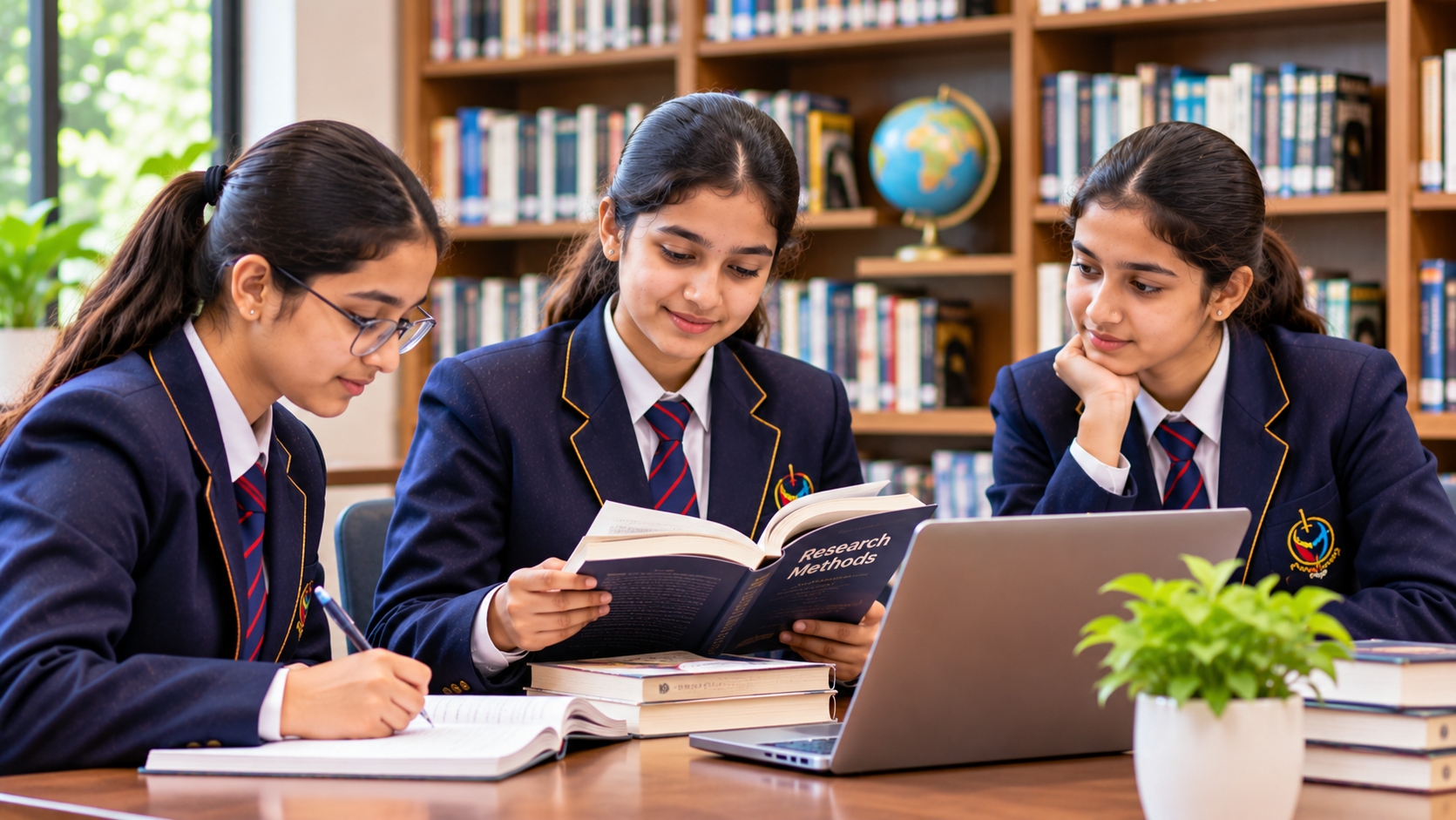
Preparation is an essential part of both debating and MUN. Students need to research their topics, collect relevant information and organise their findings before participating.
In MUN, students also research the country they represent, its policies and its position on the discussion topic. This introduces them to international relations, geography, history, economics and current affairs.
Debating and MUN for Girls encourage students to explore subjects beyond their regular textbooks. They learn how to find information, compare sources, identify relevant facts and prepare structured presentations.
Research also improves students’ ability to explain complex topics in simple language. These skills can support academic assignments, projects, presentations and future higher education.
4. Strengthening Leadership Skills
Leadership is not simply about holding a position or giving instructions. It involves taking responsibility, communicating effectively, making decisions and working towards shared objectives.
Debate teams and MUN committees provide practical opportunities for students to develop these abilities. Students may coordinate preparation, guide discussions, manage group responsibilities or represent their teams during competitions.
Debating and MUN for Girls support leadership development by encouraging students to take initiative and participate actively.
These experiences also strengthen Leadership Skills for Girls in Schools. Students learn that effective leadership requires listening, cooperation, accountability and respect for different opinions.
5. Understanding Diplomacy and Respectful Communication
One important lesson of Model United Nations is diplomacy. During MUN sessions, students represent different countries that may have different interests, priorities and viewpoints.
Participants must communicate their positions while understanding the perspectives of other delegates. They may also negotiate and work together to prepare resolutions.
This makes Debating and MUN for Girls valuable for developing respectful communication. Students learn that disagreeing with an opinion does not mean disrespecting the person expressing it.
Through these activities, girls practise listening carefully, presenting arguments politely and finding common ground. Such communication skills are useful in academic discussions, professional environments and everyday interactions.
6. Encouraging Teamwork and Collaboration
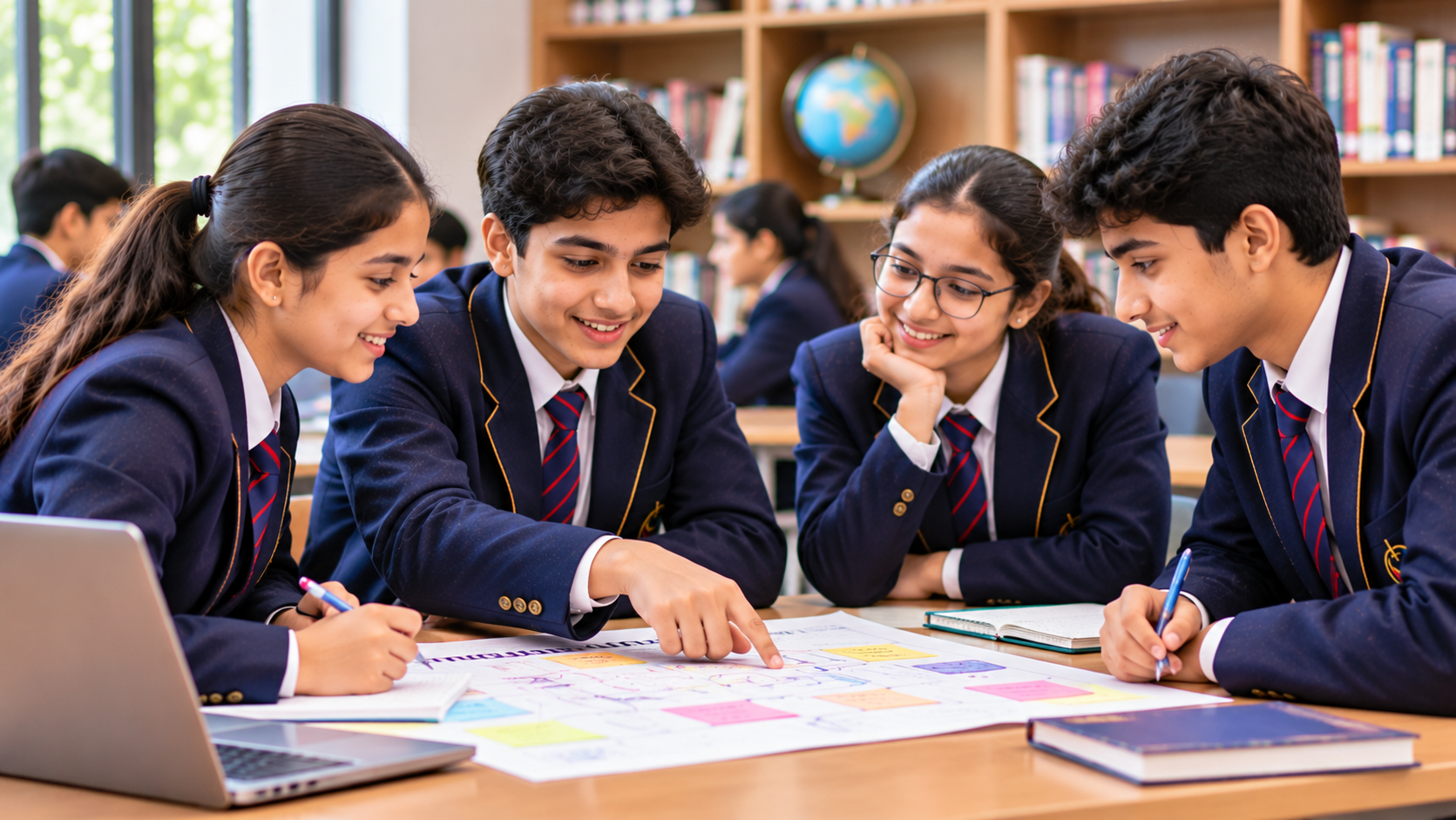
Debates and MUN conferences involve individual preparation as well as teamwork. Students often work together to research topics, prepare arguments, organise presentations and practise their speeches.
During MUN conferences, delegates participate in committee discussions and collaborate with other participants to develop possible solutions.
Debating and MUN for Girls help students understand how to contribute to group activities while respecting different opinions and responsibilities.
Teamwork also teaches students the importance of cooperation, preparation and shared goals. These experiences can help them become more effective participants in classroom projects, school events and other collaborative activities.
7. Increasing Awareness of Global Issues

Model United Nations introduces students to important issues affecting countries and communities around the world. These may include climate change, education, human rights, international security, public health and sustainable development.
By researching these subjects, students develop a better understanding of global challenges and the importance of international cooperation.
Debating and MUN for Girls encourage students to look beyond their immediate surroundings and explore different social, economic and environmental perspectives.
For example, a discussion about climate change may introduce students to environmental policies, renewable energy and sustainable development. Similarly, a debate about education can help them examine access to learning and educational equality.
Such discussions encourage curiosity and informed participation.
8. Improving Listening and Communication Skills
Effective communication involves both speaking and listening. Students participating in debates and MUN sessions must pay attention to other participants, understand their arguments and respond appropriately.
They learn to identify the main points of a discussion, avoid unnecessary interruptions and present relevant responses.
Regular participation in Debating and MUN for Girls can improve communication through structured practice and feedback.
These activities also teach students how to organise their thoughts before speaking, select suitable language and adjust their communication according to the audience.
9. Preparing Girls for Future Academic and Career Opportunities
Communication, research, critical thinking and teamwork are useful abilities across many academic and professional fields.
Participation in debates and MUN gives students experience in preparing presentations, researching complex subjects, speaking in formal settings and collaborating with others.
Debating and MUN for Girls can be particularly useful for students interested in law, journalism, international relations, public policy, political science, business and social sciences.
However, these skills are not limited to particular professions. Clear communication and analytical thinking are valuable in almost every field.
Schools can support this development through regular competitions, mentorship, workshops and opportunities to participate in inter-school and national-level events.
10. The Role of Girls Boarding Schools in Promoting Debating and MUN
Girls boarding schools can provide an environment where students have regular opportunities to participate in debates, discussions, MUN conferences and public speaking activities.
Residential school environments may also encourage students to exchange ideas, collaborate with peers and participate in group learning beyond regular classroom hours.
Parents exploring Debating and MUN for Girls should consider whether a school provides:
- Regular debate competitions and discussion sessions.
- Model United Nations conferences and workshops.
- Guidance from teachers and experienced mentors.
- Opportunities to participate in inter-school events.
- Research and public speaking training.
- Equal opportunities for beginners and experienced participants.
- Constructive feedback to help students improve.
A school should provide more than occasional competitions. Meaningful Debating and MUN for Girls programmes should encourage regular participation, proper preparation and continuous improvement.
How Parents Can Encourage Participation in Debating and MUN
Parents can support their daughters by encouraging reading, curiosity and participation in school activities. Discussing current affairs at home and listening to their opinions can also help students become more comfortable expressing their thoughts.
Students who are new to debating can begin with classroom discussions or small-group activities before participating in formal competitions.
Parents should understand that Debating and MUN for Girls are primarily about learning and personal development, not simply winning awards or collecting certificates.
Consistent encouragement, preparation and constructive feedback can help students improve their communication and analytical abilities over time.
Conclusion
Debating and Model United Nations are valuable educational activities that encourage students to think critically, communicate clearly and understand different perspectives.
Debating and MUN for Girls help students develop public speaking, research, diplomacy, teamwork and leadership abilities through practical participation. These experiences also encourage girls to become informed, thoughtful and responsible communicators.
Girls boarding schools can support this development by organising debate competitions, MUN conferences, workshops and regular discussion sessions.
By making Debating and MUN for Girls a meaningful part of school life, educational institutions can give students opportunities to develop abilities that support their academic, personal and professional journeys.
Frequently Asked Questions
Q1. What is the importance of debating and MUN for girls?
Ans: Debating and MUN for Girls help students develop public speaking, research, critical thinking, teamwork, leadership and communication skills.
Q2. What is Model United Nations (MUN) in schools?
Ans: Model United Nations is an educational simulation in which students represent countries, discuss international issues, negotiate solutions and prepare resolutions.
Q3. How does debating improve confidence in girls?
Ans: Debating gives students opportunities to research topics, prepare arguments and speak before an audience. Regular participation can help them become more comfortable expressing their opinions.
Q4. What skills do girls develop through MUN?
Ans: Students develop research, diplomacy, negotiation, public speaking, teamwork, critical thinking and problem-solving skills.
Q5. At what age can girls participate in MUN?
Ans: Students can begin with age-appropriate MUN activities during middle or secondary school. The complexity of the topics should match their knowledge and experience.
Q6. Do debating and MUN help with future careers?
Ans: Yes. Skills developed through these activities can be useful in law, journalism, international relations, public policy, business and many other professional fields.