






Discipline is one of the most essential traits that a student can develop during their academic journey. While intelligence and talent play a significant role in education, it is discipline that truly determines long-term success. The importance of discipline for students cannot be overstated, as it shapes not only academic performance but also personal growth, career readiness, and overall character development.
Understanding Discipline in Student Life

Discipline is not just about following rules or adhering to schedules. It is about building habits that promote focus, consistency, and responsibility. For students, discipline means:
Managing time effectively for study and leisure.
Staying committed to tasks even when motivation fades.
Developing the ability to delay gratification for long-term rewards.
Respecting teachers, peers, and the learning environment.
The importance of discipline for students lies in its power to transform ordinary efforts into extraordinary results.
Academic Benefits of Discipline
1. Improved Focus and Concentration
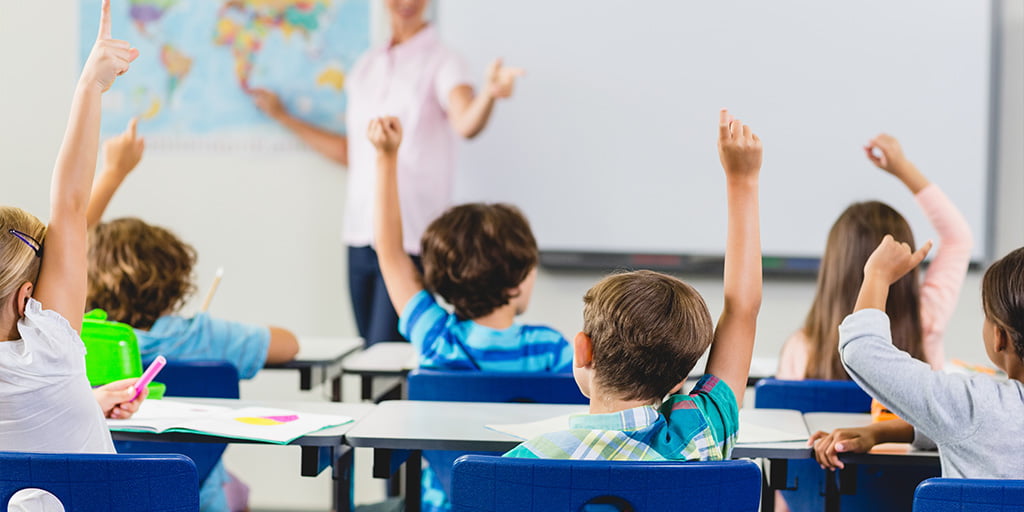
Discipline helps students avoid distractions and stay focused on studies. In today’s world of smartphones and social media, maintaining concentration is a challenge. A disciplined student knows when to switch off distractions and prioritize academic tasks.
2. Better Time Management
One of the strongest reflections of discipline is the ability to manage time. Students who follow a structured routine finish homework on time, prepare for exams systematically, and still enjoy recreational activities without guilt.
3. Higher Academic Performance
The link between discipline and academic success is clear. Students who revise lessons regularly, practice consistently, and attend classes with focus often outperform those who rely on last-minute preparation. This proves the importance of discipline for students in achieving good grades.
Personal Development Through Discipline

1. Building Self-Confidence
Discipline gives students a sense of control over their lives. When they see the results of consistent efforts—be it in grades, sports, or creative pursuits—they develop confidence in their abilities.
2. Developing Responsibility
Being disciplined means owning one’s duties and fulfilling them on time. This fosters a sense of responsibility that is valuable not only in school but also in adulthood.
3. Cultivating Patience and Perseverance
Life is not always about quick wins. Discipline teaches students to stay patient, keep working toward their goals, and not give up when things get tough. This resilience becomes a cornerstone of future success.
Discipline Beyond the Classroom
1. Sports and Extracurriculars
Discipline is crucial in activities like sports, arts, or debate clubs. Training regularly, respecting teammates, and following a coach’s guidance are forms of discipline that teach teamwork and determination.
2. Health and Lifestyle
Disciplined students are more likely to maintain balanced diets, regular sleep cycles, and active lifestyles. These habits directly influence energy levels, focus, and long-term well-being.
3. Building Strong Relationships
Respecting peers and teachers, listening actively, and maintaining honesty are forms of social discipline. They help students build strong relationships that enrich their personal and academic life.
The Role of Discipline in Career Preparation

The importance of discipline for students extends far beyond school life. Employers look for individuals who can manage time, work independently, and stay committed to deadlines. Students who cultivate discipline early find it easier to transition into demanding careers.
For example:
A disciplined student who studies regularly adapts well to professional training programs.
Time management learned during school helps in meeting office deadlines.
Perseverance developed during exams or sports helps in facing workplace challenges.
How Students Can Develop Discipline
Here are practical strategies for students who want to build discipline in their daily lives:
Set Clear Goals – Break down big academic or personal goals into smaller, achievable steps.
Create a Routine – Maintain a daily schedule that balances study, play, and rest.
Limit Distractions – Keep gadgets away during study time and use apps to block social media when necessary.
Stay Consistent – Even small efforts, repeated daily, create strong habits.
Reward Progress – Celebrate milestones, like completing a project or sticking to a routine for a week.
Learn from Mistakes – Discipline doesn’t mean perfection. Students must reflect on mistakes and improve gradually.
Why Teachers and Parents Must Encourage Discipline
Both teachers and parents play a vital role in helping students realize the importance of discipline. By setting realistic expectations, rewarding consistent behavior, and modeling discipline themselves, adults can guide students toward building lasting habits.
Final Thoughts
Discipline is the invisible force behind every successful student. While intelligence provides the foundation, discipline is what ensures growth, progress, and achievement. From academics to health, relationships to careers, the importance of discipline for students spans across every area of life.
A disciplined student learns not just to excel in exams but also to live a balanced, responsible, and successful life. In a world full of distractions, discipline remains the strongest tool that students can carry with them into adulthood.
FAQs on the Importance of Discipline for Students
Q1. Why is discipline important for students?
Ans: Discipline helps students stay focused, manage time, and achieve academic and personal goals consistently.
Q2. Can discipline improve academic performance?
Ans: Yes, Regular study habits, revision schedules, and consistency directly boost academic results.
Q3. How can students build discipline daily?
Ans: By setting goals, following routines, minimizing distractions, and practicing consistency.
Q4. What role do parents play in teaching discipline?
Ans: Parents influence discipline by modeling responsible behavior, setting routines, and encouraging consistency.
Q5. Does discipline help beyond academics?
Ans: Absolutely. Discipline also builds responsibility, resilience, health, and prepares students for future careers.
ALSO READ: Ways to Improve Discipline in School